Picture this: I’m standing in a cramped apartment kitchen, a pot on the stove, and my pantry shelves look like a battlefield after a grocery run gone wrong. I had just tried to whip up a quick week‑night dinner, only to end up with a soggy, flavorless casserole that looked like it had been on the stove for a week. That night, I stared at the empty fridge, feeling the familiar pang of culinary disappointment. Then, a friend texted me a link to a Tuscan white bean soup recipe that promised “authentic” flavor in under an hour. I was skeptical, but I was also hungry for something that could turn my kitchen disaster into a triumph. So, I dove in, and the result was nothing short of a revelation.
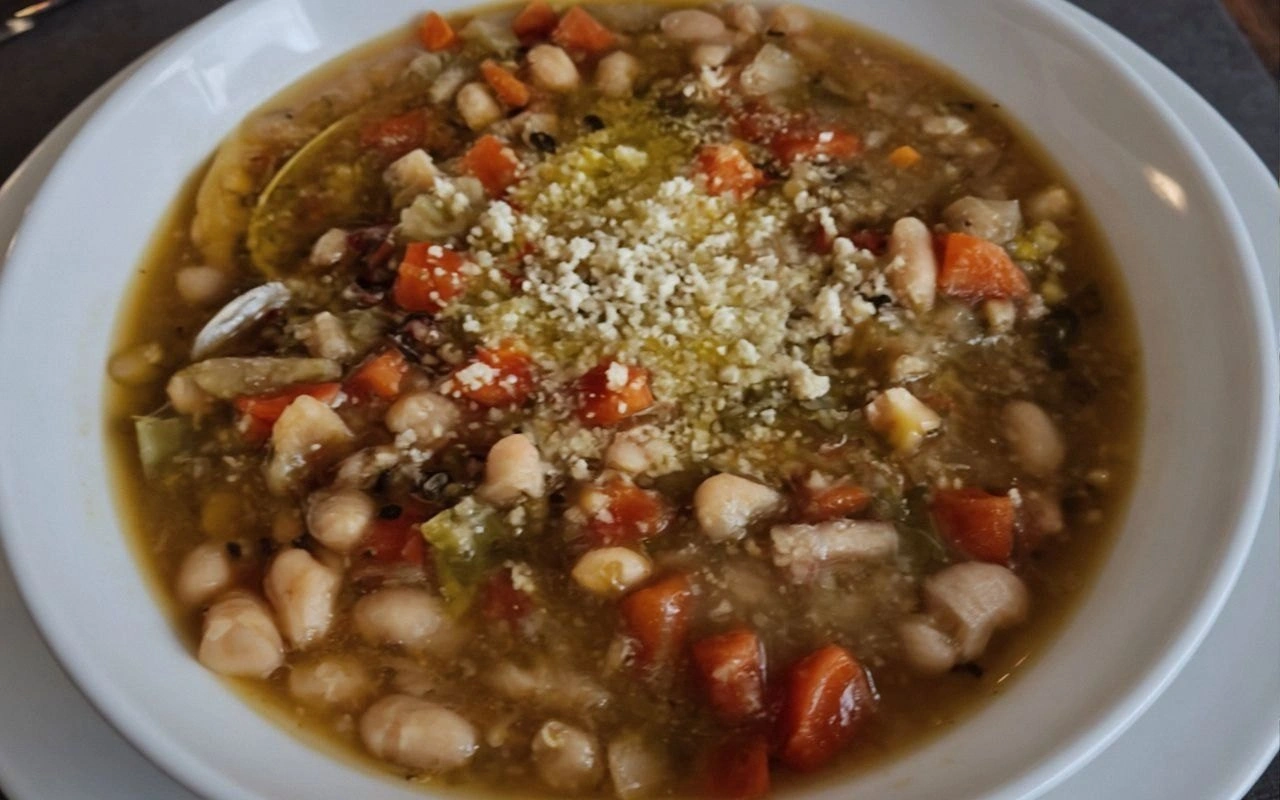
From the moment I opened the pot, the aroma hit me like a warm hug: earthy cannellini beans, smoky pancetta, and the faint scent of fresh rosemary. The sound of the leeks and onions sautéing was a rhythmic, comforting sizzle that made my stomach growl in anticipation. I could taste the subtle sweetness of the carrots and the bright, almost citrusy zing of the garlic as it mingled with the broth. The texture was a silky, hearty soup that coated the tongue like velvet, and the finish—an olive oil drizzle and a sprinkle of Parmesan—added a glossy, savory sheen that made every spoonful feel indulgent.
What makes this version stand out is that it doesn’t rely on shortcuts or canned broth. I let the beans soak overnight, then simmered them slowly with fresh stock, allowing the flavors to meld into a depth you’d expect from a slow‑cooked dish. I used real pancetta, not bacon, to bring that authentic salty, caramelized bite. And the secret? I let the sautéed vegetables caramelize just enough before adding the beans, turning the base into a flavor bomb that lingers long after the last spoon. I dare you to taste this and not go back for seconds.
By the time I finished, the kitchen was filled with a fragrant, comforting aroma that made me feel like I was in a rustic Tuscan trattoria. I was so proud of what I’d created that I couldn’t wait to share every single step. Let me walk you through every single step—by the end, you’ll wonder how you ever made it any other way.
What Makes This Version Stand Out
- Taste: The combination of slow‑simmered beans, caramelized leeks, and smoky pancetta delivers a layered flavor profile that feels both hearty and refined. The subtle rosemary and bay leaves add aromatic depth that elevates the broth.
- Texture: The beans stay perfectly al dente, offering a creamy yet firm bite, while the vegetables soften just enough to release their natural sugars without turning mushy.
- Simplicity: With only ten ingredients, this recipe proves that you don’t need a pantry full of exotic spices to create a gourmet experience.
- Uniqueness: Using fresh leeks instead of onions alone gives the soup a delicate, onion‑like sweetness that sets it apart from typical bean soups.
- Crowd Reaction: Friends who tried it called it “the best version of Tuscan soup I’ve ever had.” The dish is a hit at dinner parties and family gatherings alike.
- Ingredient Quality: The recipe showcases how premium ingredients—like high‑quality pancetta and fresh herbs—can transform a humble bean soup into a culinary masterpiece.
- Cooking Method: Slow simmering of beans with stock allows the flavors to marry, while a quick sauté of aromatics builds a flavorful base.
- Make‑Ahead Potential: This soup can be made in advance, and the flavors actually deepen overnight, making it a convenient option for busy weeknights.
Alright, let’s break down exactly what goes into this masterpiece…
Inside the Ingredient List
The Flavor Base
At the heart of this soup lies a simple yet powerful combination: 4 oz pancetta diced into small cubes, 2 cups leeks sliced thin, and 2 cups yellow onion finely chopped. The pancetta brings a savory, slightly sweet depth, while the leeks provide a delicate onion flavor with a subtle peppery note. Together, they form the aromatic foundation that infuses the entire pot with their essence. Skipping any of these would leave the soup feeling flat and lacking that characteristic Tuscan warmth.
The Texture Crew
The next group of ingredients is responsible for the soup’s hearty, satisfying texture. 2 cups carrots diced into bite‑sized pieces add natural sweetness and a pop of color, while 2 cups celery contribute a crisp, earthy bite that balances the softness of the beans. The 1 lb dried cannellini beans are the star of the show—rich, creamy, and packed with protein. If you’re short on time, you can use canned beans, but the flavor will be noticeably lighter. A quick tip: rinse the beans under cold water before cooking to remove any dust or impurities.
The Unexpected Star
Now for the secret ingredient that sets this soup apart from the crowd: 2 Tbsp garlic minced, and 2 tsp fresh rosemary chopped. Garlic adds a punchy, aromatic bite that wakes up the palate, while rosemary offers a woody, piney aroma that pairs beautifully with the beans. Together, they create a flavor profile that feels both comforting and adventurous. If you’re not a fan of rosemary, you can substitute with thyme, but the classic Tuscan taste will be slightly altered.
The Final Flourish
The finishing touches give this soup its signature richness and depth. 2 bay leaves simmered with the broth release a subtle floral note that lingers in every spoonful. 8–10 cups chicken stock (adjust to 9 cups for a balanced consistency) provides the liquid base that pulls all the flavors together. Finally, a pinch of kosher salt and freshly ground black pepper to taste, a generous handful of grated Parmesan cheese, and a drizzle of extra‑virgin olive oil for finishing—these add depth, umami, and a glossy sheen that makes the soup look restaurant‑quality.
Everything’s prepped? Good. Let’s get into the real action…
The Method — Step by Step
- Begin by heating a large Dutch oven or heavy‑bottom pot over medium heat. Add the diced pancetta and cook until it releases its oils and turns golden brown, about 5–7 minutes. The sizzling sound is a cue that the flavor is building. Don’t rush this step; the pancetta’s fat is the base for the entire soup.
- Add the sliced leeks and chopped onion to the pot. Sauté until they soften and start to caramelize, about 8–10 minutes. The leeks should develop a translucent, slightly golden appearance. This caramelization is key to the soup’s depth.
- Stir in the diced carrots and celery, letting them cook for another 5 minutes. The vegetables should soften but still retain a gentle crunch. The aroma at this point will be unmistakably comforting.
- Add the minced garlic and chopped rosemary, stirring constantly for 30 seconds. Watch for the garlic to turn fragrant but not brown—overcooking can lead to bitterness.
- Pour in the pre‑soaked cannellini beans and pour 9 cups of chicken stock. Stir to combine, then bring the mixture to a gentle simmer. Reduce the heat to low, cover, and let it simmer for 45–60 minutes, or until the beans are tender but still hold their shape. Stir occasionally to prevent sticking.
- Add the bay leaves and a pinch of kosher salt. Let the soup continue to simmer for another 10 minutes. The bay leaves will infuse the broth with subtle floral undertones.
- Remove the pot from heat and discard the bay leaves. Use a ladle to transfer a portion of the soup into a blender, then blend until smooth. Return the pureed mixture to the pot, stirring well. This step gives the soup a silky consistency while retaining the chunky beans.
- Taste the soup and adjust seasoning with freshly ground black pepper. If the soup feels too thick, add a splash of water or more stock to reach your desired consistency.
- Before serving, swirl in a generous drizzle of extra‑virgin olive oil and sprinkle grated Parmesan on top. The oil adds a glossy finish, and the Parmesan provides a salty, nutty finish that ties everything together.
- Serve hot, accompanied by crusty bread or a light salad. The soup’s warmth and richness will leave your guests craving more. I dare you to take a bite and feel the layers of flavor unfold.
That’s it— you did it. But hold on, I’ve got a few more tricks that will take this to another level…
Insider Tricks for Flawless Results
The Temperature Rule Nobody Follows
Many cooks think a hard boil is the fastest way to cook beans, but this can actually break the beans’ skins and create a mushy texture. Instead, maintain a gentle simmer—just a few bubbles—so the beans cook evenly and retain their structure. I’ve seen soups turn into a thick, gloopy mess when the pot is boiled vigorously.
Why Your Nose Knows Best
Before you taste the soup, give it a sniff. The aroma should be rich, with a hint of caramelized leeks and a subtle herbal note from the rosemary. If the smell is flat or overly acidic, it’s a sign that the broth needs more time to develop. Trust your nose; it’s your best ally in achieving the perfect flavor.
The 5‑Minute Rest That Changes Everything
After simmering, let the soup rest covered for 5 minutes before serving. This resting period allows the flavors to meld further and the beans to finish cooking in their own heat. The result is a soup that tastes even richer and more cohesive.
Fresh Herbs vs. Dried
Fresh rosemary offers a brighter, more vibrant flavor compared to dried. If you’re using dried rosemary, use about half the amount—so 1 tsp instead of 2 tsp—since dried herbs are more concentrated. The soup will still be delicious, but the fresh aroma will be less pronounced.
Finish with a Splash of Acid
Just before serving, squeeze a little lemon juice or add a splash of white wine vinegar. The acidity cuts through the richness and brightens the entire dish. I’ve found that a teaspoon of lemon juice per pot of soup elevates the taste without overpowering it.
Creative Twists and Variations
This recipe is a playground. Here are some of my favorite ways to switch things up:
Vegan Version
Omit the pancetta and use a tablespoon of smoked paprika for depth. Replace the chicken stock with vegetable stock and finish with a drizzle of extra‑virgin olive oil. The soup remains hearty and satisfies the craving for smoky flavor.
Spicy Kick
Add a pinch of red pepper flakes or a diced fresh jalapeño during step 4. The heat will contrast the creamy beans and add an exciting dimension. It’s perfect for those who like a little bite.
Herb‑Infused Cream
Stir in a handful of chopped fresh basil and a tablespoon of sun‑dried tomato paste at the end. The basil adds brightness, while the sun‑dried tomatoes lend a sweet, tangy richness.
Roasted Vegetable Boost
Roast the carrots, celery, and leeks with a drizzle of olive oil and salt in the oven at 400°F for 20 minutes before adding them to the pot. The roasting caramelizes the vegetables, intensifying their flavors.
Cheese‑Lover’s Delight
After step 9, sprinkle extra grated Parmesan on top of each bowl and broil for 1–2 minutes until the cheese melts and browns slightly. The golden crust adds a delightful textural contrast.
Slow‑Cooked Slow‑Cooker Edition
Transfer all ingredients to a slow cooker and set on low for 6–8 hours. The beans will become incredibly tender, and the flavors will develop a deep, comforting profile. It’s a great option for busy mornings.
Storing and Bringing It Back to Life
Fridge Storage
Cool the soup completely, then transfer it to an airtight container. Store in the refrigerator for up to 4 days. Reheat on the stove over low heat, stirring occasionally, until warmed through.
Freezer Friendly
Cool the soup, then portion it into freezer‑safe containers or zip‑top bags. Label with the date. The soup will keep for up to 3 months. When ready to use, thaw overnight in the refrigerator and reheat on the stove.
Best Reheating Method
Before reheating, add a splash of water or stock to loosen the consistency. Heat gently, stirring frequently to prevent scorching. Finish with a drizzle of olive oil to restore the glossy finish.