It started on a rainy Tuesday when I tried to recreate that unforgettable street‑food bowl I’d snagged in Hong Kong. I had sliced beef, hoisin sauce, noodles, and a handful of vegetables, but the result was a sad, soggy mess that tasted like it had been left in a damp drawer for a week. My friend, who’s a self‑proclaimed culinary guru, laughed and said, “If you’re going to mess it up, at least make it a masterpiece.” That was the moment I decided to turn that disaster into a triumph.
Picture this: the kitchen is humming with the clatter of a wok, the air is thick with the sweet, umami scent of hoisin sauce simmering, and the sound of sizzling beef slices is like applause for a well‑executed performance. I can almost taste the crisp snap of fresh carrots and bell peppers, feel the silky coating of sauce on each noodle, and hear the gentle hiss of broth thickening into a glossy glaze. The anticipation of that first bite is a high‑octane rush, and the moment you taste it, the flavors explode like fireworks in a velvet sky.
What makes this version stand out is that it marries the classic balance of sweet, salty, and spicy with a texture profile that feels like a hug for your taste buds. I’ve taken the traditional recipe and added a few intentional twists—like a splash of rice vinegar to cut through the richness, a touch of lime juice for brightness, and a swirl of sesame oil for nutty depth—that elevate it from ordinary to unforgettable. It’s the kind of dish that turns an ordinary dinner into a celebration, and it’s the secret weapon in my culinary arsenal for impressing friends and family alike.
And here’s the kicker: I’ve discovered a trick that turns a standard wok into a flavor‑fusing engine in minutes—using a simple cornstarch slurry that thickens the sauce instantly, giving it that silky, coat‑like quality that makes every strand of noodle feel like it’s wrapped in velvet. The next step will reveal why this trick is a game‑changer and how it keeps the sauce from slipping off the noodles.
Let me walk you through every single step—by the end, you’ll wonder how you ever made it any other way.
What Makes This Version Stand Out
- Flavor: The sauce is a masterclass in balance—sweet hoisin, salty soy, bright lime, and a whisper of heat that keeps the palate engaged.
- Texture: The noodles are al dente, the beef is tender but still has a slight chew, and the vegetables remain crisp, creating a satisfying bite‑level contrast.
- Ease: Every ingredient can be found in any grocery store, and the entire process takes less than 45 minutes, making it a perfect weeknight win.
- Versatility: Swap beef for pork, chicken, or tofu and you have an instant crowd‑pleaser that suits any dietary preference.
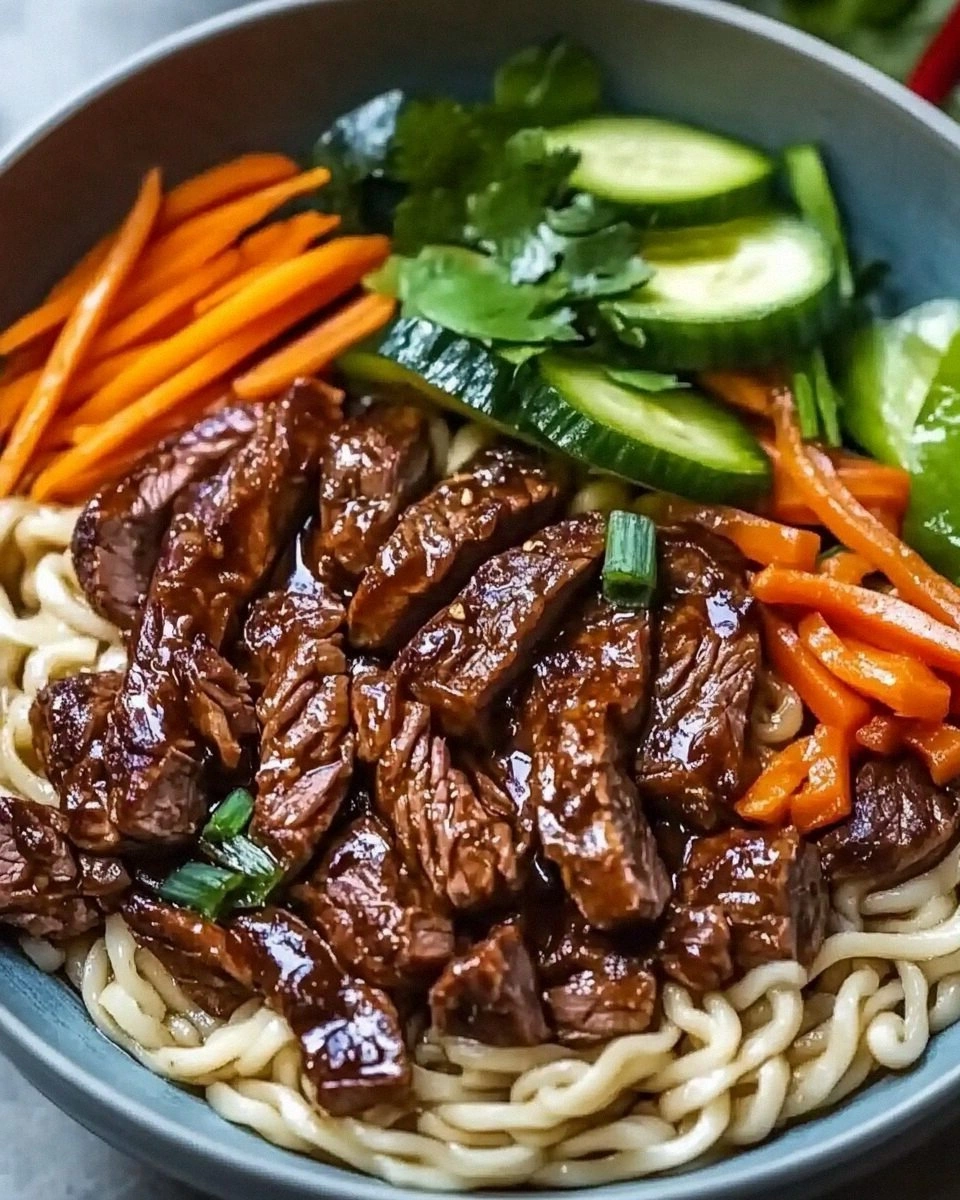
- Showmanship: The final dish is visually stunning—vibrant greens, glossy sauce, and a sprinkle of scallions that makes it Instagram‑ready.
- Make‑ahead potential: The sauce can be pre‑made and frozen, and the noodles reheat beautifully, so you can have a gourmet meal ready in minutes.
Alright, let's break down exactly what goes into this masterpiece...
Inside the Ingredient List
The Flavor Base
The heart of the dish is the sauce, a symphony of hoisin, soy, rice vinegar, sesame oil, and a pinch of sugar. Hoisin sauce provides a sweet, smoky undertone that anchors the flavor profile, while soy sauce adds depth and saltiness. The rice vinegar cuts through the richness, lending a bright, almost citrusy lift that keeps the dish from feeling heavy. Sesame oil contributes a nutty aroma that elevates the entire bowl, and the sugar balances the acidity, creating a harmonious blend that coats every noodle and slice of beef.
When you combine these ingredients, the result is a sauce that glazes the noodles like silk and clings to the beef like a second skin. The key is to let the sauce simmer gently so the flavors meld without caramelizing. If you skip any of these components, the dish loses its signature complexity—without hoisin, it feels flat; without vinegar, it’s cloying; without sesame oil, it lacks that subtle depth.
Tip: For the freshest flavor, use a high‑quality, dark hoisin sauce with a natural sweetener like honey or molasses. This gives the sauce a richer, more nuanced sweetness that’s hard to achieve with commercial varieties.
Fun Fact: Hoisin sauce originally came from Cantonese cuisine in the 19th century, where it was made from fermented soybeans, sugar, and spices. Today it’s a staple in many Asian kitchens and has evolved into a versatile condiment used in marinades, dipping sauces, and stir‑fries.
Everything’s prepped? Good. Let’s get into the real action...
The Texture Crew
Fresh vegetables add crunch and color, creating a visual and textural contrast that elevates the dish. Carrots, sliced thin, bring a natural sweetness and a satisfying snap when bitten. Bell pepper slices provide a juicy burst of flavor and a pop of color that makes the bowl instantly appealing. Bean sprouts keep the dish light and airy, while scallions add a sharp, herbaceous finish.
These vegetables are not just garnish; they’re integral to the dish’s structure. They absorb the sauce, creating pockets of flavor that burst with each bite. If you omit them, the dish becomes one‑dimensional, and the noodles lose their bite. For a low‑carb version, replace the carrots with zucchini ribbons and the bell pepper with sliced mushrooms.
Buying tip: Look for carrots and bell peppers that feel firm and have a vibrant, unblemished skin. For bean sprouts, choose fresh ones that are crisp and not wilted, as they’ll maintain their crunch when sautéed.
The Unexpected Star
Beef flank steak, thinly sliced against the grain, is the star of the show. The cut is lean yet flavorful, and when sliced thin, it cooks quickly and stays tender. Marinating the beef in a blend of hoisin, soy, and a splash of rice vinegar before searing locks in moisture and infuses it with deep umami.
If you prefer a different protein, pork tenderloin or chicken breast will work beautifully. Tofu is a great vegetarian alternative—just press it to remove excess water before marinating. The key is to keep the protein thin so it cooks fast and stays juicy.
Selection tip: Choose a beef cut that’s at least 80% lean to avoid excessive fat rendering, which can make the dish greasy.
The Final Flourish
Cornstarch slurry, sugar, and chili flakes finish the dish, giving it that glossy, silky coat and a subtle kick. The slurry thickens the sauce instantly, preventing it from separating or becoming watery. Sugar balances the acidity, and the chili flakes add a gentle heat that’s not overpowering.
Optional additions like lime juice or cilantro provide a fresh, herbal note that cuts through the richness, while a pinch of salt fine‑tunes the overall flavor. If you’re adventurous, a splash of peanut butter adds a creamy, nutty depth that complements the hoisin base.
Tip: If you’re watching your sodium intake, use low‑sodium soy sauce and hoisin, and taste as you go to avoid over‑seasoning.
The Method — Step by Step
- Begin by whisking together 240 ml hoisin sauce, 30 ml soy sauce, 15 ml rice vinegar, 15 ml sesame oil, 6 g minced garlic, 6 g minced ginger, and 5 g sugar in a shallow bowl. This mixture is the flavor engine of the dish, and it’s crucial to let the sugar dissolve fully for a smooth sauce.
- Add the 450 g thinly sliced beef to the sauce, toss to coat, and let it marinate for at least 15 minutes. The acid in the vinegar gently tenderizes the meat while the hoisin and soy infuse it with depth.
- Whisk 8 g cornstarch with 30 ml water until fully dissolved to create a clear slurry. This will be the thickening agent that gives the sauce its glossy coat.
- Heat a wok or large skillet over high heat until a drop of water sizzles. Add 30 ml vegetable oil, swirling to coat the surface. The pan should be hot enough that the oil shimmers but not smoking.
- Add the marinated beef to the pan, searing each side for 2–3 minutes until a caramelized crust forms. The quick sear locks in juices, and the beef should be browned but still tender.
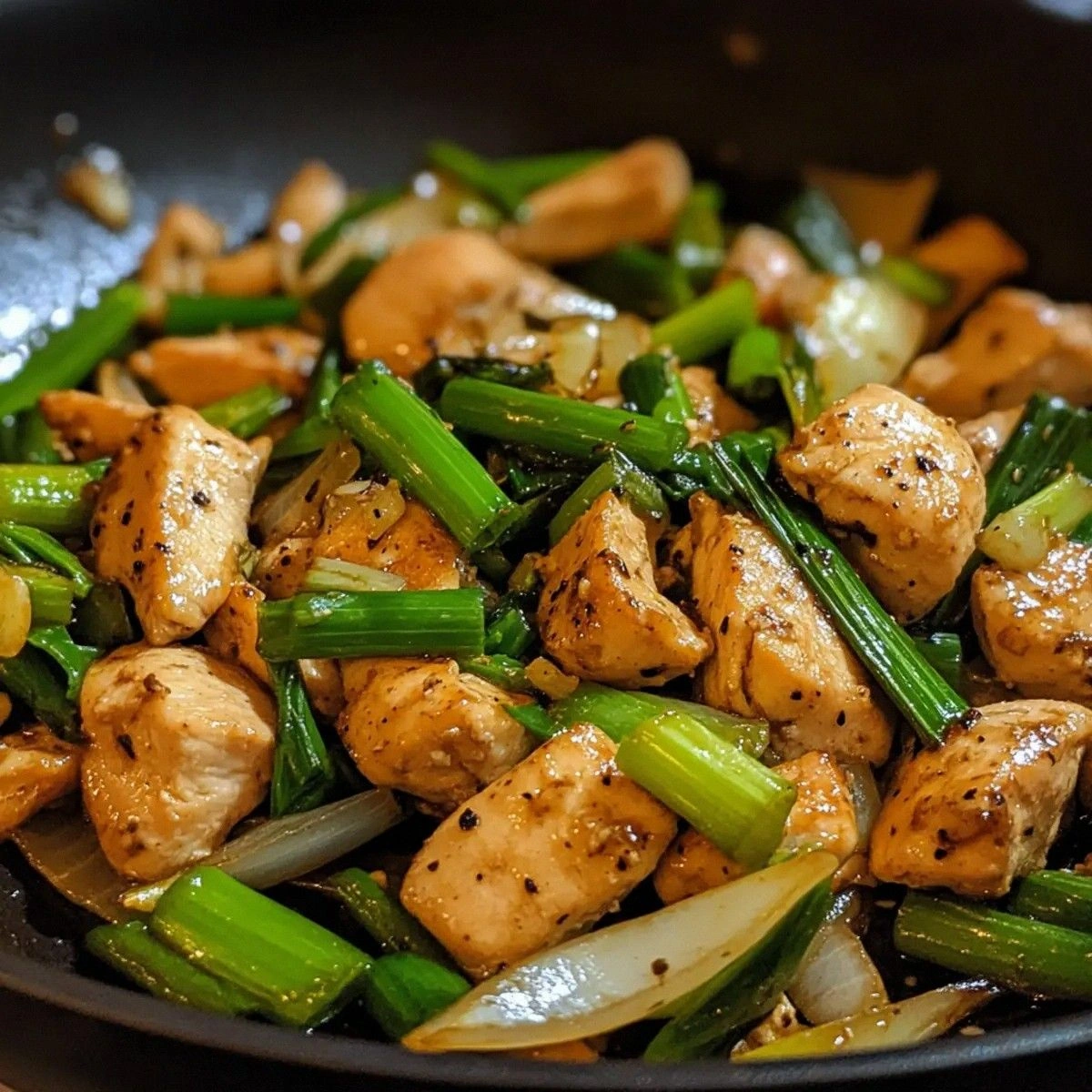
- Remove the beef and set aside on a plate. In the same pan, toss in 100 g sliced carrots, 100 g sliced bell pepper, 100 g bean sprouts, and 50 g sliced scallions. Stir‑fry for 2 minutes until the vegetables are crisp‑tender but still vibrant.
- Return the beef to the pan, pour in the remaining sauce mixture, and stir to combine. Add the cornstarch slurry and stir vigorously; the sauce will thicken almost instantly, coating each ingredient like a velvet blanket.
- Add the 200 g cooked rice noodles to the pan, gently tossing to coat the noodles in the sauce. Cook for an additional minute, allowing the noodles to absorb the flavors while remaining al dente.
- Stir in 15 ml lime juice, 5 g chili flakes (or 1 tbsp Sriracha if you prefer a stronger heat), and 5 g chopped cilantro. Taste and adjust salt if necessary; a pinch of salt can elevate the entire dish.
- Let the bowl rest for 2 minutes before serving. This short rest allows the sauce to settle, ensuring each bite is perfectly coated.
Insider Tricks for Flawless Results
The Temperature Rule Nobody Follows
Many cooks lower the heat after searing, but this dish thrives on sustained high heat. A hot wok ensures the beef sears quickly, locking in juices, and keeps the vegetables crisp. Keep the flame on medium‑high and avoid letting the oil cool down, as this can cause the sauce to thin.
Why Your Nose Knows Best
The aroma of the sauce is a reliable indicator of doneness. When the mixture starts to bubble and the garlic releases a fragrant scent, you’re at the sweet spot. If you’re unsure, taste a small spoonful; it should be sweet, salty, and slightly tangy, with no raw garlic flavor.
The 5‑Minute Rest That Changes Everything
After the final stir, let the bowl sit for 5 minutes before serving. This allows the sauce to thicken and the noodles to absorb the flavors fully. Skipping this step often results in a watery dish that feels under‑seasoned.
Use Fresh Herbs for a Burst of Color
Adding fresh cilantro and scallions not only brightens the dish but also provides a contrasting texture. If you’re in a pinch, chopped green onions will work, but the flavor profile changes subtly. Use the green parts for crunch, the white for mildness.
Don’t Skimp on the Oil
Vegetable oil is the unsung hero that keeps the beef from sticking and the sauce from burning. A tablespoon is enough for a single batch, but if you’re cooking in a larger wok, increase proportionally. The oil’s high smoke point ensures a clean, non‑greasy finish.
Make‑Ahead Sauce Is a Time‑Saver
Prepare the sauce mixture a few hours before cooking and refrigerate. The flavors develop and meld, giving the dish an even deeper taste. When ready to cook, simply bring the sauce to room temperature for a smoother stir‑in.
Creative Twists and Variations
This recipe is a playground. Here are some of my favorite ways to switch things up:
Spicy Peanut Noodle Bowl
Swap hoisin sauce for a peanut butter base, add a tablespoon of Sriracha, and finish with crushed peanuts. The result is a creamy, spicy bowl that feels like a fusion of Thai and Chinese flavors.
Vegetarian Tofu Delight
Replace beef with firm tofu, marinate it in the same sauce, and stir‑fry until golden. Add sliced shiitake mushrooms for umami depth. The dish remains hearty and satisfies the protein craving.
Low‑Carb Zucchini Noodles
Use spiralized zucchini instead of rice noodles. Toss them gently in the sauce, and serve with a sprinkle of Parmesan. This version keeps the flavor profile intact while cutting carbs.
Breakfast‑Style Beef & Noodles
Serve the bowl over a bed of scrambled eggs, topped with a fried egg for a protein‑packed breakfast that’s both comforting and satisfying.
Asian‑Inspired Rice Bowl
Replace noodles with steamed jasmine rice, add a drizzle of sriracha, and garnish with sliced cucumber. The dish feels lighter, making it ideal for hot summer days.
Gluten‑Free Version
Use gluten‑free rice noodles and ensure your hoisin sauce is soy‑free. The dish remains authentic, and the texture is just as satisfying.
Storing and Bringing It Back to Life
Fridge Storage
Store leftovers in an airtight container in the refrigerator for up to 3 days. The sauce may thicken slightly, but it remains delicious. When reheating, add a splash of water or broth to loosen the sauce.
Freezer Friendly
Freeze portions in a freezer‑safe container for up to 2 months. Thaw overnight in the fridge, then reheat on the stove or in a microwave, stirring occasionally. The noodles might become a bit softer, but the sauce will still coat them beautifully.
Best Reheating Method
Reheat on medium heat, adding a tablespoon of water or broth, and stir until the sauce is silky again. Let it rest for a minute before serving; the flavors will mellow and deepen.