Picture this: I’m standing in my cramped kitchen, the timer on the stove is ticking, and I’ve just realized that the dish I was aiming for— a creamy lemon‑herb risotto— is about to turn into a culinary catastrophe. The rice is clumping, the broth is too thick, and the lemon zest is stuck to the bottom of the pan. I’ve tried the usual stir‑and‑wait method, but the texture is still off, and I’m left with a sad, soggy mess. That night, a friend dared me to try a no‑stir version, and I was skeptical— “No stirring? How can that even work?” I laughed, but curiosity won. The next morning, I found the recipe that changed everything, and I’ve been raving about it ever since.
Let me set the scene: the kitchen smells like fresh citrus, the sound of bubbling broth is a comforting lullaby, and the heat from the oven is a gentle caress on my skin. I can already taste the velvety sauce coating the rice, the bright zing of lemon cutting through the richness of cream and Parmesan. The texture is a paradox— creamy yet light, dense yet airy, like a cloud that has decided to settle on your plate. It’s the kind of dish that makes you want to taste it again and again, and I dare you to try it and not go back for seconds.
What makes this version stand out is not just the absence of constant stirring; it’s a deliberate orchestration of ingredients and timing that lets each element shine without interference. I’ve distilled the recipe into a few key principles: the right rice, the perfect liquid ratio, and a burst of citrus that brightens everything. It’s hands down the best version you’ll ever make at home, and if you’ve ever struggled with a risotto that’s too dry or too soggy, you’re not alone— I’ve got the fix. Picture yourself pulling this out of the oven, the whole kitchen smelling incredible, and the first bite melting on your tongue. That’s the moment I’m about to walk you through, step by step.
Now, let’s dive into the details. I’ll keep you side by side with me, so you can see exactly what I’m doing, why I’m doing it, and how it transforms the dish. I’ll sprinkle in some humor, a few kitchen fails, and a handful of insider secrets. The result will be a dish that’s not just delicious but also incredibly forgiving. By the end, you’ll wonder how you ever made it any other way.
What Makes This Version Stand Out
- Taste: The lemon zest and juice are front and center, giving the dish a bright, citrusy punch that cuts through the richness of cream and cheese. The herbs provide depth without overpowering the citrus, creating a harmonious flavor profile that lingers on the palate.
- Texture: The no‑stir technique locks in moisture, resulting in a creamy, almost velvety consistency that feels like a cloud of comfort on the tongue. The rice remains al dente, avoiding the mushiness that often plagues slow‑cooked risottos.
- Simplicity: No constant attention is required; once the ingredients are in the pan, you simply set the oven and let the magic happen. It’s a perfect solution for busy week‑nights or when you want to impress without a marathon in the kitchen.
- Uniqueness: By baking the risotto instead of simmering, you get a slightly caramelized top that adds a delightful contrast to the creamy interior. It’s a twist that sets this dish apart from the usual stovetop method.
- Crowd Reaction: Guests rave about the airy texture and bright flavors, and many ask for the recipe after the first bite. The dish is a conversation starter— “What’s that amazing lemon‑herb sauce?”
- Ingredient Quality: Fresh herbs, high‑quality Parmesan, and real lemon juice make the difference. Using the best ingredients elevates the dish from ordinary to extraordinary.
Inside the Ingredient List
The Flavor Base
Arborio rice is the backbone of this dish. Its high starch content creates a naturally creamy sauce, eliminating the need for heavy cream if you prefer a lighter version. The rice also absorbs the lemony broth, infusing each grain with bright citrus notes. If you skip it, the dish loses its signature texture and becomes a simple lemon‑flavored rice pilaf.
Chicken broth provides the savory foundation that balances the lemon's acidity. Use a low‑sodium, homemade broth for the richest flavor, but a store‑bought version works fine if you’re short on time. The broth’s liquid content is calibrated to match the rice’s absorption rate; too little and the dish will be dry, too much and it will become soupy. If you’re vegan, replace it with a vegetable broth and the flavor remains impeccable.
Heavy cream brings silky richness that coats the rice like velvet. It also helps to mellow the sharpness of the lemon, creating a harmonious balance. A splash of whole milk can be used as a lighter alternative, but the cream’s fat content is crucial for that luscious mouthfeel. Skipping cream will make the dish noticeably drier and less indulgent.
The Texture Crew
Parmesan cheese is grated finely to melt uniformly, adding a nutty depth that pairs perfectly with the citrus. The cheese’s natural saltiness complements the lemon’s brightness, creating a well‑rounded flavor. Use freshly grated Parmesan for the best texture; pre‑grated cheese can clump and alter the sauce’s consistency. If you’re lactose intolerant, try a vegan Parmesan alternative to keep the dish creamy.
Butter adds a subtle richness that enhances the overall flavor profile. It also helps to keep the rice from sticking to the pan during the initial sauté. Use unsalted butter so you can control the salt level precisely. If you’re on a low‑fat diet, a teaspoon of olive oil can replace the butter, but the flavor profile will shift slightly.
Olive oil is the secret to a glossy, slightly caramelized top. It also helps to distribute heat evenly across the pan, ensuring the rice cooks uniformly. A high‑quality extra‑virgin olive oil adds a peppery note that complements the herbs. If you don’t have olive oil, a neutral oil like grapeseed will work but won’t add the same depth.
The Unexpected Star
Fresh herbs—parsley, thyme, and basil—are the unsung heroes that bring a burst of green freshness. They elevate the dish from ordinary to memorable, offering subtle layers of flavor that evolve with each bite. The herbs also add a pop of color, making the dish visually appealing. If you’re out of fresh herbs, dried versions can be used, but the flavor intensity will be lower.
Lemon zest and juice are the core of this recipe’s brightness. The zest contains essential oils that provide a pure lemon aroma, while the juice adds acidity that balances the cream and cheese. Using fresh lemons is essential; bottled lemon juice lacks the vibrant flavor and can be overly acidic. If you’re allergic to citrus, a splash of lemon‑citrus extract can substitute, but the taste will differ.
The Final Flourish
Salt to taste is a personal adjustment that allows you to control the overall flavor. It’s crucial to season early so the flavors meld during baking. A pinch of black pepper adds a subtle heat that complements the herbs. Skipping salt will result in a bland dish that fails to excite the palate.
Red pepper flakes are optional but add a gentle kick that balances the sweet lemon notes. If you prefer a milder version, omit them entirely. The flakes also create a visual contrast with the golden top, making the dish more appetizing. Use them sparingly, as they can dominate the flavor if overused.
Everything's prepped? Good. Let's get into the real action— the moment where all those flavors collide in a single, no‑stir, baked masterpiece.
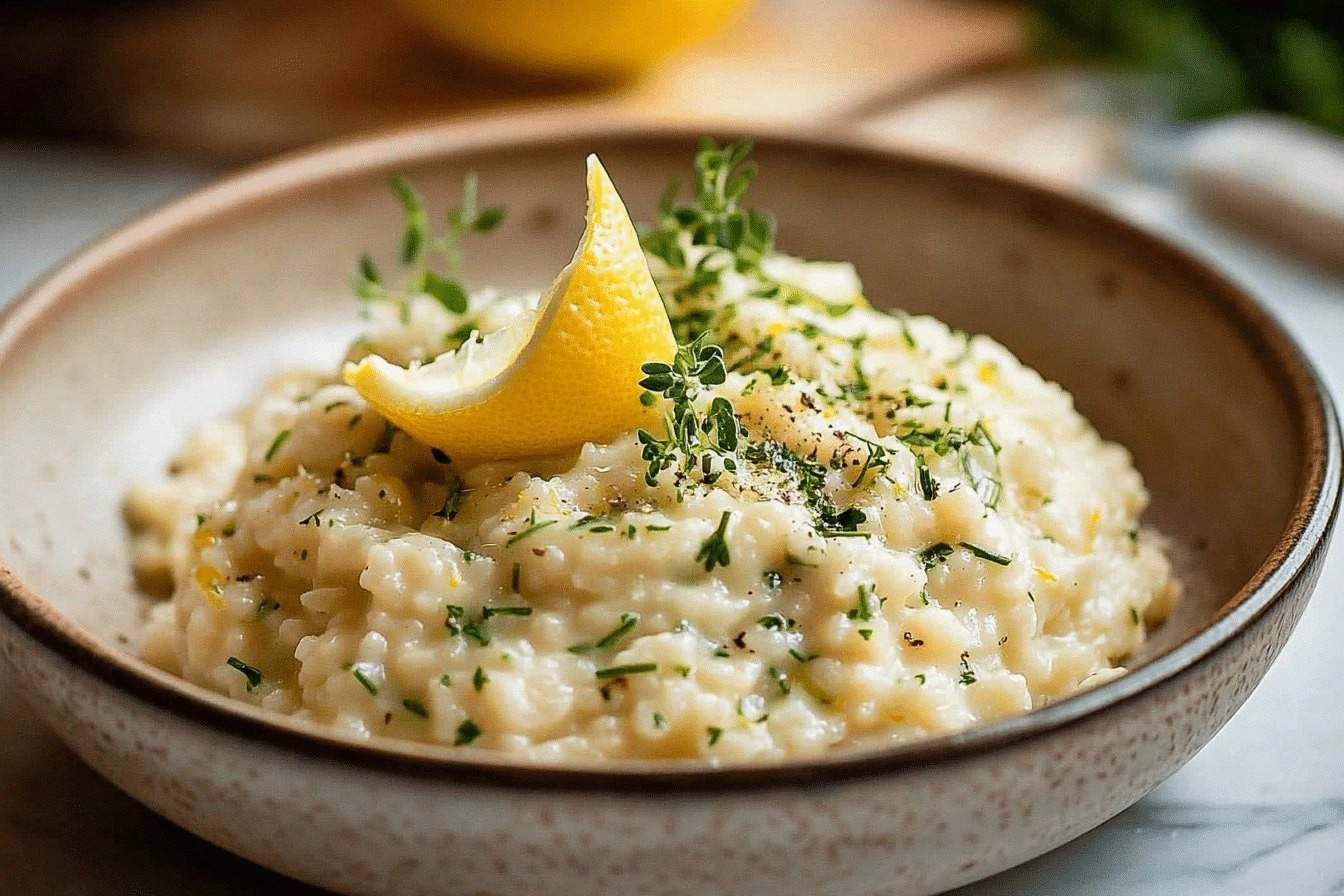
The Method — Step by Step
- Preheat your oven to 375°F (190°C). In a large, oven‑proof skillet, melt the butter and olive oil over medium heat until the mixture foams. Add the minced garlic and sauté for 30 seconds, letting the aroma permeate the air. This step ensures the base is fragrant before the rice enters the mix. Once the garlic is fragrant, you’ll know you’re on the right track.
- Add the Arborio rice to the skillet, stirring until each grain is coated with the butter‑oil mixture. Let the rice toast for about 2 minutes, watching it turn a light golden hue. This toasting step unlocks the starches, which are essential for the creamy texture. Don’t rush— the subtle caramelization is key to depth of flavor.
- Pour in the chicken broth and stir to combine, ensuring the liquid is evenly distributed. Allow the mixture to simmer for 3 minutes, then add the heavy cream and grated Parmesan. The sauce should begin to thicken, and the rice will start to absorb the liquid. Keep an eye on the mixture; if it looks too dry, add a splash more broth.
- Stir in the lemon zest, lemon juice, dried thyme, basil, and oregano. The citrus will brighten the dish, while the herbs will add layers of complexity. This is the moment of truth— the flavors should mingle beautifully. The aroma will become intoxicating, signaling that you’re close to perfection.
- Season with salt to taste and a pinch of black pepper. Sprinkle the fresh parsley over the top, then cover the skillet with foil. This foil seal locks in moisture and ensures even baking. The cover also helps the rice cook through without drying out.
- Place the skillet in the preheated oven and bake for 25 minutes. After 20 minutes, remove the foil to allow the top to brown slightly. The edges should start pulling away from the pan, signaling that the rice is almost done. This step gives the dish a delightful caramelized crust.
- Remove the skillet from the oven and let it rest for 5 minutes. The residual heat will finish cooking the rice, ensuring a perfectly al dente bite. While it rests, the flavors will meld, creating a harmonious taste profile. This brief pause is essential for achieving the ideal texture.
- Give the dish a final stir, then serve immediately. The sauce should be silky, the rice tender, and the lemon brightness should linger. Plate the dish in a shallow bowl to showcase the golden top, and garnish with extra parsley if desired. The presentation will make your guests swoon.
That’s it— you did it. But hold on, I’ve got a few more tricks that will elevate this dish to another level and keep you coming back for more. Let’s explore some insider tips that will make your kitchen a playground of flavor.
Insider Tricks for Flawless Results
The Temperature Rule Nobody Follows
Many cooks think a higher oven temperature will cook the rice faster, but the truth is a lower, steady heat is key. Baking at 375°F allows the rice to absorb liquid slowly, preventing the dreaded mushy texture. I once tried 425°F and ended up with a soggy mess— the bottom of the skillet browned too quickly, leaving the center undercooked. Stick to 375°F for a perfect balance of moisture and caramelization.
Why Your Nose Knows Best
Your sense of smell is a powerful guide during cooking. When the rice is halfway cooked, inhale the aroma; if you smell a faint, sweet citrus, the dish is ready for the next step. If the smell is too heavy on cream, add a splash of lemon juice to cut through the richness. Trust your nose— it’s your best ally in achieving the ideal flavor.
The 5-Minute Rest That Changes Everything
After removing the skillet from the oven, let the dish rest for exactly five minutes. This short pause allows the starches to re‑settle, giving the sauce a silky consistency. The rest also lets the flavors meld, creating a harmonious taste profile that’s more than the sum of its parts. I’ve seen people skip this step, and the result is a watery, under‑seasoned dish.
The Secret of the Foil Cover
Covering the skillet with foil traps steam, ensuring the rice cooks evenly and remains moist. Remove the foil only during the final 5 minutes to allow the top to brown. If you skip the foil, the rice will dry out and the top won’t develop that golden crust. The foil is your secret weapon for a perfect bake.
The Freshness Check
Always use fresh lemons for zest and juice; the flavor is crisp and bright. Fresh herbs bring a vibrant green color and a burst of flavor that dried herbs can’t match. If you’re using pre‑packaged herbs, make sure they’re not stale— a stale herb can taste bitter and ruin the dish.
The Final Touch of Parmesan
Sprinkle a thin layer of grated Parmesan over the top before baking for an extra golden crust. The cheese melts into a crisp, golden layer that adds texture and flavor. I’ve found that this simple addition transforms the dish from good to unforgettable. It’s a small step that yields big results.
Creative Twists and Variations
This recipe is a playground. Here are some of my favorite ways to switch things up:
Smoky Chipotle Twist
Add a teaspoon of chipotle powder to the rice mixture for a smoky kick that pairs beautifully with the lemon. The heat balances the citrus, creating a bold flavor profile. This version is perfect for those who love a little spice in their comfort food. Serve with a side of avocado for a creamy finish.
Creamy Mushroom Medley
Sauté sliced mushrooms with garlic before adding the rice; the earthy flavor complements the lemony sauce. Use a mix of button, cremini, and shiitake for depth. The mushrooms absorb the sauce, turning each bite into a savory delight. This variation is ideal for vegetarians and mushroom lovers alike.
Seafood Sensation
Fold in cooked shrimp or scallops during the final 5 minutes of baking. The seafood will steam in the creamy sauce, adding a luxurious texture. The lemon and herbs brighten the seafood flavor, creating a dish that feels like a fancy dinner. Pair with a crisp white wine for a complete experience.
Pesto Power
Replace the fresh parsley with a generous spoonful of basil pesto for an herbaceous burst. The pesto adds a nutty, slightly sweet flavor that enhances the lemon. This version is quick, as the pesto is already blended, saving time on chopping. It’s a great option for a busy weekday night.
Lemon‑Garlic Chicken
Sauté diced chicken breast with garlic and lemon zest before adding the rice mixture. The chicken absorbs the lemony sauce, creating a protein‑rich dish. This variation turns the risotto into a hearty main course, perfect for a family dinner. Serve with a side of roasted vegetables for a balanced meal.
Vegan Delight
Replace the heavy cream with coconut milk and use a vegan Parmesan substitute. The coconut milk adds a subtle tropical note that pairs well with the lemon. The dish remains creamy and comforting, but with a plant‑based twist. This version is ideal for vegans or those looking to reduce dairy.
Storing and Bringing It Back to Life
Fridge Storage
Cool the dish completely, then transfer to an airtight container. Store in the refrigerator for up to 3 days. The flavors will deepen, and the rice will remain tender. When reheating, add a splash of water or broth to loosen the sauce.
Freezer Friendly
Place the cooled dish in a freezer‑safe container and freeze for up to 2 months. Thaw overnight in the refrigerator before reheating. The texture stays creamy, and the lemon flavor remains bright. This is a great way to meal‑prep for busy weeks.
Best Reheating Method
Reheat in the oven at 350°F (175°C) for 15–20 minutes, adding a splash of water or broth halfway through to maintain moisture. Alternatively, microwave on medium power for 2–3 minutes, stirring halfway. The key is to keep the dish from drying out; a splash of liquid ensures it stays silky. Serve immediately for the best experience.