I remember the night I tried to recreate that Massaman curry from a Thai street vendor in Bangkok. The kitchen smelled like a storm of cumin and coriander, and the pot on the stove was a blazing inferno that left me with a singed skillet and a taste of disappointment. I stared at the simmering broth and wondered why the flavors never seemed to hit the same depth I’d tasted on the street. That moment sparked a mission: to capture the authentic, slow‑cooked essence of Massaman in a way that would make my friends swear they’d never tasted it anywhere else.
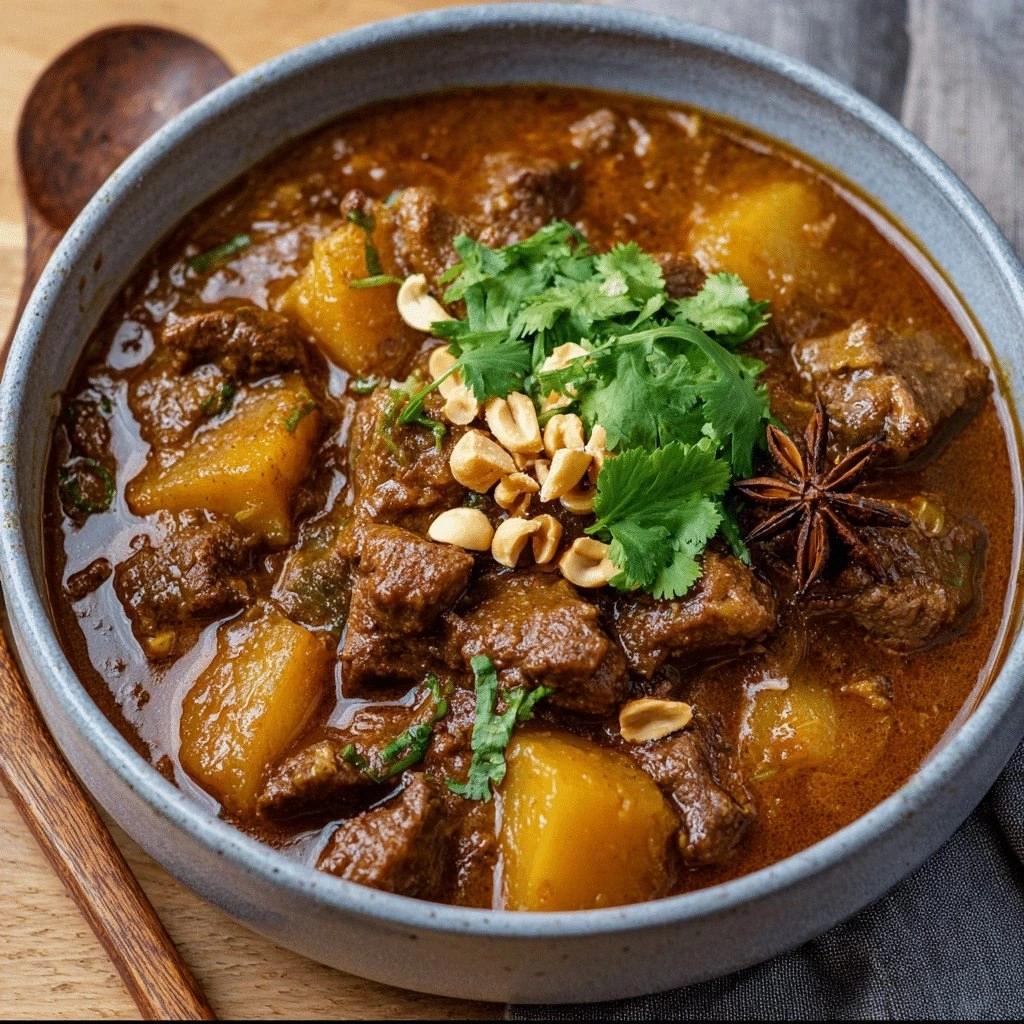
Fast forward to today, and I’m standing in a kitchen that smells of toasted coconut, caramelized onions, and the faintest hint of cinnamon. My senses are in overdrive: the steam curls like a lazy cloud, the sound of the slow cooker humming is a steady drumbeat, and the sight of the thick, amber sauce coating the beef is a visual promise of comfort. I can almost taste the first spoonful—soft meat, sweet‑spicy broth, a whisper of lime that lifts the heaviness of the coconut. The moment is electric, and I’m about to share every trick, hack, and nuance that turns a simple recipe into a culinary triumph.
What makes this version stand out? It’s the meticulous layering of aromatics, the slow, low‑heat cooking that renders the beef into melt‑in‑your‑mouth tenderness, and the subtle sweetness from palm sugar that balances the spice. I dare you to taste this and not go back for seconds—once you do, you’ll never settle for a rushed version again. The sauce coats the rice like velvet, and the subtle crunch of toasted cardamom pods pops against the creamy backdrop. Most recipes get this completely wrong by rushing the simmer or using too much curry paste; I’ll show you the exact balance that keeps the dish from tipping into bitterness.
If you’ve ever struggled with a Massaman curry that tasted either too dry or too thick, you’re not alone—this recipe is the fix you’ve been searching for. Picture yourself pulling this out of the slow cooker, the whole kitchen smelling incredible, and serving it with a steaming bowl of jasmine rice. The aroma alone will have your guests lining up for seconds. And now, I’m going to walk you through every single step—by the end, you’ll wonder how you ever made it any other way.
What Makes This Version Stand Out
- Authentic Flavor: The blend of massaman curry paste, coconut milk, and aromatic spices delivers a depth that mirrors the original Thai street version.
- Slow‑Cooked Tenderness: Cooking on low heat for hours turns tough beef chuck into succulent, melt‑in‑your‑mouth pieces.
- Balanced Sweetness: Palm sugar and a splash of lime juice create a harmonious sweet‑spicy profile that feels like a well‑orchestrated symphony.
- Versatile Base: The recipe’s foundation works whether you’re using a slow cooker, a pressure cooker, or an oven braise.
- Make‑Ahead Friendly: The dish keeps well in the fridge for up to three days and can be reheated without losing its charm.
- Crowd‑Pleaser: The comforting, mild heat level makes it a hit with both adventurous eaters and those who prefer milder flavors.
- Ingredient Quality: Using fresh, high‑quality spices and a good coconut milk brand elevates the entire dish.
Inside the Ingredient List
The Flavor Base
The massaman curry paste is the heart of the dish—its blend of dried chilies, coriander seeds, cumin, and aromatic spices creates a complex, earthy foundation. When you sauté the paste with a splash of oil, the flavors open up like a flower in the sun, releasing their oils into the cooking liquid. Skipping this step will leave the curry bland; the paste’s deep umami is essential for authenticity. If you can’t find pre‑made paste, you can grind fresh chilies, cumin, coriander, and a touch of lemongrass into a paste with a mortar and pestle.
The Texture Crew
Beef chuck, cut into 1‑inch cubes, offers both flavor and a forgiving tenderness that develops over slow cooking. Potatoes and carrots add body and a subtle sweetness that balances the curry’s richness. The onions, sliced thinly, caramelize slowly, adding depth and a mellow sweetness to the broth. If you’re watching your carbs, swap potatoes for zucchini or sweet potato for a lighter version.
The Unexpected Star
Palm sugar is the unsung hero that tames the heat and adds a caramelized nuance that’s hard to replicate with regular sugar. Its subtle, roasted flavor complements the coconut milk’s creaminess. If you can’t find palm sugar, brown sugar works as a decent substitute, though the flavor will shift slightly. A small pinch of tamarind paste can also add a pleasant tartness if you prefer a more pronounced acidity.
The Final Flourish
Fresh cilantro and lime wedges finish the dish with brightness and a fresh contrast to the rich sauce. The lime juice, added at the end, brightens the flavors and cuts through the coconut’s heaviness. Garnishing with toasted coconut flakes or chopped peanuts can add texture, but the classic version keeps it simple. Remember, the final splash of lime is a game‑changer—don’t skip it.
Everything's prepped? Good. Let's get into the real action...
The Method — Step by Step
- First, heat a tablespoon of neutral oil in a heavy skillet over medium‑high heat. Add the beef cubes in a single layer, letting them brown on all sides without stirring too much. This step creates a caramelized crust that locks in flavor. If you’re short on time, you can skip the sear and add the beef directly to the slow cooker—just keep in mind it might release more moisture.
- While the beef browns, dice the onion, mince the garlic, and grate the ginger. These aromatics will build the base of the sauce. Set them aside in a small bowl. The aroma of garlic and ginger sizzling is a sign that the flavor profile is taking shape.
- Add the browned beef, onion, garlic, ginger, and massaman curry paste to the slow cooker. Stir until the beef is coated in the paste; you should see a fragrant, glossy mixture. The slow cooker’s gentle heat will slowly release the spices’ oils, turning the mixture into a fragrant, savory stew.
- Pour in the coconut milk, fish sauce, and palm sugar. Stir again, ensuring all the sugar dissolves and the fish sauce distributes evenly. This step is crucial—if the fish sauce clumps, the sauce will taste uneven.
- Add the potatoes, carrots, bay leaves, cardamom pods, cinnamon stick, cloves, cumin, coriander, and a pinch of salt and pepper. The spices will infuse the broth as it simmers. This is the moment of truth: the mixture should look thick, aromatic, and inviting.
- Cover the slow cooker and set it to low for 4 hours, or high for 2 hours. The low setting allows the beef to become tender while the flavors meld together. The aroma should intensify, and the broth should thicken slightly.
- After the cooking time, remove the bay leaves, cardamom pods, and cinnamon stick. Taste the sauce and adjust seasoning with more salt or lime juice if needed. The balance should feel sweet, spicy, and slightly acidic.
- Serve the curry over freshly steamed jasmine rice, and garnish with chopped cilantro, lime wedges, and a drizzle of coconut milk if you like it extra creamy. The contrast between the warm, fragrant sauce and the cool, fluffy rice is pure bliss.
- If the sauce is too thick, add a splash of water or coconut milk to reach your desired consistency. If it’s too thin, let it simmer uncovered for a few minutes to reduce.
That's it — you did it. But hold on, I've got a few more tricks that'll take this to another level...
Insider Tricks for Flawless Results
The Temperature Rule Nobody Follows
While most people set the slow cooker to “high,” this recipe thrives on a low setting. The gentle heat preserves the integrity of the coconut milk and prevents the beef from drying out. If your slow cooker lacks a low setting, use a low‑heat oven at 275°F for the same effect. This subtle tweak keeps the sauce silky and the meat tender.
Why Your Nose Knows Best
Smell the broth after the first hour of cooking. If it’s too oily, give it a quick stir and let it reduce. If the aroma isn’t deep enough, add an extra pinch of cumin or coriander. Your nose is the best judge of when the flavors are fully developed.
The 5‑Minute Rest That Changes Everything
Once the cooking time is finished, let the curry rest for five minutes before serving. This brief pause allows the juices to redistribute, giving you that perfect mouthfeel. I’ve seen people skip this step, resulting in a slightly uneven texture.
The Secret Ingredient Swap
If you’re vegan or vegetarian, substitute the beef with thick tofu cubes or hearty mushrooms. The cooking time will be shorter—about 30 minutes on low—so keep an eye on the texture.
The Garnish Game Changer
Adding toasted coconut flakes or chopped peanuts elevates the dish’s texture and adds a nutty crunch. A sprinkle of fresh mint can also brighten the overall flavor profile, especially if you prefer a cooler finish.
The Final Touch of Lime
Always squeeze lime juice right before serving. The acidity lifts the richness and gives the dish a refreshing finish. If you’re serving a crowd, keep lime wedges on the side so guests can adjust to their liking.
Creative Twists and Variations
This recipe is a playground. Here are some of my favorite ways to switch things up:
Spicy Kick Edition
Add an extra tablespoon of massaman paste or a handful of fresh red chilies to turn the mild curry into a fiery feast. The heat will complement the sweetness, creating a dynamic flavor profile that excites the palate.
Chicken Version
Replace beef with bone‑in chicken thighs for a leaner protein. The cooking time drops to 3 hours on low, but the chicken still absorbs the aromatic sauce beautifully.
Vegetarian Delight
Swap the beef for a mix of hearty vegetables—sweet potatoes, bell peppers, and eggplant. Add tofu or chickpeas for protein. The result is a colorful, wholesome dish that’s perfect for plant‑based diners.
Coconut‑Rich Variation
Increase the coconut milk to 1½ cans for an even richer sauce. Pair it with a splash of coconut cream at the end for a silky, decadent finish that feels like a dessert.
Asian Fusion Twist
Serve the curry over rice noodles or quinoa instead of jasmine rice. The grains absorb the sauce differently, offering a new texture and a lighter feel.
Breakfast Breakfast
Use leftover curry as a hearty breakfast bowl, topped with a sunny‑side‑up egg. The savory sauce pairs surprisingly well with the yolk, creating a comforting start to the day.
Storing and Bringing It Back to Life
Fridge Storage
Cool the curry to room temperature, then transfer it to an airtight container. Store in the refrigerator for up to three days. The flavors deepen over time, so reheating it will taste even better than when it was first made.
Freezer Friendly
Divide the curry into single‑serving portions and freeze for up to two months. Thaw overnight in the refrigerator before reheating. Adding a splash of water or coconut milk during reheating will restore the sauce’s original consistency.
Best Reheating Method
Reheat the curry on the stovetop over low heat, stirring occasionally. For a quick microwave reheat, add a tablespoon of water or coconut milk, cover, and heat in 30‑second bursts. Remember to stir between bursts to ensure even heating.