Picture this: the kitchen is a battlefield, the stove a volcano, and you, a culinary warrior, armed with nothing but a few pantry staples and a burning desire to outdo your own taste buds. I was in the midst of a frantic dinner prep, juggling a pot of pasta, a simmering sauce, and a frantic phone call when my eyes landed on a pack of fresh salmon that had just arrived from the market. The fillets glistened like polished jade, begging for a quick, unforgettable transformation. That moment sparked a culinary epiphany that would eventually become the “Healthy Sesame Ginger Salmon” that I’m about to unveil.
It started with a simple craving for something bright, aromatic, and utterly satisfying. I imagined the salmon’s buttery flesh kissed by the warm, nutty fragrance of toasted sesame, the zing of fresh ginger slicing through a drizzle of honey, and the subtle umami of soy sauce dancing with a splash of rice vinegar. The scent alone was a siren call—sweet, salty, slightly acidic, and unmistakably inviting. I could almost hear the sizzle of the pan, the gentle crackle as the oil warmed, and the faint pop of garlic as it hit the heat. My senses were already in full bloom, and the anticipation was palpable.
Most people settle for the standard “pan‑fry salmon” routine, but that’s where the real disappointment lies. The fish often turns out dry, the glaze too sweet or too salty, and the entire dish feels like a missed opportunity. I’ve seen countless attempts—salmon coated in a thick honey glaze that sticks to the pan, or a soy‑based sauce that overwhelms the delicate flavor. I’ve also witnessed the frustration of trying to balance the sauce’s thickness, the fish’s tenderness, and the final plating. In my version, I’ve cracked the code to achieve a silky, caramelized crust, a moist interior, and a sauce that clings to each bite like a velvet blanket.
The secret lies in a meticulous layering of flavors, a precise timing of each step, and a dash of culinary intuition. I’ll walk you through every single step, from selecting the freshest fillets to the final garnish that adds a pop of color and crunch. By the end, you’ll wonder how you ever made salmon any other way. I dare you to taste this and not go back for seconds. Let’s dive in.
What Makes This Version Stand Out
- Flavor: The combination of soy, sesame, honey, and ginger creates a harmonious balance that elevates the salmon’s natural taste without overpowering it.
- Texture: The pan sears to a crisp, caramelized edge while keeping the inside silky and moist, a contrast that delights every bite.
- Ingredient Quality: Fresh ginger, high‑grade soy sauce, and real honey give depth and authenticity to the dish.
- Time Efficiency: The entire process takes less than an hour from start to finish, making it perfect for busy weeknights.
- Make‑Ahead Potential: The sauce can be pre‑made, and the salmon can be marinated overnight to deepen the flavors.
- Visual Appeal: The glossy glaze, toasted sesame seeds, and bright green onions create a dish that looks as good as it tastes.
- Health Conscious: Packed with omega‑3 fatty acids, essential minerals, and a balanced mix of macros.
- Versatility: Works wonderfully with rice, quinoa, or a fresh salad, allowing you to tailor it to any meal plan.
Alright, let’s break down exactly what goes into this masterpiece. I’ll share the ingredients, the science behind each component, and why you’ll want to keep them on hand for future culinary adventures.
Inside the Ingredient List
The Flavor Base
Soy Sauce (¼ cup): This isn’t just a seasoning; it’s the backbone of the sauce. Soy sauce provides umami depth and a savory anchor that balances the sweetness of honey and the acidity of rice vinegar. If you skip it, the glaze loses its complex character and becomes one-dimensional. For a lighter version, opt for low‑sodium soy or tamari, but keep the ratio to maintain flavor harmony. When shopping, look for a dark, aged variety that has a richer, deeper taste profile.
The Texture Crew
Sesame Oil (1 tbsp): This oil isn’t just for frying; it infuses the salmon with a nutty aroma that elevates every bite. The subtle heat of the oil also helps caramelize the surface, creating a crisp exterior. If you’re watching your calorie count, a drizzle of neutral oil can replace it, but you’ll miss that signature nutty note. When purchasing, choose toasted sesame oil for its intense flavor, but be mindful of its strong profile—it can dominate if overused.
The Unexpected Star
Fresh Ginger (1 tbsp): Ginger adds a bright, peppery kick that cuts through the richness of the salmon. It also offers anti‑inflammatory benefits and a subtle heat that lingers on the palate. If you can’t find fresh ginger, a teaspoon of ginger paste works, but it lacks the crispness of minced ginger. When selecting ginger, choose firm, smooth pieces with a pleasant aroma—avoid any with brown spots or soft spots.
The Final Flourish
Sesame Seeds (1 tsp): Toasted sesame seeds provide a nutty crunch that contrasts the silky fish. They also add a subtle visual pop, making the dish look professionally plated. If you’re allergic, you can omit them or replace them with chopped toasted almonds for a different crunch. Toast the seeds lightly in a dry pan until golden before adding them to the final dish.
Everything's prepped? Good. Let’s get into the real action.
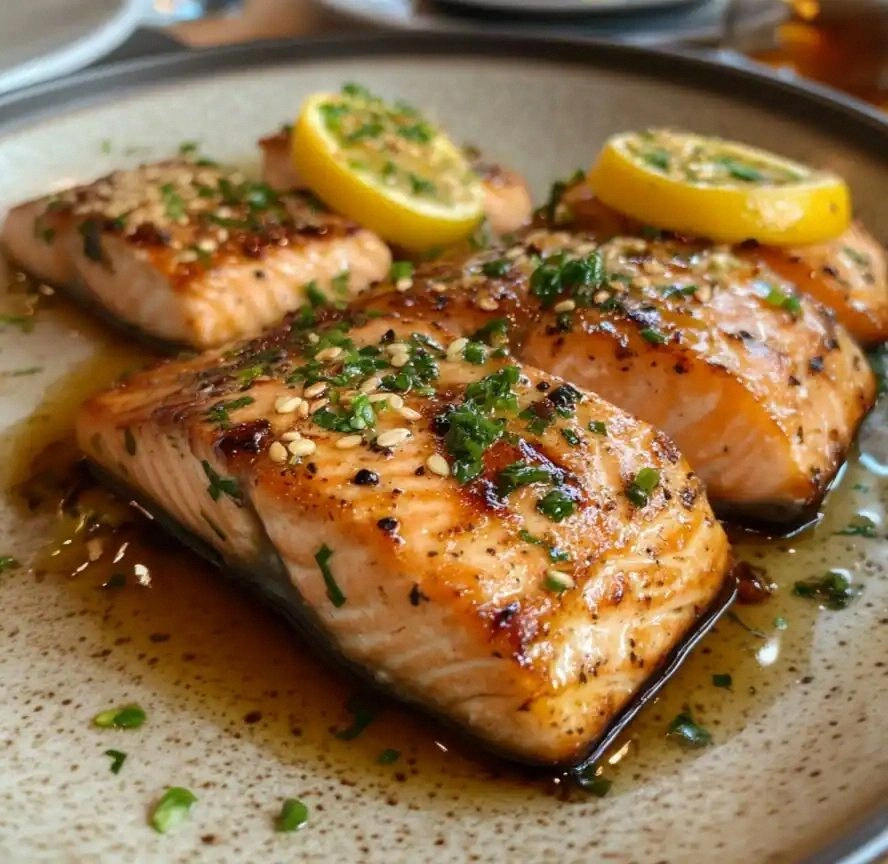
The Method — Step by Step
- Step 1: Marinate the Salmon. Pat the salmon fillets dry with paper towels. In a shallow dish, whisk together soy sauce, sesame oil, honey, rice vinegar, minced ginger, minced garlic, and a splash of water to thin the mixture slightly. Gently coat each fillet, ensuring every surface is glazed. Cover and refrigerate for at least 15 minutes—ideally 30—to let the flavors meld. This brief marination intensifies the glaze without overpowering the fish.
- Step 2: Prepare the Pan. Heat a non‑stick skillet over medium‑high heat. Add a small splash of neutral oil (vegetable or canola) to prevent sticking. Once the oil shimmers, it’s time to lay the fillets in. The sizzle should be audible—this is the cue that the pan is hot enough to sear. Place the fillets skin‑side down if they have skin; otherwise, just lay them flat.
- Step 3: Sear the Fillets. Let the salmon cook undisturbed for about 4–5 minutes, until the underside turns golden and a crust forms. Avoid flipping too early; the natural release of the fish from the pan signals readiness. Use a spatula to gently lift one edge—if it slides off easily, the sear is complete. This step locks in moisture and builds that coveted caramelized texture.
- Step 4: Flip and Glaze. Flip the fillets carefully. Spoon a generous amount of the remaining sauce over the top, ensuring each fillet is coated. Reduce the heat to medium, allowing the sauce to simmer and thicken slightly. The glaze should coat the fillets like a glossy coat of lacquer, not drip. This is the moment of truth—watch the sauce caramelize as it reduces.
- Step 5: Finish Cooking. Cook for an additional 3–4 minutes, or until the salmon flakes easily with a fork. The internal temperature should reach 145°F (63°C). The sauce will thicken to a silky consistency, coating the fish like a velvet blanket. The aroma at this point will be intoxicating—sweet, salty, and slightly citrusy.
- Step 6: Add Final Touches. Sprinkle the toasted sesame seeds and finely sliced green onions over the fillets. The seeds add a subtle crunch, while the green onions provide a fresh, sharp contrast. If desired, drizzle a tiny splash of sesame oil for extra shine. This finishing touch turns a good dish into a memorable one.
- Step 7: Plate with Pride. Transfer the salmon to a warm plate, spooning any remaining glaze over the top. Serve immediately with steamed rice, quinoa, or a crisp salad. The dish is best enjoyed hot, as the glaze is at its most luscious when freshly plated.
- Step 8: Garnish and Serve. Add a final sprinkle of chopped green onions for color and a burst of freshness. A wedge of lime on the side adds a bright citrus note that cuts through the richness. Present the dish with confidence—this is the kind of meal that turns ordinary evenings into extraordinary feasts.
That’s it—you did it. But hold on, I’ve got a few more tricks that will take this to another level.
Insider Tricks for Flawless Results
The Temperature Rule Nobody Follows
Many cooks believe that high heat is the key to a perfect sear, but it’s actually about balance. Start at medium‑high to create a crust, then lower to medium to finish cooking. This prevents the exterior from burning while the interior remains juicy. I’ve tried the opposite—high heat all the way—and the result was a scorched outside and a raw center. Keep the heat steady and let the salmon do its work.
Why Your Nose Knows Best
Trust your nose during the cooking process. As the sauce reduces, its aroma will shift from sweet to caramelized. When you smell the sweet, slightly smoky scent, you know the glaze is ready to coat the fish. Skipping this step can result in a sauce that’s either too runny or overly thick. My friend once tried to skip the aroma check, and the sauce ended up clumping on the pan—lesson learned!
The 5‑Minute Rest That Changes Everything
After the salmon finishes cooking, let it rest for five minutes before slicing. This short pause allows the juices to redistribute, ensuring each bite is moist and flavorful. Cutting into the fish immediately can cause the juices to escape, leaving the fillet dry. I’ve seen even seasoned chefs forget this step, only to be disappointed by the lack of moisture in the final dish.
The Sweet‑Savory Balance
If you prefer a sweeter glaze, add an extra tablespoon of honey. Conversely, if you’re watching your sugar intake, reduce the honey by half and increase the soy sauce slightly to maintain the umami balance. The key is to taste the sauce before coating the fillets. A small spoonful of the glaze should hit all the right notes—sweet, salty, acidic, and aromatic.
The Green Onion Boost
Green onions add a bright, fresh flavor that cuts through the richness of the salmon. Slice them thinly to distribute their sharpness evenly across the dish. If you’re looking for a more pronounced bite, sprinkle the green onions on top before serving. They also add a subtle crunch that enhances the overall texture profile.
Creative Twists and Variations
This recipe is a playground. Here are some of my favorite ways to switch things up:
Spicy Sriracha Twist
Add a tablespoon of sriracha to the sauce for a fiery kick. The heat pairs beautifully with the sweetness of honey and the nutty sesame oil, creating a balanced, spicy glaze. This variation is perfect for those who love a bit of heat in every bite.
Citrus Zest Variation
Incorporate a tablespoon of freshly grated lemon or lime zest into the glaze. The citrus adds brightness and a subtle tartness that lifts the dish. Serve with a wedge of lime on the side for an extra pop of freshness.
Miso‑Infused Sauce
Replace half the soy sauce with white miso paste for a richer, earthier flavor. Miso adds depth and a slight saltiness that complements the honey. This version is especially good when paired with steamed bok choy or sautéed greens.
Teriyaki Glaze Swap
Use a store‑bought teriyaki sauce instead of the homemade glaze for a quick fix. The result is a sweeter, thicker sauce that still maintains the sesame and ginger notes. This is ideal for busy weeknights when you need a fast solution.
Pineapple Heat
Add diced pineapple to the pan during the last minute of cooking. The pineapple’s natural sugars caramelize, creating a sweet glaze with a hint of tropical heat. This variation is a crowd‑pleaser at family gatherings and parties.
Storing and Bringing It Back to Life
Fridge Storage
Cool the salmon to room temperature, then store it in an airtight container for up to 2 days. The glaze will thicken slightly in the fridge, so you may want to reheat it gently to restore its glossy consistency. Keep the container in the coldest part of the fridge to maintain freshness.
Freezer Friendly
For longer storage, wrap each fillet individually in plastic wrap and place them in a freezer bag. Freeze for up to 3 months. When ready to use, thaw overnight in the fridge, then reheat gently in a skillet with a splash of water to keep the fish moist.
Best Reheating Method
Reheat the salmon in a non‑stick skillet over low heat, adding a splash of water or broth to prevent drying. Alternatively, microwave on low power for 30–45 seconds, then finish in the skillet to crisp the glaze. A tiny splash of water before reheating steams the fish back to perfection, restoring its silky texture.