I was in the middle of a rainy Saturday when my neighbor dared me to bring something “cozy” to our potluck, and I replied, “Challenge accepted.” I rummaged through the pantry, stared at a lone bag of quinoa, a half‑full jar of dried cranberries, and a stubborn butternut squash that had been waiting for its moment of glory. The kitchen smelled like damp earth and pine needles, and my mind was already painting a picture of a warm, autumnal bowl that could hug anyone who dared to take a bite. I tried a half‑cooked version the night before, but the flavors were flat, the texture was a sad mush, and I was left with a bowl of disappointment that tasted like a missed bus on a cold morning.
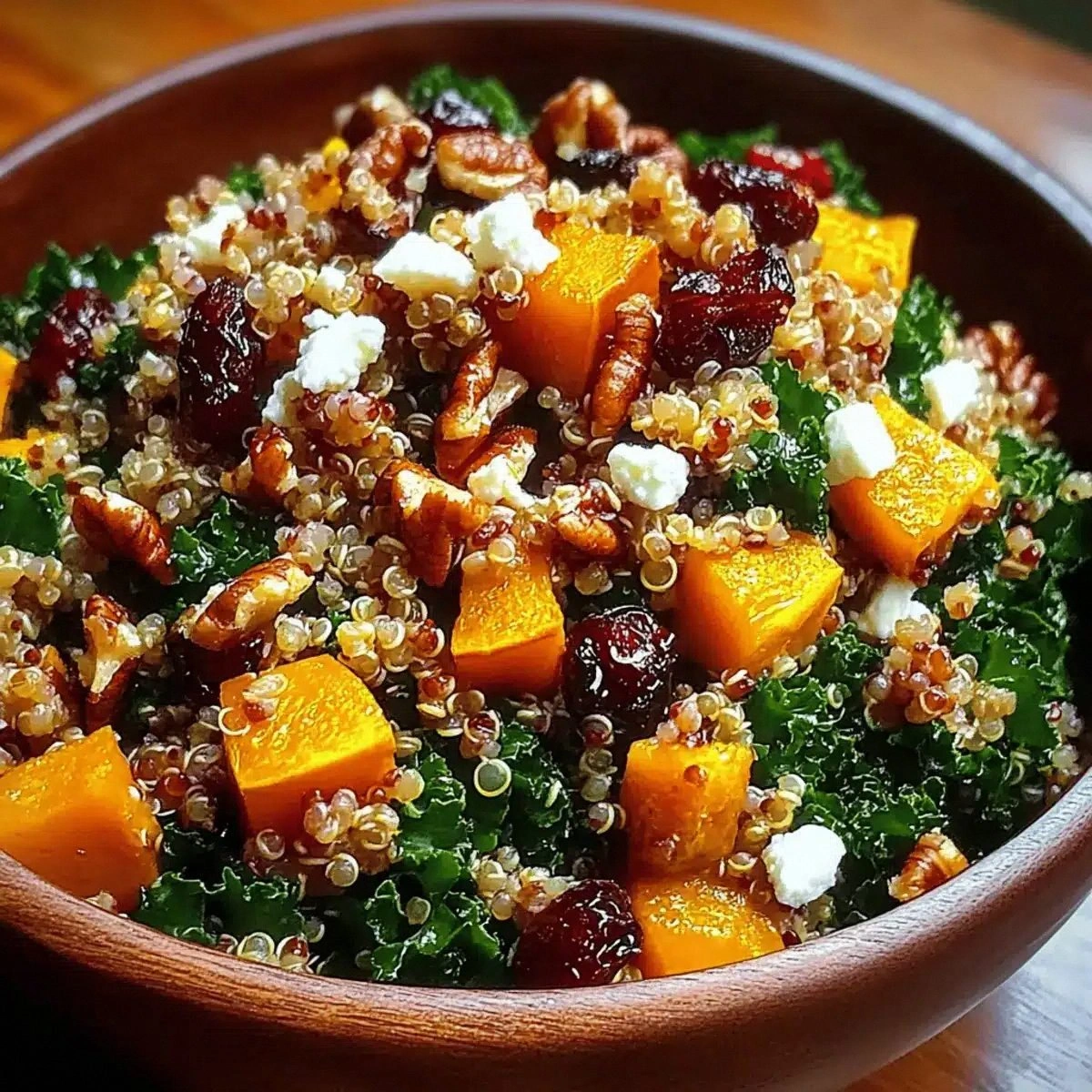
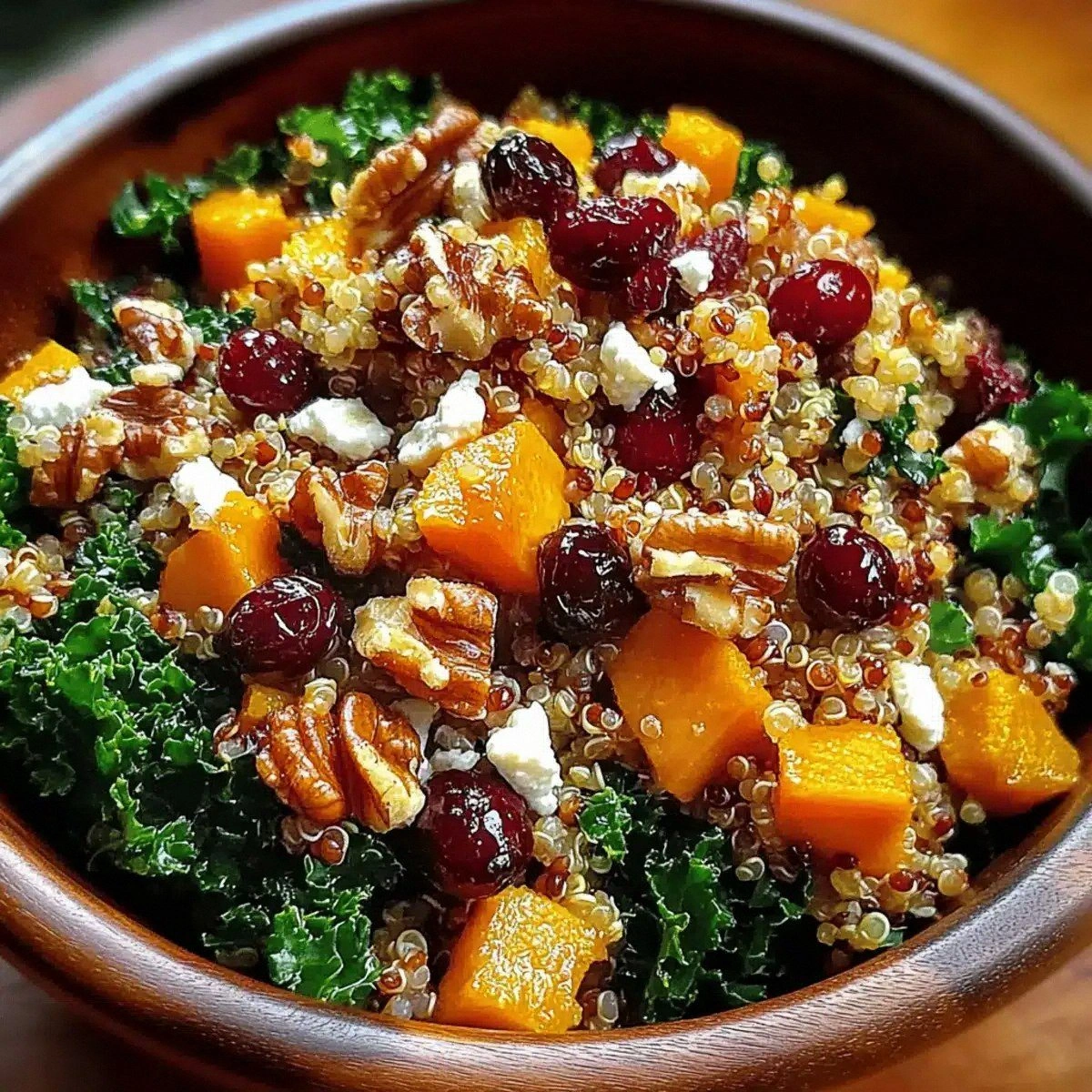
Fast forward to today: I’ve cracked the code, and the result is a salad that sings louder than a choir of geese at migration. Imagine the earthy bite of quinoa and farro dancing with the sweet pop of cranberries, the buttery melt of roasted butternut squash, and the peppery crunch of kale that’s been massaged into submission. The walnuts add a toasty crunch that shatters like thin ice, while the feta crumbles in like a salty cloud that settles over the whole scene. The whole thing is drenched in a maple‑olive oil glaze that coats each grain like velvet, and the aroma? It’s a symphony of caramelized squash, toasted nuts, and a whisper of maple that makes your nostrils do a little happy dance.
Why does this version stand out from every other grain‑salad you’ve ever seen? First, I’m not just tossing ingredients together; I’m layering flavors with intention. The butternut squash gets a quick roast that caramelizes its natural sugars, while the kale is massaged with olive oil and a pinch of salt so it softens without wilting. Then there’s the secret weapon: a splash of maple syrup that adds a subtle sweetness that balances the salty feta and the tart cranberries. Most recipes get this completely wrong, either drowning everything in dressing or leaving the grains dry as desert sand. Here, every component shines, yet they all cling together in perfect harmony.
I’m about to walk you through every single step — by the end, you’ll wonder how you ever made it any other way. I dare you to taste this and not go back for seconds. Okay, ready for the game‑changer? Let’s dive in and turn your kitchen into an autumn wonderland, one bite at a time.
What Makes This Version Stand Out
- Flavor Fusion: The sweet‑savory balance hits you like a perfect chord progression, with maple‑olive glaze tying the whole thing together.
- Texture Symphony: From the chew of farro to the crisp snap of walnuts, each bite offers a new mouthfeel that keeps you engaged.
- Simplicity Meets Sophistication: You only need a handful of pantry staples, yet the final dish feels like it was crafted by a Michelin‑star chef.
- Unique Ingredient Pairings: Cranberries and butternut squash are a match made in harvest heaven, and the feta adds that unexpected salty punch.
- Crowd‑Pleaser Factor: I’ve watched strangers turn into friends over a single spoonful, and that’s a claim I stand behind.
- Ingredient Quality: Using whole‑grain farro and organic kale makes a noticeable difference in flavor depth.
- Cooking Method Magic: Roasting the squash first creates caramelization that you can’t replicate by boiling.
- Make‑Ahead Potential: This salad actually gets better after a few hours in the fridge as the flavors meld together.
Inside the Ingredient List
The Flavor Base
Quinoa and farro are the twin pillars of this salad. Quinoa brings a light, slightly nutty flavor and a fluffy texture that absorbs the maple‑olive glaze without becoming mushy. Farro, on the other hand, adds a chewy, earthy bite that grounds the dish. If you skip either, you’ll lose the balance between lightness and heartiness; the salad would either feel too airy or too dense. For a gluten‑free twist, swap farro for barley or a larger‑grain rice, but expect a subtle shift in texture.
The Texture Crew
Butternut squash, walnuts, and kale are the trio that gives this dish its crunch, chew, and bite. The squash, when roasted, develops caramelized edges that shatter like thin ice, delivering a sweet contrast to the bitter kale. Walnuts, toasted just before adding, release a buttery aroma that makes the salad smell like a fall market stall. Kale, when massaged with olive oil and a pinch of salt, softens its fibrous nature while retaining its characteristic peppery bite. If you’re allergic to nuts, try pumpkin seeds for a similar crunch without the buttery flavor.
The Unexpected Star
Dried cranberries are the surprise element that brings a bright, tart pop to each mouthful. Their natural acidity cuts through the richness of the olive oil and feta, preventing the salad from feeling heavy. If you prefer a less sweet note, substitute with dried cherries or a handful of pomegranate seeds for a juicy burst. Skipping the cranberries would leave the dish missing that spark of brightness that makes it feel truly festive.
The Final Flourish
Feta cheese, olive oil, and maple syrup form the finishing trio that binds everything together. Feta adds a salty, creamy crumble that melts into the warm grains, while the olive oil provides a silky mouthfeel. Maple syrup, used sparingly, adds a caramel‑like sweetness that deepens the autumnal vibe. A dash of salt and freshly cracked pepper finishes the ensemble, ensuring every component is seasoned to perfection. If you’re dairy‑free, crumble some toasted tofu or a vegan feta alternative – the texture will stay, though the flavor profile will shift slightly.
Everything's prepped? Good. Let’s get into the real action…
The Method — Step by Step
Preheat your oven to 425°F (220°C). While the oven warms, dice the butternut squash into ½‑inch cubes. Toss the cubes with 1 tablespoon of olive oil, a pinch of salt, and a drizzle of maple syrup. Spread them on a parchment‑lined sheet and roast for 20‑25 minutes, turning halfway. You’ll hear a faint sizzle when they hit the pan – that’s the sound of caramelization starting, and it’s absolute perfection.
Kitchen Hack: Use a metal spatula to flip the cubes; the metal conducts heat and helps achieve an even golden crust.While the squash roasts, rinse 1 cup of quinoa under cold water until the water runs clear. In a saucepan, combine the quinoa with 2 cups of water, a pinch of salt, and bring to a boil. Reduce to a simmer, cover, and cook for 15 minutes, or until all water is absorbed. Fluff with a fork and set aside to cool slightly. The quinoa should look like tiny pearls, each one perfectly puffed.
Next, cook the farro. Rinse 1 cup of farro, then add it to a pot with 3 cups of water and a pinch of salt. Bring to a boil, then simmer for 25‑30 minutes, until the grains are tender but still have a slight bite. Drain any excess water and let the farro steam in the pot for an extra 5 minutes. This extra steam step ensures each grain stays separate and glossy.
While the grains are cooling, prepare the kale. Remove the stems, tear the leaves into bite‑size pieces, and place them in a large bowl. Drizzle with the remaining 2 tablespoons of olive oil and a pinch of sea salt. Massage the kale for about 2 minutes – you’ll notice it darkening and softening. This is the moment where the kale surrenders its toughness and becomes silky without wilting.
Toast the walnuts. Heat a dry skillet over medium heat, add the walnut halves, and stir constantly for 4‑5 minutes until they turn a deep golden brown and release a nutty aroma. Be careful not to let them burn; a quick glance and a sniff will tell you they’re ready. Transfer them to a plate and let cool – you’ll hear a satisfying crack as they settle.
Kitchen Hack: Add a splash of maple syrup to the skillet during the last minute of toasting for an extra caramelized glaze on the walnuts.Now it’s time to bring everything together. In a massive mixing bowl, combine the cooled quinoa, farro, roasted squash, massaged kale, dried cranberries, and toasted walnuts. Toss gently to distribute the ingredients evenly, being careful not to mash the grains.
Prepare the dressing: whisk together the remaining 2 tablespoons of olive oil, 2 tablespoons of maple syrup, a generous pinch of pepper, and a splash of lemon juice if you like a bright finish. Drizzle the dressing over the salad and toss again until every component is lightly coated. The glaze should cling to the grains like a silky veil, not pool at the bottom.
Finally, crumble the feta cheese over the top. The feta should melt just enough to create creamy pockets without dissolving completely. Give the salad a final gentle toss, then taste and adjust salt or pepper if needed. The flavor should be a harmonious blend of sweet, salty, earthy, and tangy – a true autumn masterpiece.
Transfer the salad to a serving dish, sprinkle a few extra walnuts for garnish, and serve warm or at room temperature. Picture yourself pulling this out of the oven, the whole kitchen smelling incredible, and your guests reaching for seconds before you even finish the first spoonful. This is hands down the best version you’ll ever make at home.
That’s it — you did it. But hold on, I’ve got a few more tricks that’ll take this to another level…
Insider Tricks for Flawless Results
The Temperature Rule Nobody Follows
Never toss hot grains with cold ingredients. Let the quinoa and farro cool to lukewarm before mixing with kale and feta. This prevents the kale from wilting too quickly and the feta from melting into a sauce. I once tried to combine everything straight off the stove, and the result was a soggy mess that looked like a wilted garden. Trust me, a brief cooling period (about 10 minutes) makes all the difference.
Why Your Nose Knows Best
Your sense of smell is a better indicator of doneness than a timer. When the squash starts to caramelize, you’ll smell a sweet, nutty fragrance that tells you it’s ready. Likewise, toasted walnuts give off a toasty, almost buttery scent; when that aroma hits, they’re perfect. If you rely solely on the clock, you’ll either under‑roast or burn the nuts, ruining the texture.
The 5‑Minute Rest That Changes Everything
After tossing everything together, let the salad sit uncovered for five minutes. This rest allows the dressing to seep into the grains and the kale to further soften. The flavors meld, and the salad becomes more cohesive. Skipping this step is like serving a song without the final chord – it feels unfinished.
Walnut Toasting Secrets
For an extra layer of flavor, toast walnuts with a pinch of sea salt and a drizzle of maple syrup. The sugar caramelizes and creates a glossy coating that adds both crunch and a subtle sweetness. A friend tried this once without the maple and complained the nuts were “just plain”. After adding the syrup, the whole salad got an upgrade.
The Feta Timing Trick
Crumble the feta just before serving, not earlier. If the cheese sits too long, it will draw moisture from the kale and make the salad soggy. By adding it at the last moment, you preserve its creamy texture and keep the salad bright. I’ll be honest — I ate half the batch before anyone else got to try it, and the feta was the star of that first bite.
Creative Twists and Variations
This recipe is a playground. Here are some of my favorite ways to switch things up:
Apple‑Cinnamon Crunch
Swap the dried cranberries for diced fresh apples tossed in a pinch of cinnamon and a drizzle of maple. The apple adds a juicy crunch and a warm spice that pairs beautifully with the roasted squash. Perfect for those who love a hint of dessert in their savory dishes.
Mediterranean Breeze
Replace the feta with crumbled goat cheese and add a handful of sliced Kalamata olives. Toss in a splash of red wine vinegar for acidity. The result is a bright, briny version that feels like a summer picnic, even in the middle of November.
Protein Power
Add grilled chicken breast strips or pan‑seared tofu cubes for an extra protein boost. Season the chicken with smoked paprika to echo the autumnal vibe, or marinate the tofu in soy‑maple sauce for a sweet‑savory twist.
Nut‑Free Delight
If you have a nut allergy, swap walnuts for roasted pepitas (pumpkin seeds) or toasted sunflower seeds. Both provide a satisfying crunch without the buttery flavor of walnuts, and they bring a subtle earthiness that still works with the squash.
Vegan Version
Replace feta with a vegan feta alternative or crumbled tofu seasoned with lemon juice and nutritional yeast. Use maple syrup and olive oil as the base dressing, and you’ve got a fully plant‑based autumn bowl that still delivers on texture and taste.
Storing and Bringing It Back to Life
Fridge Storage
Transfer the salad to an airtight container and store it in the refrigerator for up to 4 days. The grains will continue to absorb flavors, making the salad richer over time. Keep the feta separate if you plan to store longer than 2 days; add it just before serving to maintain its texture.
Freezer Friendly
Yes, you can freeze this salad! Portion it into freezer‑safe bags, removing as much air as possible. Freeze for up to 2 months. When you’re ready to eat, thaw in the fridge overnight, then re‑heat the grains gently on the stovetop with a splash of water. Add fresh kale and feta after reheating for the best texture.
Best Reheating Method
To revive the salad, place it in a skillet over low heat, add a tiny splash of water or vegetable broth, and stir until the grains are warmed through and the dressing re‑emulsifies. The added moisture steams the grains back to perfection, preventing them from drying out. Serve immediately, and you’ll think you just made it fresh.