I remember the night I tried to make a Mediterranean bowl for a dinner party and ended up with a bowl that looked like a salad had gone on a wild adventure. I had all the ingredients lined up, but I forgot the key to turning hummus from a simple dip into a silky, creamy base that could hold up to a mountain of fresh veggies. The result? A bowl that was a mess of textures and flavors, and my guests were left asking, “What did you do with the hummus?” That night, I vowed to rewrite the rules. I’m about to show you how to make the healthiest, most vibrant Mediterranean Hummus Bowl that will have your friends asking for a second plate—literally.
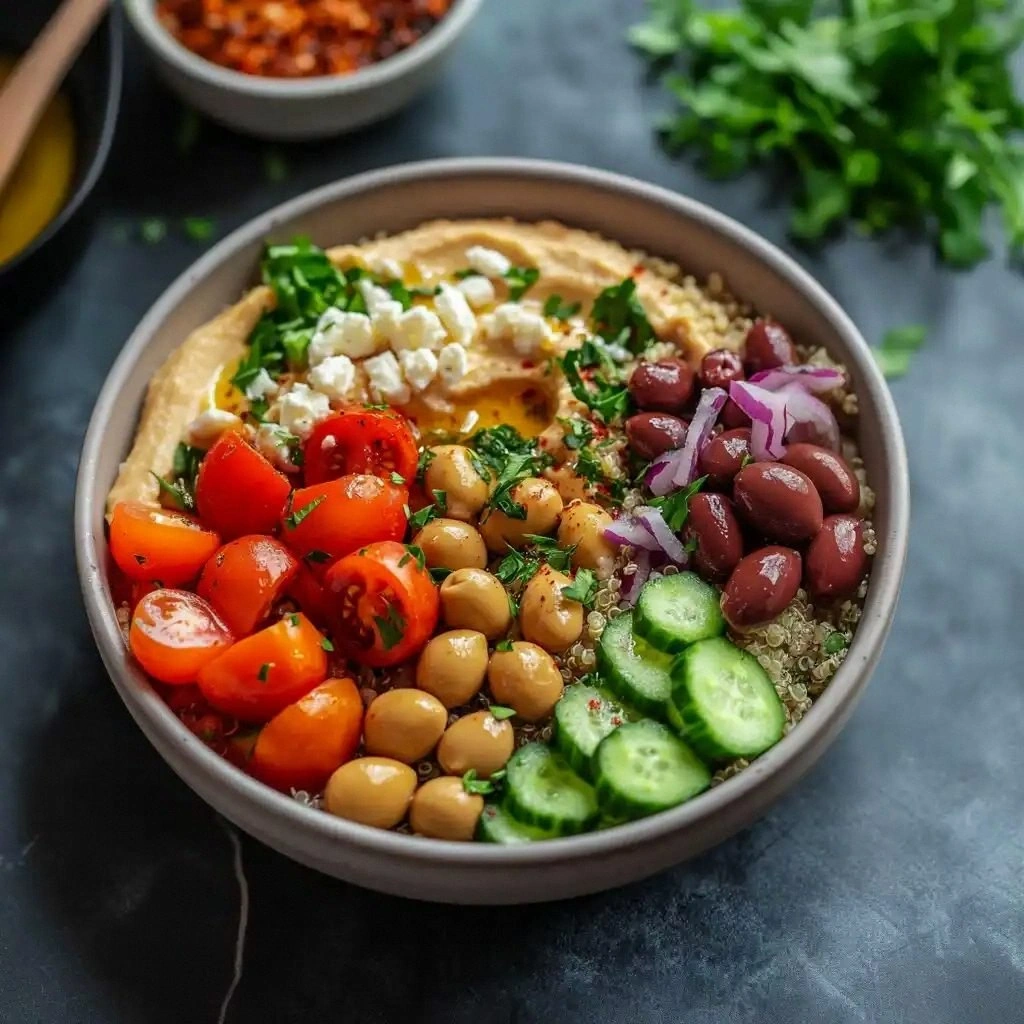
Picture the crunch of a perfectly diced cucumber, the burst of sweet cherry tomatoes, the briny pop of Kalamata olives, and the creamy, nutty swirl of hummus that coats every grain of quinoa like velvet. The aroma is a fragrant blend of lemon zest, za’atar, and roasted chickpeas that makes the kitchen feel like a Mediterranean market. The sound of the skillet sizzling as the chickpeas roast is the soundtrack to a bowl that will keep you coming back for more. And the taste—oh, the taste—it's a symphony of savory, tangy, and slightly smoky, with a finish that lingers on the palate like a warm breeze.
This version stands apart because it’s not just a bowl; it’s a canvas that celebrates the best of Mediterranean staples while keeping the calories low and the protein high. I’ve added a roasted chickpea crunch, a fresh herb garnish, and a drizzle of lemon-tahini sauce that ties everything together. Most recipes get this completely wrong by either over-salting the hummus or undercooking the quinoa. Here, I’ll show you the exact technique that guarantees a fluffy base, a silky topping, and a finish that will have you saying, “I dare you to taste this and not go back for seconds.”
If you’ve ever struggled with balancing flavors in a bowl, you’re not alone—this is the fix. I’ll walk you through every single step, from prepping the veggies to roasting the chickpeas to crafting the sauce that makes everything sing. By the end, you’ll wonder how you ever made it any other way. Let me walk you through every single step—by the end, you'll wonder how you ever made it any other way.
What Makes This Version Stand Out
- Flavor Depth: The combination of tahini, lemon, and za’atar creates a complex flavor profile that feels both fresh and comforting. The roasted chickpeas add a subtle nutty crunch that balances the creamy hummus.
- Texture Contrast: Each bite delivers a satisfying mix of crunchy veggies, fluffy quinoa, and silky hummus. The roasted chickpeas provide a delightful snap that keeps the bowl interesting.
- Protein Power: With a cup of protein of your choice and a cup of chickpeas, this bowl is a powerhouse of plant-based protein, making it a perfect meal for active lifestyles.
- Low Calorie, High Nutrient: The use of fresh ingredients and healthy fats keeps calories in check while packing vitamins, minerals, and antioxidants.
- Make‑Ahead Friendly: The hummus sauce can be prepared up to 48 hours ahead, and the quinoa can be cooked in advance, making this bowl a quick assembly meal.
- Visual Appeal: The bright colors of the tomatoes, peppers, and olives create a feast for the eyes, encouraging you to eat more and feel satisfied.
- Adaptability: Swap quinoa for couscous, use grilled chicken instead of tofu, or add avocado for extra creaminess—this bowl is a playground.
- Kid-Friendly: The flavors are mild, and the ingredients are easy to chew, making it a hit with younger diners.
Alright, let's break down exactly what goes into this masterpiece…
Inside the Ingredient List
The Flavor Base
The hummus is the heart of this bowl. It’s not just a dip; it’s a sauce that carries the lemon and tahini into every bite. Using a high‑quality, homemade or store‑bought hummus with minimal additives ensures a smooth, creamy texture. If you skip the hummus, the bowl loses that velvety feel and becomes a dry salad. A good tip: let the hummus sit at room temperature for 15 minutes before mixing; it’ll spread more easily.
The tahini‑lemon sauce is a game‑changer. Tahini brings a nutty depth, while lemon juice cuts through the richness and adds brightness. A pinch of salt and pepper balances the flavors. If you’re allergic to sesame, a sunflower seed paste can work as a substitute, though the flavor will shift slightly. The sauce also acts as a binder, keeping the quinoa and veggies from drifting apart.
The Texture Crew
Quinoa or couscous provides a light, fluffy foundation that soaks up the hummus sauce. Quinoa is a complete protein and gluten‑free, while couscous offers a more delicate bite. If you prefer a chewier base, try bulgur wheat. The key is to cook the grains just until tender and fluff them with a fork—overcooking turns them mushy.
Roasted chickpeas add a delightful crunch. Toss them with olive oil and za’atar before roasting until golden. They’re a protein boost and a textural contrast to the soft quinoa. If you’re in a hurry, use canned chickpeas, but make sure to rinse and dry them thoroughly to prevent sogginess.
The Unexpected Star
Fresh herbs like parsley or mint are the secret to a bright finish. They bring a refreshing lift that balances the richness of hummus and the earthiness of chickpeas. If you’re not a fan of mint, swap it for fresh cilantro or basil. A handful of chopped herbs on top adds color and a burst of flavor.
The Final Flourish
Olive oil, lemon juice, and za’atar or paprika finish the bowl with a glossy sheen and a savory punch. Drizzle the oil over the assembled bowl to create a beautiful marbling effect. The paprika adds a subtle heat that lingers without overpowering the dish. If you prefer a milder taste, use a pinch of smoked paprika instead.
Everything's prepped? Good. Let's get into the real action…
The Method — Step by Step
- Cook the Base: In a medium saucepan, bring 2 cups of water to a boil. Add 1 cup of quinoa, reduce heat, cover, and simmer for 15 minutes. Fluff with a fork and let cool to room temperature. This step ensures the grains are fluffy and ready to soak up the hummus sauce. Watch the steam; when it stops, you know it’s done.
- Roast the Chickpeas: Preheat your oven to 400°F (200°C). Toss ½ cup of chickpeas with 1 tbsp olive oil and 1 tsp za’atar. Spread them on a baking sheet and roast for 20 minutes, shaking halfway through. The goal is a golden, crunchy texture; keep an eye on them to avoid burning. The aroma that fills the kitchen is the first hint of the final masterpiece.
- Prepare the Veggies: Dice 1 cucumber, 1 red bell pepper, 1 cup cherry tomatoes, and ¼ red onion into bite‑sized pieces. Slice ¼ cup Kalamata olives and crumble ¼ cup feta cheese. Keep the vegetables separate for a colorful presentation. The crunch of cucumber and pepper is essential; avoid over‑chopping to preserve their bite.
- Make the Tahini Sauce: In a small bowl, whisk together ¼ cup tahini, 2 tbsp lemon juice, 2 tbsp water, 1 garlic clove (minced), 1 tbsp olive oil, and a pinch of salt. The mixture should be smooth and pourable. If it’s too thick, add a splash of water until it reaches your desired consistency. This sauce is the glue that holds the bowl together.
- Combine Hummus and Sauce: In a larger bowl, fold 1½ cups hummus with the tahini sauce until fully blended. Add 1 tbsp lemon juice and 1 tsp za’atar. Taste and adjust with salt or pepper. The result is a silky, aromatic spread that’s ready to coat the quinoa.
- Assemble the Bowl: Spread the cooled quinoa across the bottom of a large bowl. Spoon the hummus mixture over the quinoa, allowing it to seep in. Layer the diced cucumber, bell pepper, cherry tomatoes, red onion, olives, feta, and roasted chickpeas on top. Sprinkle fresh parsley or mint and drizzle with extra olive oil. Finish with a dusting of za’atar or paprika.
- Final Touches: Give the bowl a gentle swirl so the hummus sauce coats every grain. The final look should resemble a Mediterranean mosaic. Serve immediately or chill in the fridge for up to 24 hours—just remember to bring it to room temperature for the best flavor.
- Serve and Enjoy: Present the bowl on a wooden platter or a slate board for a rustic touch. The vibrant colors and fresh aromas will have your guests reaching for a second plate. And remember, “I dare you to taste this and not go back for seconds.”
That's it — you did it. But hold on, I've got a few more tricks that'll take this to another level…
Insider Tricks for Flawless Results
The Temperature Rule Nobody Follows
Quinoa is a delicate grain. Overcooking it at too high a temperature can make it gummy. Always use a low simmer after the initial boil, and cover the pot to trap steam. If you’re using couscous, let it sit off the heat for 5 minutes after draining; this helps the grains expand and separate.
Why Your Nose Knows Best
When roasting chickpeas, trust your nose. The moment you smell a hint of toasted nutty aroma, they’re ready. If you wait too long, they’ll turn bitter. Keep a close eye and stir once halfway through to ensure even roasting.
The 5-Minute Rest That Changes Everything
After assembling the bowl, let it rest for 5 minutes before serving. This brief pause allows the hummus sauce to seep into the quinoa and the flavors to meld. It also gives the veggies a chance to release their juices, creating a subtle, savory sauce that coats each bite.
The Right Balance of Salt
Too much salt can drown the delicate flavors. Start with a small pinch, taste, and adjust. Salt enhances sweetness in tomatoes and brings out the nuttiness in hummus. Remember, you can always add more, but you can’t take it away.
Keep It Fresh
If you’re preparing the bowl ahead of time, store the quinoa and hummus separately in airtight containers. Assemble the bowl just before serving to keep the veggies crisp. This keeps the bowl fresh and prevents sogginess.
Creative Twists and Variations
This recipe is a playground. Here are some of my favorite ways to switch things up:
Mediterranean Power Bowl
Swap the quinoa for brown rice and add grilled chicken strips. The protein boost turns the bowl into a hearty main dish perfect for a post‑workout meal.
Vegan Protein Boost
Add a scoop of plant‑based protein powder to the hummus sauce. It blends in seamlessly and elevates the protein content without altering the flavor.
Spicy Kick
Stir in a dash of cayenne pepper or a few slices of fresh jalapeño to the hummus mixture. The heat adds excitement while the lemon keeps it bright.
Herb Garden
Replace feta with goat cheese for a tangier finish, and sprinkle chopped dill or oregano for an herbaceous twist. This variation feels like a stroll through a Mediterranean garden.
Gluten‑Free Twist
Use quinoa or millet instead of couscous. The grain remains gluten‑free and the texture stays fluffy, making the bowl suitable for gluten‑sensitive diners.
Storing and Bringing It Back to Life
Fridge Storage
Store the assembled bowl in an airtight container for up to 48 hours. Keep the quinoa and hummus sauce separate if you want to maintain maximum freshness. When ready to eat, let the bowl sit at room temperature for 10 minutes to restore flavor.
Freezer Friendly
Freeze the hummus sauce in a small container for up to 3 months. The quinoa can also be frozen for up to 2 months. Thaw overnight in the fridge, then reheat gently in a skillet or microwave.
Best Reheating Method
To reheat the bowl, sprinkle a tiny splash of water over the quinoa and microwave on medium for 30 seconds. The water creates steam, restoring the grains’ fluffy texture. A quick stir of the hummus sauce before serving brings everything back to life.