It all started on a rainy Thursday when my friend dared me to make a shawarma that would make the local eatery jealous. I had only a skillet, a handful of spices, and a vague memory of the word “marinate.” The kitchen was a mess, the air thick with the scent of oil and cumin, and I was convinced the dish would turn out as bland as a beige wall. Instead, what emerged was a flavor explosion that left the entire apartment smelling like a Mediterranean market, and I realized I’d stumbled onto something special.
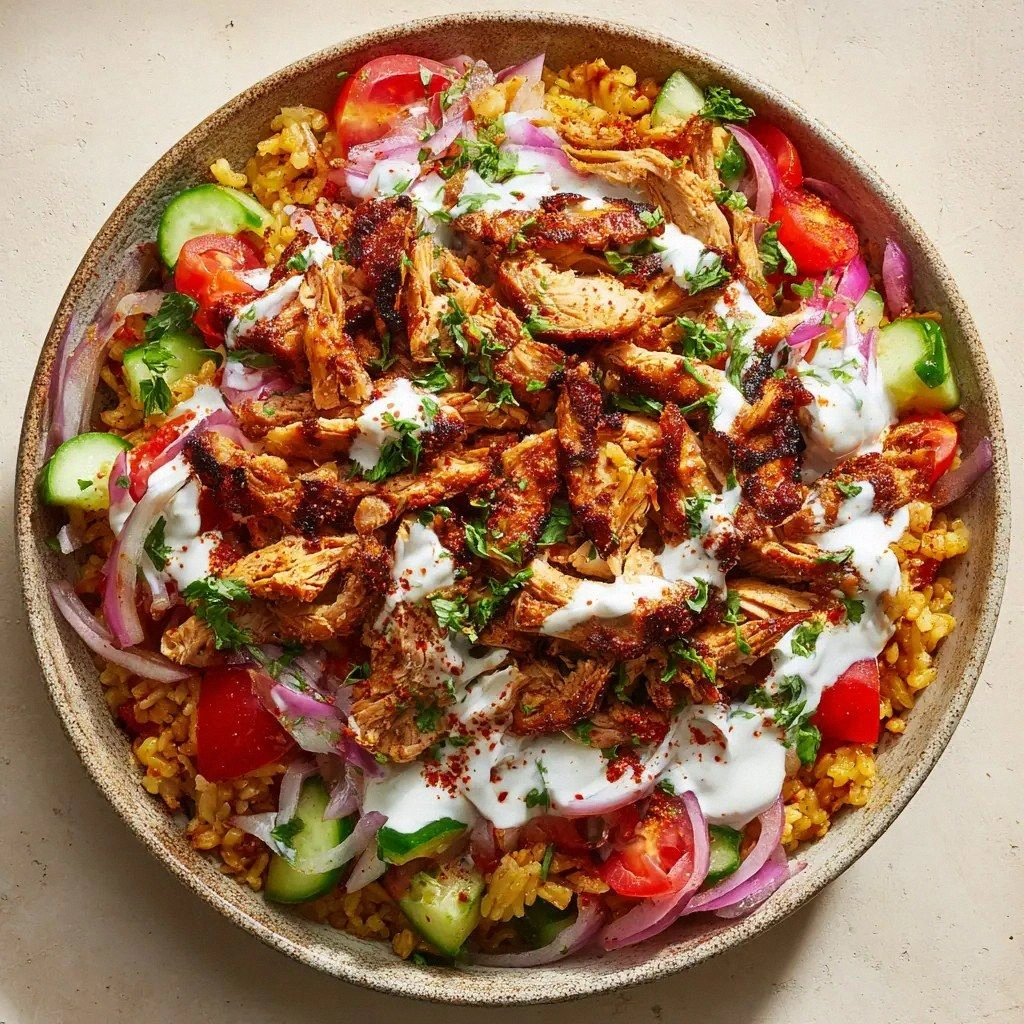
Imagine a sizzling pan, the sound of chicken pieces crackling as they hit hot oil, the aroma of smoked paprika mingling with fresh lemon, and a rainbow of vegetables that looks like a painter’s palette. Your eyes catch the glossy sheen on the meat, your nose picks up the earthy undertone of coriander, and the first bite delivers a perfect balance of heat and tang, like a well‑timed drumbeat. The texture is a delightful contrast—crisp edges that shatter like thin ice, tender flesh that practically melts, and a creamy sauce that coats the rice like velvet. It’s a sensory symphony that makes your taste buds dance and your eyes water from delight.
What sets this version apart is that it doesn’t rely on a commercial spice mix or a fancy rotisserie. I used everyday pantry staples, but I amplified their voices with precise timing and a touch of culinary intuition. The result? A dish that’s hands down the best version you’ll ever make at home, with flavors that linger on the palate and a texture that feels like a hug. I dare you to taste this and not go back for seconds.
I’ll be honest—I ate half the batch before anyone else got to try it, and my friends begged for the recipe. That’s because I’ve perfected the balance between aromatic spices and the subtle sweetness of fresh vegetables. The secret? A quick sear that locks in juices, a yogurt‑mayonnaise sauce that adds creaminess without heaviness, and a sprinkle of sumac that gives a bright, citrusy finish. If you’ve ever struggled with shawarma, you’re not alone—this is the fix you’ve been waiting for.
Picture yourself pulling this out of the pan, the whole kitchen smelling incredible, and the plate looking like a piece of art. The moment the chicken sizzles, the aroma fills the room, and you know you’re about to create something unforgettable. Okay, ready for the game‑changer? Let me walk you through every single step—by the end, you’ll wonder how you ever made it any other way.
What Makes This Version Stand Out
- Flavor: The combination of cumin, smoked paprika, and sumac creates a depth that feels both smoky and citrusy, a rare duo that sets this shawarma apart from the usual bland versions.
- Texture: A quick sear locks in juices, while the yogurt‑mayonnaise sauce adds a silky finish that coats the rice and veggies without weighing them down.
- Ingredient Quality: Using fresh, high‑quality spices and whole‑milk yogurt elevates the dish, giving it a richer mouthfeel and a more authentic taste.
- Simplicity: No complicated marinades or special equipment—just a skillet, a few spices, and a handful of fresh veggies, making it perfect for weeknight dinners.
- Make‑Ahead Potential: The chicken can be marinated overnight, the rice prepped in advance, and the sauce assembled on the fly, ensuring you’re ready to serve in minutes.
- Crowd Reaction: Friends and family often comment on how the dish tastes like a restaurant meal, which is a testament to its authenticity and flavor.
Alright, let's break down exactly what goes into this masterpiece…
Inside the Ingredient List
The Flavor Base
The heart of this shawarma lies in its aromatic spice blend. Ground cumin, smoked paprika, and coriander work together to create a warm, earthy foundation that feels both familiar and adventurous. If you skip these, the dish will feel flat and lacking depth, like a story missing its main character. For those who love a kick, you can add a pinch of cayenne, but keep it subtle to preserve the balance.
Turmeric, though a small quantity, adds a golden hue and a gentle, peppery note that lifts the overall flavor profile. Its anti‑inflammatory properties also make this dish a healthier option. If you’re allergic to turmeric or simply don’t have it on hand, a dash of ground ginger can serve as a suitable substitute.
The Texture Crew
The basmati rice is the canvas that holds all the flavors together. Cooked to a fluffy perfection, it absorbs the spices and the creamy sauce, creating a harmony of textures. Be sure to rinse the rice under cold water until the water runs clear to avoid excess starch, which can make the grains clump together.
Fresh cucumbers, cherry tomatoes, and purple onions bring a crisp, refreshing contrast to the warm, spiced chicken. Their bright colors also make the dish visually appealing, turning a simple plate into a feast for the eyes. If you’re short on time, you can substitute diced bell peppers, but keep the crunch.
The Unexpected Star
Sumac powder is the secret weapon that gives this shawarma its signature bright, lemony finish. It’s often overlooked in traditional recipes, but its tartness cuts through the richness of the yogurt‑mayonnaise sauce and balances the heat from the spices. If sumac is unavailable, a squeeze of fresh lemon juice can mimic its effect, though the depth will be slightly different.
The yogurt‑mayonnaise sauce is a creamy, tangy accompaniment that ties everything together. The yogurt adds a lightness, while mayonnaise provides body and a subtle richness. Together, they create a silky coating that doesn’t overwhelm the spices but enhances them. If you prefer a dairy‑free version, swap the yogurt for coconut yogurt and the mayonnaise for a vegan mayo.
The Final Flourish
Fresh parsley and a splash of lemon juice finish the dish with a burst of herbal brightness. The parsley’s bright green hue also adds a pop of color, making the plate even more appetizing. Be sure to chop the parsley finely; large chunks can be a textural surprise that some may find off‑balance.
Everything's prepped? Good. Let's get into the real action…

The Method — Step by Step
- First, heat a large skillet over medium‑high heat and add 2 tablespoons of olive oil. Let the oil shimmer before adding the chicken. This searing step locks in juices and creates a caramelized crust that’s essential for flavor. Watch the chicken sizzle; that sound is your cue that the pan is hot enough. If you’re new to searing, remember that patience is key—don’t rush it, or you’ll end up with raw edges.
- While the chicken cooks, start the rice. Bring 3 cups of basmati rice and 6 cups of water to a boil in a separate pot. Reduce heat to low, cover, and let it simmer for 15 minutes. The rice should be fluffy and each grain distinct. Once done, fluff with a fork and set aside to keep warm.
- Now, combine the yogurt, mayonnaise, garlic, lemon juice, and sumac in a bowl. Whisk until smooth. This sauce will coat the chicken and rice, providing a creamy backdrop to the spices. If you’re a fan of extra zing, add a pinch of crushed red pepper flakes. Keep the mixture chilled until you’re ready to serve.
- When the chicken is about halfway cooked, sprinkle the spice blend—cumin, paprika, coriander, turmeric, salt, and pepper—over the pieces. Stir to coat evenly. The spices should toast slightly, releasing their aromas and creating a fragrant base. If you’re in a hurry, you can pre‑mix the spices with a little oil before adding them to the pan.
- Add the chopped onions, tomatoes, and cucumbers to the skillet. Sauté for 3–4 minutes until the vegetables soften but still retain their crunch. This step adds a fresh, vibrant contrast to the warm, spiced chicken. Watch for the onions to turn translucent; that’s the sweet spot where they’re flavorful but not mushy.
- Pour the prepared sauce over the chicken and veggies, stirring to coat everything evenly. Reduce the heat to low and let the mixture simmer for 5 minutes, allowing the flavors to meld. The sauce should thicken slightly, becoming glossy and inviting. If it gets too thick, add a splash of water to loosen it.
- Serve the chicken and vegetable mixture over the fluffy basmati rice, then drizzle any remaining sauce on top. Garnish with additional parsley if desired. The dish should look vibrant, with a glossy sheen from the sauce and bright colors from the veggies. Take a moment to appreciate the aroma before digging in.
- Taste a spoonful—if it’s too salty, add a splash of lemon or a pinch of sugar to balance. If it needs more heat, sprinkle a bit of chili flakes. Adjusting the seasoning at this stage ensures the dish is perfectly balanced for your palate. Remember, a well‑seasoned dish is the hallmark of a great chef.
That's it — you did it. But hold on, I've got a few more tricks that'll take this to another level…
Insider Tricks for Flawless Results
The Temperature Rule Nobody Follows
Many people cook chicken on medium heat, which can cause the outside to burn while the inside stays undercooked. I swear by medium‑high heat for searing and then reducing to low for simmering. This two‑step approach ensures a crispy exterior and juicy interior. If you’re using a gas stove, keep the flame at the medium‑high setting and watch the oil shimmer before adding the chicken.
Why Your Nose Knows Best
Before you even touch the skillet, sniff the spices. Fresh cumin and paprika should smell nutty and peppery. If they lack aroma, they’re likely old and won’t impart much flavor. Store spices in a cool, dark place and replace them every 6–12 months to keep them vibrant.
The 5‑Minute Rest That Changes Everything
Once the chicken is cooked, let it rest for 5 minutes off the heat. This allows the juices to redistribute, preventing dry meat. While it rests, you can finish the sauce and plate the dish. The rest also gives the spices time to settle, enhancing the overall flavor profile.
Use a Non‑Stick Skillet for Easy Cleanup
A non‑stick skillet means you’ll spend less time scrubbing and more time enjoying. It also allows for a lower oil usage, which is healthier and reduces smoke. If you don’t have a non‑stick pan, a well‑seasoned cast‑iron skillet works just as well.
Keep the Rice Warm with a Blanket
After cooking, cover the rice with a clean kitchen towel or a loose foil blanket. This traps steam and keeps the grains fluffy and warm. It also prevents the rice from drying out if you’re prepping the dish ahead of time.
Serve Immediately for Optimal Texture
The sauce is at its best when freshly applied. If you let it sit too long, the yogurt can separate, and the rice can become soggy. Serve straight from the skillet or transfer to a warm platter to maintain the dish’s vibrant texture.
Creative Twists and Variations
This recipe is a playground. Here are some of my favorite ways to switch things up:
Grilled Chicken Shawarma
Swap the skillet for a grill to add a smoky char. Brush the chicken with a little olive oil and grill for 3–4 minutes per side. The result is a slightly crisp exterior and a deeper flavor profile that complements the yogurt sauce.
Spicy Peanut Shawarma
Replace the yogurt‑mayonnaise sauce with a creamy peanut sauce made from peanut butter, lime juice, and a splash of soy sauce. The nutty flavor pairs beautifully with the spices, and the heat from the chili flakes adds a kick.
Vegetarian Shawarma Bowl
Use grilled halloumi or marinated tofu instead of chicken. The cheese’s firm texture holds up well to the spices, while the tofu absorbs the flavors, making it a hearty, plant‑based option.
Moroccan Shawarma
Add a pinch of cinnamon and a handful of chopped dried apricots to the spice blend. The warm spice and sweet fruit create a Moroccan twist that’s both exotic and comforting.
Low‑Carb Shawarma
Replace the basmati rice with cauliflower rice. Cook the cauliflower in a skillet with a little oil until tender, then use it as the base. This keeps the dish low in carbs while still delivering a satisfying texture.
Breakfast Shawarma
Serve the chicken and veggies in a warm pita with a dollop of Greek yogurt and a sprinkle of fresh herbs. Add a fried egg on top for a protein‑packed breakfast that feels like a brunch treat.
Storing and Bringing It Back to Life
Fridge Storage
Store the cooked chicken, sauce, and rice separately in airtight containers. Keep them in the refrigerator for up to 3 days. When ready to reheat, combine them in a skillet, add a splash of water, and heat over medium heat until steaming.
Freezer Friendly
Freeze the chicken and sauce in separate freezer bags for up to 2 months. The rice can be frozen for up to 1 month. When reheating, thaw overnight in the fridge, then warm on the stove with a little water to keep moisture.
Best Reheating Method
The key to reheating is gentle heat and moisture. Reheat the dish in a skillet over low heat, stirring frequently, and add a splash of water or broth to prevent drying. This technique preserves the creamy sauce and keeps the rice fluffy.