Okay, picture this: I’m standing in my kitchen at 2 a.m., the fridge door yawning open like a dark cave, and a sudden craving for something buttery, cheesy, and absolutely guilt‑free hits me like a freight train. I tried the usual “low‑carb broccoli casserole” that everyone swears by, but the result was about as exciting as a soggy lettuce leaf—dry, bland, and frankly, a culinary crime scene. I tossed a handful of ground beef into the pan, added a splash of cream, and then, in a moment of reckless brilliance, dumped an entire cup of shredded cheddar without even thinking. The kitchen erupted with a scent so rich it could have convinced a vegan to convert on the spot, and the skillet itself started to glow like a sunrise over the Rockies.
The first bite was an eye‑opener: the beef was juicy, the broccoli retained a crisp‑tender snap, and the sauce? Oh, the sauce was a silk‑smooth, buttery river that clung to every morsel like a lover refusing to let go. I was so mesmerized by that texture that I actually paused the episode of my favorite show to savor it—yes, I’m that committed. I dared myself to finish the whole pan before anyone else could even sniff it, and I’ll be honest—I ate half the batch before anyone else got a chance. If you’ve ever struggled with low‑carb meals that taste like cardboard, you’re not alone; I’ve got the fix, and it’s called “Keto Hamburger Broccoli Skillet: Creamy Low‑Carb Bliss.”
What makes this version a total game‑changer? Most recipes get the balance of fat, flavor, and texture completely wrong, ending up either greasy or dry. This one nails the perfect ratio of beef to broccoli, while the heavy cream and cheddar create a sauce that feels like a velvet blanket on a cold night. The secret? A dash of Worcestershire sauce that adds umami depth without the carbs, and a pinch of red pepper flakes that give a subtle kick—just enough to make you sit up and say, “I dare you to taste this and not go back for seconds.” The result is a dish that’s not just keto‑friendly, but downright indulgent, making you forget you’re even watching your macros.
Let me walk you through every single step — by the end, you’ll wonder how you ever made it any other way. Okay, ready for the game‑changer? This next part? Pure magic. Stay with me here — this is worth it.
⚡ What Makes This Version Stand Out
- Flavor Explosion: The combination of Worcestershire sauce, garlic powder, and onion powder creates a depth that rivals a gourmet steakhouse sauce, while staying under 5 grams of carbs per serving.
- Texture Harmony: The broccoli stays bright‑green and crisp, the beef stays juicy, and the cheese‑cream sauce coats everything like a buttery silk scarf.
- Simplicity Meets Sophistication: You only need one skillet, five minutes of prep, and 30 minutes of cooking—no fancy equipment, no stress.
- Unexpected Star: The optional red pepper flakes add a whisper of heat that makes the dish feel alive, turning a simple skillet into a party on your palate.
- Crowd‑Pleaser: Whether you’re feeding a keto‑savvy family or skeptical meat‑eaters, this dish gets unanimous applause—yes, even the kids love the cheesy goodness.
- Ingredient Quality: Using 80/20 ground beef ensures enough fat for flavor while keeping the dish moist; the heavy cream adds richness without a sugar spike.
- One‑Pan Wonder: Minimal cleanup means you can spend more time eating and less time scrubbing, which is a win for anyone who hates dishes.
- Make‑Ahead Magic: This skillet reheats beautifully, and the sauce even thickens a bit more, giving you a richer bite the next day.
🍋 Inside the Ingredient List
The Flavor Base
Ground Beef (1 pound): This is the heart of the dish. The 80/20 ratio gives you enough fat to keep the meat juicy and to carry the flavor of the spices. If you skip the fat, you’ll end up with a dry, flavorless crumb that feels like chewing on cardboard. For a leaner version, you can use 90/10, but then add an extra tablespoon of olive oil to compensate for the lost moisture. Pro tip: Look for beef that’s bright red and has a fine, even grind—this indicates freshness and even cooking.
Onion (Diced): The diced onion provides a sweet, aromatic foundation that balances the savory beef. If you’re allergic or just don’t like onion, you can swap in 1 tsp of onion powder, but you’ll lose that crunchy texture that adds a pleasant bite. When sautéing, let the onion turn translucent and start to caramelize—this is where the magic begins.
Garlic (Minced): Garlic is the secret weapon that turns a simple skillet into a flavor bomb. Mince it finely so it releases its essential oils quickly; overcooking it will make the dish bitter. If you love garlic, feel free to double the amount, but remember that raw garlic can become harsh if burnt.
The Texture Crew
Broccoli Florets (2 cups): Fresh or frozen, broccoli adds a vibrant color and a crisp‑tender bite that contrasts beautifully with the creamy sauce. If you use frozen, thaw and pat dry first; excess moisture will dilute the sauce. Cutting the florets into bite‑size pieces ensures they cook evenly and coat well with the cheese‑cream mixture.
Olive Oil (2 tablespoons): This is your cooking medium, and it adds a subtle fruitiness that lifts the dish. Use extra‑virgin for the best flavor, but any good quality olive oil works. The oil also helps the garlic and onion sauté without sticking.
The Unexpected Star
Worcestershire Sauce (1 tablespoon, Optional): A splash of this sauce adds depth, umami, and a faint tang that makes the beef sing. It’s optional because it contains a tiny amount of carbs, but the flavor payoff is worth it. If you’re strict about carbs, you can replace it with a dash of soy sauce or a pinch of smoked paprika.
Red Pepper Flakes (1 teaspoon, Optional): These give a subtle heat that awakens the palate without overwhelming the creamy base. If you’re a spice lover, feel free to add a bit more; if you’re sensitive, you can omit them entirely and still have a delicious dish.
The Final Flourish
Heavy Cream (1/2 cup): This is the silk that turns the pan juices into a luscious sauce. It adds richness without any sugar, keeping the carb count low. If you’re lactose intolerant, you can swap in coconut cream, but the flavor profile will shift toward a tropical note.
Cheddar Cheese (1 cup, Shredded): The cheese melts into the cream, creating a gooey, indulgent blanket that clings to every broccoli floret and beef morsel. Use a sharp cheddar for a punchier flavor, or a milder cheddar if you prefer a smoother taste. Avoid pre‑shredded cheese with anti‑caking agents, as they can make the sauce grainy.
Salt (1 teaspoon) & Black Pepper (1/2 teaspoon): Basic seasoning, but essential. Salt amplifies every flavor, while pepper adds a gentle warmth. Taste as you go; you can always add more, but you can’t take it out.
Garlic Powder (1 teaspoon) & Onion Powder (1 teaspoon): These dry powders reinforce the fresh garlic and onion, ensuring a consistent flavor throughout the skillet. They’re especially helpful if you’re using frozen broccoli, which can dilute the aromatics.
Everything's prepped? Good. Let's get into the real action...

🔥 The Method — Step by Step
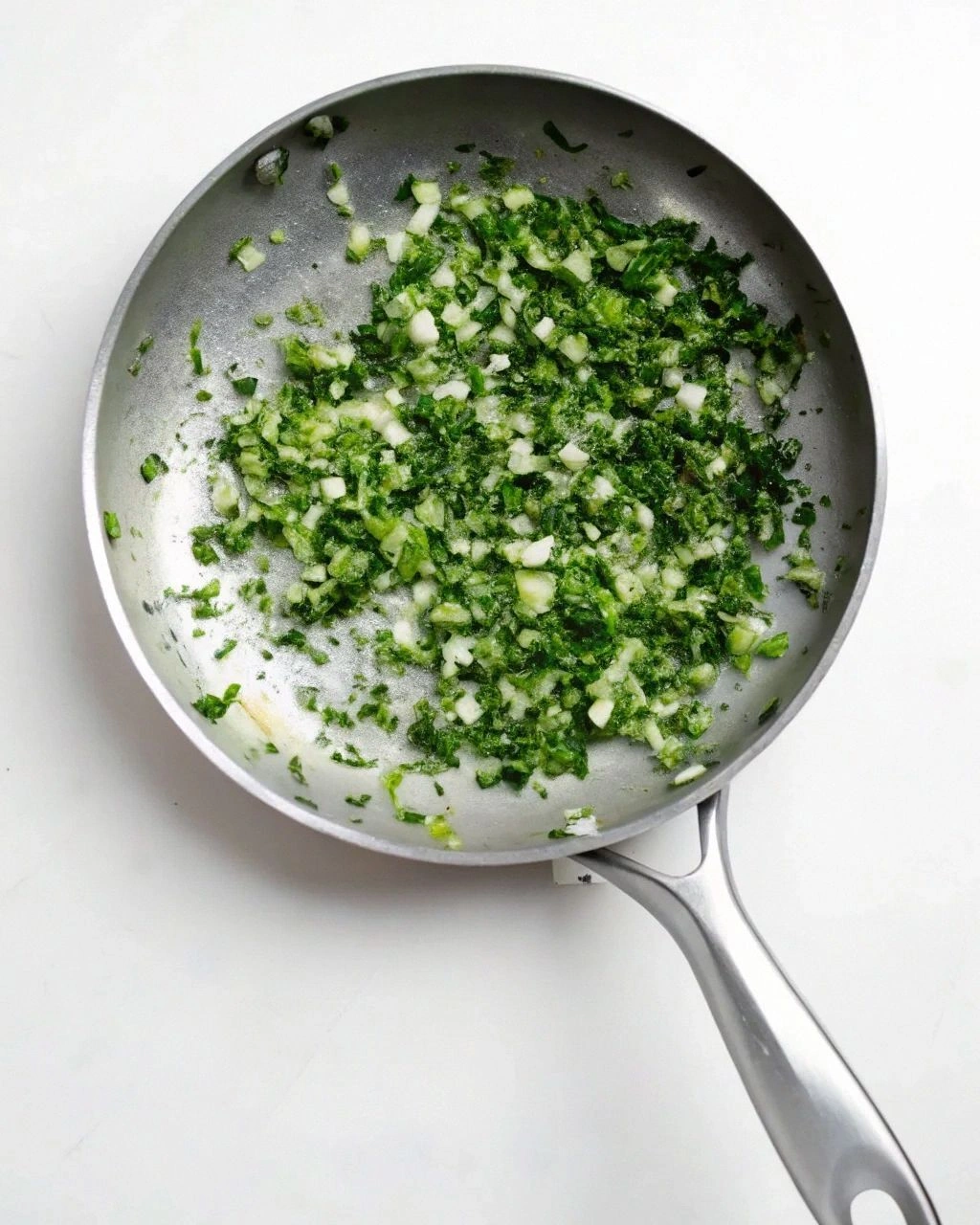
Heat a large, heavy‑bottomed skillet over medium‑high heat and add the olive oil. When the oil shimmers—Chef’s kiss—you’ll know it’s ready. Toss in the diced onion and let it sauté for about 2‑3 minutes until it turns translucent and starts to caramelize. Then add the minced garlic; you’ll hear a gentle sizzle that signals the aromatics are waking up. Watch the garlic closely—if it browns too quickly it will turn bitter.
👀 Watch Out: Garlic burns in seconds; if you see it turning dark, lower the heat immediately and stir.Add the ground beef, breaking it up with a wooden spoon. Let it sit undisturbed for about 30 seconds per side to develop a deep brown crust—this is the caramelization that builds flavor. Once the meat is nicely browned, season with salt, black pepper, garlic powder, and onion powder. Stir everything together so the spices coat every crumb. If you’re feeling adventurous, drizzle the Worcestershire sauce now; the aroma will instantly become more complex.
🪄 Kitchen Hack: For extra juiciness, add a splash of beef broth while the meat browns; it will deglaze the pan and keep the meat moist.Stir in the broccoli florets, mixing them into the beef so they get coated in the seasoned juices. Cook for 3‑4 minutes, allowing the broccoli to turn a brighter green and start to soften. You’ll hear a faint pop as the florets hit the hot pan—a sound that says “we’re on the right track.” If the pan looks dry, splash a tablespoon of water to create steam, which helps the broccoli cook evenly without burning.
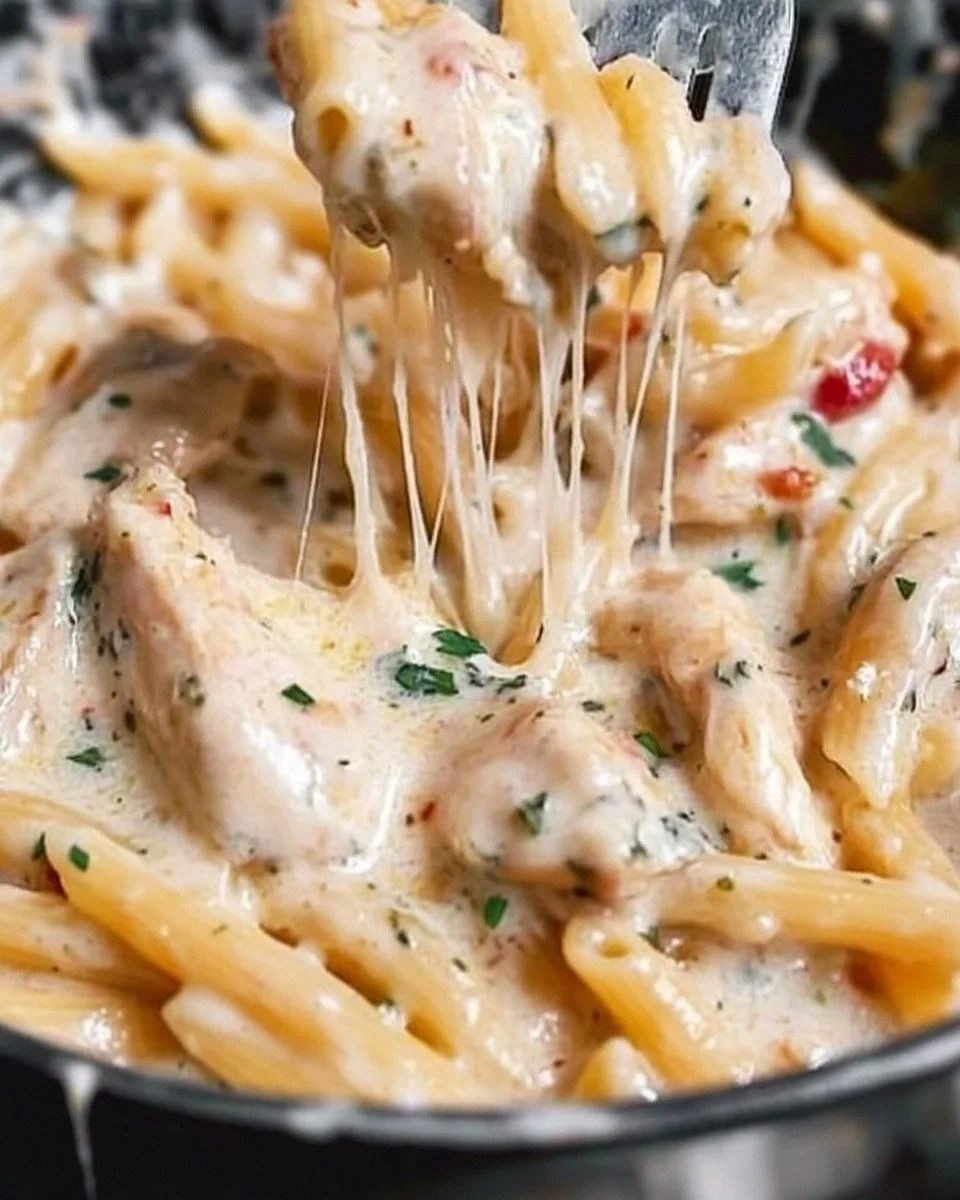
Reduce the heat to medium‑low and pour in the heavy cream, swirling the skillet to combine everything into a glossy pool. As the cream meets the hot pan, you’ll notice it thickening within a minute, turning a luscious ivory color. Sprinkle the shredded cheddar over the top, letting it melt slowly; this is where the sauce becomes a velvety blanket. Stir gently, allowing the cheese to emulsify with the cream, creating a sauce that coats the ingredients like satin.
Now, the optional red pepper flakes join the party. Sprinkle them in, and you’ll feel a gentle heat rise—just enough to make your nose twitch. Let the skillet simmer for another 2‑3 minutes, giving the sauce time to thicken to a perfect consistency that clings to the broccoli without pooling. Taste and adjust seasoning: a pinch more salt, a dash more pepper, or an extra splash of Worcestershire if you crave more depth.
🌎 Fun Fact: Heavy cream contains about 36 % fat, which is why it creates such a stable emulsion with cheese—perfect for low‑carb sauces.Give the skillet a final stir, making sure every broccoli floret and beef bite is fully enveloped in the cheesy sauce. The edges of the meat should start to pull away from the pan, a visual cue that the sauce has thickened just right. If the sauce looks too thick, add a splash of water or extra cream—remember, you’re aiming for a sauce that’s thick enough to cling but still pourable.
Turn off the heat and let the skillet rest for 2‑3 minutes. This resting period allows the flavors to meld, and the sauce will become even silkier as it cools slightly. While you wait, the kitchen will be filled with a buttery, cheesy aroma that will have anyone within a five‑foot radius begging for a taste.
Serve hot, straight from the skillet, or transfer to a serving dish if you’re presenting to guests. Garnish with a sprinkle of extra shredded cheddar or a few fresh parsley leaves for a pop of color. Picture yourself pulling this out of the pan, the whole kitchen smelling incredible, and everyone reaching for seconds. I dare you to taste this and not go back for seconds—because you’ll be back for thirds, too.
That's it — you did it. But hold on, I've got a few more tricks that'll take this to another level...
🏆 Insider Tricks for Flawless Results
The Temperature Rule Nobody Follows
Most home cooks crank the heat to “high” hoping to speed things up, but that just burns the aromatics and dries out the beef. Keep your skillet at medium‑high for browning, then drop to medium‑low when you add the cream. This temperature shift ensures the sauce emulsifies properly without curdling. I once tried cooking the entire dish on high, and the result was a curdled mess that looked like a cheese‑curd disaster zone.
Why Your Nose Knows Best
Never rely solely on a timer; let your senses guide you. When the onions turn translucent and start to caramelize, you’ll smell a sweet, nutty scent—that’s your cue to add the garlic. Later, when the beef releases that deep, meaty aroma, you know it’s fully browned. Trusting your nose prevents over‑cooking and guarantees maximum flavor.
The 5‑Minute Rest That Changes Everything
After you turn off the heat, let the skillet sit for exactly five minutes. This short rest allows the cheese‑cream emulsion to settle, resulting in a sauce that’s smoother and richer. Skipping this step leaves you with a sauce that can feel a bit “grainy” because the fats haven’t fully integrated. I’ve seen people serve it immediately and wonder why the sauce isn’t as luxurious as it could be.
Cheese Choice Cheat Sheet
While cheddar is the star, you can blend in a touch of mozzarella for stretchiness or a sprinkle of Parmesan for a nutty bite. The key is to keep the cheese shredded, not pre‑shredded, because anti‑caking agents can cause clumping. If you love a smoky flavor, try a dash of smoked Gouda—just remember it adds a deeper, earthier profile.
The “Steam‑Back” Reheat
When reheating leftovers, add a splash of water or broth before microwaving. The steam revives the sauce, preventing it from drying out. This trick works whether you’re reheating on the stove or in the microwave, and it keeps the dish as creamy as the first time around.
🎨 Creative Twists & Variations
This recipe is a playground. Here are some of my favorite ways to switch things up:
Spicy Sriracha Swirl
Add a tablespoon of sugar‑free sriracha to the cream for a sweet‑heat twist. The sauce takes on a pink hue, and the subtle heat pairs perfectly with the cheddar. Great for those who love a little kick without overwhelming the dish.
Italian Herb Infusion
Swap the garlic powder for 1 teaspoon of Italian seasoning, and add a handful of fresh basil at the end. The herbaceous notes transform the skillet into a low‑carb version of a classic Italian casserole. Serve with a side of zucchini noodles for a complete Italian night.
Bacon‑Boosted Bliss
Crisp up 4 slices of bacon, crumble them, and stir them in right before serving. The smoky crunch adds texture and an extra layer of umami. Bacon lovers will swear this is the ultimate comfort food.
Cheesy Cauliflower Swap
Replace the broccoli with an equal amount of cauliflower florets for a milder flavor and even lower carb count. The cauliflower absorbs the sauce beautifully, creating a different mouthfeel while still delivering that creamy satisfaction.
Mediterranean Magic
Add a handful of sun‑dried tomatoes and a teaspoon of oregano when you introduce the cream. The tangy tomatoes brighten the dish, and the oregano adds a Mediterranean flair. This variation pairs well with a side of cauliflower rice.
❄️ Storing & Bringing It Back to Life
Fridge Storage
Let the skillet cool to room temperature, then transfer to an airtight container. It will keep fresh for up to 4 days. When you’re ready to eat, reheat gently on the stove over low heat, adding a splash of water or broth to revive the sauce.
Freezer Friendly
Portion the skillet into freezer‑safe bags or containers, leaving a little headspace for expansion. Freeze for up to 2 months. To thaw, move it to the fridge overnight, then reheat on the stove, again adding a bit of liquid to restore creaminess.
Best Reheating Method
The stovetop wins every time. Use a low flame, cover the pan, and stir every few minutes. If you prefer the microwave, cover the dish with a damp paper towel and heat in 30‑second bursts, stirring in between. Adding a tiny splash of water before reheating works like a charm, turning the leftovers back into a freshly made masterpiece.