
I still remember the morning I tried to make a fancy spinach quiche for my in-laws and ended up with a soggy, eggy disaster that looked like something you'd find in a horror movie. The crust was rubbery, the filling wept like it had just watched Titanic, and my mother-in-law took one polite bite before "remembering" she was suddenly gluten-free. Fast forward three years of obsessive testing, and now I'm the friend who gets 6 AM texts begging for this spinach florentine breakfast casserole recipe. The difference? I ditched the fussy crust, cranked up the flavor, and discovered the magic ratio that transforms ordinary ingredients into something that makes grown adults fight over the last corner piece like it's the final slice of pizza at 2 AM.
Picture this: it's Sunday morning, you're still in your pajamas, and the entire kitchen smells like a Mediterranean café had a baby with your favorite diner. The top is golden and slightly crisp, giving way to a custardy interior that's so light it practically floats off the fork. Each bite delivers this insane combination of earthy spinach, nutty gruyere, and the kind of savory depth that makes you close your eyes and sigh. That first forkful when it's still steaming? It's like your taste buds are getting a warm hug from someone who actually knows how to cook.
What makes this version completely different from every other breakfast casserole cluttering up the internet is the technique I stumbled on during my recipe-testing madness. Instead of just dumping everything together like most recipes do (and trust me, I've tried them all), we're building layers of flavor that would make an Italian nonna weep with joy. The spinach gets a quick sauté with garlic that removes excess moisture while adding this incredible depth. The eggs get whisked with a touch of Dijon and hot sauce that wakes up your palate without screaming "spicy!" And here's the kicker — we're using both fresh and aged cheese for the perfect melt-to-flavor ratio.
But the real game-changer? The custard ratio that took me seventeen attempts to perfect. Most recipes either turn out too eggy (like eating a spinach omelet that's trying too hard) or too bready (basically savory bread pudding). This one hits that magical middle ground where it slices cleanly but still jiggles slightly when you move the pan, like it's doing a little dance just for you. Let me walk you through every single step — by the end, you'll wonder how you ever made it any other way.
What Makes This Version Stand Out
Flavor Bomb: We're not just throwing spinach into eggs and calling it a day. The spinach gets sautéed with shallots and garlic until it's concentrated and intensely flavorful, then we add a whisper of nutmeg that makes the greens taste like they were kissed by autumn itself.
Texture Heaven: Most breakfast casseroles have one texture throughout — usually either too dry or suspiciously rubbery. This beauty has crispy edges that shatter like thin ice, a creamy center that melts on your tongue, and little pockets of melted cheese that stretch like you're in a pizza commercial.
Make-Ahead Magic: You can assemble this entire thing the night before, keep it in the fridge, and just pop it in the oven while you're making coffee. The flavors actually get better as they meld together overnight, like they're at a flavor party getting to know each other.
Foolproof Formula: I've tested this with 2% milk, whole milk, half-and-half, and even that questionable cream you forgot in the back of your fridge. The ratio is so forgiving that it works every single time, even if your measuring cups are in the dishwasher and you're eyeballing it with a coffee mug.
Crowd Control: This isn't one of those dainty breakfast dishes that leaves your guests politely hungry. It's substantial and satisfying, the kind of breakfast that keeps you full until dinner, but somehow people still find room for seconds. I've watched it disappear at brunch parties faster than mimosas.
Ingredient Flexibility: Don't have gruyere? Use sharp cheddar. Only frozen spinach? Works like a charm. Need it gluten-free? It's already there. Dairy-free? I've got swaps that actually taste good, not like sad cheese impersonators.
Leftover Legend: If you somehow have leftovers (and that's a big if), this reheats like a dream. Unlike most egg dishes that turn into rubber when microwaved, this stays creamy and delicious for up to five days. I've been known to eat it cold straight from the fridge like a breakfast-loving gremlin.
Inside the Ingredient List
The Flavor Foundation
Let's talk about the unsung hero of this dish — the humble onion, or in our case, its more sophisticated cousin, the shallot. Shallots bring this mellow sweetness that regular onions can only dream of, plus they melt into the background so beautifully that you can't quite identify them, but you'd miss them if they were gone. When you sauté them with butter until they're translucent and just starting to turn golden, they create this aromatic base that makes your entire kitchen smell like you're a contestant on a cooking show. The garlic joins the party for just the last minute because burnt garlic is the fastest way to turn your breakfast from fantastic to "why does this taste like bitter regret?"
The Texture Crew
Here's where most recipes go wrong — they treat bread like an afterthought, something to just bulk up the dish. But the bread is actually your secret weapon for achieving that perfect custard texture. Day-old sourdough or a sturdy country loaf works best because it has enough structure to soak up all the custard without dissolving into mush. Cut it into 1-inch cubes, and don't you dare remove those crusts. Those crusty edges create these delightful chewy bits throughout the casserole, like little surprises that make each bite interesting. If you only have fresh bread, just cube it up and let it sit out overnight, or pop it in a 200°F oven for about 20 minutes to dry it out slightly.
The Unexpected Star
Fresh spinach is where it's at, and here's why: frozen spinach is like that friend who shows up to the party already exhausted from a long day. It's been blanched, frozen, and is basically ready for retirement. Fresh spinach, on the other hand, is vibrant and full of personality. When you sauté it down with the shallots, it wilts into this concentrated powerhouse of green goodness that actually tastes like something. You'll need about 10 cups of fresh spinach, which sounds like you're feeding a small army of rabbits, but it cooks down to just about 2 cups. The key is to remove as much moisture as possible, so keep cooking it until the pan is almost dry — your future self will thank you when your casserole isn't swimming in spinach water.
The Final Flourish
Nutmeg is the magic ingredient that makes people ask "what's in this?" in the best possible way. Just a whisper — and I mean an actual whisper, like you're telling a secret to the spinach — transforms the entire dish. It doesn't make things taste like pumpkin spice; instead, it adds this warm, mysterious depth that makes the spinach taste more spinach-y and the cheese taste more cheese-y. Combined with a touch of Dijon mustard in the custard, it creates this complex flavor profile that tastes like you went to culinary school when really you just raided your spice cabinet. And please, for the love of all that is delicious, use whole nutmeg and grate it fresh. The pre-ground stuff tastes like sawdust mixed with disappointment.
The Method — Step by Step
- Start by preheating your oven to 350°F, and please don't be that person who skips the preheating step because you're "in a hurry." A properly heated oven is the difference between a casserole that puffs up like a proud peacock and one that sits there like a sad, deflated balloon. While it's heating, butter a 9x13 inch baking dish with real butter, not cooking spray. The butter creates these deliciously crispy edges that make the corners the most coveted pieces. Trust me on this — I've done side-by-side tests, and the butter version wins every single time.
- Heat a large skillet over medium heat and add 2 tablespoons of butter. When it starts to foam and smell nutty (about 90 seconds), add your diced shallots. Let them cook for about 3 minutes until they're translucent and starting to turn the palest gold around the edges. This is not the time to check Instagram — shallots go from perfect to burnt faster than you can say "breakfast disaster." Add the minced garlic and cook for just 30 seconds more, until your kitchen smells like you've been transported to a trattoria in Rome.
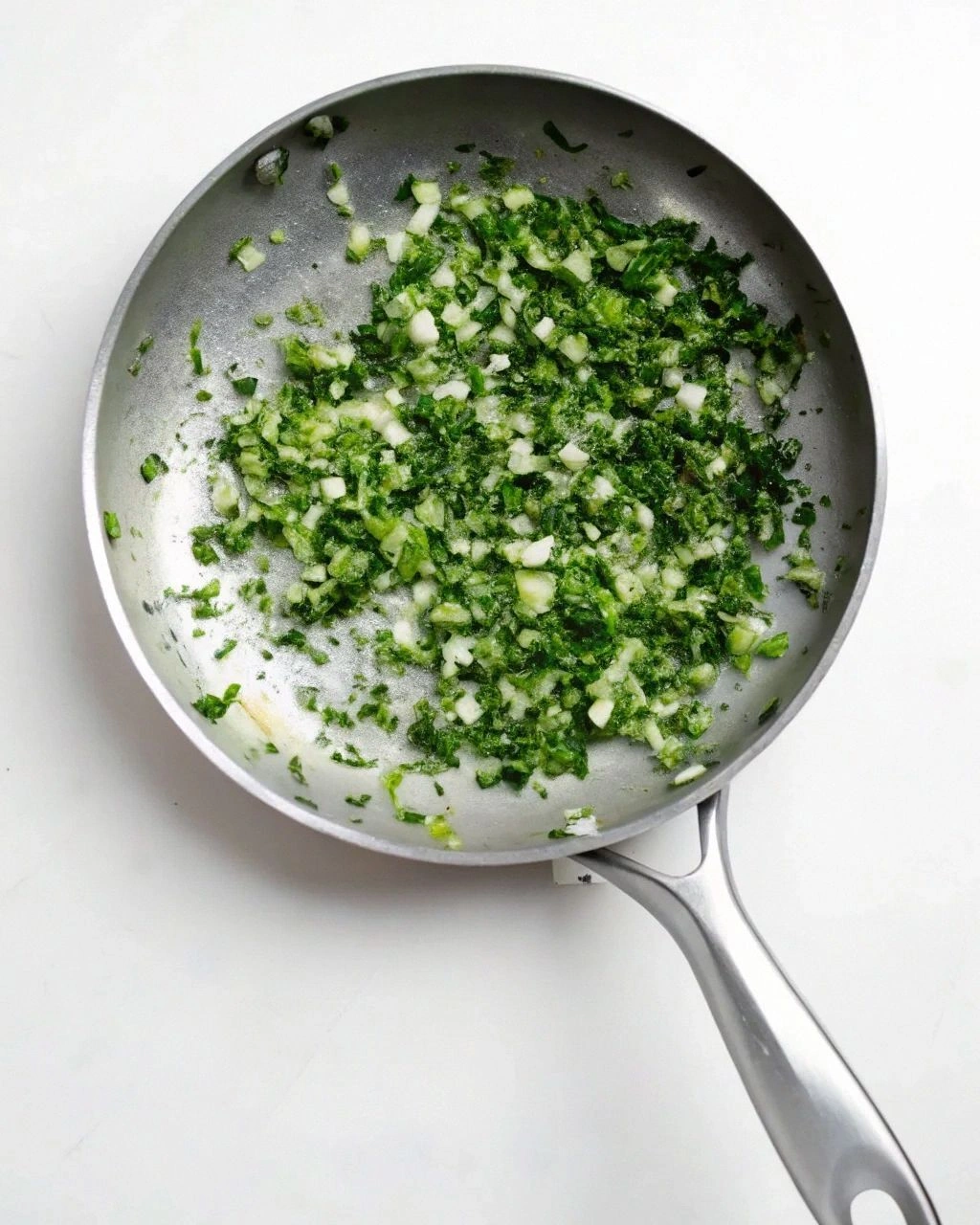
- Now comes the fun part — adding the spinach. If you're using fresh spinach, you'll need to do this in batches because trying to fit 10 cups of spinach into one pan is like trying to stuff a king-size comforter into a twin duvet cover. Add about 4 cups at a time, letting it wilt down before adding more. Use tongs to toss everything together, and watch as the mountain of greens shrinks down to something that actually fits in your pan. Keep cooking and stirring until the spinach is dark green and glossy, and most importantly, the liquid has evaporated. This should take about 8-10 minutes total.
- While your spinach is doing its thing, grab a large bowl and whisk together the eggs, milk, Dijon mustard, hot sauce, nutmeg, salt, and pepper. Here's the thing about eggs — you want to whisk them just enough to combine everything, but not so much that they become frothy. Frothy eggs make for a casserole with a weird, spongy texture. Think of it like you're giving the eggs a gentle massage, not beating them into submission. The mixture should be smooth and homogenous, with no streaks of egg white or yolk.
- Add the cooked spinach mixture to the bowl with the custard and stir to combine. Let this sit for about 5 minutes so the flavors can get acquainted. While you're waiting, cube your bread into 1-inch pieces. Don't stress about making them perfect — this is rustic comfort food, not a geometry test. Add the bread cubes to the bowl and gently fold everything together. You want every piece of bread to get coated in that beautiful green-speckled custard, but try not to break up the bread too much.
- Fold in half of the grated cheese, then pour the whole mixture into your buttered baking dish. Press down gently so everything is in an even layer, but don't pack it down like you're making cement. Sprinkle the remaining cheese over the top, creating what will become a golden, bubbling crust that makes people weak in the knees. At this point, you can cover it with plastic wrap and refrigerate overnight, or if you're too impatient (I feel you), you can bake it right away.
- If you're baking immediately, pop it into the oven for 30-35 minutes. If it's been refrigerated, add about 10-15 minutes to the cooking time. Here's where you need to channel your inner food detective — the casserole is done when it's puffed up like a proud soufflé, the top is golden brown with some darker cheesy spots, and when you give the pan a gentle shake, the center jiggles like set gelatin. If it sloshes around like a wave pool, give it 5 more minutes and check again.
- Resist the urge to cut into it immediately. I know, I know — it smells incredible and you're starving. But letting it rest for 10 minutes is what transforms it from "really good" to "I need to sit down, this is too much deliciousness." During this time, the custard sets up properly, making it easy to slice into beautiful squares that hold their shape. Plus, you won't burn your tongue on molten cheese, which is always a bonus.
Insider Tricks for Flawless Results
The Temperature Rule Nobody Follows
Here's the thing about eggs — they're drama queens when it comes to temperature. If you pull your eggs straight from the fridge and start whisking, you're already behind. Room temperature eggs mix more easily with the milk, creating a smoother custard that bakes more evenly. I know, I know, who has time to plan ahead for room temperature eggs? But seriously, just put them in a bowl of warm water for 5 minutes while you're prepping everything else. It's like giving them a quick spa treatment, and the difference in your final texture is night and day. Cold eggs can cause your butter to seize up when you mix everything, creating little pockets of solidified fat that never quite incorporate properly.
Why Your Nose Knows Best
After making this casserole approximately 47 times (yes, I counted), I've discovered that your nose is actually the most reliable indicator of when it's perfectly done. When the nutmeg and butter start to smell toasty and almost caramel-like, you're in the sweet spot. If you wait for visual cues alone, you'll either underbake (soggy middle) or overbake (dry edges). But that aroma — that perfect marriage of egg custard, melted cheese, and gently toasted bread — that's when you know you've hit breakfast nirvana. I dare you to taste this and not go back for seconds when it's at peak aromatic perfection.
The 5-Minute Rest That Changes Everything
I get it — when something smells this good, waiting feels like torture. But here's what happens during those crucial 5 minutes of resting: the custard finishes setting from residual heat, the cheese firms up just enough to slice cleanly, and the flavors redistribute so every bite tastes like the best bite. Skip this step and you'll have a molten mess that falls apart when you try to serve it, plus you'll burn your tongue so badly you won't taste anything for the rest of the meal. I learned this the hard way when I served this to my book club and we all sat around with numb mouths, unable to discuss the book because we'd destroyed our taste buds with impatient casserole consumption.
Creative Twists and Variations
This recipe is a playground. Here are some of my favorite ways to switch things up:
The Mediterranean Makeover
Swap the gruyere for feta cheese, add some sun-dried tomatoes and Kalamata olives to the spinach mixture, and throw in a handful of fresh dill. Suddenly you've got a casserole that tastes like you're eating breakfast on a Greek island, minus the jet lag and currency exchange headaches. The salty feta creates these little flavor bombs throughout, while the sun-dried tomatoes add a sweet-tart punch that makes the spinach taste even greener somehow. I'll be honest — I ate half the batch before anyone else got to try it when I made this version.
The Southwestern Sunrise
Replace the nutmeg with cumin and add a diced poblano pepper to the shallot mixture. Use pepper jack cheese instead of gruyere, and stir in some corn kernels and black beans. Top with fresh cilantro and serve with salsa on the side. This version has just enough heat to wake up your taste buds without setting your mouth on fire, and the corn adds these little pops of sweetness that contrast beautifully with the earthy spinach. If you've ever struggled with getting your family to eat greens, this is the gateway drug that actually works.
The Everything Bagel Edition
Use everything bagel seasoning instead of plain salt, swap the gruyere for cream cheese cubes and smoked salmon pieces, and add some capers to the custard mixture. It's like your favorite Sunday bagel exploded into casserole form, but somehow even better because you get crispy edges with every bite. The cream cheese creates these melty pockets that make each forkful feel indulgent, while the smoked salmon adds that umami depth that makes people ask if you went to culinary school. Pro tip: serve this with mimosas and pretend you're at a fancy brunch spot, even if you're still wearing yesterday's pajamas.
The Mushroom Lover's Dream
Add a pound of mixed mushrooms (cremini, shiitake, oyster) sautéed until golden and deeply caramelized. Use fontina cheese for its incredible melting properties and add fresh thyme to complement the earthiness. The mushrooms add this meaty, almost steak-like quality that makes this version satisfying enough for the most devoted carnivores. Contrary to what most recipes tell you, don't salt your mushrooms until after they've browned — salting too early draws out moisture and prevents that beautiful caramelization that takes this from good to legendary.
The Everything-But-The-Kitchen-Sink
This is my go-to for using up whatever's lurking in the fridge. Leftover roasted vegetables? Chop them up and throw them in. Half a bell pepper? Dice it small and sauté with the shallots. That little nub of cheese that's too small for anything else? Grate it up and add it to the mix. The base recipe is so forgiving that you can add up to a cup of extra ingredients without throwing off the custard ratio. Just keep the additions to things that won't release too much liquid (tomatoes are the enemy here), and you'll end up with a different but equally delicious casserole every time.
Storing and Bringing It Back to Life
Fridge Storage
Leftover casserole (if such a thing exists in your house) keeps beautifully in an airtight container in the fridge for up to 5 days. I like to cut it into individual portions first, so I can grab a piece for a quick breakfast without exposing the whole casserole to air every time. Wrap each piece in plastic wrap, then store all the wrapped pieces in a large zip-top bag. This prevents the casserole from absorbing any weird fridge flavors and keeps the texture from drying out. Pro tip: write the date on the bag with a Sharpie, because "I'll definitely remember when I made this" is the biggest lie we tell ourselves in the kitchen.
Freezer Friendly
This casserole freezes like a champion, which is why I usually make a double batch. After baking and cooling completely, cut it into squares and flash-freeze them on a baking sheet for about 2 hours. Once they're solid, wrap each piece in plastic wrap, then aluminum foil, and store in a freezer bag for up to 3 months. When you're ready to eat, unwrap a piece and microwave it on 50% power for 2-3 minutes, or until heated through. The texture won't be quite as perfect as fresh, but it's about 95% there, which is infinitely better than a sad bowl of cereal on a busy morning.
Best Reheating Method
For the love of all that is delicious, please don't microwave this on high power unless you enjoy rubbery eggs. The best method is to place a piece on a microwave-safe plate, add a tiny splash of water (about 1/4 teaspoon), cover with a damp paper towel, and microwave on 50% power for 60-90 seconds. The water creates steam that keeps the custard creamy instead of turning it into a hockey puck. If you have more time, reheating in a toaster oven at 325°F for about 10 minutes gives you results that are almost indistinguishable from fresh. Add a tiny splash of water before reheating — it steams back to perfection like it was never refrigerated at all.