I was halfway through a night‑long marathon of burnt toast, soggy bagels, and a single over‑cooked chicken breast when my roommate burst through the kitchen door, eyes wide and voice trembling. “I swear, this casserole is the only thing that could save us from a culinary apocalypse,” she declared, holding up a battered plastic bag of boxed mac & cheese that looked like it had survived a tornado. I laughed, but the truth was that even my most seasoned cooking instincts had failed me that night. The kitchen smelled like regret and burnt sugar, and I knew I had to do something that would make everyone forget the disaster and taste something that would stay on their lips long after the last bite.
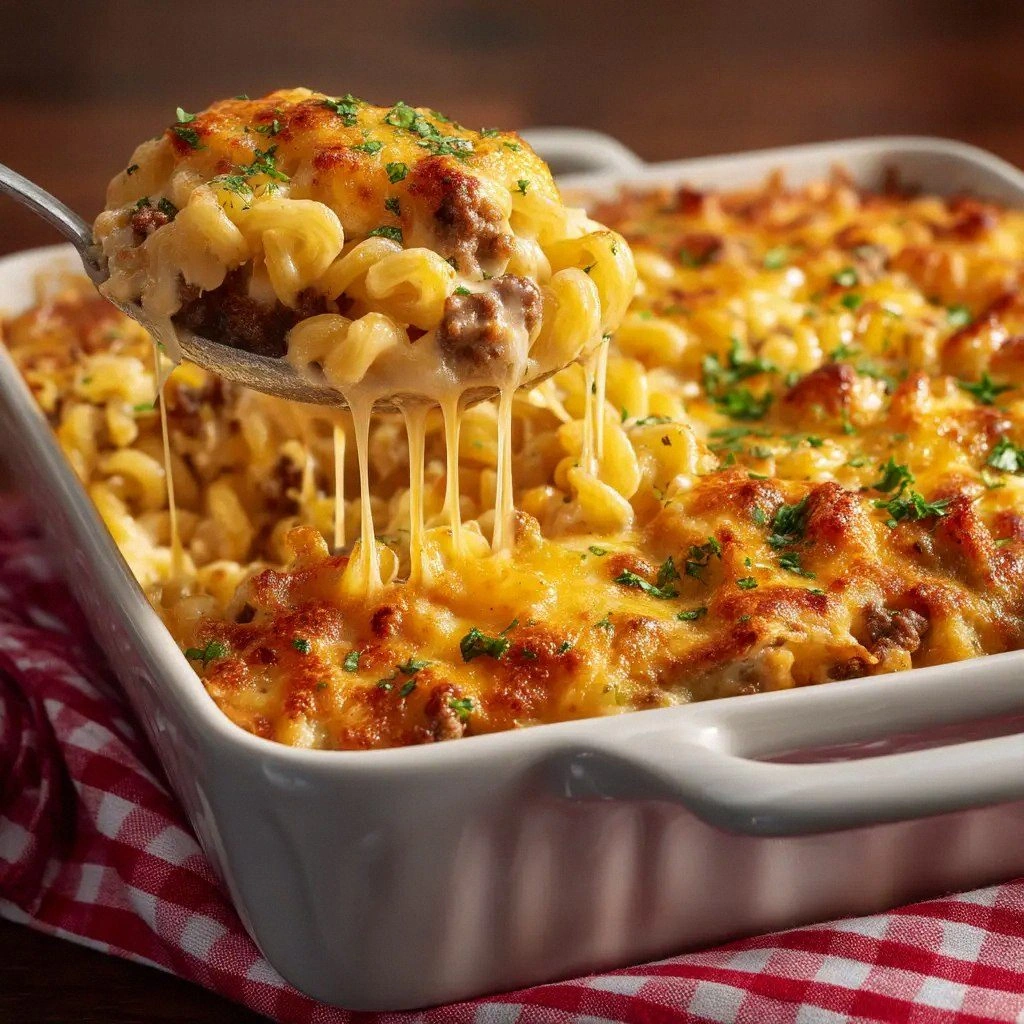
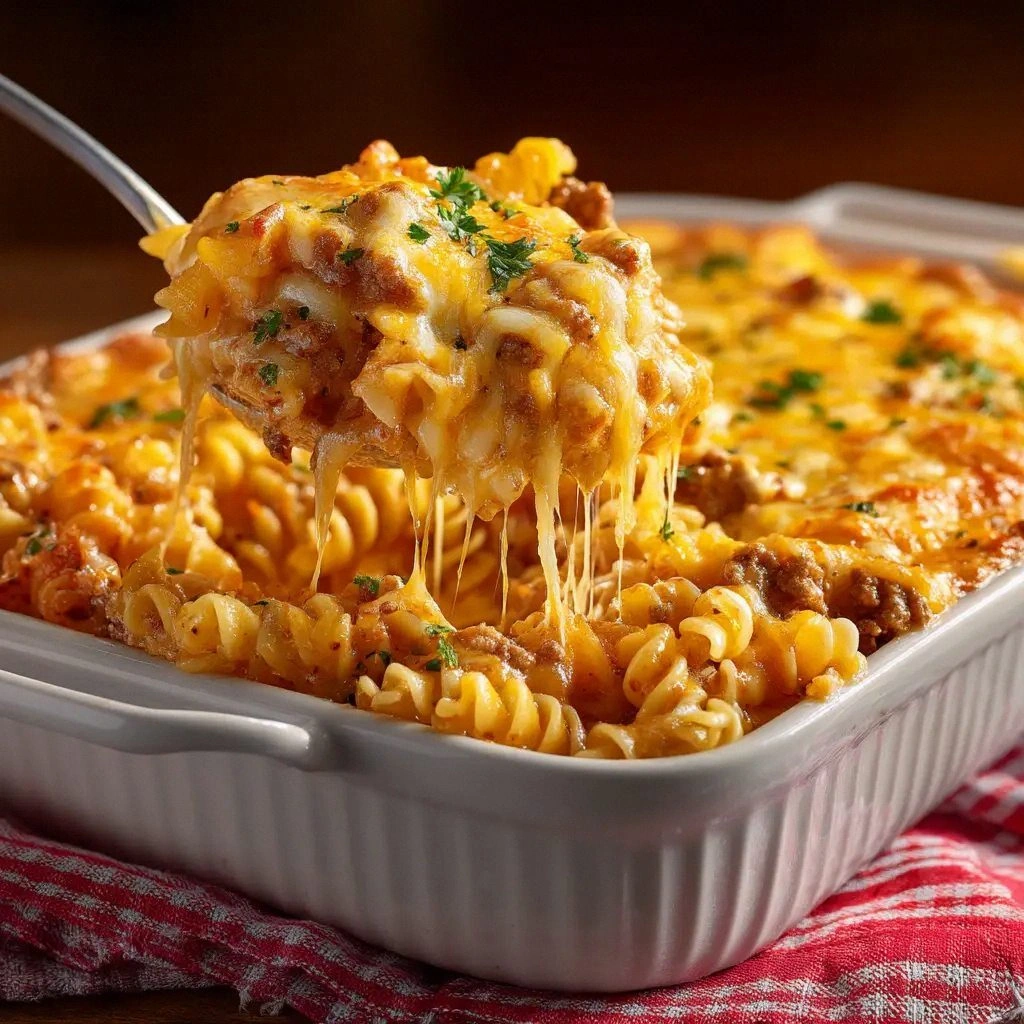
Picture a pot of pasta that releases a sweet, nutty aroma as it swirls, the sound of meat sizzling into a golden crust, and the visual of a glossy, tomato‑red sauce that glistens like a jewel. The first bite hits with the savory crunch of browned beef, the smoothness of melted cheddar, and a whisper of garlic that lingers like a secret. The texture is a paradox—chewy pasta, creamy cheese, and a slight crunch from the toasted breadcrumbs that top the casserole. The heat rises, filling the kitchen with a comforting promise that this dish will transform any ordinary night into something extraordinary. It’s a sensory rollercoaster that starts with a simple stir and ends with a sigh of pure satisfaction.
What makes this version the ultimate comfort food is that it’s not just a mash‑up of pasta and meat; it’s a carefully engineered harmony of flavors, textures, and techniques that most recipes miss. The beef isn’t just ground; it’s browned to create a caramelized crust that adds depth and a slight bitterness that balances the sweetness of the tomatoes. The sauce is thickened with a splash of beef broth and Worcestershire sauce, giving it a velvety body that clings to each noodle. Cheddar cheese is layered in a way that it melts into a golden crust while still leaving pockets of gooey cheese that explode with every forkful. The final flourish—a sprinkle of whole milk—softens the edges and prevents the casserole from drying out, giving it that silky finish that feels like a hug in a bowl.
I dare you to taste this and not go back for seconds, because the first bite will convince you that you’ve been missing out on the best version of this dish all your life. I’ve spent countless hours tweaking the ratios, and this is hands down the best version you’ll ever make at home. The secret? A slow‑simmer that allows the flavors to marry, a generous use of sharp cheddar for that unmistakable bite, and a final bake that creates a crispy, golden top that shatters like thin ice when you cut into it. If you’ve ever struggled with a casserole that ends up soggy or bland, you’re not alone—and I’ve got the fix.
Picture yourself pulling this out of the oven, the whole kitchen smelling incredible, and the family gathering around the table with wide eyes and empty plates. The moment the lid lifts, steam curls like a cloud of savory mist, and the first bite is a symphony of textures and flavors. This is the moment of truth, the one that turns a simple dinner into a celebration. Okay, ready for the game‑changer? Let me walk you through every single step—by the end, you’ll wonder how you ever made it any other way.
What Makes This Version Stand Out
- Taste: The caramelized beef provides a deep, savory backbone that lifts the tomato base, creating a flavor profile that feels both familiar and adventurous. The subtle bitterness from the browned meat balances the sweetness of the tomatoes, resulting in a complex, mouth‑watering experience.
- Texture: The pasta remains al dente, while the cheese melts into a silky, gooey layer that contrasts with the crispy breadcrumb topping. The result is a multi‑layered bite that never feels cloying.
- Ingredient Quality: Using lean ground beef and sharp cheddar ensures that the casserole is rich without being greasy. Fresh onions and garlic add brightness and depth that canned ingredients can’t match.
- Simplicity: The recipe requires only a handful of pantry staples, yet it delivers a restaurant‑level dish that feels indulgent. No fancy sauces or obscure spices—just smart use of what you already have.
- Crowd Reaction: This casserole is a guaranteed hit at family gatherings or potlucks. Its comforting flavors appeal to all ages, and the crispy top makes it a visual treat.
- Make‑Ahead Potential: The dish can be assembled ahead of time and frozen, then baked straight from the freezer for a quick weeknight dinner. The flavors actually deepen when reheated.
- Future Pacing: Imagine a future where you’re hosting a game night and this casserole sits on the counter, ready to impress guests with its aroma and taste. You’ll be the hero of the evening, and everyone will ask for the recipe.
Inside the Ingredient List
The Flavor Base
The foundation of any great casserole starts with a robust flavor base. Here, lean ground beef is the star, providing protein, fat, and a savory depth that’s essential for a hearty dish. The beef should be browned until it’s a deep, caramelized brown; this not only locks in juices but also introduces a subtle bitterness that balances the sweetness of the tomatoes. Onions and garlic are sautéed in a splash of olive oil until translucent and fragrant, releasing their natural sugars and creating a sweet, aromatic backdrop for the meat.
If you skip the browning step, the casserole will lack that essential umami kick, resulting in a flat, one‑dimensional flavor. For a slightly spicier twist, add a pinch of crushed red pepper flakes while cooking the onions and garlic. A small amount of fresh thyme or oregano can also elevate the dish, but keep the seasoning minimal so the cheddar remains the star.
The diced tomatoes bring acidity and moisture, but they also carry a subtle sweetness that cuts through the richness of the beef. Use a high‑quality canned variety with no added sugars to keep the flavor pure. If you’re feeling adventurous, replace half of the diced tomatoes with sun‑dried tomatoes for a concentrated, slightly sweet note.
The Texture Crew
Short pasta, such as elbow macaroni or shells, is chosen for its ability to hold sauce and its firm bite. When cooked al dente, it provides a satisfying chew that contrasts with the creamy cheese and crispy topping. The pasta should be drained and rinsed with cold water to stop the cooking process and keep it from sticking together.
Whole milk is added to the sauce to create a velvety texture that coats the pasta without making it soupy. The milk also helps to bind the cheese and beef together, creating a cohesive layer that melts beautifully in the oven. If you’re lactose intolerant, substitute with a non‑dairy milk that has a neutral flavor, such as oat or soy, and add a splash of nutritional yeast for depth.
Cheddar cheese is the centerpiece of the creamy, gooey texture. Sharp cheddar provides a robust flavor and a slightly crumbly melt that contrasts with the smoothness of the milk. Sprinkle a thin layer of breadcrumbs mixed with a bit of melted butter on top before baking to create a golden, crispy crust that adds crunch and visual appeal.
The Unexpected Star
Worcestershire sauce is the secret ingredient that elevates this casserole from ordinary to extraordinary. It adds a complex, umami‑rich depth that can’t be achieved with plain beef broth alone. A tablespoon is enough to bring a subtle tang and a hint of sweetness that balances the dish’s richness.
If you’re a fan of bold flavors, consider adding a teaspoon of smoked paprika or a dash of hot sauce to give the casserole a smoky, spicy edge. These additions should be used sparingly to avoid overpowering the delicate balance of the cheddar and tomato.
The Final Flourish
A pinch of salt, black pepper, and garlic powder tie all the elements together, ensuring that the flavors are fully realized. The salt should be added in stages—first when browning the beef, then when the sauce is finished—so you can control the overall seasoning. Pepper adds a gentle heat, while garlic powder rounds out the aromatic profile.
If you’re watching sodium intake, you can reduce the salt to ¾ teaspoon and increase the garlic powder to compensate. The final result will still be flavorful, with the cheddar and Worcestershire sauce providing enough richness to satisfy.
Everything’s prepped? Good. Let’s get into the real action and bring this casserole to life.
The Method — Step by Step
- Cook the pasta according to the package instructions until it’s just shy of al dente. Drain and rinse with cold water to stop the cooking process and prevent sticking. This step ensures that the pasta won’t become mushy during the baking stage. Let the pasta sit aside while you brown the meat.
- Heat a large skillet over medium‑high heat and add a splash of olive oil. Once the oil shimmers, add the ground beef. Break it apart with a wooden spoon and cook until it’s no longer pink, about 5–7 minutes. The goal is a deep, caramelized crust that locks in flavor.
- Add the diced onion and minced garlic to the skillet. Sauté until the onion turns translucent and the garlic releases its aroma, about 3 minutes. The onions should be soft but not browned, providing a sweet base that complements the beef.
- Stir in the diced tomatoes, beef broth, Worcestershire sauce, salt, pepper, and garlic powder. Bring the mixture to a gentle simmer, letting it thicken slightly, about 5 minutes. The sauce should coat the back of a spoon and have a glossy sheen.
- In a large mixing bowl, combine the cooked pasta with the beef‑tomato sauce. Stir until every noodle is coated in the sauce. The mixture should be moist but not soupy—if it’s too dry, add a splash more broth.
- Pour the pasta mixture into a greased 9×13 inch baking dish. Spread it evenly so that the sauce touches the edges, ensuring even baking.
- In a small saucepan, melt the whole milk over low heat until it’s warm but not boiling. Pour the milk over the pasta, then sprinkle the shredded cheddar cheese evenly on top. The cheese should begin to melt and bubble, forming a golden crust.
- Bake in a preheated 375°F (190°C) oven for 25–30 minutes, or until the cheese is melted, bubbly, and the top has a golden crust. The edges should start pulling away from the sides of the dish, indicating perfect caramelization.
- Remove from the oven and let the casserole rest for 5 minutes before serving. Resting allows the flavors to settle and the cheese to set slightly, making it easier to cut clean slices.
- Serve hot, optionally garnishing with fresh parsley or a drizzle of olive oil for a touch of brightness. Pair with a crisp green salad or steamed broccoli to balance the richness.
That’s it— you did it. But hold on, I've got a few more tricks that'll take this to another level.
Insider Tricks for Flawless Results
The Temperature Rule Nobody Follows
Many people bake casseroles at a high temperature, which can cause the cheese to burn before the pasta is fully cooked. The trick is to bake at a moderate 375°F (190°C) and keep an eye on the bubbling cheese. If you notice the top starting to brown too fast, cover the dish loosely with foil to prevent scorching while the rest of the casserole finishes.
Why Your Nose Knows Best
Your sense of smell is your best judge of doneness. When the casserole is ready, the aroma will be a rich, savory blend of beef, tomato, and cheese, with a faint hint of garlic. If you still smell raw onions or a metallic tang, it’s time to give it a few more minutes.
The 5-Minute Rest That Changes Everything
After baking, let the casserole rest for exactly five minutes. This short pause allows the cheese to set, making it easier to cut clean slices, and lets the flavors meld together. Skipping this step often leads to a mess on the cutting board.
Use a Cast‑Iron Skillet for Browning
A cast‑iron skillet retains heat better than stainless steel, giving the beef a more even browning and a deeper flavor. It also means you can transfer the skillet directly to the oven if you’re using a cast‑iron baking dish, reducing the number of pans and cleanup.
Don’t Skimp on the Milk
Whole milk adds richness and helps the cheese melt into a silky coating. If you’re looking for a lower‑fat version, replace it with a half‑and‑half or a light cream, but keep the quantity the same to preserve the texture.
Creative Twists and Variations
Cheesy Taco Casserole
Swap the diced tomatoes for salsa and add taco seasoning to the beef. Top with shredded Monterey Jack and sprinkle crushed tortilla chips on the finish for an extra crunch. This version is perfect for a Tex‑Mex themed dinner.
Greek‑Inspired Version
Use feta cheese instead of cheddar and add chopped Kalamata olives, diced cucumber, and a handful of spinach. Finish with a drizzle of olive oil and a squeeze of lemon for a bright, Mediterranean flavor.
Vegan Adaptation
Replace the ground beef with crumbled tofu or a plant‑based mince, use a vegan cheddar substitute, and swap whole milk for oat milk. This keeps the dish plant‑based while still delivering that gooey, comforting texture.
Breakfast Casserole
Add a handful of chopped breakfast sausage and a splash of maple syrup to the sauce. Use a mix of egg noodles and short pasta, and top with shredded cheddar. Serve with a side of scrambled eggs for a hearty breakfast.
Spicy Jalapeño Kick
Dice fresh jalapeños and stir them into the beef mixture. Add a dash of hot sauce and finish with a sprinkle of smoked paprika for a smoky heat that pairs well with the cheddar.
Garden Fresh Upgrade
Add diced bell peppers, zucchini, and mushrooms to the sauce for extra color and nutrition. The vegetables soften during baking and release their sweet flavors, complementing the savory beef.
Storing and Bringing It Back to Life
Fridge Storage
Cool the casserole to room temperature before covering it tightly with aluminum foil or a lid. Store in the refrigerator for up to 4 days. When reheating, add a splash of milk or broth to keep the sauce from drying out.
Freezer Friendly
Let the casserole cool completely, then wrap it tightly in plastic wrap followed by a foil layer. Freeze for up to 3 months. Thaw overnight in the refrigerator before reheating.
Best Reheating Method
Reheat in a 350°F (175°C) oven for 20–25 minutes, or until heated through. Add a tablespoon of water to the bottom of the dish to create steam, then cover with foil. This trick ensures the cheese stays moist and the pasta doesn’t become dry.