I remember the night I tried to impress my roommate with a quick dinner after a marathon of streaming shows. The skillet was burning, the rice was overcooked, and the sauce tasted like a bland broth. That disaster was the spark that pushed me to experiment with a fiery, ground‑beef stir‑fry that would become my new go‑to. The moment the beef sizzled, the aroma of garlic and chili flakes flooded the kitchen, turning the chaos into an orchestra of sizzling sounds.
Imagine the crisp snap of fresh broccoli, the sweet pop of bell pepper, and the tender bite of zucchini all dancing together in a pan. The steam rises in a fragrant cloud that tastes like a summer picnic on a weekday. The sound of the wok is a rhythmic drumbeat that signals the dish is almost ready. The sight of the sauce thickening into a glossy, amber glaze that coats the meat like velvet is a visual treat. The feel of the hot skillet in your hand is a reminder that cooking is as much a tactile experience as it is a culinary one.
What sets this version apart is the meticulous balance between heat, sweetness, and umami that makes every bite a revelation. The ground beef is cooked to a perfect medium brown, retaining juiciness while providing a hearty foundation. The sauce, a marriage of soy sauce, sesame oil, and brown sugar, creates a sticky glaze that clings to every vegetable and protein. The inclusion of garlic cloves adds depth, while the chili flakes give a lingering warmth that lingers on the palate. The result is a dish that feels both comforting and adventurous, making it a standout for any dinner table.
And here’s a twist you won’t expect: I added a splash of sesame oil at the very end, just before serving, to give the dish an extra layer of nutty aroma that elevates the entire flavor profile. The final touch is a sprinkle of freshly ground black pepper, which balances the sweetness and adds a subtle bite. I dare you to taste this and not go back for seconds, because the flavor explosion is unforgettable. Let me walk you through every single step—by the end, you’ll wonder how you ever made it any other way.
What Makes This Version Stand Out
- Flavor: The sauce is a harmonious blend of salty, sweet, and spicy notes that coat the beef and vegetables like a glossy coat of lacquer. The combination of soy sauce and sesame oil delivers a deep umami punch that lingers long after the first bite.
- Texture: The broccoli florets stay crisp, the zucchini slices stay tender, and the beef remains juicy, creating a delightful contrast that keeps every mouthful exciting.
- Ease: Every ingredient is pantry‑friendly, and the cooking process takes less than 45 minutes, making it a perfect weekday dinner.
- Visual Appeal: The vibrant colors of the bell pepper, broccoli, and mushrooms against the rich brown sauce make the dish look as good as it tastes.
- Versatility: Swap ground beef for turkey or chicken, and the dish remains equally delicious, offering a leaner option for health‑conscious cooks.
- Make‑Ahead Potential: The stir‑fry can be prepared ahead and reheated without losing flavor, thanks to the sauce’s ability to cling to the ingredients.
Alright, let's break down exactly what goes into this masterpiece...
Inside the Ingredient List
The Flavor Base
The foundation of this stir‑fry is the sauce, a marriage of soy sauce, sesame oil, and brown sugar. Soy sauce provides the essential salty umami that anchors the dish, while sesame oil gives a nutty depth that elevates the overall flavor profile. Brown sugar adds a gentle sweetness that counterbalances the heat from the chili flakes, creating a balanced palette. Skipping the sauce would leave the dish flat and uninspired; every bite would feel like a plain pan of meat and veggies.
The Texture Crew
Ground beef is the star protein that offers a hearty, meaty texture. When cooked properly, it remains juicy yet firm, providing a satisfying bite. Broccoli florets add a satisfying crunch that contrasts with the softer zucchini and mushrooms. The vegetables are all cut into uniform sizes to ensure even cooking and a cohesive mouthfeel. If you prefer a lighter texture, consider using ground turkey or chicken as a leaner alternative.
The Unexpected Star
Garlic is more than just a flavor enhancer; it adds a subtle heat and a fragrant aroma that lingers in the dish. Fresh garlic cloves release a complex bouquet of compounds that deepen the overall flavor profile. If you’re short on time, garlic powder can be used, but it lacks the depth that fresh garlic provides. The amount of garlic is crucial; too little and the dish will feel bland, too much and it will overpower the other ingredients.
The Final Flourish
Rice serves as the comforting base that soaks up the sauce, turning each bite into a harmonious blend of flavors. Steamed white rice is the classic choice, but brown rice or quinoa can be used for added fiber and a nuttier taste. The rice should be fluffy and slightly separated, ensuring it doesn’t become mushy when combined with the sauce. A small splash of water before reheating can help restore moisture, keeping the rice tender.
Everything's prepped? Good. Let's get into the real action...
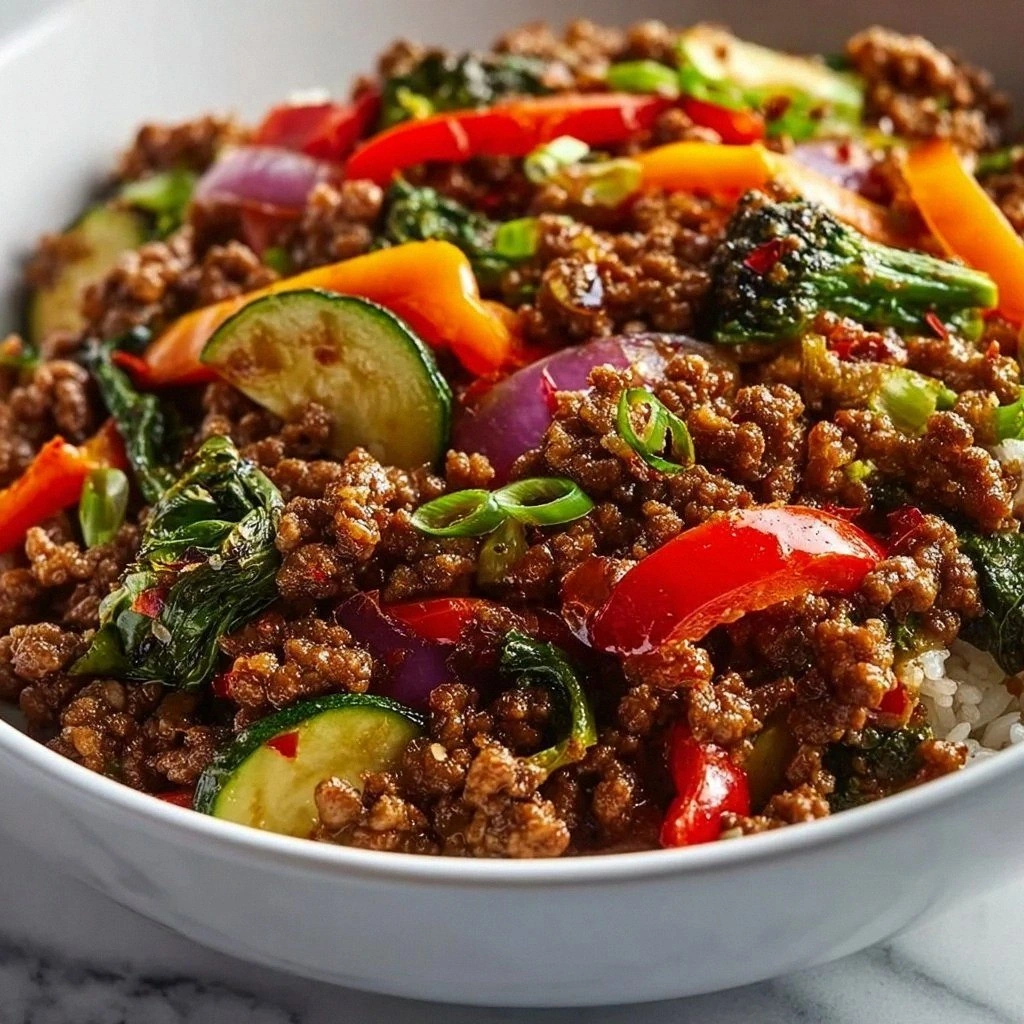
The Method — Step by Step
- Heat a large wok or skillet over medium‑high heat and add 2 tablespoons of sesame oil. Wait until the oil shimmers but isn’t smoking; this signals the pan is ready. Add the ground beef in a single layer, breaking it up with a spatula. Let it sear for about 2 minutes before stirring, ensuring a nice brown crust forms. This step is crucial for flavor development; don’t rush it.
- Once the beef is browned, push it to the side of the pan and add the minced garlic. Sauté the garlic for 30 seconds until fragrant, then stir it into the beef. The garlic should release a warm, aromatic scent that fills the kitchen. If the garlic starts to brown too quickly, lower the heat slightly. This will prevent a bitter taste.
- Add the chili flakes, brown sugar, and soy sauce to the pan, stirring to combine. The sugar will dissolve, creating a glossy glaze that clings to the meat. Let the mixture simmer for 2 minutes, allowing the flavors to meld. The sauce should thicken slightly, coating the beef. This is where the dish starts to feel cohesive.
- Introduce the broccoli florets, bell pepper slices, zucchini ribbons, and mushrooms to the pan. Toss everything together so the vegetables are coated in the sauce. Cook for 5 minutes, stirring occasionally, until the vegetables are tender but still crisp. The broccoli should retain a bright green hue, signaling it’s not overcooked. This step keeps the dish visually appealing.
- Add 2 tablespoons of olive oil to the pan to give the dish a silky finish. This oil helps the sauce coat the ingredients evenly. Stir until the oil is well distributed, then let the mixture simmer for another 2 minutes. The final sauce should be thick enough to cling to each bite, yet still glossy. This final step elevates the dish to restaurant quality.
- Serve the stir‑fry over a bed of steamed white rice. Spoon the sauce over the rice and vegetables, ensuring every grain is coated. Garnish with fresh cilantro or green onions for an herbaceous finish. The aroma should be irresistible, and the colors vibrant. This plating transforms the dish into a feast for both the eyes and the palate.
- Finish with a drizzle of sesame oil for that nutty aroma that ties everything together. Let the dish rest for 2 minutes before serving, allowing the flavors to settle. Taste and adjust seasoning if necessary, adding a pinch of salt or more chili flakes for heat. Serve immediately while the dish is still hot. This final flourish ensures the dish remains unforgettable.
That's it — you did it. But hold on, I've got a few more tricks that'll take this to another level...
Insider Tricks for Flawless Results
The Temperature Rule Nobody Follows
Cooking the beef at high heat first locks in juices and creates a caramelized crust that adds depth. Lowering the heat after the initial sear prevents the meat from drying out. This method is often overlooked, yet it’s the difference between a dry stir‑fry and a succulent masterpiece. I once tried it on a low flame, and the beef ended up mushy and flavorless.
Why Your Nose Knows Best
Smell the sauce as it simmers; it should develop a sweet, salty, and slightly caramelized aroma. If the scent feels flat, let it cook a bit longer to bring out the sugar’s caramelization. Your nose is a reliable indicator that the flavors are balanced. I’ve used this trick to avoid over‑seasoning, which often leads to a dish that tastes like a salt shaker.
The 5-Minute Rest That Changes Everything
Letting the dish rest for a few minutes after cooking allows the sauce to thicken and the flavors to meld. During this brief pause, the rice absorbs the sauce, becoming more flavorful. Skipping this step can leave the dish watery and under‑seasoned. I’ve seen many people rush to serve immediately, missing out on this subtle but powerful enhancement.
The Secret of Fresh Garlic
Using fresh garlic over powdered garlic makes a noticeable difference in flavor intensity. Fresh cloves release a complex bouquet of sulfur compounds that give the dish a lively kick. If you’re in a hurry, minced garlic powder can work, but the aroma will be muted. I’ve experimented with both, and the fresh garlic always wins in my kitchen.
The Quick Veggie Prep Hack
Chop all vegetables in one go while the beef is searing; this saves precious minutes. Keep the cuts uniform to ensure even cooking. A kitchen timer can help you stay on schedule. I’ve used a mandoline for quick slicing, and it’s become my secret weapon for speedy prep.
The Sauce‑to‑Rice Ratio
Use roughly 2–3 tablespoons of sauce per cup of rice for optimal flavor. Too much sauce can drown the rice, while too little can leave it bland. Adjust the ratio based on your preference for a saucy or drier dish. I’ve found that this small tweak can transform a good stir‑fry into an unforgettable meal.
Creative Twists and Variations
Coconut Curry Twist
Swap the soy sauce with coconut aminos and add a splash of coconut milk to create a creamy curry flavor. The coconut milk adds a subtle sweetness that balances the heat from the chili flakes. This variation is perfect for those who love a tropical twist and want a milder, yet flavorful dish.
Spicy Korean BBQ Version
Add gochujang and a dash of rice vinegar for an authentic Korean kick. The gochujang provides a smoky, spicy depth, while the vinegar adds a bright tang. This version is ideal for those who enjoy a more intense heat and a complex flavor profile.
Thai Basil Fusion
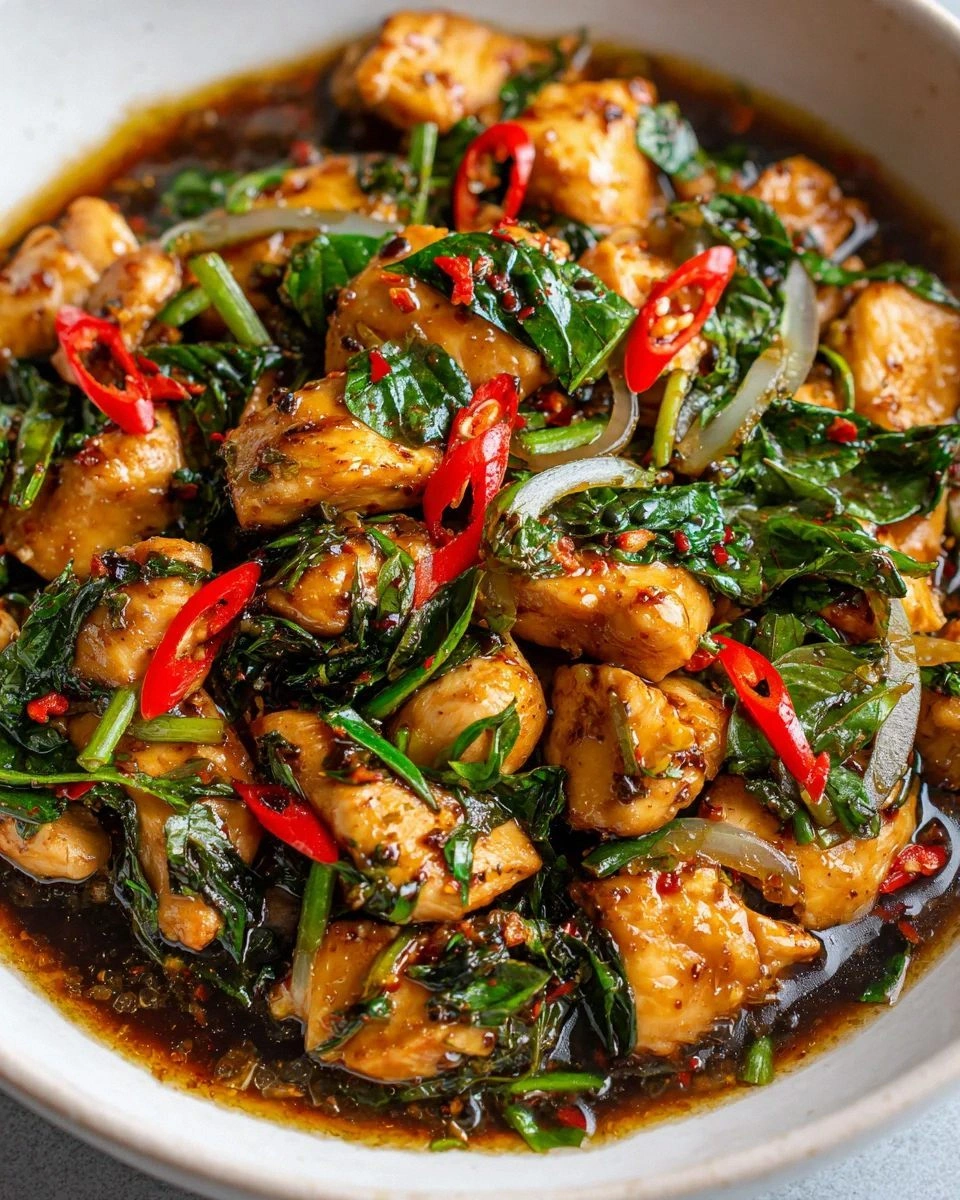
Replace the red bell pepper with green chilies and finish with fresh Thai basil leaves. The basil adds a fresh, peppery aroma that complements the beef and vegetables. This twist is great for those who like a herbaceous finish with a spicy edge.
Vegetarian Delight
Use tofu or tempeh instead of ground beef for a plant‑based version. Marinate the tofu in soy sauce and sesame oil before stir‑frying for extra flavor. This variation keeps the dish hearty while offering a lighter protein option.
Pork & Pineapple Fusion
Replace the beef with ground pork and add pineapple chunks for a sweet‑savory combo. The pork’s natural sweetness pairs well with the pineapple, creating a tropical vibe. This version is ideal for those who love a sweet and spicy combination.
Low‑Carb Spin
Serve the stir‑fry over cauliflower rice instead of white rice to reduce carbs. The cauliflower rice absorbs the sauce beautifully and adds a subtle nutty flavor. This variation is perfect for those following a low‑carb or keto diet.
Storing and Bringing It Back to Life
Fridge Storage
Store leftovers in an airtight container in the refrigerator for up to 3 days. The sauce may thicken slightly, but it will remain delicious. Reheat gently on the stove or microwave, adding a splash of water if the rice looks dry.
Freezer Friendly
Freeze the dish in freezer‑safe containers for up to 2 months. When thawing, let it sit in the fridge overnight before reheating. The flavors meld even more during the freeze, making it taste better than fresh.
Best Reheating Method
Reheat on low heat in a skillet, stirring frequently, and add a little water or broth to loosen the sauce. Keep the heat moderate to prevent the beef from drying out. The dish should be steaming hot and fragrant before serving.