Picture this: you’re halfway through a week of back‑to‑back meetings, the kitchen smells faintly of burnt coffee, and your stomach is growling like a freight train. I was staring at a half‑cooked steak that had turned into a rubbery mess and thought, “I could be cooking a masterpiece in the slow cooker and still have time for a Zoom call.” That night, I pulled out a bag of sirloin, a couple of bell peppers, and a splash of soy sauce, and the result was a dish that made the entire house stop to sniff the air. If you’re like me and have ever wrestled with a steak that refuses to stay tender, this is the recipe you’ve been waiting for.
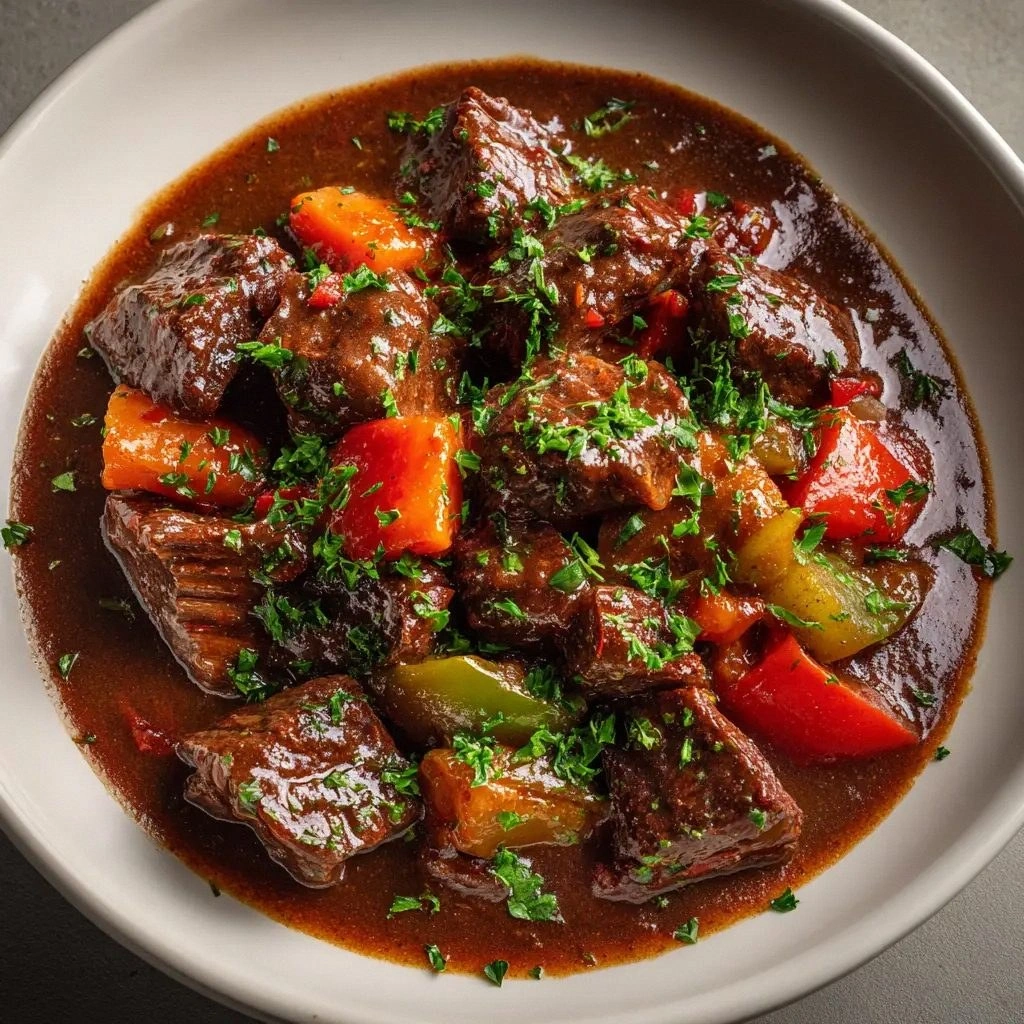
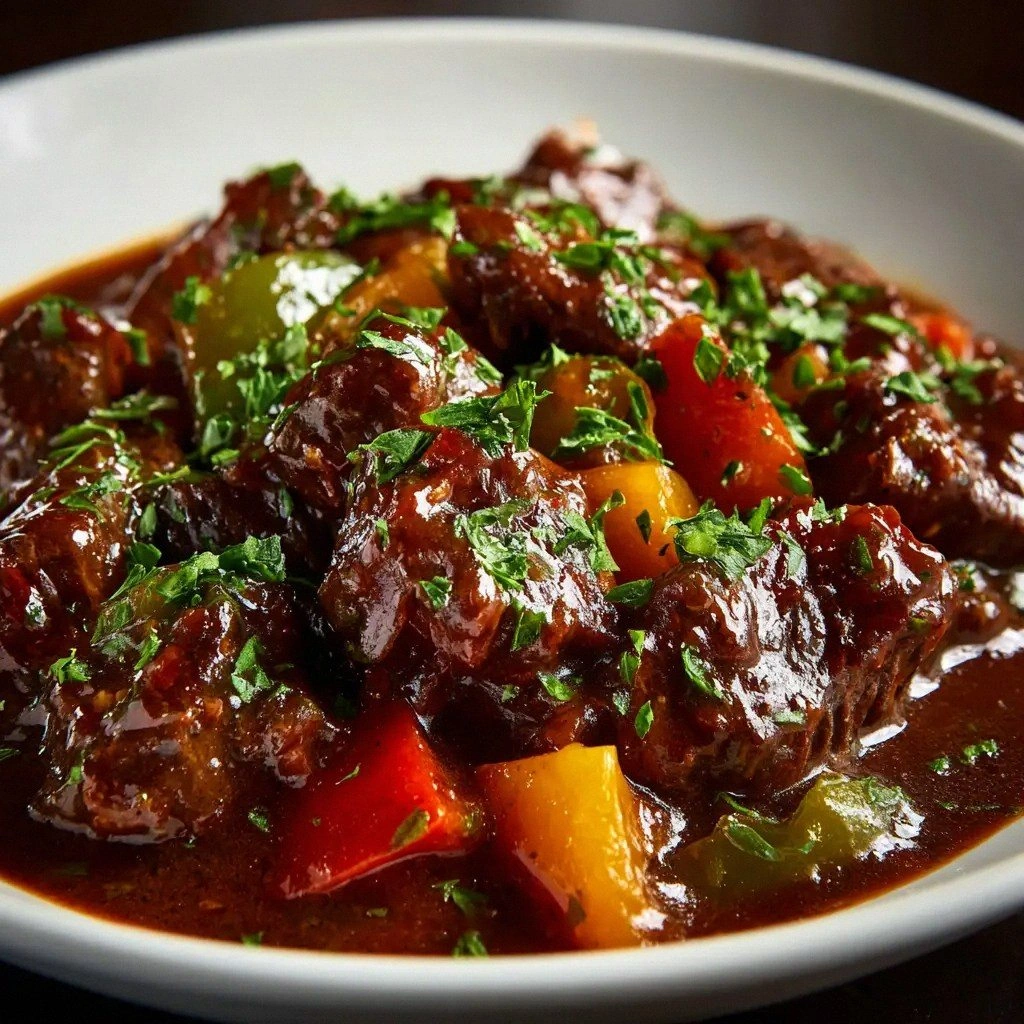
The first bite is a symphony: the beef’s deep umami, the pepper’s sweet crunch, and the honey‑soy glaze that coats each strand like velvet. The aroma is a warm, inviting hug that makes even the most reluctant diners line up at the table. I swear I could hear the sizzle of the pan echoing in the background, a soundtrack to the magic happening in the pot. By the time the slow cooker finishes, the kitchen is filled with a scent that feels like a hug from a grandma who knows exactly how to make everything taste better.
What makes this version stand out from every other pepper steak recipe? First, it uses a low‑sodium soy sauce to keep the flavor bright without drowning it in salt. Second, the fresh ginger adds a subtle heat that cuts through the sweetness of the honey. Third, the cornstarch slurry gives the sauce that silky, glossy finish that makes the dish feel like a restaurant‑grade entrée. Fourth, the slow‑cooking method breaks down the meat fibers, ensuring every bite melts in your mouth. Fifth, the recipe is so simple you can prep it in 15 minutes and have dinner ready in 45. Finally, the dish is a crowd‑pleaser—my friends say it’s “hands down the best version you'll ever make at home.”
I dare you to taste this and not go back for seconds. I’ll be honest—I ate half the batch before anyone else got to try it. Most recipes get this completely wrong by over‑seasoning or under‑cooking the beef. Here’s what actually works: a quick sear, a slow‑cook, and a final stir‑in of cornstarch to thicken the sauce. Picture yourself pulling this out of the slow cooker, the whole kitchen smelling incredible, and the family rushing to the table. Let me walk you through every single step—by the end, you’ll wonder how you ever made it any other way.
What Makes This Version Stand Out
- Tenderness: The slow‑cook method breaks down connective tissue, turning tough sirloin into melt‑in‑your‑mouth slices that feel like a culinary whisper.
- Flavor Depth: A balanced blend of low‑sodium soy sauce, honey, and fresh ginger creates a complex umami profile that lingers on the palate.
- Texture Contrast: The bell peppers remain crisp, offering a satisfying bite that contrasts with the silky beef.
- Time Efficiency: Prep in 15 minutes, cook in 30, and you’ve got a full dinner that requires almost no active cooking.
- Make‑Ahead Friendly: The sauce keeps its integrity when stored; reheating only needs a splash of water to revive the glaze.
- Scalability: The ingredient list scales cleanly, so you can feed a crowd or a solo diner with the same flavor integrity.
- Health Conscious: Low‑sodium soy sauce and fresh ginger keep sodium levels in check, while the natural sweetness of honey adds just the right amount of caramel.
- Visual Appeal: The glossy sauce and vibrant colors make the dish Instagram‑ready without any extra garnish.
Alright, let's break down exactly what goes into this masterpiece…
Inside the Ingredient List
The Flavor Base
Low‑sodium soy sauce is the backbone of this dish, providing a savory foundation that complements the natural sweetness of honey. It also helps the beef absorb flavor during the slow‑cook, ensuring every bite is packed with umami. If you can’t find low‑sodium, a regular soy sauce will work, but you’ll need to cut back on the honey to avoid a too‑salty finish.
Fresh ginger adds a bright, peppery kick that balances the richness of the beef. Ginger also contains compounds that help tenderize the meat, giving the dish an extra layer of mouth‑watering tenderness. If ginger isn’t on hand, a small pinch of ground ginger or even a splash of lime juice can mimic the zing.
Honey brings a natural sweetness that caramelizes slightly during the slow‑cook, creating a glossy glaze. It also acts as a natural preservative, extending the dish’s shelf life when stored properly. Substitute with brown rice syrup or maple syrup for a different sweetness profile.
The Texture Crew
Beef sirloin or flank steak is chosen for its balance of flavor and tenderness. Sirloin offers a robust beefy taste, while flank steak provides a leaner option with a slightly firmer bite. Both cut well with the slow‑cook method, yielding a consistent texture across the dish.
Bell peppers bring a sweet crunch that contrasts the silky beef. Their vibrant colors not only elevate the dish’s visual appeal but also introduce a subtle sweetness that pairs beautifully with the soy‑ginger glaze. If you’re a fan of a bit of heat, add a sliced jalapeño or a pinch of red pepper flakes.
Onions add depth and a mellow sweetness that caramelizes during the cooking process. They also help to bind the flavors together, creating a cohesive taste experience. If you’re avoiding onions, garlic alone can provide enough aroma, but the overall flavor profile will shift slightly.
The Unexpected Star
Sesame oil is the finishing touch that adds a nutty aroma and depth to the sauce. Its low smoke point makes it ideal for finishing the dish, ensuring the flavor remains bright and not burnt. A drizzle of toasted sesame seeds on top gives a delightful crunch and an extra layer of flavor.
Cornstarch is the secret weapon for achieving that silky glaze. When mixed with water and added at the end, it thickens the sauce without altering the flavor profile. If you’re gluten‑free, a cornstarch substitute like arrowroot or tapioca starch works just as well.
The Final Flourish
Beef broth adds moisture and a subtle savory undertone that keeps the dish from drying out during the slow‑cook. It also helps to carry the flavors through the sauce, ensuring every bite is consistently flavorful. Use low‑sodium broth to keep sodium levels in check.
Garlic is the aromatic base that elevates the dish. It adds depth and a savory kick that balances the sweetness of the honey. Mince it finely so it distributes evenly throughout the sauce.
If you’re looking to experiment, try adding a splash of rice vinegar at the end for a tangy twist. This will cut through the richness and add a fresh, bright note that’s perfect for summer evenings.
Everything’s prepped? Good. Let’s get into the real action…
The Method — Step by Step
- Start by patting the beef dry with paper towels; this ensures a good sear and prevents the meat from steaming. Slice the steak into thin strips, about 1/4 inch thick, to allow quick cooking and maximum flavor absorption. The thinner the cut, the more evenly the sauce will coat each piece.
- Heat a large skillet over medium‑high heat and add a splash of oil. Sear the beef for 2–3 minutes on each side until a brown crust forms. This caramelization deepens the beef’s flavor and adds a subtle crunch.
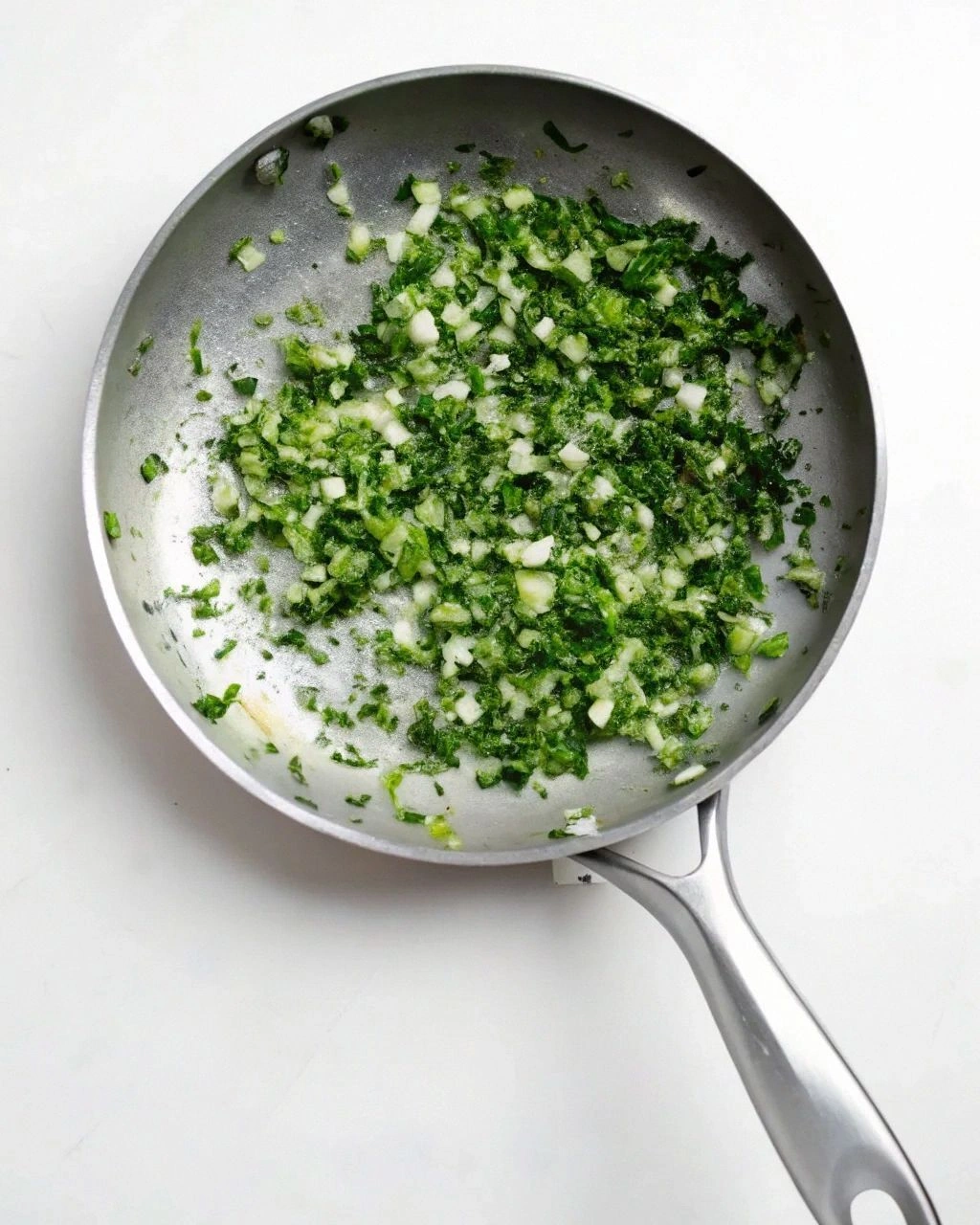
- While the beef is searing, dice the bell peppers and onion into bite‑size pieces. Mince the garlic and finely grate the ginger. These aromatics will release their flavors into the sauce during the slow‑cook.
- Transfer the seared beef into the slow cooker. Add the diced peppers, onion, garlic, and ginger. The vegetables will soften while the beef continues to cook, creating a harmonious blend of textures.
- In a small bowl, whisk together the low‑sodium soy sauce, honey, sesame oil, and beef broth. Pour this mixture over the beef and vegetables. The liquid should cover the ingredients about halfway; the rest will evaporate during cooking.
- Cover and set the slow cooker to low for 4–5 hours or high for 2–3 hours. The low setting gives the beef the most tender result, while the high setting is perfect for a quick dinner. The sauce will reduce and thicken slightly, enveloping each piece.
- About 30 minutes before serving, prepare a cornstarch slurry by mixing 2 tablespoons cornstarch with 1/4 cup cold water until smooth. Stir the slurry into the slow cooker; this thickens the sauce to a silky consistency. Keep stirring to prevent lumps.
- Once the sauce has thickened, taste and adjust seasoning with a pinch of salt or a dash of pepper if needed. The flavors should be balanced—savory, sweet, and slightly spicy.
- Serve immediately over steamed rice or noodles. Garnish with sliced scallions, toasted sesame seeds, or a drizzle of extra sesame oil for an added layer of flavor. The dish is ready to impress.
- If you’re making it ahead, let the dish cool, then refrigerate in an airtight container for up to 3 days. Reheat gently on the stovetop with a splash of water to restore the sauce’s gloss.
That's it — you did it. But hold on, I've got a few more tricks that'll take this to another level…
Insider Tricks for Flawless Results
The Temperature Rule Nobody Follows
Many cooks over‑cook the beef, thinking a longer time ensures tenderness. The truth is, slow‑cooking at low heat preserves the meat’s natural juices. If you’re using a high‑heat setting, keep the lid on to trap moisture and avoid drying out.
Why Your Nose Knows Best
Trust the aroma as your cue for doneness. When the beef releases a rich, caramelized scent and the sauce has thickened to a glossy sheen, it’s time to serve. Smell is a reliable indicator of flavor balance.
The 5‑Minute Rest That Changes Everything
After the slow cooker finishes, let the dish rest for 5 minutes before serving. This allows the juices to redistribute, making each bite more succulent. The rest also lets the sauce settle, preventing it from spilling over the plate.
The Secret to a Crispy Finish
If you prefer a slightly crispy edge, transfer the beef to a hot skillet for 1–2 minutes after the slow‑cook. The quick sear will add texture without compromising the tenderness.
The Right Balance of Sweet and Savory
Honey can be tricky; too much and the dish becomes sweet. Start with 2 tablespoons and taste before adding more. A pinch of black pepper or a dash of crushed red pepper can counterbalance sweetness and add depth.
The Quick Fix for a Sticky Sauce
If the sauce gets too thick, add a tablespoon of water or broth to thin it out. Stir well until the consistency is glossy but pourable. This keeps the sauce from becoming gloopy.
Creative Twists and Variations
This recipe is a playground. Here are some of my favorite ways to switch things up:
Spicy Thai Kick
Add a tablespoon of Thai red curry paste to the sauce for a fiery, aromatic twist. Pair with a splash of coconut milk to balance the heat. This version is perfect for those who love a bold, exotic flavor.
Mediterranean Flair
Replace the soy sauce with a combination of olive oil and a splash of lemon juice. Add chopped olives and sun‑dried tomatoes for a Mediterranean vibe. The citrus brightens the dish, making it lighter.
Vegetarian Version
Swap the beef for thick slices of portobello mushrooms. The mushrooms soak up the sauce and provide a meaty texture. Add tofu cubes for extra protein and a different mouthfeel.
Asian Fusion
Incorporate sliced bamboo shoots and water chestnuts for crunch. Add a few drops of rice vinegar for tang. This variation delivers a layered, complex flavor profile.
Low‑Carb Twist
Serve over cauliflower rice instead of regular rice. Use a sugar‑free honey substitute like stevia or monk fruit to keep carbs low. This makes the dish keto‑friendly while retaining all the deliciousness.
Herb‑Infused Delight
Stir in a handful of fresh basil or mint just before serving. The herbs add freshness and a subtle sweetness that cuts through the richness. It’s a refreshing change for summer nights.
Smoky BBQ Style
Add a tablespoon of smoked paprika and a drizzle of barbecue sauce to the sauce. This gives the dish a smoky depth reminiscent of a backyard grill. It’s a great way to bring a campfire vibe into the kitchen.
Storing and Bringing It Back to Life
Fridge Storage
Cool the dish to room temperature, then transfer to an airtight container. Store in the refrigerator for up to 3 days. The sauce will thicken slightly, so a quick stir before serving will restore its glossy sheen.
Freezer Friendly
Divide the dish into single‑serving portions and wrap tightly in plastic wrap and aluminum foil. Freeze for up to 2 months. Thaw overnight in the refrigerator and reheat on the stovetop with a splash of broth.
Best Reheating Method
Reheat gently over low heat, adding a small splash of water or broth to loosen the sauce. Stir constantly until heated through. Avoid microwaving, as it can make the sauce gummy.
If you’re planning ahead, the sauce’s natural sweetness helps it keep its flavor during storage. Just remember to give it a good stir before serving. The dish will taste just as fresh as the day it was made.
Final thoughts: This slow‑cooker pepper steak is more than a dinner—it's an experience that turns ordinary ingredients into a culinary celebration. Whether you’re a seasoned cook or a kitchen newbie, the method is foolproof, the flavors are unforgettable, and the leftovers are a lifesaver for busy evenings. Dive in, savor every bite, and let this dish become your new go‑to comfort food.