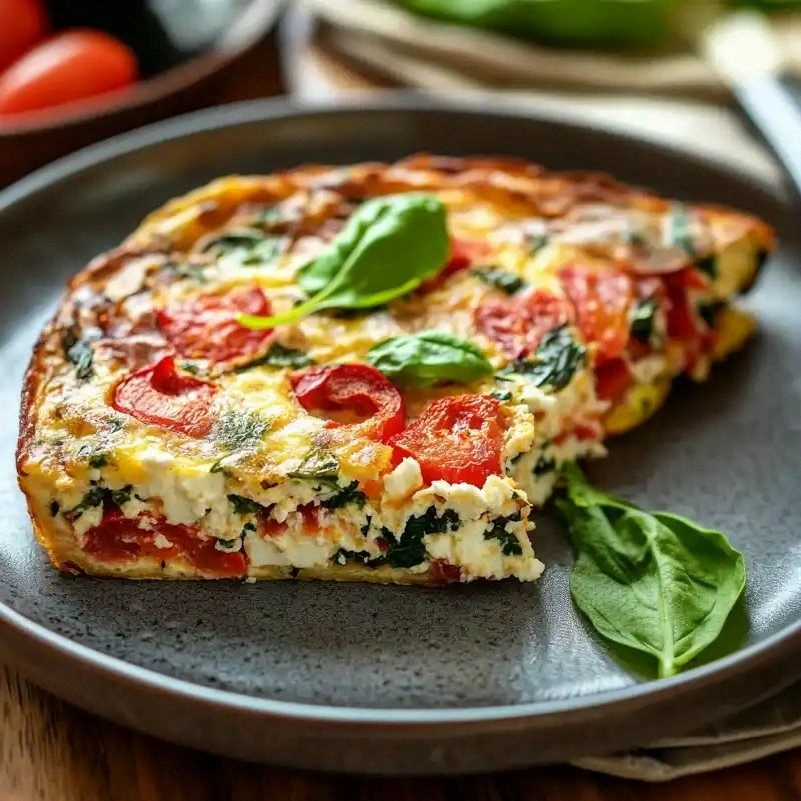
Picture this: a kitchen that smells like roasted peppers and fresh spinach, a sizzling pan that crackles as the eggs mingle with a splash of milk, and the promise of a breakfast that feels like a Sunday brunch. I was halfway through a week of bland omelets when a friend dared me to make something that would make everyone in the house beg for seconds. I laughed, grabbed the ingredients, and the result was a dish that still makes me blush whenever I see that golden, slightly blistered top. This isn’t just another frittata; it’s the kind of plate that turns a regular morning into a culinary celebration. And trust me, the flavor profile is a dance of smoky peppers, earthy spinach, and salty feta, all wrapped in a silky egg custard that melts in your mouth.
What makes this version stand out from the endless list of frittata recipes on the internet? First, the roasted red peppers are not just diced; they’re charred to perfection, bringing a subtle sweetness that cuts through the richness of the eggs. Second, the spinach is sautéed just enough to wilt but still retain a vibrant green hue, providing a fresh bite that balances the dish. Third, the feta adds a creamy, tangy contrast that elevates the overall flavor without overpowering it. Fourth, the use of fresh herbs right at the end adds a bright, aromatic finish that lifts the entire ensemble. Fifth, the method ensures the edges stay slightly crisp while the center remains tender, giving you that ideal texture every time. And finally, the dish is incredibly versatile—perfect for breakfast, brunch, or a light dinner, and it keeps well for leftovers.
Imagine the first bite: the warm, velvety eggs meet the pepper’s caramelized edges, then a burst of feta’s saltiness, all under a veil of herbs. That sizzle when it hits the pan? Absolute perfection. The aroma alone can convince a skeptic to give it a try, and the taste will convince you to keep eating it. If you've ever struggled with a frittata that turns out rubbery or bland, you're not alone—this version is designed to solve those common pitfalls. Picture yourself pulling this out of the oven, the whole kitchen smelling incredible, and watching your family line up for a second helping. I dare you to taste this and not go back for seconds.
Okay, let me walk you through every single step—by the end, you'll wonder how you ever made it any other way. From selecting the right peppers to mastering the timing, I’ll share every detail that turns this simple recipe into a masterpiece. This is hands down the best version you'll ever make at home, and I’ll show you why. Stay with me here—this is worth it.
What Makes This Version Stand Out
- Roasted Flavor: The peppers are charred on the grill or under the broiler until the skins blister, then peeled and diced. This process caramelizes the sugars, giving the dish a smoky sweetness that elevates every bite. Skipping the roasting step will leave you with a bland, raw pepper taste.
- Fresh Spinach: Using fresh spinach rather than frozen preserves its bright green color and crisp bite. The spinach wilts quickly, releasing its natural moisture to keep the frittata moist without becoming soggy. Frozen spinach can release excess liquid, making the dish watery.
- Feta’s Creaminess: Crumbled feta provides a creamy texture and a sharp, tangy flavor that balances the richness of the eggs. If you prefer a milder taste, you could use goat cheese, but the feta’s distinct bite is essential to this version.
- Herb Finale: Fresh parsley or basil added at the end brings a burst of aroma and a pop of color. This subtle touch transforms the dish from ordinary to extraordinary. A pinch of dried herbs can replace fresh if necessary, but the flavor will be noticeably different.
- Texture Contrast: The edges of the frittata crisp up slightly in the pan while the center stays silky. This contrast creates a satisfying mouthfeel that keeps you coming back for more. Overcooking can flatten the texture, so timing is crucial.
- Make‑Ahead Friendly: The dish can be prepped the night before and baked fresh in the morning, saving precious time on busy days. It also reheats beautifully, making it ideal for leftovers.
- Simple Ingredients: With only ten ingredients, the recipe is accessible to even novice cooks. No special tools or exotic spices are required, making it a go-to for any pantry.
Alright, let's break down exactly what goes into this masterpiece…
Inside the Ingredient List
The Flavor Base
At the heart of this frittata is the eggs, which provide a rich, silky texture that holds everything together. The milk adds a touch of creaminess and helps keep the eggs from becoming too dense. Salt and black pepper are essential for seasoning; they amplify the flavors without overpowering them. A small pinch of pepper adds a subtle heat that complements the sweet peppers.
The Texture Crew
Spinach is the leafy green that brings both nutrition and color. It wilts quickly, releasing a slight bitterness that balances the sweetness of the peppers. Roasted red peppers add a chewy, slightly sweet bite that contrasts with the soft spinach. The feta cheese, crumbled into small pieces, melts into pockets of tangy cream, creating pockets of flavor that burst in your mouth. A tablespoon of olive oil is the secret to a non-stick pan and a silky finish.
The Unexpected Star
Fresh herbs like parsley or basil are the final flourish that lifts the entire dish. They add a bright, herbaceous aroma that cuts through the richness of the eggs and cheese. If you’re feeling adventurous, a splash of lemon juice can brighten the flavors even further. Herbs also add a pop of color, making the dish visually appealing.
The Final Flourish
All the ingredients come together in a single pan, creating a one-pot wonder that’s both convenient and delicious. The combination of textures—crispy edges, silky center, chewy peppers—creates a complex mouthfeel that keeps you engaged with each bite. The dish is best served warm, straight from the oven, but it also reheats well for a quick meal later.
Everything's prepped? Good. Let's get into the real action…
The Method — Step by Step
- Heat a 10-inch non‑stick skillet over medium heat and drizzle in the tablespoon of olive oil. Once the oil shimmers, add the diced onion and sauté until translucent, about 3–4 minutes. The onions should soften without turning brown, creating a subtle sweetness that will mingle with the peppers. This is the foundation of the flavor base.
- Add the roasted red peppers to the skillet and cook for 2 minutes, letting them mingle with the onions. Stir occasionally to ensure even heating. The peppers should release their juices and start to soften, creating a fragrant mixture that smells like summer. This step is where the smoky sweetness begins to bloom.
- Reduce the heat to low and fold in the spinach, stirring until it wilts. The spinach will shrink dramatically, so keep an eye on it to avoid overcooking. Once the leaves are tender, sprinkle in the salt and pepper, and give everything a gentle stir to combine the seasonings. The spinach’s slight bitterness will balance the sweet peppers.
- In a separate bowl, whisk together the eggs, milk, and a pinch of salt. The milk should be added slowly to prevent curdling, and the whisking should be vigorous to incorporate air, ensuring a fluffy texture. Pour the egg mixture over the vegetables, making sure it coats every corner of the pan. The eggs should start to set at the edges within a minute.
- Sprinkle the crumbled feta evenly across the top. As the eggs begin to set, gently lift the edges with a spatula to allow the uncooked mixture to flow underneath. This technique ensures an even bake and prevents the edges from burning while the center remains perfectly custardy.
- Transfer the skillet to a preheated oven at 375°F (190°C) and bake for 15–18 minutes, or until the frittata is set in the middle and the top has a light golden hue. The interior should feel firm yet still slightly moist, not dry or rubbery. The edges will pull away slightly from the pan, indicating doneness.
- Remove the skillet from the oven and let the frittata rest for 5 minutes. This resting period allows the residual heat to finish cooking the eggs and lets the flavors meld together. Sprinkle fresh herbs over the top for a burst of color and aroma. Slice and serve warm, optionally with a side of crusty bread or a light salad.
That's it — you did it. But hold on, I've got a few more tricks that'll take this to another level…
Insider Tricks for Flawless Results
The Temperature Rule Nobody Follows
Many cooks bake frittatas at a high temperature, causing the edges to brown too quickly while the center remains undercooked. Baking at 375°F (190°C) strikes the perfect balance, allowing the eggs to set evenly without scorching. I’ve tried 425°F once, and the result was a dry, rubbery center. Stick to 375°F for that silky texture.
Why Your Nose Knows Best
Before you even crack an egg, take a sniff of the sautéed onions and peppers. If the aroma smells off, it’s a sign that the vegetables might be overcooked or burnt. A fresh, bright smell means you’re on the right track. Trust your nose; it’s a reliable flavor gauge.
The 5‑Minute Rest That Changes Everything
After baking, let the frittata rest for exactly five minutes. This pause allows the residual heat to finish the cooking process, preventing a raw center. It also helps the feta melt evenly, creating those pockets of creamy goodness. Skipping this step often results in a too-soft, runny texture.
Use a Silicone Mat for Easy Cleanup
Placing a silicone baking mat in the skillet prevents sticking and makes cleanup a breeze. The mat also distributes heat evenly, ensuring uniform browning. I’ve tried a bare pan, and the result was uneven crust and more mess.
Fresh Herbs Over Dried
Fresh parsley or basil adds a vibrant aroma and color that dried herbs simply can’t match. If you’re in a pinch, use dried herbs, but be sure to sprinkle them right before serving to preserve their flavor. Dried herbs lose potency over time, so fresh is always better.
Keep the Pan Covered When Resting
Covering the skillet with foil after baking traps steam, keeping the frittata moist. It also prevents the top from drying out. I’ve found that a quick cover keeps the edges from becoming too crisp if you prefer a softer finish.
Creative Twists and Variations
This recipe is a playground. Here are some of my favorite ways to switch things up:
Smoky Chipotle Variation
Add a teaspoon of chipotle in adobo sauce to the egg mixture for a smoky kick. The chipotle’s heat pairs beautifully with the sweet peppers, creating a layered flavor profile. This version is perfect for a brunch with a spicy twist.
Cheesy Mediterranean Blend
Swap feta for a mix of crumbled goat cheese and shaved Parmesan. The goat cheese adds tang, while Parmesan brings a nutty depth. This combination elevates the dish to a full Mediterranean experience.
Veggie‑Rich Powerhouse
Include diced bell peppers of various colors, zucchini, and cherry tomatoes. The extra vegetables increase the nutrient density and add a rainbow of colors. This version is ideal for a family that loves a veggie-packed meal.
Protein‑Packed Power Frittata
Fold in cooked diced chicken breast or smoked salmon after the spinach has wilted. The protein boost turns the frittata into a satisfying main dish. The salmon’s subtle brininess complements the feta’s saltiness.
Herb‑Infused Delight
Replace parsley with fresh dill and add a splash of lemon zest. The dill’s bright flavor and lemon’s citrusy note create a fresh, summery taste. This variation is great for a light lunch.
Vegan Spinach & Pepper Casserole
Use a plant‑based milk and a vegan egg substitute, then crumble vegan feta or nutritional yeast. The result is a dairy‑free, egg‑free version that still delivers on flavor. This is a perfect option for those with dietary restrictions.
Storing and Bringing It Back to Life
Fridge Storage
Let the frittata cool to room temperature before wrapping it tightly in plastic wrap. Store it in the refrigerator for up to three days. When you’re ready to eat, simply reheat it in a skillet over low heat with a splash of water to keep it moist.
Freezer Friendly
Slice the frittata into portions and place them in a freezer‑safe container. Freeze for up to two months. Thaw overnight in the refrigerator before reheating. A quick microwave or skillet reheat will revive the flavors.
Best Reheating Method
To reheat, add a teaspoon of water to the skillet and cover with a lid. Heat over low heat until warmed through, about 5–7 minutes. The water creates steam, restoring the frittata’s moisture and preventing it from drying out.