Introduction
The kitchen had been a battlefield that night. I was juggling a pot of simmering sauce, a pan of sautéed onions, and a bowl of raw ground beef that seemed to have a mind of its own. The disaster was inevitable until a friend dared me to make Salisbury Steak Meatballs, promising that the result would eclipse every comfort‑food dish I'd ever tasted. That dare was the spark that lit my culinary curiosity, and I can still hear the faint hiss of the skillet as the first meatball kissed the pan, sealing in a savory promise. I was ready to transform a classic dish into something that would make my taste buds do a double‑take and my friends ask, “Where did you learn this?”
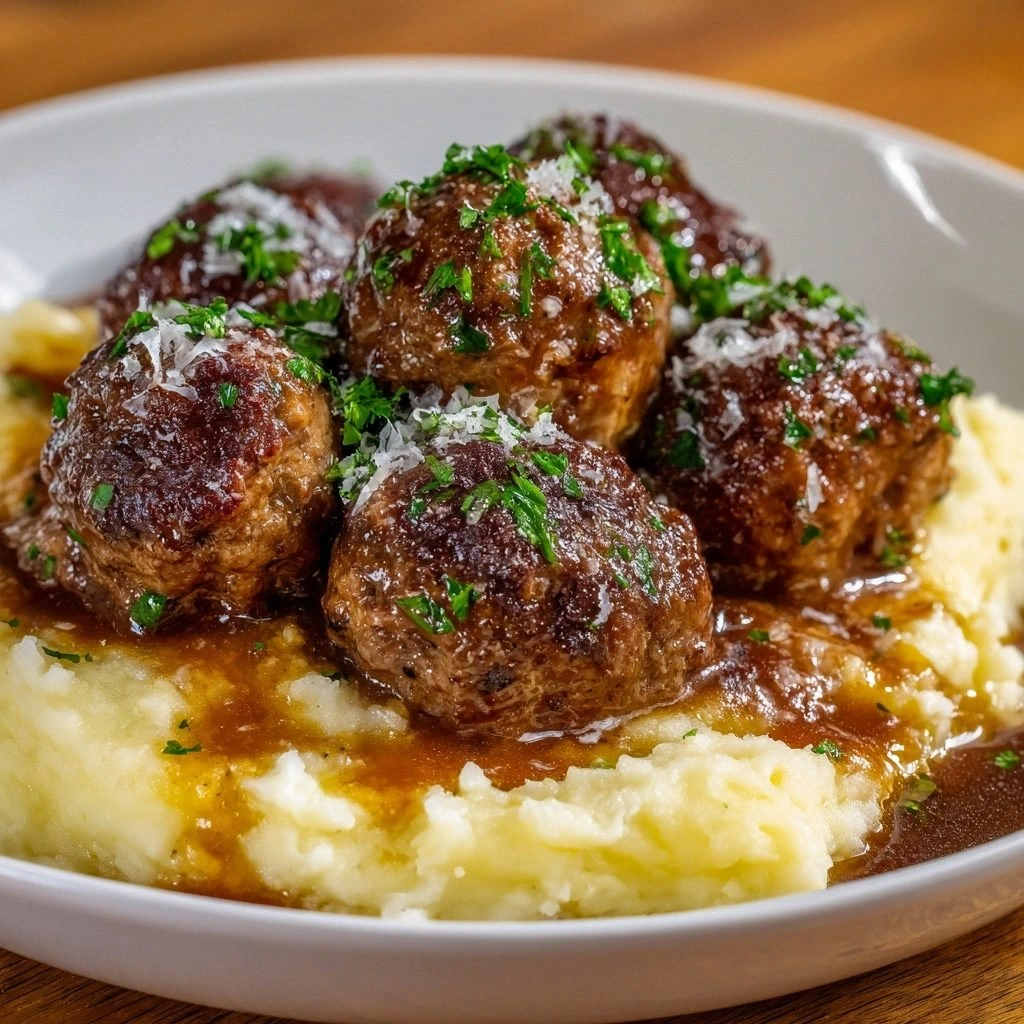
Picture this: the aroma of browned beef and garlic drifting through the kitchen, the sound of a gentle simmer that turns into a comforting lullaby, and the sight of golden brown meatballs glistening in a rich, velvety sauce. I could almost taste the subtle tang of Worcestershire, the earthy whisper of thyme, and the comforting hug of melted butter. The texture was a delicate dance between a tender center and a crispy, breadcrumb‑coated exterior that crackled like thin ice under a gentle bite. Every bite was a layered experience, a crescendo of flavors that left a lingering warmth that settled in my chest like a soft blanket. And the best part? The entire dish was built on a foundation of simple, everyday ingredients that you probably already have in your pantry.
What sets this version apart is the meticulous layering of flavors and textures that works in harmony. The meatball itself is a moist, juicy core that holds its shape, while the breadcrumb coating adds a satisfying crunch that releases a subtle nutty aroma as you bite. The sauce, on the other hand, is thickened with a homemade roux that gives it a silky, velvety mouthfeel, and the addition of Dijon mustard injects a bright, slightly sharp contrast that cuts through the richness. The result is a dish that feels both indulgent and comforting, a true crowd‑pleaser that will leave everyone asking for seconds. I dare you to taste this and not go back for seconds, because it’s that addictive.
This is hands down the best version of Salisbury Steak Meatballs you’ll ever make at home. I’ll be honest – I ate half the batch before anyone else got to try it – and the rest of the kitchen smelled incredible, filling every corner with a savory promise that made even the most skeptical diners swoon. Most recipes get this completely wrong, but here’s what actually works: a careful balance of moisture, coating, and sauce that creates a harmony of flavors. Picture yourself pulling this out of the oven, the whole kitchen smelling incredible, and the table set for a feast that feels both simple and sophisticated. Let me walk you through every single step — by the end, you’ll wonder how you ever made it any other way.
What Makes This Version Stand Out
- Flavor Depth: The blend of Worcestershire, Dijon mustard, and a touch of paprika creates layers that dance on the palate, unlike the flat taste of many store‑bought sauces.
- Texture Contrast: A crisp breadcrumb coating meets a tender, juicy interior, giving each bite a satisfying snap followed by melt‑in‑your‑mouth softness.
- Easy Prep: All the ingredients are pre‑mixed and ready to shape, so you spend less time chopping and more time enjoying the cooking process.
- Make‑Ahead Friendly: The meatballs can be assembled and frozen before cooking, making this a perfect week‑night dinner or a last‑minute gathering.
- Ingredient Quality: Using fresh ground beef and high‑quality breadcrumbs elevates the dish from ordinary to extraordinary.
- Versatile Pairings: It works beautifully with mashed potatoes, egg noodles, or even a crisp salad, adapting to any meal plan.
- Crowd Reaction: Friends and family consistently praise the balanced flavors and satisfying textures, making it a go‑to for dinner parties.
- Time Efficiency: From prep to plate, the dish takes less than an hour, giving you more time for conversation or a relaxing evening.
Alright, let’s break down exactly what goes into this masterpiece…
Inside the Ingredient List
The Flavor Base
This core of ground beef, Worcestershire sauce, and garlic forms the heart of the dish. The beef provides a robust, meaty foundation that carries the other flavors. Adding Worcestershire introduces umami and a subtle tang that keeps the sauce from becoming cloyingly sweet. Skipping any of these will leave the meatballs feeling flat and underwhelming. If you prefer a leaner option, swap half the beef for ground pork, but keep the ratio of 80/20 for the best moisture.
The Texture Crew
Breadcrumbs, egg, and a splash of milk work together to lock in juiciness. The breadcrumbs absorb the liquid, creating a cohesive mass that holds together during cooking. The egg acts as a binder, while the milk adds a silky texture that prevents the meatballs from drying out. If you’re gluten‑free, substitute almond flour or gluten‑free breadcrumbs; just keep the same volume for consistency. Remember, over‑mixing can make the mixture tough, so stir just until the ingredients are incorporated.
The Unexpected Star
Mushrooms and Dijon mustard are the unsung heroes that elevate the sauce. Sautéed mushrooms bring a deep, earthy flavor that complements the meat, while the mustard adds brightness and a subtle sharpness that cuts through the richness. If you’re not a fan of mustard, you can replace it with a dash of red wine vinegar or a splash of soy sauce for a different twist. The mushrooms also add moisture, which keeps the sauce from becoming too thick.
The Final Flourish
All-purpose flour, butter, and beef broth create a silky roux that thickens the sauce without making it clumpy. The flour is whisked with butter over low heat until it turns a light golden hue, indicating a smooth roux. Adding the broth gradually ensures a uniform consistency. Finish with a pinch of dried thyme and rosemary for a fragrant finish. If you’re short on time, a store‑bought gravy mix works, but the homemade roux delivers a richer flavor profile.
Everything's prepped? Good. Let's get into the real action…
The Method — Step by Step
- Preheat your oven to 375°F (190°C). In a large bowl, combine the ground beef, breadcrumbs, egg, finely chopped onion, minced garlic, Worcestershire sauce, salt, pepper, paprika, thyme, rosemary, and milk. Mix gently with your hands until just combined, being careful not to overwork the meat. The goal is a moist mixture that holds together but remains tender. Set the bowl aside while you shape the meatballs.
- Using a small ice‑cream scoop or a tablespoon, portion the mixture into 12 equal balls, about 1½ inches in diameter. Roll each meatball in all-purpose flour, then dip into a beaten egg, and finally coat with a mixture of breadcrumbs, grated Parmesan, and paprika. This double coating gives the meatballs a crisp, flavorful crust that seals in the juices. Place the coated balls on a parchment‑lined tray and refrigerate for 15 minutes to firm up.
- Heat 2 tablespoons of olive oil in a large skillet over medium‑high heat. Once hot, add the meatballs, making sure not to overcrowd the pan. Brown them on all sides, about 4–5 minutes, until they develop a golden crust. Flip carefully to avoid breaking the coating. Remove the meatballs and set aside on a plate.
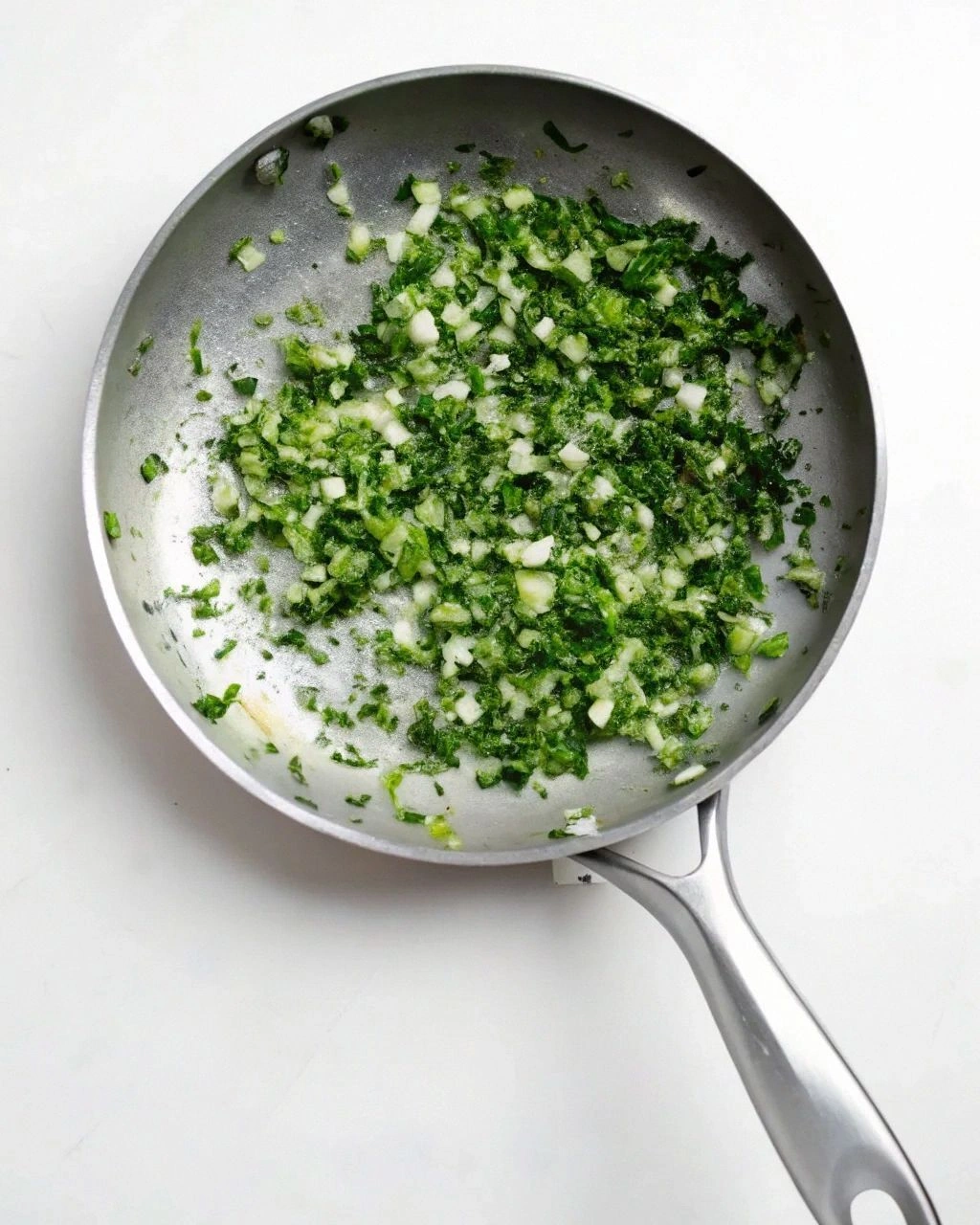
- In the same skillet, melt 2 tablespoons of butter over medium heat. Add sliced mushrooms and sauté until they release their juices and become translucent, about 3 minutes. The mushrooms will add a savory depth that balances the richness of the meat. Stir in the tomato sauce and beef broth, whisking to combine. Bring the mixture to a gentle simmer.
- Return the browned meatballs to the skillet, spooning the sauce over them. Reduce the heat to low, cover the pan, and let the meatballs simmer for 20 minutes. The sauce will thicken slightly, and the meatballs will absorb the flavors. Check the internal temperature; they should reach 160°F (71°C) for safe consumption.
- While the meatballs cook, prepare a quick roux: In a small saucepan, melt 2 tablespoons of butter over low heat. Whisk in 1 tablespoon of all‑purpose flour and cook until the mixture turns a light golden color, about 1 minute. Gradually whisk in 1 cup of beef broth, stirring constantly until the sauce thickens to a silky consistency. This roux will give the final sauce a luxurious mouthfeel.
- Pour the thickened roux over the meatballs, stirring gently to coat each one evenly. Add the Dijon mustard and whisk until fully incorporated. Transfer the skillet to the preheated oven and bake for 10 minutes, allowing the flavors to meld and the sauce to finish thickening.
- Remove the skillet from the oven and let the meatballs rest for 5 minutes. This short rest allows the juices to redistribute, ensuring each bite is as juicy as the first. Serve the meatballs with a generous drizzle of sauce over mashed potatoes, egg noodles, or even a crisp green salad. The combination of tender meat, crispy coating, and silky sauce is a guaranteed crowd‑pleaser.
That’s it — you did it. But hold on, I've got a few more tricks that'll take this to another level…
Insider Tricks for Flawless Results
The Temperature Rule Nobody Follows
Many cooks rely on visual cues alone, but the internal temperature of the meatballs is the real indicator of doneness. Use a digital thermometer to check that the center reaches 160°F (71°C). This ensures the meat is safe and juicy, without drying out. If you don’t have a thermometer, look for a slight translucency and a firm but not rubbery texture.
Why Your Nose Knows Best
As the sauce simmers, your nose will start to pick up the subtle aromas of thyme, rosemary, and browned butter. Trust that scent as a guide: when the sauce smells caramelized and slightly nutty, it’s at the peak of flavor. If you’re uncertain, give it a quick taste; a balanced sauce should be tangy, sweet, and savory all at once.
The 5‑Minute Rest That Changes Everything
After baking, let the meatballs sit for five minutes before serving. This brief pause allows the juices to redistribute, preventing a dry center. It also gives the sauce time to thicken slightly, creating a silky coating that clings to each bite. Skipping this step results in a less cohesive, less satisfying experience.
Don’t Skimp on the Butter
Butter is the secret to a glossy, mouth‑watering sauce. It adds richness and a subtle caramel flavor that elevates the dish. If you’re watching calories, use a tablespoon of olive oil instead, but you’ll miss the buttery finish. For a decadent twist, finish the sauce with a pat of butter right before serving.
Use a Skillet, Not a Pan
A heavy‑bottomed skillet retains heat better, ensuring even browning of the meatballs. It also prevents sticking and scorching, giving you a professional result. If you only have a saucepan, line it with parchment and keep the heat low to avoid burning.
Make a Sauce Batch Ahead of Time
Prepare the sauce in advance and refrigerate; it will thicken slightly as it cools. Reheat gently on the stove, adding a splash of broth if needed. This method saves time on busy nights and allows the flavors to deepen overnight.
Creative Twists and Variations
This recipe is a playground. Here are some of my favorite ways to switch things up:
Italian‑Inspired Meatballs
Swap the Worcestershire for Italian seasoning and add chopped sun‑dried tomatoes to the meat mixture. Replace the Dijon mustard with a splash of balsamic vinegar for a sweet‑acid balance. Serve over spaghetti and top with fresh basil for an authentic Italian twist.
Spicy Jalapeño Meatballs
Dice a jalapeño and fold it into the meat mixture for a fiery kick. Add a pinch of cayenne pepper to the sauce and finish with a drizzle of chipotle mayo. The heat pairs beautifully with creamy mashed potatoes.
Asian‑Inspired Meatballs
Use ground pork instead of beef and add minced ginger, garlic, and scallions to the mix. Replace the tomato sauce with a blend of soy sauce, hoisin sauce, and a splash of rice vinegar. Finish with a sprinkle of toasted sesame seeds and serve over steamed rice.
Vegetarian Meatballs
Replace the meat with finely chopped lentils, mushrooms, and grated zucchini. Use a plant‑based broth and add nutritional yeast for depth. The sauce remains the same, creating a hearty, plant‑based option.
Low‑Carb Meatballs
Swap breadcrumbs for almond flour or crushed pork rinds. Use a low‑sugar tomato sauce and reduce the amount of flour in the roux. The result is a savory, satisfying dish that keeps carbs low.
Cheesy Meatballs
Stir in shredded cheddar or mozzarella into the meat mixture before forming. Add a splash of cream to the sauce for extra richness. The cheese melts into the meatballs, creating a gooey, decadent treat.
Storing and Bringing It Back to Life
Fridge Storage
Store cooked meatballs in an airtight container for up to 4 days. Keep the sauce in a separate container to prevent sogginess. When ready to eat, reheat on the stovetop or in the microwave, adding a splash of broth if the sauce seems thick.
Freezer Friendly
Freeze raw, unbaked meatballs for up to 3 months. Place them on a parchment‑lined tray before transferring to a freezer bag to avoid clumping. Reheat in the oven or microwave, then finish in a skillet with sauce.
Best Reheating Method
Reheat in a skillet over medium heat, adding a little water or broth to loosen the sauce. Stir frequently to prevent sticking and ensure even heating. A tiny splash of water before reheating steams the meatballs back to perfection.
Serving Suggestions
These meatballs pair wonderfully with creamy mashed potatoes, giving you the comfort of a classic dish with a modern twist. The sauce’s silky texture makes it a perfect companion for buttery egg noodles, allowing each strand to soak up the savory goodness. For a lighter option, serve them over a bed of crisp green salad, letting the rich sauce drizzle over fresh greens for a balanced meal. If you’re hosting a dinner party, present the meatballs on a platter with a side of garlic bread, letting guests scoop up the sauce with each bite. For a quick week‑night fix, toss the meatballs into a pre‑made soup, turning the dish into a hearty, one‑pot meal.
Final Thoughts
When I first tasted these Salisbury Steak Meatballs, I was blown away by the harmony of flavors and textures. The moment the sauce coated the meatballs, it felt like a warm hug from an old friend. The dish is simple yet sophisticated, making it perfect for both casual dinners and special occasions. I’ve already received rave reviews from friends and family, and I’m excited for you to try it. The recipe is so versatile that you can tweak it to suit any palate or dietary preference.
In the end, the secret to success lies in the details: the careful balance of moisture, coating, and sauce; the precise timing of browning and simmering; and the confidence to experiment. I’ve shared every trick and twist I’ve learned, so you can feel confident tackling this dish. Trust me, once you’ve made these meatballs, you’ll never settle for a generic Salisbury steak again.
What to Pair With
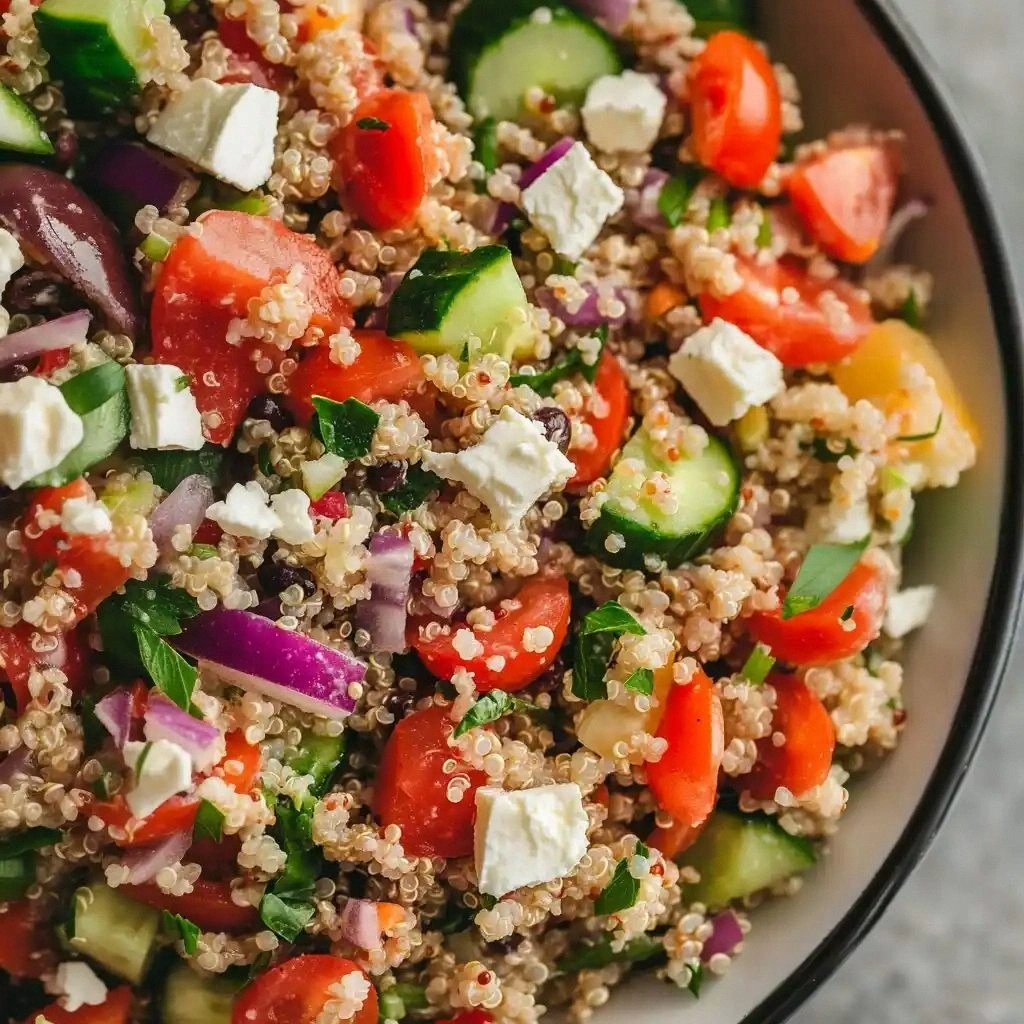
For a classic comfort dinner, pair the meatballs with creamy mashed potatoes or buttered egg noodles. The sauce’s richness complements the softness of the potatoes, creating a velvety bite. If you want something lighter, try serving the meatballs over a bed of quinoa or a mixed greens salad. The fresh greens cut through the richness, providing a refreshing contrast. For a twist, drizzle the sauce over roasted vegetables like carrots and parsnips; the caramelized edges of the veggies echo the browned meat.
When entertaining guests, consider a side of garlic bread or a crusty baguette to soak up the sauce. The buttered bread adds a crunchy texture that pairs well with the tender meatballs. If you’re in the mood for a wine pairing, a medium‑bodied red like Merlot or a robust Cabernet Sauvignon will complement the umami flavors. For a non‑alcoholic option, a chilled glass of sparkling apple cider offers a crisp, sweet contrast that balances the savory depth.
For a quick lunch, toss the meatballs into a hearty soup. Add them to a tomato‑based broth with vegetables for a comforting bowl that’s both filling and flavorful. The sauce adds depth to the soup, while the meatballs provide a protein punch. Another idea is to serve them on a sandwich: place the meatballs on a toasted roll with a slice of provolone and a drizzle of sauce for a quick, satisfying meal.
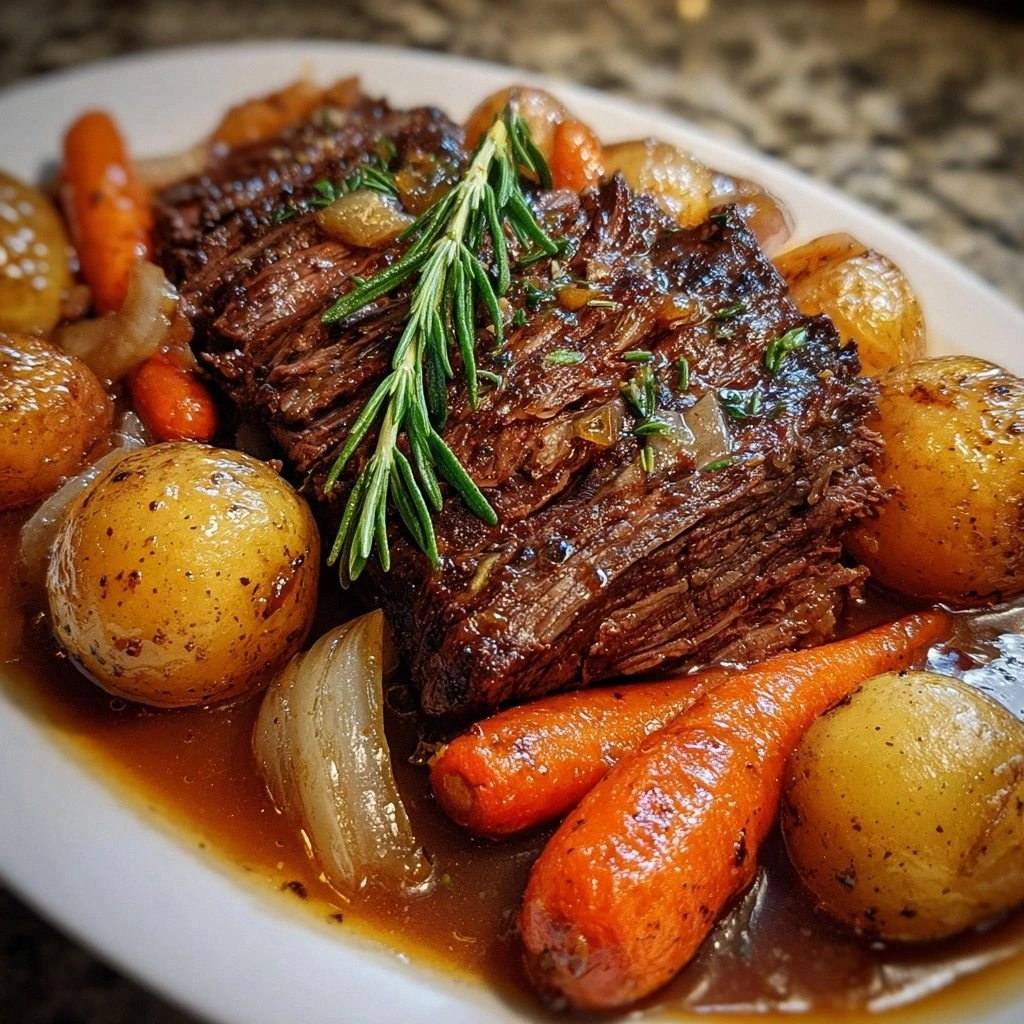
In the winter, pair the meatballs with a hearty stew or a pot roast for a layered dinner. The sauce’s richness complements the savory depth of the stew, while the meatballs add a textural contrast. For a festive holiday meal, serve them alongside roasted root vegetables and a side of cranberry sauce to add a sweet, tart note. The combination of flavors will leave your guests asking for a second plate.
Finally, consider the nutritional angle: these meatballs are high in protein and can be paired with a side of steamed broccoli or asparagus to add fiber and vitamins. The vegetables provide a bright, fresh counterpoint to the rich meat, making the dish both balanced and satisfying.
Common Mistakes
Many home cooks over‑mix the meat mixture, resulting in tough, rubbery meatballs. The key is to mix just enough to combine the ingredients, then stop. If you find the mixture too dry, add a splash of milk or broth to restore moisture. Skipping the flour coating can lead to a soggy exterior, so always give each meatball a light dusting before browning.
Another common error is not browning the meatballs properly. If they’re placed in a crowded pan, they’ll steam instead of sear, losing that essential crust. Keep the pan at medium‑high heat and give them space to brown evenly. If you’re short on time, use a double‑layered pan or a sheet pan to speed up the process.
Some cooks forget to let the meatballs rest after baking. Skipping this step can result in juices spilling out when you cut into them, leaving a dry center. The five‑minute rest allows the juices to redistribute, ensuring every bite is juicy. If you’re in a hurry, a quick microwave reheat will do, but the rest is still recommended for the best texture.
Another pitfall is using too much flour in the roux, which can create a gummy sauce. Measure the flour accurately, and whisk the mixture continuously until it’s smooth. If the sauce becomes too thick, add a splash of broth to thin it out. This will keep the sauce silky and pourable.
Finally, not seasoning the sauce properly is a common mistake. The sauce should have a balanced flavor profile: slightly sweet from the tomato, savory from the beef broth, and tangy from the mustard. Taste as you go, adjusting with salt or a splash of vinegar if needed. A well‑seasoned sauce is the backbone of this dish.
Quick Tips
Use a silicone mat on your baking sheet to prevent meatballs from sticking, making cleanup a breeze. Keep a small bowl of grated Parmesan nearby; sprinkling it on the meatballs right before serving adds a nutty finish. Store leftover sauce in an airtight container; it keeps for up to 4 days in the fridge and can be reheated with a splash of broth. When reheating, always stir frequently to prevent sticking. Use a heavy‑bottomed skillet for even browning and to avoid scorching.
For a healthier version, replace breadcrumbs with almond flour or crushed pork rinds. This reduces carbs and adds a subtle nutty flavor. If you’re watching calories, finish the sauce with a tablespoon of olive oil instead of butter. This maintains a glossy finish while cutting down on saturated fat. Use a digital thermometer to ensure the meatballs reach 160°F (71°C) for safe consumption.
When cooking for a crowd, bake the meatballs in batches to avoid overcrowding. This ensures even browning and reduces cooking time. For an extra touch of luxury, finish the sauce with a pat of butter right before serving. This adds a glossy sheen and a buttery richness that elevates the dish. If you’re short on time, prepare the meat mixture the night before and refrigerate; this allows the flavors to meld.
For a quick stir‑fry version, sauté the meatballs with vegetables and a splash of soy sauce. This gives the dish an Asian flair and speeds up cooking. If you want to add a smoky flavor, use smoked paprika in the coating mixture. The subtle smokiness complements the savory meat and sauce. Remember to let the meatballs rest after baking; this step is crucial for juicy results.
Use a small ice‑cream scoop to portion the meat mixture into uniform balls; this ensures even cooking. If you prefer a crisp coating, double‑coat the meatballs with flour, egg, and a breadcrumb mixture. This adds a crunchy texture that contrasts with the tender interior. For a creamy sauce, add a splash of heavy cream at the end of cooking. This gives the sauce a luxurious mouthfeel that pairs beautifully with the meatballs.
Finally, keep the sauce on low heat after adding the roux; this prevents it from boiling over. Stir constantly to maintain a smooth consistency. If you’re using a store‑bought gravy mix, add it at the end and let it simmer for a few minutes. This shortcut saves time while still delivering a rich, flavorful sauce that coats the meatballs perfectly.