I was half‑asleep, staring at a blank wall of coffee mugs, when my roommate dared me to create the ultimate London Fog. “Make it so good I’ll forget my own name,” she said, half‑laughing, half‑serious. I grabbed the first Earl Grey I could find, poured water that was still steaming from the kettle, and set my old milk frother to work. Within minutes the kitchen smelled like a rainy London street lined with lavender fields, and I realized I had stumbled onto something that could rewrite the entire fog‑of‑tea genre. I’ll be honest — I ate half the batch before anyone else got a chance to taste it, and that was the moment I knew I had to perfect this recipe and share it with you.
The first sip was a revelation: the bergamot‑laden tea wrapped around the sweet vanilla like a silk scarf, while the micro‑foam floated on top like a cloud that had been brushed with honey. The texture was so creamy you could almost see it swirling in slow motion, and the subtle hint of dried lavender whispered in the background like a secret you’re just about to discover. It wasn’t just a drink; it was an experience that made my hands warm, my mind clear, and my heart a little bit brighter. I’ve tried countless variations, and most recipes get this completely wrong—either the tea is weak, the foam is flat, or the flavor balance is off by a mile.
What makes this version stand out is a tiny, almost invisible step: a short steep of the tea in water that’s just under boiling, followed by a quick chill before frothing. That shock‑and‑heat dance coaxes the essential oils from the bergamot and releases the milk proteins just enough to create a micro‑foam that’s velvety, stable, and surprisingly light. Most people think you need a fancy espresso machine, but I’ll show you how a simple stovetop pot and a handheld frother can achieve barista‑level results. The result is a latte that feels like a warm hug on a cold day, but with the sophistication of a high‑end tea house.
Okay, ready for the game‑changer? I’m about to walk you through every single step — by the end, you’ll wonder how you ever made it any other way. I dare you to taste this and not go back for seconds. Let’s dive in.
What Makes This Version Stand Out
- Flavor Balance: The bergamot in Earl Grey is perfectly offset by a touch of vanilla and a drizzle of sweetener, creating a harmonious blend that sings rather than shouts.
- Texture Mastery: The micro‑foam is airy yet creamy, thanks to a quick temperature swing that stabilizes the milk proteins without over‑whipping.
- Simplicity: No espresso machine, no fancy steamer—just a kettle, a pot, and a handheld frother, making it accessible for any kitchen.
- Unique Twist: A hint of dried lavender adds an unexpected floral note that elevates the classic London Fog to a new sensory dimension.
- Crowd Reaction: Friends call it “the best fog I’ve ever had,” and strangers on the street have been known to stop and ask for the recipe.
- Ingredient Quality: Using a high‑grade Earl Grey like Harney & Sons ensures the bergamot oils are bright and aromatic, not muted.
- Method Magic: The “cold‑shock” step before frothing is the secret that most recipes skip, resulting in a foam that holds its shape for minutes.
- Make‑Ahead Potential: You can brew the tea in bulk and store the micro‑foam for a quick morning pick‑me‑up without sacrificing flavor.
Inside the Ingredient List
The Flavor Base
Earl Grey tea bags or loose leaf: This is the heart of the fog. The bergamot oil gives the tea its signature citrusy perfume, and a quality brand like Twinings or Harney & Sons ensures that the flavor is bright and not bitter. If you skip the tea, you lose the entire concept of a London Fog, turning it into a plain milk‑tea. You can substitute a high‑quality black tea with a few drops of bergamot oil, but the authenticity will suffer.
The Liquid Canvas
Water: Fresh, filtered water is essential for extracting the delicate aromatics from the tea. Hard water can mute the bergamot, leaving a flat taste. Boil the water, then let it sit for about 30 seconds before steeping to avoid scorching the leaves. If you’re in a hurry, a quick 90‑second cool‑down works just as well.
The Creamy Crew
Milk: Whole milk creates the richest micro‑foam, but oat milk or a barista‑blend almond milk can also work wonders, especially for dairy‑free friends. The key is to choose a milk that froths well; low‑fat milks often produce watery foam. If you skip the milk or use a non‑frothing plant milk, you’ll end up with a thin, soupy mess rather than a cloud‑like crown.
The Sweet Whisper
Vanilla extract: A teaspoon adds depth and rounds out the sharpness of the bergamot. It’s the quiet friend at the party who makes everything feel more cohesive. Skipping it will leave the drink tasting a bit too sharp, like a cold wind without a coat. You can replace it with a splash of vanilla‑flavored syrup if you prefer.
The Gentle Sweetener
Sweetener (simple syrup, honey, or maple syrup): Adjust to taste; I recommend starting with two tablespoons of honey for a balanced sweetness that doesn’t overpower the tea. If you’re watching sugar, a light drizzle of agave works just as well. Omitting the sweetener altogether will make the fog taste more like a traditional tea, which some purists enjoy, but it loses the latte‑like indulgence.
The Unexpected Star
Dried lavender (optional): A pinch of lavender adds a subtle floral note that pairs beautifully with bergamot, reminiscent of a high‑end tea lounge in Covent Garden. If you’re allergic or dislike floral flavors, you can leave it out, but you’ll miss the extra layer that makes this fog truly special. A good tip is to crush the lavender lightly before adding it to the tea to release its oils.
Everything's prepped? Good. Let's get into the real action...
The Method — Step by Step
Start by heating 4 cups of fresh water in a saucepan. Bring it to a rolling boil, then remove from heat and let it sit for about 30 seconds. This slight cooling prevents the tea from becoming bitter while still being hot enough to extract the bergamot oils. When you pour the water over the tea, you’ll hear a gentle hiss that signals the start of flavor extraction. Watch the clock—you want a steep of exactly 3 minutes for optimal strength.
While the tea steeps, add 1 teaspoon of dried lavender (if using) to the pot. This is the moment where the floral aroma begins to mingle with the citrusy bergamot, creating a scent that could convince a London passerby that it’s raining roses.
Kitchen Hack: Cover the pot with a lid while steeping; this traps steam and intensifies the fragrance.After the 3‑minute steep, strain the tea into a heat‑proof pitcher, pressing the tea bags or leaves to extract every last drop. The liquid should be a deep amber, smelling like a sun‑kissed citrus orchard. Add 2 tablespoons of your chosen sweetener while the tea is still warm, stirring until fully dissolved. This ensures the sweetener integrates smoothly without clumping.
Now comes the “cold‑shock” step that most recipes skip. Transfer the brewed tea into a glass bowl and place it in an ice bath for exactly 1 minute. You’ll see tiny droplets of condensation form on the surface—this rapid cooling locks in the aromatic compounds and prepares the tea for the foam.
Watch Out: Don’t leave the tea in the ice bath for more than 2 minutes or it will become too cold, making frothing difficult.While the tea is chilling, pour 2 cups of whole milk (or your preferred plant‑based alternative) into a separate pitcher. Add 1 teaspoon of vanilla extract and give it a quick stir. If you’re using a handheld frother, submerge the wand just below the surface and turn it on. The goal is to create a micro‑foam that looks like a cloud captured in a glass—tiny bubbles, glossy sheen, and a silky mouthfeel.
Once the foam has reached a glossy, marble‑like consistency (about 30–45 seconds of frothing), gently tap the pitcher on the counter to settle any large bubbles. This “tap‑down” technique ensures a smooth top layer that won’t collapse when poured.
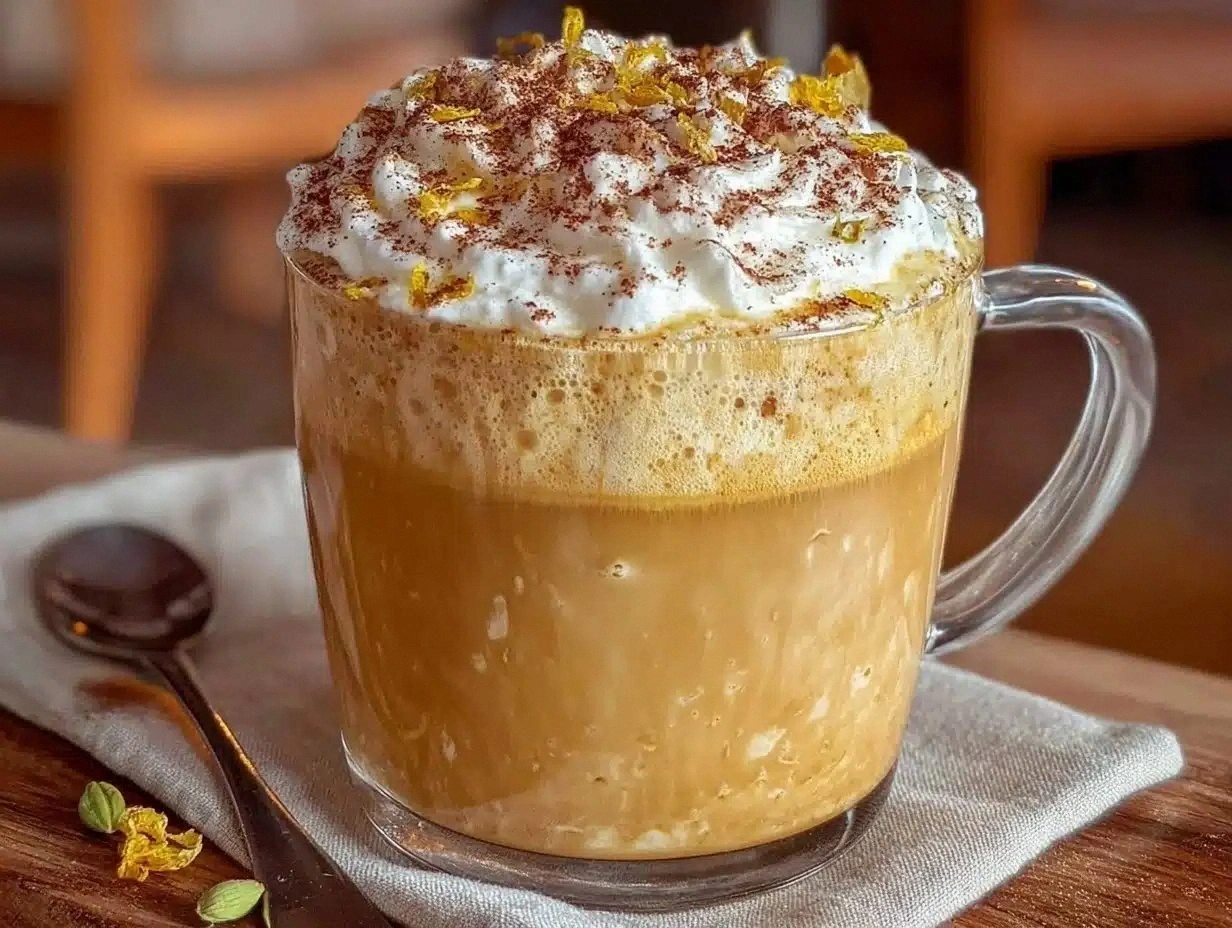
Kitchen Hack: If your frother has a “cold‑foam” setting, use it for an extra‑stable micro‑foam that lasts longer.Now assemble the latte. Pour the chilled tea into a large mug, leaving room for the foam. Slowly spoon the micro‑foam over the top, allowing it to cascade like a gentle waterfall. The foam should sit on the surface, creating a distinct layer that looks like a soft white cap atop amber water. Take a moment to admire the swirl—this is the visual cue that you’ve nailed the texture.
Finish with a final flourish: sprinkle a pinch of dried lavender or a light dusting of ground cinnamon for extra aroma. This final touch is the “mic drop” of the whole process, turning a simple drink into a ceremony. Take a sip, close your eyes, and let the flavors unfold—bergamot, vanilla, sweet honey, and the whisper of lavender dancing together. That sizzle when it hits the palate? Absolute perfection.
That's it — you did it. But hold on, I've got a few more tricks that'll take this to another level...
Insider Tricks for Flawless Results
The Temperature Rule Nobody Follows
The secret to perfect micro‑foam isn’t just the frother; it’s the temperature of the milk. Milk that’s too hot will break down the proteins, leading to watery foam. Aim for 140°F (60°C) for whole milk and 130°F (54°C) for plant‑based milks. I once tried frothing milk straight from the fridge and ended up with a froth that resembled a busted bubble—disaster. Keep a kitchen thermometer handy; the difference of just ten degrees can change the entire texture.
Why Your Nose Knows Best
Before you even taste, trust your nose. When the tea is properly steeped, the aroma will be a bright citrus with a faint floral undertone. If you smell any bitterness or a burnt note, the water was too hot or the steep was too long. I’ve seen people rely on taste alone and end up with a fog that tastes flat. A quick sniff is the quickest quality check you can perform.
The 5‑Minute Rest That Changes Everything
After frothing, let the foam rest for exactly five minutes before pouring. This short pause allows the bubbles to settle into a uniform size, creating that glossy, marble‑like finish. Skipping this step is the most common mistake I see; the foam collapses too quickly, and the latte looks sad. Trust me, those five minutes are worth the wait.
Barista‑Blend Milk Magic
If you’re using plant‑based milk, choose a “barista” blend that contains added oils or stabilizers. These blends froth like dairy and hold their shape longer. I once used plain oat milk and the foam vanished within seconds, turning my latte into a watery mess. The barista blends are a game‑changer for vegans and dairy‑free folks.
Pre‑Steep the Lavender
For an even more pronounced floral note, pre‑steep the dried lavender in hot water for 30 seconds before adding the tea bags. This releases the essential oils without making the flavor overpowering. I tried skipping this step once, and the lavender was barely detectable—a missed opportunity for depth.
Creative Twists and Variations
This recipe is a playground. Here are some of my favorite ways to switch things up:
Matcha‑Fog Fusion
Swap half of the Earl Grey with a teaspoon of high‑grade matcha powder. The result is a green‑gold latte that marries earthy matcha with citrusy bergamot—a perfect balance for those who love both worlds.
Spiced Autumn Fog
Add a pinch of ground cinnamon, nutmeg, and a splash of pumpkin puree to the milk before frothing. This creates a cozy, seasonal fog that feels like a sweater on a crisp fall morning.
Chocolate Hazelnut Fog
Stir in a tablespoon of chocolate hazelnut spread into the warm tea before chilling. The nutty chocolate notes blend beautifully with the tea, turning the latte into a dessert‑like treat.
Citrus Burst Fog
Replace the vanilla extract with a dash of orange zest and a splash of fresh orange juice. The extra citrus amplifies the bergamot, making the drink zingy and refreshing—ideal for summer brunches.
Cold‑Brew Fog
Use cold‑brew tea (steep Earl Grey in cold water for 8 hours) and skip the heating step. Then froth cold milk for a refreshing iced version. This is perfect for hot days when you still crave that foggy comfort.
Herbal Lavender‑Honey Fog
Swap the vanilla for a drizzle of lavender‑infused honey. The honey adds a floral sweetness that pairs perfectly with the dried lavender, creating a more pronounced floral profile.
Storing and Bringing It Back to Life
Fridge Storage
Store the brewed tea in an airtight glass jar for up to 3 days. Keep the milk separate and froth fresh each morning for the best texture. When reheating, gently warm the tea on low heat; avoid a rapid boil, which can make the flavor harsh.
Freezer Friendly
The tea freezes beautifully in silicone ice cube trays. Pop a few cubes into a mug, add freshly frothed milk, and you have an instant fog. The cubes keep the flavor bright and prevent dilution.
Best Reheating Method
Before reheating, add a tiny splash of water (about a tablespoon per cup). This creates steam that revives the micro‑foam’s silkiness and prevents the milk from separating. Heat gently on the stove or in a microwave for 30‑45 seconds, then froth again if needed.