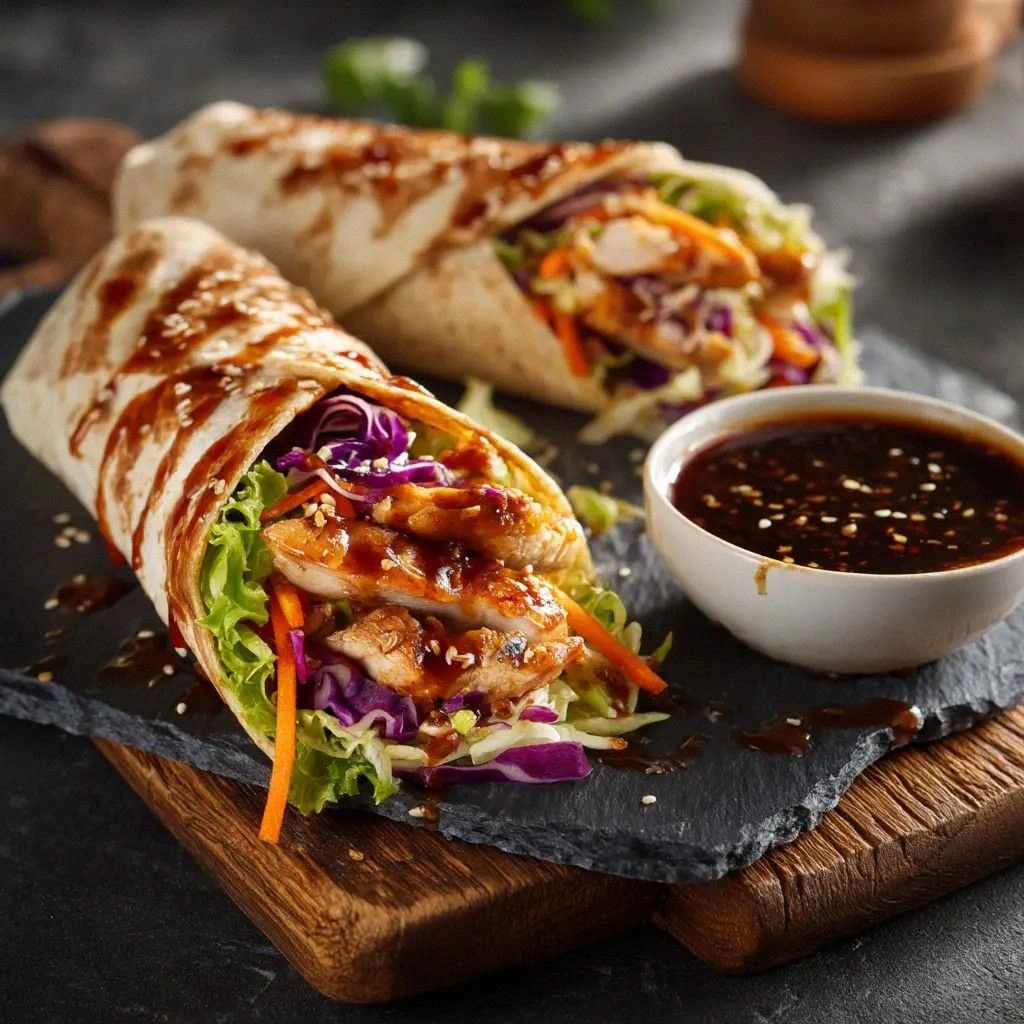
I remember the night I was juggling a spreadsheet of takeout orders and a half‑finished pot of rice in my tiny kitchen. The smell of soy sauce and garlic hit me like a surprise party, but the chicken was still raw and the tortilla was about to burn. I dared myself to make a wrap that would turn that disaster into a culinary triumph, and I never looked back. The first bite of the warm, glossy teriyaki chicken, the crunch of shredded carrots and cabbage, and the creamy swirl of cream cheese had me shouting, “This is the best wrap you’ll ever make at home.”
Picture yourself pulling this out of the pan, the whole kitchen smelling incredible, the sauce glistening on the chicken like a velvet curtain. The sizzle as the chicken hits the hot oil is a soundtrack that says, “You’re about to taste something extraordinary.” I dare you to taste this and not go back for seconds. That moment when the tortilla is perfectly warmed, the lettuce is crisp, and the sweet‑savory sauce coats every bite—pure magic. If you've ever struggled with a bland wrap, you're not alone—and I've got the fix. I’ll be honest—I ate half the batch before anyone else got to try it.
Most recipes get this completely wrong. They over‑cook the chicken, under‑season the sauce, or forget the crunch. I discovered that the secret lies in a simple, balanced glaze and the right timing. The sauce should coat the chicken like silk, not cling like a stubborn glaze. The tortilla must be just warm enough to be pliable, not so hot that it tears. This version is hands down the best version you'll ever make at home because it harmonizes texture, flavor, and visual appeal into one bite.
I’ve spent countless evenings experimenting with different soy‑based sauces, but the combination of honey, rice vinegar, and ginger gave me the perfect balance of sweet, tangy, and umami. The cornstarch slurry thickens the glaze without making it gummy, and the fresh ginger adds a zing that wakes up the palate. The cream cheese, tucked in the middle of the wrap, creates a silky, slightly tangy contrast that balances the savory notes. The vegetables bring a bright, refreshing crunch that keeps the wrap from feeling heavy.
You might think that adding cream cheese to a teriyaki wrap is a culinary crime, but trust me—it's a game‑changer. The richness of the cheese melts into the sauce, creating a velvety texture that feels indulgent yet light. The crunch of shredded carrots and cabbage provides a satisfying contrast that keeps each bite interesting. The romaine lettuce adds a crisp, green pop that balances the sweetness of the glaze. This combination of flavors and textures is what makes the wrap truly unforgettable.
The technique I’ll show you is simple, but it’s the kind of detail that separates a good meal from a great one. The key is to let the chicken sear until the edges are caramelized, then finish it in the sauce while it thickens. The result is a glaze that clings to every surface, turning the wrap into a handheld masterpiece. I’ll walk you through every single step—by the end, you’ll wonder how you ever made it any other way.
If you’re a fan of quick, satisfying meals, this wrap is your new go‑to. It’s perfect for busy weeknights, a lunch on the go, or a crowd‑pleasing appetizer at a potluck. The recipe is flexible enough that you can swap out veggies or proteins, but the base remains the same. The next section will break down why this version stands out, and then we’ll dive into the ingredients that make it shine.
Ready for the game‑changer? Let’s break down exactly what goes into this masterpiece and why it’s a step above every other wrap you’ve tried.
What Makes This Version Stand Out
- Flavor: The glaze balances sweet honey, salty soy, and sharp ginger, creating a complex taste that lingers on the tongue. The sauce coats the chicken like velvet, leaving every bite richly flavored. The subtle tang from rice vinegar cuts through the richness of the cream cheese.
- Texture: Crispy edges from the seared chicken meet the crunch of shredded carrots and cabbage, while the creamy center melts into the wrap. The tortilla is warm and pliable, preventing tears and giving a satisfying bite. The contrast of textures turns each bite into a delightful experience.
- Simplicity: With only 14 ingredients, you can assemble this in under 30 minutes. No complicated sauces or pre‑made marinades—just basic pantry staples. The recipe is straightforward enough for beginners but still impresses seasoned cooks.
- Uniqueness: The addition of cream cheese is a playful twist that many wraps overlook. It adds a silky, tangy layer that elevates the dish beyond standard teriyaki. The combination of fresh ginger and cornstarch gives the sauce a smooth, glossy finish.
- Crowd Reaction: Friends always ask for the recipe after the first bite. The colorful presentation makes it Instagram‑ready, and the flavors appeal to both kids and adults. The wrap is a hit at potlucks, parties, or a quick family dinner.
- Ingredient Quality: Using low‑sodium soy sauce and fresh ginger ensures a balanced flavor profile. The use of whole‑grain tortillas adds a subtle nutty undertone that pairs well with the glaze. Fresh vegetables keep the wrap bright and nutritious.
- Cooking Method: The searing technique locks in juices, while the quick glaze finish keeps the chicken tender. The method allows for make‑ahead preparation, as the chicken can be cooked ahead and reheated without losing flavor.
- Make‑Ahead Potential: Cook the chicken and let it cool; reheat in a pan or microwave before assembling. The sauce can be pre‑made and stored in the fridge. This makes the recipe perfect for meal prep or a busy weeknight.
Inside the Ingredient List
The Flavor Base
The low‑sodium soy sauce is the backbone of the glaze, providing umami without overpowering sweetness. If you can’t find low‑sodium, use regular soy sauce but reduce the amount by half to avoid a salty finish. The honey balances the acidity of the vinegar and the sharpness of the ginger, creating a harmonious glaze. Skipping honey would leave the sauce too sharp and tart, which could clash with the creamy center.
The Texture Crew
Cornstarch is the secret to achieving that glossy, clingy glaze that coats the chicken. It thickens the sauce without adding bulk, maintaining a silky mouthfeel. If you’re gluten‑free, swap cornstarch for arrowroot powder; the result is virtually identical. The fresh ginger adds a bright, zesty kick that cuts through the richness of the cream cheese.
The Unexpected Star
Cream cheese might seem out of place in a teriyaki wrap, but it introduces a creamy, tangy layer that balances the sweetness and umami. The cheese melts into the sauce, creating a velvety texture that feels indulgent yet light. If you’re lactose intolerant, use a dairy‑free cream cheese or a light coconut yogurt for a similar effect. The key is to keep the cheese at room temperature so it incorporates smoothly.
The Final Flourish
The romaine lettuce, shredded carrots, and red cabbage provide a fresh, crunchy contrast that keeps the wrap from feeling heavy. They also add color, making the dish visually appealing. If you prefer a milder crunch, replace cabbage with cucumber ribbons. The vegetables’ brightness enhances the overall flavor profile, making each bite exciting.
Everything's prepped? Good. Let's get into the real action and turn those ingredients into a masterpiece.
The Method — Step by Step
- Start by cutting the chicken breasts into bite‑sized strips. Toss them with a pinch of salt and pepper, then set aside. This simple seasoning allows the teriyaki glaze to shine without being masked. I always add a splash of cornstarch here to help the sauce cling to the chicken.
- In a small bowl, whisk together the soy sauce, honey, rice vinegar, minced garlic, and grated ginger. The mixture should look glossy and well‑combined. Keep this sauce ready; you’ll need it in a hurry later.
- Heat the vegetable oil in a large skillet over medium‑high heat. When the oil shimmers, add the chicken strips in a single layer. Don’t overcrowd the pan; this ensures even searing. The chicken should sizzle loudly, a clear sign that the pan is hot enough.
- Sear the chicken for about 3–4 minutes on each side until golden brown and just cooked through. Flip only once to keep the edges caramelized. The chicken should have a slight char, which adds depth to the flavor.
- Reduce the heat to medium and pour in the pre‑whisked sauce. Stir to coat the chicken evenly, then let it simmer for 2–3 minutes until the sauce thickens slightly. The glaze should coat the back of a spoon, indicating it's ready.
- While the chicken cooks, warm the tortillas in a dry skillet or microwave for 10–15 seconds. The tortillas should be pliable but not steaming, which prevents tearing when you fold them later.
- Spread a thin layer of cream cheese onto the center of each tortilla. The cheese acts as a barrier, keeping the sauce from soaking through too quickly. It also adds a subtle tang that balances the sweet glaze.
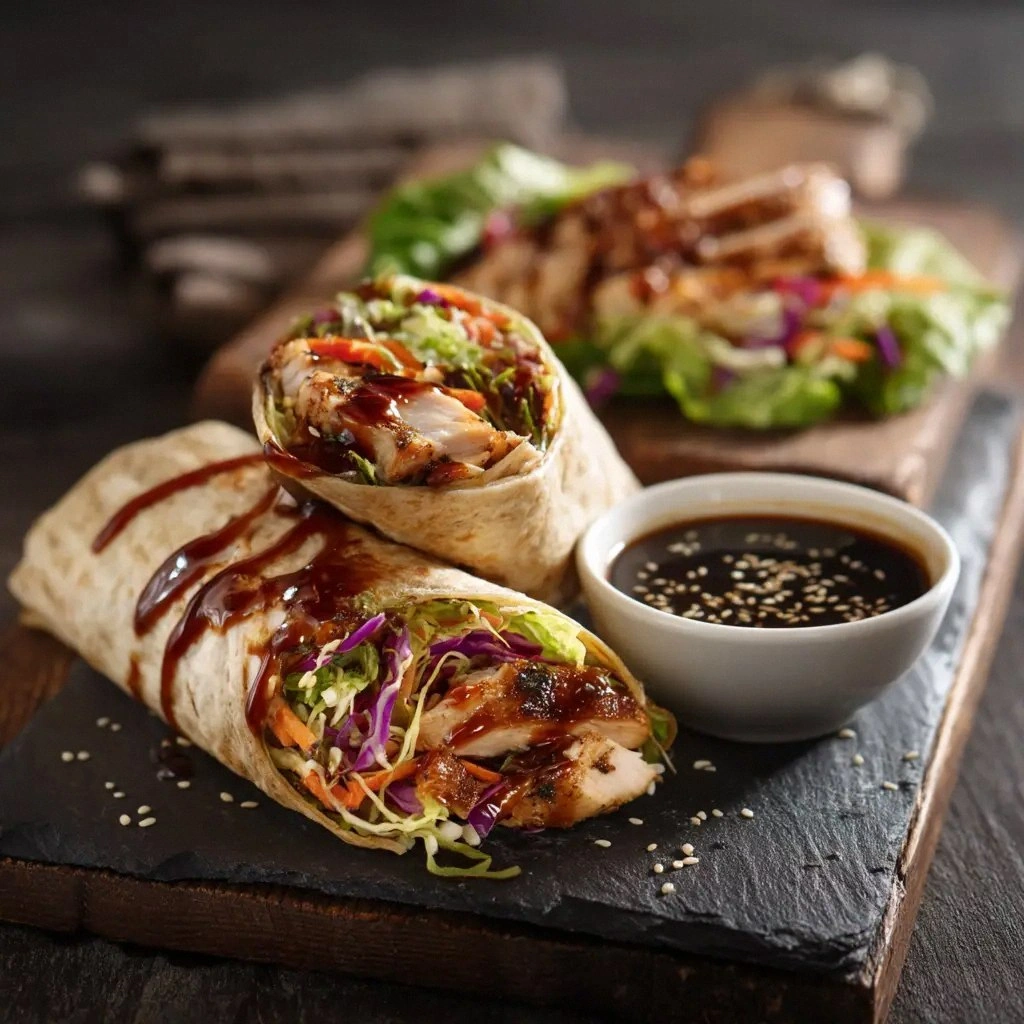
- Layer the cooked chicken, romaine lettuce, shredded carrots, and red cabbage on top of the cream cheese. Don’t overfill; a generous but manageable amount ensures the wrap stays together.
- Fold the sides of the tortilla in, then roll from the bottom up to secure the filling. If the tortilla feels too stiff, give it a quick steam in a damp cloth to make it more pliable. The wrap should feel snug but not overly tight.
- Optional: For a crispier finish, place the wrapped rolls in a preheated oven at 350°F (175°C) for 5 minutes. This step melts the cream cheese slightly and gives the tortilla a golden edge. If you prefer a softer wrap, skip the oven and enjoy immediately.
That's it — you did it. But hold on, I've got a few more tricks that'll take this to another level. These insider tips will help you avoid common pitfalls and elevate the flavor profile even further.
Insider Tricks for Flawless Results
The Temperature Rule Nobody Follows
Keeping the skillet at medium‑high heat during searing locks in juices and creates a caramelized crust. If the heat is too low, the chicken will steam instead of sear, resulting in a soggy texture. Conversely, too high heat can burn the exterior before the interior cooks. Use a thermometer if you’re uncertain; 400°F (204°C) is ideal for searing.
Why Your Nose Knows Best
Smell is your best gauge for sauce thickness. When the glaze is ready, it should emit a sweet, caramelized aroma and coat the back of a spoon. If it’s too thin, the flavor will be watery; if too thick, it will cling to the pan and become sticky. Trust your nose—if it smells like a caramelized sugar, you’re on the right track.
The 5-Minute Rest That Changes Everything
After cooking the chicken, let it rest for five minutes before assembling the wrap. This allows the juices to redistribute, ensuring each bite is moist. Skipping this step can result in dry, unevenly seasoned chicken. I always keep the chicken in a warm place while I prep the vegetables.
Keep the Tortilla Warm
A warm tortilla is less likely to tear when you fold it. Use a paper towel to wrap the tortilla and place it in a warm oven (200°F/93°C) for a minute. This simple trick keeps the tortilla supple and improves the overall eating experience. If you’re in a rush, a quick microwave burst of 10 seconds works just fine.
The Cream Cheese Layer Trick
Spread the cream cheese in a thin, even layer so it doesn’t become a soggy patch. This creates a smooth barrier that prevents the sauce from soaking through the tortilla. If you prefer a lighter option, use a dollop of Greek yogurt instead.
The Final Fold
When folding the wrap, start by folding the sides in first, then roll from the bottom. This method keeps the filling secure and prevents the tortilla from unraveling. If you find the tortilla is too thin, add a small amount of flour to the inside of the tortilla before rolling.
Creative Twists and Variations
This recipe is a playground. Here are some of my favorite ways to switch things up:
Spicy Sriracha Kick
Add a tablespoon of sriracha to the glaze for a fiery twist. The heat pairs beautifully with the sweet honey and balances the richness of the cream cheese. It’s perfect for those who like a little bite.
Grilled Pineapple Topping
Grill pineapple slices for a caramelized, tropical flavor that complements the teriyaki glaze. The sweetness of the pineapple adds a refreshing contrast to the savory chicken. Slice thinly to keep the wrap manageable.
Veggie‑Rich Power Wrap
Swap the romaine lettuce for spinach and add sliced bell peppers for extra crunch. This variation boosts the nutrient profile and adds a pop of color. The spinach’s mild flavor pairs well with the glaze.
Asian Lettuce Wraps
Use butter lettuce or iceberg instead of tortillas for a low‑carb option. Fill with the same chicken, sauce, and veggies, then fold the lettuce leaves. It’s a lighter, refreshing take on the wrap.
Cheddar Cheese Upgrade
Swap cream cheese for shredded sharp cheddar for a sharper, more robust flavor. The cheddar melts into the sauce, creating a creamy texture with a tangy bite. This version is great for cheese lovers.
Miso Teriyaki Fusion
Add a tablespoon of white miso paste to the glaze for a deeper umami profile. The miso adds complexity and a subtle earthy note that elevates the dish. Stir until fully dissolved for a smooth sauce.
Storing and Bringing It Back to Life
Fridge Storage
Store the cooked chicken and sauce separately in airtight containers for up to 3 days. Keep the tortillas in a paper bag to maintain softness. When ready to eat, reheat the chicken in a skillet for 2 minutes, then assemble the wrap.
Freezer Friendly
Wrap the assembled rolls tightly in parchment paper, then place them in a freezer bag. They’ll keep for up to 2 weeks. Thaw overnight in the fridge, then warm in a skillet or microwave for 1 minute before serving.
Best Reheating Method
Add a splash of water to the pan before reheating to create steam, which helps the wrap stay moist. Reheat on medium heat, flipping once, until the tortilla is warmed through. The steam keeps the cheese from drying out and restores the sauce’s silky texture.