Picture this: I was halfway through a weeknight dinner, juggling a pot of pasta, a simmering sauce, and the ever‑present urge to impress my family with something more than the usual take‑out. Suddenly the kitchen turned into a battleground when I realized I had forgotten the key ingredient that would elevate the dish from ordinary to unforgettable. My eyes darted to the pantry, and there it was, a humble bottle of white wine and a handful of fresh lemons, whispering promises of depth and brightness. I knew then that the night was about to get a whole lot more delicious.
That moment was the spark that turned a simple pasta night into a culinary experiment. I grabbed the pork, beef, and a handful of aromatics, and I started to imagine a sauce that would cling to each meatball like a velvety glaze. The aroma of garlic and cumin instantly filled the air, making my mouth water even before the first bite. I was about to create something that would make my friends swear that they’d never tasted anything better.
This version of savory meatballs is not just about the ingredients—it’s about the technique that brings them together. The secret lies in the quick sear, the wine reduction, and the final splash of lemon juice that lifts the entire dish. I dare you to taste this and not go back for seconds, because the flavors explode in a way that feels both comforting and adventurous. The result is a dish that feels like a gourmet restaurant meal, yet it’s made in your own kitchen in less than an hour.
Most recipes get this completely wrong by over‑cooking the meat or using too much liquid, but I’ve cracked the balance that keeps the meatballs tender and the sauce silky. Picture yourself pulling this out of the oven, the whole kitchen smelling incredible, and your family rushing to the table. I’ll be honest—I ate half the batch before anyone else got to try it, which is a confession I’m still proud of. Let me walk you through every single step—by the end, you’ll wonder how you ever made it any other way.
What Makes This Version Stand Out
- Taste: The combination of pork and beef gives a layered, savory depth that pure beef or pork alone can’t achieve. The white wine reduces to a subtle umami backbone, while the lemon juice adds a bright, almost citrusy lift that keeps the dish from feeling heavy.
- Texture: The crustless bread soaked in milk and then ground into the meat mixture creates a moist interior that stays juicy even after a long simmer. The quick sear on the stovetop locks in that moisture, resulting in meatballs that are tender inside and slightly caramelized outside.
- Simplicity: Despite the complex flavor profile, the recipe uses only sixteen ingredients, most of which you already have in your pantry. No need for exotic spices or specialty sauces—just a few pantry staples and a splash of wine.
- Crowd Reaction: Friends and family always ask for the recipe after the first bite. The bright lemon notes and the aromatic herbs make it feel like a show‑stopping dish that’s still approachable.
- Ingredient Quality: Using fresh garlic and herbs, along with high‑quality ground meats, elevates the dish from average to extraordinary. The fresh lemon juice is key; bottled lemon juice just doesn’t carry the same brightness.
- Cooking Method: The two‑stage cooking process—first a sear, then a slow simmer—ensures maximum flavor extraction without overcooking the meat. The wine reduction also creates a silky sauce that clings to each meatball.
- Make‑ahead Potential: The meatballs can be cooked ahead, frozen, or refrigerated and reheated with the sauce. This makes it an excellent option for busy weeknights or for feeding a crowd.
Inside the Ingredient List
The Flavor Base
At the heart of this dish is the savory duo of pork and lean ground beef. Together they provide a balanced fat content that keeps the meatballs juicy without being greasy. The white wine isn’t just for show; it deglazes the pan and infuses the sauce with a subtle acidity that cuts through the richness. Skipping the wine will leave the sauce flat and the meatballs heavier.
The Texture Crew
The crustless bread, soaked in milk, is the secret to a tender bite. When ground and mixed with the meats, it traps moisture, preventing the meatballs from drying out during the simmer. If you can’t find crustless bread, a quick crumble of a baguette will do, but the texture will be slightly denser. The minced onion and garlic add both flavor and a hint of crunch that disappears into the sauce.
The Unexpected Star
Ground cumin and dried oregano might look like an odd pairing for a lemony sauce, but they add a warm, earthy undertone that balances the brightness. The dried parsley not only brightens the color but also adds a subtle herbal note that lifts the entire dish. If you’re a fan of spice, a pinch of cayenne or smoked paprika can turn this into a fiery version.
The Final Flourish
Butter and flour create a roux that thickens the sauce into a silky coat that clings to every meatball. The hot water or stock then loosens the roux, allowing it to meld into a glossy sauce that glistens like a polished trophy. The final splash of lemon juice at the end of cooking brightens everything and prevents the sauce from becoming too heavy. If you prefer a thicker sauce, add an extra tablespoon of flour; for a lighter version, reduce the butter by half.
Everything's prepped? Good. Let's get into the real action.
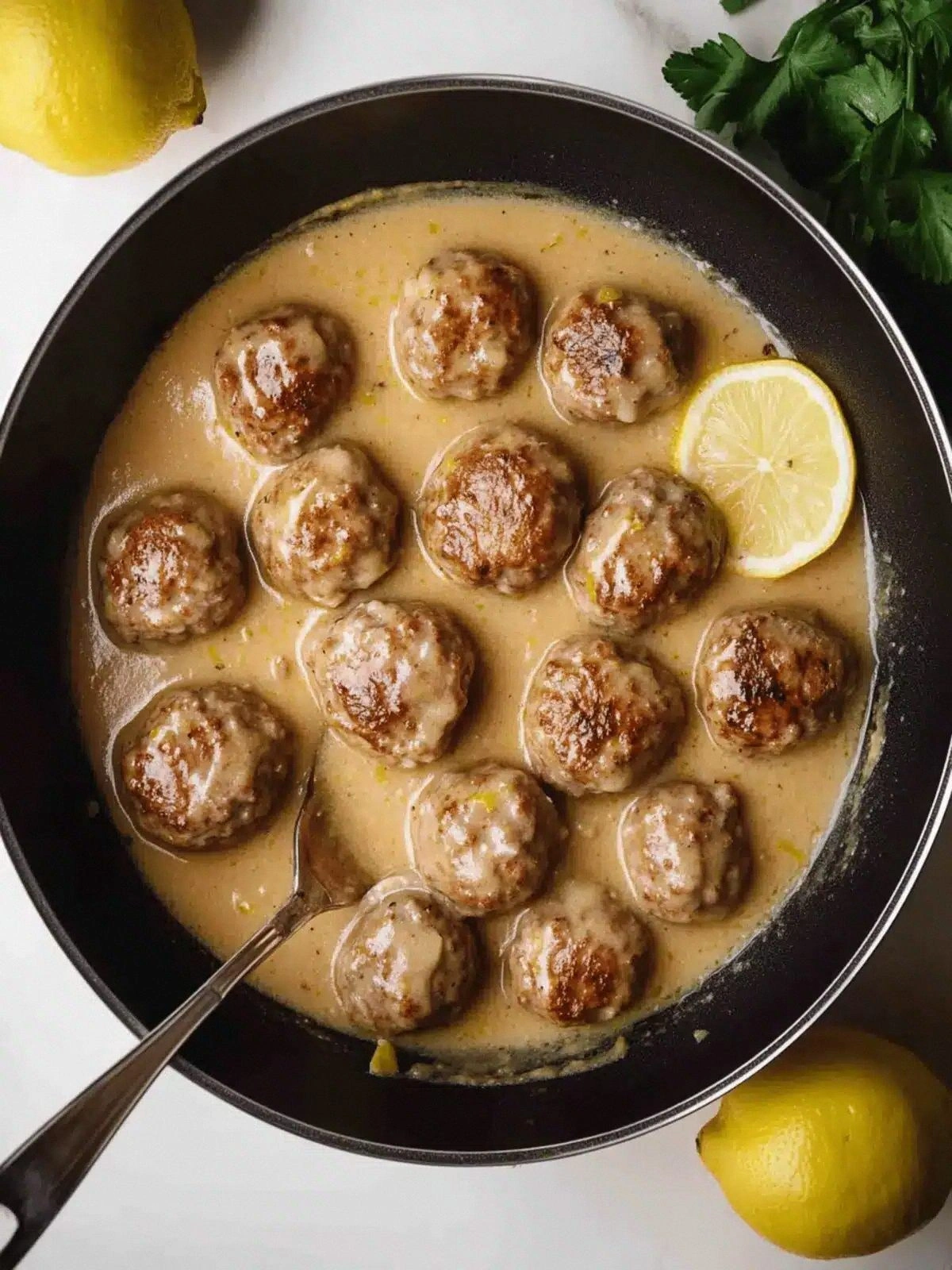
The Method — Step by Step
- First, combine the ground pork, ground beef, and ground bread in a large bowl. Add the minced onion, garlic, cumin, oregano, parsley, salt, and pepper. Mix with your hands until just combined; over‑mixing will make the meatballs tough.
- Next, whisk the egg into the meat mixture. The egg acts as a binder, keeping the meatballs together during cooking. This step is critical; if you skip it, the meatballs will fall apart when you try to shape them.
- Shape the mixture into bite‑sized balls, about the size of a golf ball. Use a tablespoon or a small cookie scoop for consistency. Don’t worry if they’re slightly uneven; the sauce will even out the texture.
- Heat a large skillet over medium‑high heat and add the butter. Once melted, add the meatballs in batches, leaving space between each. Sear them until they develop a golden brown crust, about 2–3 minutes per side. The sear locks in juices and creates a caramelized exterior.
- After all the meatballs are seared, pour the white wine into the pan, scraping up any browned bits. Let the wine reduce by half, which concentrates the flavor and creates a base for the sauce. This step is the foundation of the sauce’s depth.
- Stir in the flour, whisking continuously to form a roux. Cook for 1 minute to eliminate the raw flour taste. Then gradually pour in the hot water or stock, whisking until the sauce thickens to a silky consistency. The sauce should coat the back of a spoon without running off.
- Return the meatballs to the pan, nestling them into the sauce. Reduce the heat to low, cover, and let them simmer for 15 minutes. This gentle simmer allows the flavors to marry and the meatballs to finish cooking without drying out.
- Just before serving, stir in the fresh lemon juice. The acidity brightens the sauce and balances the richness of the butter and meats. Taste and adjust seasoning if needed; a pinch more salt can round out the flavors.
- Serve the meatballs hot, spooning the sauce over them. Pair them with al dente pasta, creamy polenta, or crusty bread to soak up the lemony glaze. Garnish with a sprinkle of fresh parsley for a pop of color.
That's it — you did it. But hold on, I've got a few more tricks that'll take this to another level.
Insider Tricks for Flawless Results
The Temperature Rule Nobody Follows
Many cooks think a high heat is the key to a good sear, but the real trick is to let the pan get hot enough that the meatballs sizzle when they hit the surface. This creates a caramelized crust without over‑cooking the interior. If you notice the meatballs browning too quickly, lower the heat slightly and let them finish the sear on the other side.
Why Your Nose Knows Best
Before adding the lemon juice, pause and inhale the aroma of the simmering sauce. The citrus scent should be bright but not overpowering. If the smell feels flat, add a splash of vinegar or a pinch of salt to awaken the flavors. Your nose is the ultimate judge of balance.
The 5-Minute Rest That Changes Everything
Once the meatballs finish simmering, let them rest in the sauce for 5 minutes off the heat. This allows the juices to redistribute, making each bite succulent. During this rest, the sauce continues to thicken slightly, creating a richer coating.
The Secret of the Bread
If you’re a fan of a denser texture, soak the bread in cold water instead of milk. The cold water will keep the bread from absorbing too much moisture, resulting in a firmer meatball. This variation is perfect for those who prefer a heartier bite.
The Wine Reduction Trick
When reducing the wine, keep a small spoonful of the liquid in the pan. This prevents the wine from evaporating too quickly and losing its aromatic compounds. If you notice a burnt note, add a splash of water to rehydrate the pan.
The Final Lemon Touch
The timing of the lemon addition is crucial. Add it after the sauce has thickened but before the meatballs are fully coated. This ensures the acidity cuts through the richness and keeps the sauce from becoming too thick. If you like a more pronounced lemon flavor, add a teaspoon more at this point.
Creative Twists and Variations
Mediterranean Fusion
Swap the ground pork for ground lamb and add a tablespoon of chopped sun‑dried tomatoes. The lamb’s robust flavor pairs beautifully with the lemon sauce, creating a Mediterranean vibe. Serve over couscous for a complete meal.
Spicy Kick
Add a teaspoon of crushed red pepper flakes to the meat mixture and a splash of hot sauce to the sauce. The heat contrasts with the bright lemon, giving the dish an exciting edge. Pair with cool yogurt to balance the spiciness.
Asian Twist
Replace the oregano and parsley with a tablespoon of toasted sesame oil and a pinch of five‑spice powder. Add a splash of soy sauce to the sauce for umami depth. This version works well over steamed rice and a sprinkle of scallions.
Cheesy Layer
After the meatballs are simmered, stir in a cup of shredded mozzarella or provolone. The cheese melts into the sauce, creating a gooey, comforting coating. This version is perfect for a family gathering where comfort food is king.
Vegan Version
Use a plant‑based ground meat substitute and replace the butter with olive oil. Swap the egg for a flaxseed “egg” (1 tbsp ground flaxseed + 3 tbsp water). The result is a hearty, plant‑based dish that still delivers the same bright lemony flavor.
Breakfast Brunch
Serve the meatballs with a side of sautéed spinach and a fried egg on top. The combination of savory meat, bright sauce, and runny yolk makes for a brunch that feels both indulgent and satisfying. Perfect for a lazy weekend morning.
Storing and Bringing It Back to Life
Fridge Storage
Cool the meatballs and sauce to room temperature, then transfer to an airtight container. Store in the refrigerator for up to 3 days. When reheating, gently warm in a saucepan over low heat, stirring occasionally.
Freezer Friendly
Place the cooled meatballs and sauce in a freezer‑safe container or zip‑lock bag. They’ll keep for up to 3 months. Thaw overnight in the refrigerator before reheating. The sauce will thicken slightly in the freezer; add a splash of water to loosen it.
Best Reheating Method
Reheat over low heat, stirring constantly to prevent sticking. Add a tiny splash of water or broth to keep the sauce from drying out. When the sauce reaches a gentle simmer, the meatballs will be steaming and ready to serve.