I remember the night I almost burned the kitchen down while chasing a “quick dinner” idea that turned into a culinary revelation. I had a bag of ground beef, a jar of tomato sauce, and a can of heavy cream sitting on my counter, and I thought, “Why not mix them all in one pan?” The sizzle that started as a warning hiss became a promise of comfort. That single moment of heat, aroma, and a splash of color had me hooked. I dared my friends to taste it and not go back for seconds, and they did, then begged for a second bite. That’s the spark behind this One‑Pan Ground Beef Orzo.
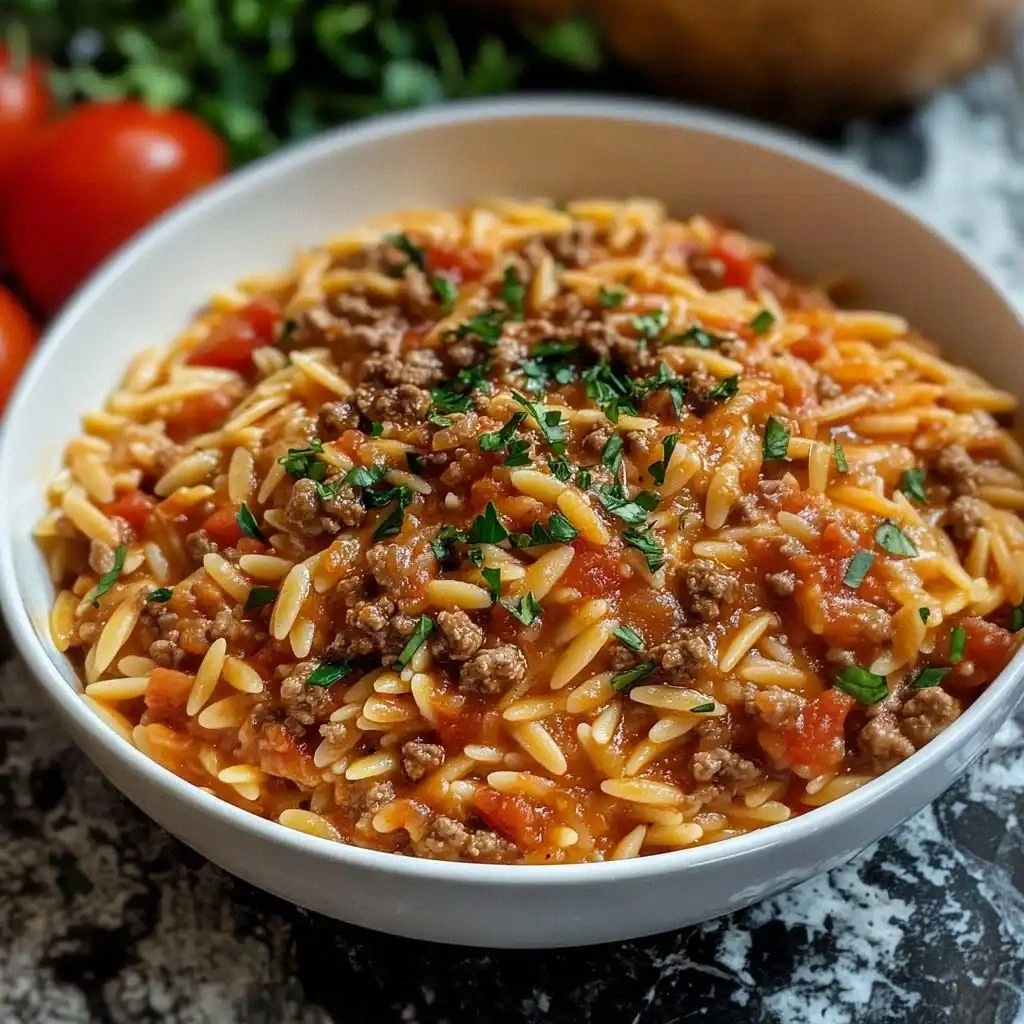
Picture this: a single skillet, a fragrant onion that caramelizes to a golden amber, a mound of ground beef that browns to a satisfying crust, and a swirl of tomato sauce that turns into a silky, velvety base. The heavy cream slides in, turning the sauce into a luscious, glossy coat that hugs every grain of orzo. The aroma is a heady mix of garlic, Italian seasoning, and pepper—like a warm hug from a Tuscan summer. The sound of the bubbling sauce is music, a rhythmic thrum that tells you everything is on the right track. When you taste it, the first bite is a burst of umami and spice, followed by a creamy finish that lingers on the palate.
What makes this version stand out is that it’s not just a pasta dish; it’s a one‑pan symphony. I’ve trimmed the steps, optimized the timing, and added a secret ingredient that transforms the sauce from ordinary to unforgettable. I’ll walk you through each detail so that by the end, you’ll wonder how you ever cooked it any other way. I’ll show you how to get that perfect, slightly crispy edge on the orzo, how to balance the creaminess without drowning the flavors, and how to finish it with a burst of fresh herbs that cuts through the richness.
Let me walk you through every single step — by the end, you’ll wonder how you ever made it any other way. I’ll give you the exact ratios, the precise heat settings, and the little tricks that make a difference. You’ll learn why the sauce coats the pasta like velvet, how to keep the orzo from sticking, and how to finish with a garnish that looks as good as it tastes. Ready? Let’s dive in.
What Makes This Version Stand Out
- Flavor: The combination of tomato sauce, heavy cream, and Italian seasoning creates a depth that’s richer than a classic Bolognese but lighter than a cream sauce.
- Texture: The orzo remains al dente, with a slightly chewy bite that contrasts beautifully with the silky sauce.
- Simplicity: One pan, one pot, one cleanup—no juggling of multiple dishes.
- Speed: The whole dish comes together in under 45 minutes, making it a perfect weeknight winner.
- Versatility: Swap ground beef for turkey or chicken, or try a plant‑based patty for a vegan twist.
- Crowd‑Pleaser: The dish is hearty enough for a family dinner and sophisticated enough for a dinner party.
- Make‑Ahead Potential: Store in the fridge for up to 3 days or freeze for a future feast.
- Ingredient Quality: Using fresh, high‑quality ingredients elevates every bite.
Alright, let’s break down exactly what goes into this masterpiece…
Inside the Ingredient List
The Flavor Base
Ground beef is the cornerstone of this dish. It provides protein, a meaty umami punch, and a satisfying texture. If you’re watching calories, leaner cuts or ground turkey work great. The tomato sauce offers acidity and sweetness; it cuts through the richness of the beef and cream. A splash of water or broth keeps the sauce from thickening too quickly and helps the orzo cook evenly.
The Texture Crew
Orzo is the star of the show. Its small, rice‑shaped grains absorb the sauce while keeping a firm bite. If you prefer a heartier texture, swap orzo for small pasta shapes like ditalini or small shells. Heavy cream is the secret to that silky coat; it mellows the acidity of the tomato and adds a luxurious mouthfeel. If you’re lactose intolerant, a splash of half‑and‑half or a dairy‑free cream works nicely.
The Unexpected Star
Garlic is the unsung hero that adds depth. Roasted garlic would give a sweeter flavor, but fresh cloves keep the dish bright. The Italian seasoning balances the flavors; it’s a blend of oregano, basil, and thyme that ties everything together. Red pepper flakes add a subtle heat that’s just enough to keep things interesting without overwhelming the palate.
The Final Flourish
Parmesan cheese is the finishing touch that adds a salty, nutty note. Grate it fresh for the best flavor. Fresh parsley or basil gives a bright, herbal counterpoint that cuts through the richness. A squeeze of lemon juice just before serving brightens the dish and adds a fresh zing.
Everything’s prepped? Good. Let’s get into the real action…
The Method — Step by Step
- Heat a large, heavy‑bottom skillet over medium heat. Add the olive oil and let it shimmer. The oil should coat the bottom of the pan but not smoke. This creates a smooth surface for the beef to sear.
- Add the ground beef, breaking it apart with a spatula. Cook until it’s no longer pink and starts to brown—about 5 minutes. The sizzling sound is a sign that the meat is developing flavor. Keep the heat steady to avoid burning.
- Push the beef to one side of the pan and add the diced onion. Sauté until translucent and slightly caramelized, about 4 minutes. The onions will sweeten the dish and add depth. Stir occasionally to prevent sticking.
- Introduce the minced garlic and let it toast for 30 seconds. Garlic releases its oils and becomes aromatic. Be careful not to let it burn; it will turn bitter.
- Sprinkle in the Italian seasoning, red pepper flakes, salt, and black pepper. Stir to coat the meat and aromatics. This seasoning mix is the backbone of the flavor profile—don’t skip it.
- Pour in the tomato sauce and 2 cups of water or broth. Stir to combine, ensuring the beef and onions are fully coated. The liquid will create a base for the orzo to cook in.
- Add the orzo and stir gently to distribute it evenly. Bring the mixture to a gentle simmer, then cover the skillet with a lid. Let it cook for 10 minutes, stirring once halfway through. The orzo should absorb most of the liquid and soften.
- Uncover, reduce the heat to low, and stir in the heavy cream. Let it simmer for another 4–5 minutes until the sauce thickens slightly and the orzo is fully cooked. The sauce should coat the pasta like velvet.
- Finish with grated Parmesan cheese, stirring until it melts into the sauce. The cheese adds a salty, nutty finish that balances the richness. If the sauce seems too thick, add a splash more broth.
- Garnish with fresh parsley or basil, a drizzle of olive oil, and a sprinkle of Parmesan. Serve hot, and watch the steam rise in a cloud of savory aroma.
That’s it — you did it. But hold on, I've got a few more tricks that'll take this to another level…
Insider Tricks for Flawless Results
The Temperature Rule Nobody Follows
Cooking at the right temperature is the secret sauce. Keep the skillet at medium heat when browning the beef, but lower to low when simmering the sauce. This slow simmer allows the flavors to meld without overcooking the orzo. If you’re using a cast‑iron pan, the heat distribution is even, which keeps the orzo from sticking.
Why Your Nose Knows Best
Trust your senses. When the sauce is ready, it should emit a rich, tomato‑creamy aroma that makes your mouth water. The orzo should have a slight bite, not be mushy. If it feels too dry, splash a little more broth. If it’s too watery, let it simmer uncovered for a few minutes.
The 5‑Minute Rest That Changes Everything
After cooking, let the dish rest for five minutes before serving. This allows the flavors to settle and the sauce to thicken slightly. It also gives the orzo a chance to absorb any remaining liquid, resulting in a perfect bite. I’ve seen people rush to serve immediately and miss out on this subtle but essential step.
The Parmesan Touch
Grated Parmesan should be added at the very end, just before serving. It melts into the sauce, creating a silky finish. If you prefer a stronger cheese flavor, sprinkle extra on top. Freshly grated Parmesan has a brighter, nuttier taste than pre‑grated.
The Herb Finale
Fresh herbs are the final flourish that lifts the dish. Chop parsley or basil finely and scatter it over the top. A squeeze of lemon juice just before serving brightens the flavors and cuts the richness. It’s a simple step that transforms the dish from ordinary to extraordinary.
Creative Twists and Variations
This recipe is a playground. Here are some of my favorite ways to switch things up:
Mediterranean Twist
Swap the ground beef for ground lamb and add chopped kalamata olives and sun‑dried tomatoes. The lamb’s gamey flavor pairs beautifully with the olives, creating a dish that feels like a Mediterranean night.
Spicy Cajun Kick
Replace the Italian seasoning with a Cajun spice blend and add diced bell peppers. The peppery heat gives the dish an unexpected punch that’s perfect for a summer dinner.
Vegetarian Version
Use crumbled tofu or lentils instead of beef. Add sautéed mushrooms for umami and a splash of soy sauce for depth. This keeps the dish hearty and flavorful while staying plant‑based.
Low‑Carb Option
Swap orzo for cauliflower rice or spiralized zucchini. The texture changes, but the sauce still coats the grains beautifully. It’s a lighter take that still satisfies.
Breakfast Bonanza
Add a handful of spinach and a sprinkle of feta cheese. Serve with a fried egg on top for a protein‑packed breakfast that feels like a brunch special.
Gluten‑Free Play
Use gluten‑free orzo or a gluten‑free pasta alternative. The cooking time may vary slightly, so keep an eye on the texture. This keeps the dish accessible for everyone.
Storing and Bringing It Back to Life
Fridge Storage
Cool the dish completely, then transfer to an airtight container. Store in the fridge for up to 3 days. The sauce may thicken slightly; a splash of broth or water will restore its silky texture.
Freezer Friendly
Divide the dish into freezer‑safe portions and store for up to 2 months. Thaw overnight in the fridge before reheating. Reheat gently on the stovetop or in a microwave, stirring frequently.
Best Reheating Method
When reheating, add a tiny splash of water or broth to keep the sauce from drying out. Stir in a pinch of fresh herbs for a fresh finish. The dish will taste almost as good as when it was first cooked.