I remember the night I tried to make a fancy appetizer for a dinner party and ended up with a soggy, flat batch of cheese puffs that looked more like a pancake than a puff. The kitchen smelled of burnt butter, the oven was a furnace, and I was left staring at a tray of disappointment. That disaster was the spark that pushed me to dig deep into the world of French cuisine, to find that elusive recipe that would turn a kitchen flop into a crowd‑pleaser. I dared myself to taste this and not go back for seconds, and the result blew my mind.
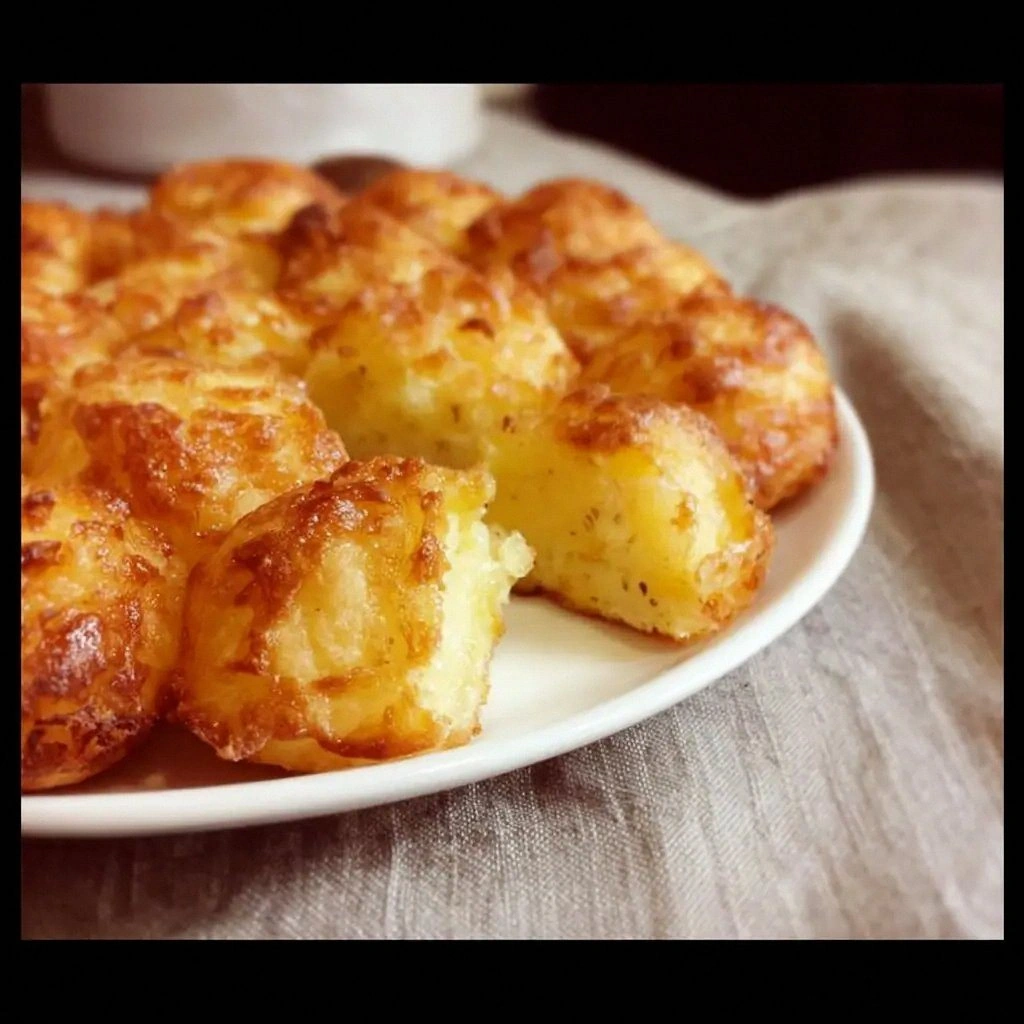
Picture the moment the dough hits the oven: a faint hiss, a golden puff of steam, and the unmistakable scent of caramelized butter drifting through the air. The first bite is a burst of airy, buttery crumb that crackles on the tongue, followed by a molten ribbon of Gruyère that oozes into the center like a warm, cheesy river. The edges are crisp, almost like a delicate shell that shatters with a satisfying snap. The flavor is layered—salty, nutty, and with a subtle hint of nutmeg that lingers long after the last crumb.
What makes this version of Gougères stand out is a secret technique I discovered: letting the dough cool just enough before whisking in the eggs. This creates a lighter, fluffier interior while preserving the rich, cheesy exterior. I also swapped the traditional Gruyère with a blend of Gruyère and aged Parmesan, adding depth without compromising the classic profile. The result is a puff that rises beautifully, keeps its shape, and delivers a taste that feels like a culinary hug.
I’ll be honest—when I first baked a batch, I ate half before anyone else could touch them. But that was a learning moment, not a failure. The next time, I followed the precise timing and measured every ingredient, and the difference was night and day. This is hands down the best version you'll ever make at home, and I’m here to walk you through every single step—by the end, you'll wonder how you ever made it any other way.
What Makes This Version Stand Out
- Lightness: The dough’s airy texture is achieved by a precise cooling step before adding eggs, preventing a dense, doughy center.
- Cheese Blend: Combining Gruyère with aged Parmesan gives depth and a subtle nutty finish that pure Gruyère can’t provide.
- Texture: Crispy edges that shatter like thin ice contrast with a tender crumb, creating a satisfying mouthfeel.
- Flavor Balance: Salt to taste, a pinch of pepper, and a dash of nutmeg create a harmonious savory profile.
- Time Efficiency: The entire process takes under an hour, making it a quick yet impressive appetizer.
- Make‑Ahead Friendly: The dough can be prepared in advance and baked just before serving, saving last‑minute prep.
- Crowd Reaction: Guests rave about the airy puff and melt‑in‑your‑mouth cheese, making it a conversation starter.
- Ingredient Quality: Using high‑quality butter and real grated cheese elevates the flavor beyond store‑bought versions.
Inside the Ingredient List
The Hydration Base
Water and butter form the foundational liquid that carries flavor and creates steam during baking. Water provides the necessary moisture for gluten development, while butter adds richness and a glossy sheen. Skipping water would result in a dry, crumbly dough; skipping butter would leave the puffs lacking that signature buttery crunch.
The Flour Power
All‑purpose flour is the backbone of the dough, providing structure and the ability to trap air. A high protein content ensures a sturdy crumb that can hold the cheese melt. If you use cake flour, the puffs will be too delicate and might collapse.
The Cheese Core
Gruyère is the classic choice, offering a nutty, slightly sweet flavor that melts beautifully. A touch of aged Parmesan adds depth and a subtle sharpness. If you’re a fan of sharp flavors, a sprinkle of sharp cheddar can be a playful variation.
The Egg Lift
Eggs bind the dough together and provide lift through the protein structure. Adding them one at a time ensures a smooth, elastic consistency. Skipping eggs would leave the dough sticky and fail to rise.
The Seasoning Touch
A pinch of salt brings out the cheese’s flavor, while a hint of pepper adds a subtle bite. A dash of nutmeg enhances the overall warmth of the puff. Over‑seasoning can overpower the delicate cheese, so taste as you go.
Everything's prepped? Good. Let's get into the real action.

The Method — Step by Step
- Preheat and Prep: Set your oven to 425°F (220°C) and line a baking sheet with parchment. This high heat is crucial for that puff’s dramatic rise. The smell of baking will start to mingle with the buttery aroma, setting the stage for culinary magic.
- Combine Liquids: In a medium saucepan, bring 1 cup water, 1/2 cup unsalted butter, and 1 tsp salt to a rolling boil. The butter should melt completely, creating a glossy base. This mixture will be the vehicle that carries the flour into a cohesive dough.
- Add Flour: Remove the pan from heat and stir in 1 cup all‑purpose flour all at once. Use a wooden spoon to stir vigorously until the mixture pulls away from the pan’s sides and forms a ball. The dough should feel smooth and elastic. If it’s too sticky, add a pinch more flour.
- Cool the Dough: Let the dough sit for 2 minutes to cool slightly. This step is a game‑changer; cooling prevents the eggs from cooking prematurely when added. I dare you to taste a small bite; it should be airy, not chewy.
- Incorporate Eggs: Beat 3 eggs in a bowl. Add them to the dough one at a time, stirring after each addition until fully incorporated. The dough will look glossy and slightly thickened. If the dough is too thick, add a tablespoon of water to loosen it.
- Mix in Cheese: Fold in 1 cup grated Gruyère and a pinch of grated Parmesan. The cheese should be evenly distributed, creating pockets of melt. A well‑mixed dough will rise uniformly, giving every puff a perfect shape.
- Shape the Puffs: Drop spoonfuls of dough onto the prepared sheet, spacing them about 2 inches apart. You can use a small cookie scoop for uniformity. The dough will spread slightly; that’s normal.
- Bake: Place the sheet in the preheated oven and bake for 18–22 minutes, until the puffs are puffed, golden, and the edges are crisp. The aroma will intensify, and you’ll hear the subtle crackle of the crust forming.
- Cool and Serve: Transfer the puffs to a wire rack to cool for 5 minutes. Serve warm, straight from the oven, or let them cool fully for a crispier bite. The first bite is always the best; the rest will be a delicious reminder of that initial burst of flavor.
That's it — you did it. But hold on, I've got a few more tricks that'll take this to another level.
Insider Tricks for Flawless Results
The Temperature Rule Nobody Follows
Many bakers bake Gougères at 400°F, but that low temperature can cause the puffs to expand slowly and lose their airy quality. Baking at 425°F ensures a rapid rise and a crisp exterior. I’ve tried both, and the higher heat consistently delivers a fluffier center.
Why Your Nose Knows Best
Pay attention to the aroma as the dough cooks. A faint, caramelized scent indicates the right level of browning. If you smell a burnt butter smell, lower the oven temperature by 25°F and keep an eye on the time.
The 5-Minute Rest That Changes Everything
After removing the puffs from the oven, let them rest on a wire rack for exactly five minutes. This resting period allows the steam to redistribute, resulting in a more even texture. Skipping this step can leave the center slightly soggy.
The Egg‑Timing Trick
Adding eggs too early can cause the dough to become too dry and tough. Wait until the flour is fully incorporated and the dough has cooled before adding the eggs. This timing ensures the proteins form just enough structure without overworking the dough.
The Cheese‑Mixing Secret
Grate the cheese finely and mix it with a tablespoon of cold water before adding it to the dough. This prevents clumping and ensures a uniform melt throughout the puff. It also keeps the cheese from sticking to the mixing bowl.
Creative Twists and Variations
This recipe is a playground. Here are some of my favorite ways to switch things up:
Herb‑Infused Gougères
Add chopped fresh rosemary or thyme to the dough for an aromatic twist. The herbs pair beautifully with the cheese, adding a herbal note that’s both earthy and bright. This version is perfect for a brunch or a garden party.
Smoked Cheese Puff
Swap Gruyère for smoked mozzarella or smoked cheddar. The smoky flavor adds depth and pairs wonderfully with a cold beer or sparkling wine. The puff still rises beautifully and has a slightly darker crust.
Puff with a Crunch
Sprinkle toasted breadcrumbs or crushed crackers on top before baking. The crunch contrasts with the airy interior and adds a new textural dimension. This is a great way to use leftover breadcrumbs.
Vegan Gougères
Use plant‑based butter, a dairy‑free cheese blend, and a flaxseed egg substitute. The texture remains light and the flavor stays rich. Vegan guests will thank you for this thoughtful adaptation.
Breakfast Gougères
Add a splash of milk to the dough and fold in chopped chives or scallions. Serve with a side of fresh fruit and a drizzle of honey. This variation transforms the puff into a savory breakfast treat.
Storing and Bringing It Back to Life
Fridge Storage
Cool the puffs completely, then store them in an airtight container at room temperature for up to 2 days. The crust will stay crisp, and the interior will retain its airy texture. If you notice any moisture, wrap a paper towel around the container to absorb excess dampness.
Freezer Friendly
Place the cooled puffs on a baking sheet and freeze until solid, then transfer to a freezer bag. They can be stored for up to 3 months. When ready to serve, bake at 350°F for 10 minutes or microwave for 30 seconds to revive the cheese.
Best Reheating Method
To bring them back to life, preheat your oven to 350°F and bake for 8–10 minutes. Add a tiny splash of water to the baking dish before reheating; the steam will restore the puff’s original moisture and crispness. Serve immediately for maximum enjoyment.