Picture this: a cramped Sunday afternoon, a stubborn pot of stew that refuses to simmer, and a craving for something that feels like a hug in a bowl. I was halfway through a bland beef stew that had turned into a dry, flavorless mess when my friend called, daring me to make a Greek version that would blow everyone’s taste buds away. I laughed, grabbed my apron, and decided to dive into the world of Giouvetsi—a classic Greek beef and orzo dish that promises a symphony of textures and aromas. The moment the onions hit the pan, the kitchen filled with a caramelized perfume that made my mouth water, and I knew I was onto something special.
What made me say “this is hands down the best version you'll ever make at home” wasn’t just the ingredients; it was the technique that lets the beef become melt‑in‑your‑mouth tender while the orzo swallows up a velvety sauce. The first sizzle of garlic in olive oil is a signal that the flavor base is forming, and the gentle simmer that follows is where the magic happens. I dare you to taste this and not go back for seconds—once you get a bite, you’ll want the whole pot. If you’ve ever struggled with a stew that turns out too watery or too dry, you’re not alone—and I’ve got the fix. Let me walk you through every single step—by the end, you’ll wonder how you ever made it any other way.
Most recipes get this completely wrong. They either overcook the beef or undercook the orzo, leading to a dish that feels like a mismatch of textures. I’ve spent countless evenings tweaking simmer times, adjusting seasoning, and experimenting with different cuts of meat. The result? A stew where the beef is tender, the orzo is perfectly al dente, and the sauce clings to each grain like a silky coat. The secret? It’s all in the balance of heat, timing, and the subtle warmth of cinnamon and bay leaves that give it that unmistakable Greek character. Picture yourself pulling this out of the oven, the whole kitchen smelling incredible, and your family’s eyes lighting up with anticipation.
And now, the fun part. I’ll share the exact proportions, the timing that turns the humble beef and orzo into a culinary masterpiece, and the tricks that save you from the common pitfalls. Stay with me here—this is worth it. The journey from raw ingredients to a steaming pot of Giouvetsi is an adventure, and I’m about to let you in on every secret.
What Makes This Version Stand Out
- Flavor Depth: The combination of tomato paste, crushed tomatoes, and a pinch of cinnamon creates a sauce that’s both savory and subtly sweet, a hallmark of authentic Greek cooking.
- Texture Harmony: The orzo swallows the sauce, while the beef chunks remain juicy, giving each bite a delightful contrast.
- Ease of Prep: The recipe uses a single pot, reducing cleanup and making it ideal for busy weeknights.
- Authentic Aroma: Bay leaves and a dash of cinnamon release a warm, comforting fragrance that transports you straight to a Greek hillside.
- Make‑Ahead Friendly: This stew keeps well in the fridge or freezer, allowing you to prepare it in advance and reheat for a quick dinner.
- Budget‑Friendly: Using chuck steak and pantry staples keeps the cost down without sacrificing flavor.
Alright, let's break down exactly what goes into this masterpiece...
Inside the Ingredient List
The Flavor Base
Onions and garlic form the aromatic foundation of Giouvetsi. Sautéed until translucent, they release a sweet, nutty flavor that lingers through the stew. If you skip them, the dish feels flat and underseasoned. For a subtle twist, add a splash of red wine or a pinch of dried oregano while the onions cook.
The Texture Crew
Beef chunks—preferably chuck or stew meat—are the heart of the dish. Their marbling ensures tenderness after a long, slow simmer, and they soak up the sauce like a sponge. Orzo pasta, on the other hand, absorbs the broth, becoming creamy and satisfying. Skipping either component changes the entire mouthfeel: the stew becomes either too dry or too soupy.
The Unexpected Star
Cinnamon is the secret weapon that sets Greek stews apart. A half teaspoon adds a subtle warmth that balances the acidity of tomatoes. If you’re wary of cinnamon, use a pinch of nutmeg or a drop of vanilla extract for a different but still intriguing note.
The Final Flourish
Fresh parsley crowns the dish with a bright, herbaceous finish that cuts through the richness. A squeeze of lemon juice or a dash of white wine vinegar can elevate the dish further, adding a bright acidity that lifts the flavors. If parsley is out of season, a handful of chopped dill or basil can work as a suitable substitute.
Everything's prepped? Good. Let's get into the real action...
The Method — Step by Step
- Brown the Beef: Heat a large Dutch oven over medium-high heat, add 2 tablespoons of olive oil, and let it shimmer. Toss in the beef chunks, seasoning with salt and pepper, and sear them on all sides until a deep mahogany crust forms—this caramelization locks in flavor. The beef should release a rich aroma before you even add the onions. Once browned, remove the meat and set aside; you’ll return it later. I dare you to taste the seared beef—it's the flavor foundation of this dish.
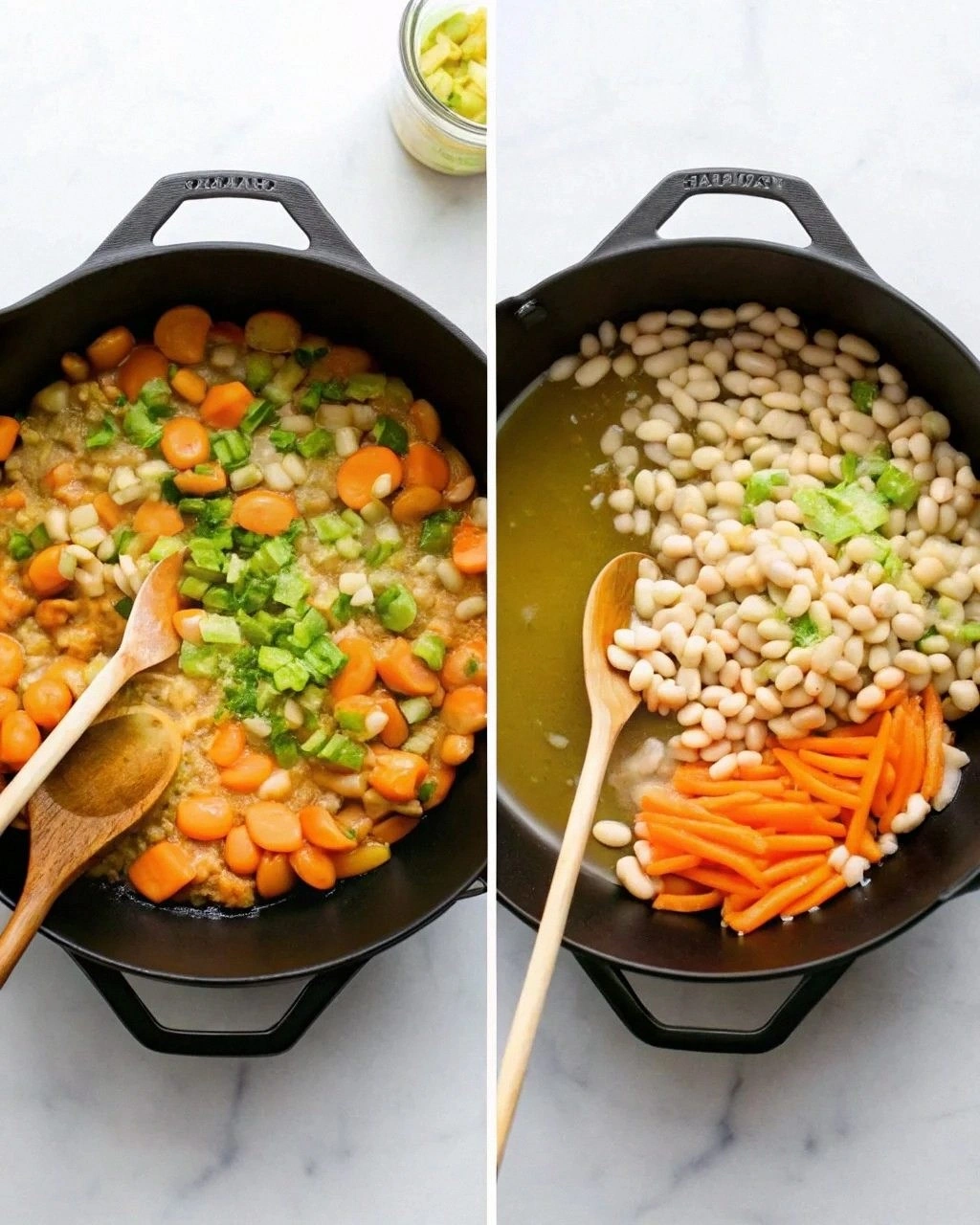
- Sauté Aromatics: In the same pot, reduce heat to medium and add the diced onion. Cook for about 4–5 minutes until the onion turns translucent, stirring occasionally. Add 4 minced garlic cloves and a pinch of salt, letting the garlic infuse the oil for 30 seconds until fragrant. The sizzle you hear is a sign that the base is developing. Watch out: if the garlic burns, the stew will taste bitter.
- Build the Tomato Sauce: Stir in 2 tablespoons of tomato paste and let it toast for 2 minutes, creating a deeper, sweeter base. Then pour in one 14‑oz can of crushed tomatoes, breaking them up with a spoon. Add 1/2 teaspoon of cinnamon and 2 bay leaves, stirring to combine. The sauce should thicken slightly and emit a warm, earthy scent. Keep the mixture at a gentle simmer; this step is the heart of the stew.
- Introduce the Broth: Pour in 2 cups of beef broth, bringing the mixture to a gentle boil. Once boiling, reduce heat to low, cover, and let it simmer for 30 minutes, allowing the beef to become tender and the flavors to meld. The broth should reduce by about a third, concentrating the taste. If you prefer a thicker sauce, remove the lid for the last 10 minutes.
- Add Orzo and Finish Cooking: Stir in 1 cup of dry orzo pasta and a splash of water if the sauce seems too thick. Replace the lid and simmer for an additional 10 minutes, or until the orzo is al dente and the liquid has been absorbed. The orzo should feel slightly firm to the bite, not mushy. This is the moment of truth—if the orzo overcooks, the stew loses its texture.
- Season and Garnish: Remove the bay leaves, taste the stew, and adjust salt and pepper as needed. Sprinkle 1/4 cup of chopped fresh parsley over the top, allowing it to wilt slightly. A final squeeze of lemon juice or a dash of white wine vinegar can brighten the dish, but it’s optional. The aroma should be inviting, with a hint of citrus if you added it.
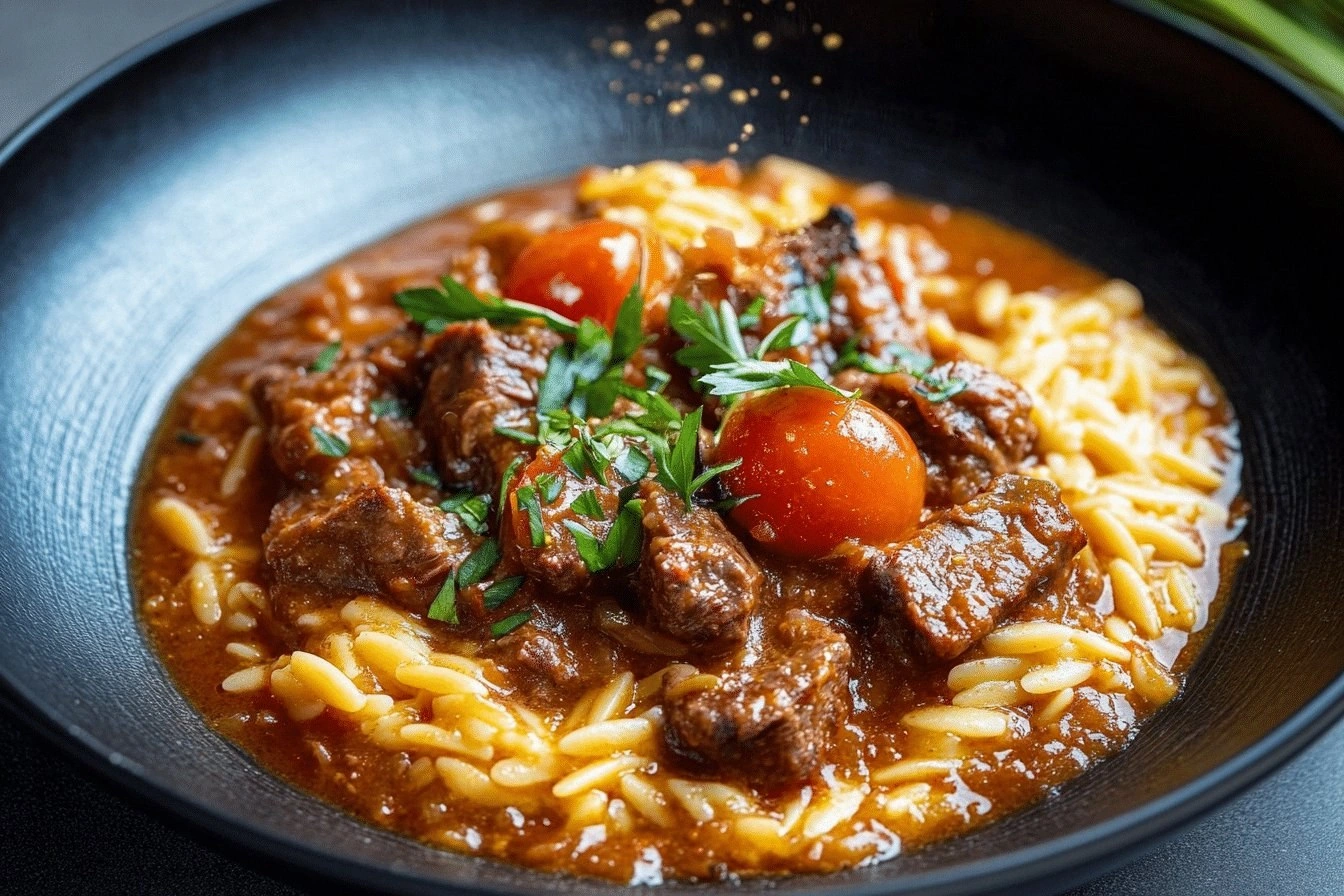
- Serve Immediately: Ladle the steaming Giouvetsi into bowls, making sure each portion gets a generous amount of meat, pasta, and sauce. Garnish with an extra sprinkle of parsley if desired. The dish is best enjoyed hot, straight from the pot. Picture the steam rising, the colors blending, and the first spoonful melting on your tongue.
That's it — you did it. But hold on, I've got a few more tricks that'll take this to another level...
Insider Tricks for Flawless Results
The Temperature Rule Nobody Follows
Many people think a hard boil is the key to a good stew, but that actually burns the meat. The secret is a gentle simmer—just enough to keep the liquid moving without creating steam bubbles. I’ve found that maintaining a low heat keeps the beef tender and the sauce silky. If you’re using a pressure cooker, keep the pressure at the medium setting to avoid overcooking.
Why Your Nose Knows Best
Smell the stew as it simmers. The aroma will shift from raw onions to a caramelized, tomato‑rich scent. When the sauce starts to thicken and the beef is tender, the nose gives you a green light to remove the lid. If it still smells raw, let it cook longer.
The 5‑Minute Rest That Changes Everything
Once you remove the stew from heat, let it rest covered for five minutes before serving. This rest period allows the juices to redistribute, giving the beef a moist bite and the orzo a chance to absorb the final flavors. I’ve seen people skip this step and end up with a slightly dry center.
Use Fresh Broth for Depth
Store‑bought broth often lacks complexity. If you can, simmer beef bones with herbs for a few hours to create a homemade stock. The result is a richer, more authentic base that elevates the entire dish.
Keep the Parsley Fresh
Parsley loses its bright color quickly. Chop it just before serving, or store it in a jar of water in the fridge for up to a week. This keeps the garnish vibrant and aromatic.
Creative Twists and Variations
This recipe is a playground. Here are some of my favorite ways to switch things up:
Vegetarian Giouvetsi
Replace the beef with a hearty mix of lentils and diced eggplant. The lentils absorb the sauce beautifully, while the eggplant adds depth. Use vegetable broth instead of beef stock, and keep the cinnamon and bay leaves to preserve the Greek profile.
Spicy Red Pepper Giouvetsi
Add a diced red bell pepper and a pinch of crushed red pepper flakes to the aromatics. The pepper adds a sweet crunch, while the heat gives the stew an exciting kick. This variation pairs well with a side of warm pita.
Greek Lamb Giouvetsi
Swap the beef for lamb shoulder chunks. The lamb’s rich flavor complements the tomato base, creating a dish that’s both hearty and aromatic. Use the same proportions, but reduce the cooking time slightly to avoid over‑cooking the lamb.
Butternut Squash Giouvetsi
Stir in diced butternut squash during the last 10 minutes of simmering. The squash softens and sweetens the stew, adding a subtle nutty flavor that balances the spices.
Herb‑Infused Giouvetsi
Introduce a handful of fresh oregano or thyme along with the bay leaves. The herbs add a Mediterranean nuance that makes the dish feel even more authentic.
Quick One‑Pot Giouvetsi
Use pre‑cubed beef and a quick‑cook pasta like penne. Reduce the simmer time to 20 minutes, and you’ll have a full meal ready in under 30 minutes—perfect for busy nights.
Storing and Bringing It Back to Life
Fridge Storage
Cool the stew completely before transferring it to an airtight container. Store in the refrigerator for up to 4 days. The flavors deepen overnight, making it even more delicious.
Freezer Friendly
Portion the stew into freezer‑safe containers, leaving a 1‑inch headspace. Freeze for up to 3 months. Label with the date to keep track of freshness.
Best Reheating Method
Reheat on the stovetop over low heat, adding a splash of water or broth to loosen the sauce. Keep stirring until the stew is heated through. The water steams back to perfection, restoring the silky texture. A quick microwave method works too, but the stovetop preserves flavor.