I remember the night I was scrambling to salvage a dinner that had gone spectacularly wrong: I had overcooked the shrimp, the sauce had turned into a bland, watery mess, and my guests were staring at their plates like they’d found a new form of disappointment. I was about to toss the whole thing into the trash when a craving for something bold and comforting hit me like a thunderclap. The idea that popped into my head was simple yet daring—coconut milk, red curry paste, and a splash of lime, all wrapped around succulent shrimp. That moment felt like a culinary revelation, and I knew I had stumbled upon a secret weapon that would forever change the way I approached shrimp.
Picture the kitchen: the air thick with the sweet, nutty aroma of coconut milk mingling with the sharp, peppery scent of fresh ginger. My stove crackles as the coconut oil swirls, and the onions begin to turn translucent, releasing a faint, comforting sweetness that makes your mouth water. The shrimp, still pink and tender, sizzles against the hot pan, creating a satisfying hiss that signals flavor is about to explode. The lime juice and fish sauce hit the pan with a bright, bracing zing that instantly lifts the dish, while the curry paste spreads a warm, fragrant haze that coats every surface. Every sense is engaged, and you can almost taste the velvety sauce clinging to each shrimp before it even touches the plate.
What makes this version of coconut curry shrimp stand out is that it’s not just a recipe; it’s a ritual. The combination of coconut milk and red curry paste creates a silky sauce that coats the shrimp like velvet, while the lime juice adds a bright, citrusy lift that cuts through the richness. I dare you to taste this and not go back for seconds—once you feel the subtle heat and the fresh herbaceous finish, you’ll be hooked. Most recipes get this completely wrong by using too much curry paste or too little coconut milk, but here the balance is perfect. It’s the kind of dish that feels like a warm hug on a chilly evening or a bright, spicy spark on a summer night.
I’ll be honest—I ate half the batch before anyone else got to try it. That’s because the flavor profile is so addictive that you can’t help but keep dipping your spoon into the pan. The best part? The sauce is thick enough to cling to the shrimp but still pourable, making it ideal for serving over jasmine rice or coconut rice. Picture yourself pulling this out of the pan, the whole kitchen smelling incredible, and the table filled with people who can’t stop asking for the recipe. Let me walk you through every single step—by the end, you’ll wonder how you ever made it any other way.
What Makes This Version Stand Out
- Flavor Depth: The marriage of coconut milk and red curry paste creates a layered taste that is simultaneously sweet, savory, and spicy, far beyond the flat flavor of most shrimp curries.
- Texture: The shrimp remain juicy and tender, while the sauce has a silky consistency that clings to each bite, offering a satisfying mouthfeel.
- Simplicity: With only a handful of pantry staples and fresh ingredients, you can craft a restaurant‑quality dish in under an hour.
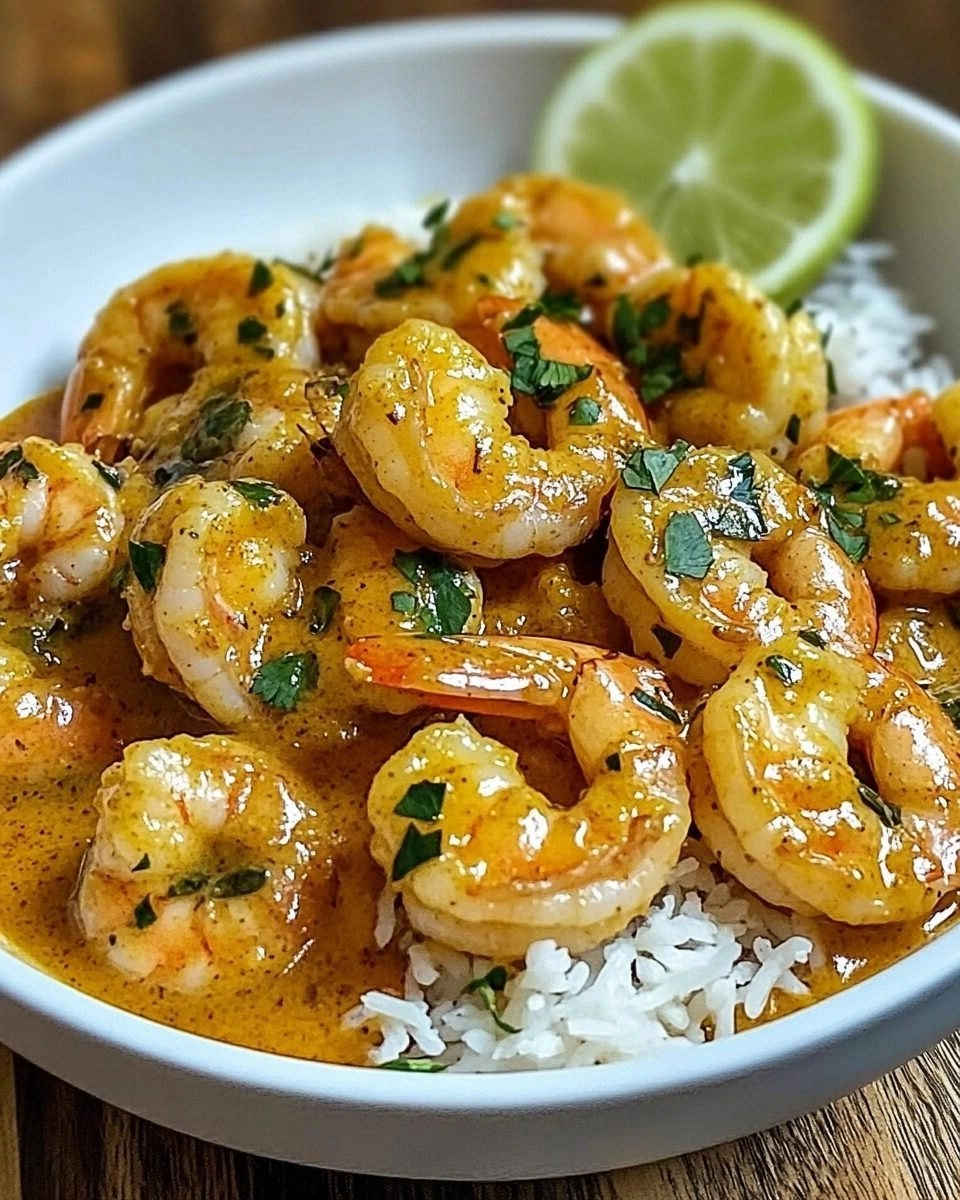
- Visual Appeal: The bright green cilantro and lime zest contrast beautifully with the golden sauce, turning the plate into a feast for the eyes.
- Make‑ahead Potential: The sauce can be pre‑made and stored; when you’re ready to serve, simply reheat and add fresh shrimp.
- Kid‑Friendly Twist: The heat can be dialed down by reducing the curry paste, making it a family‑friendly option that still delivers flavor.
Alright, let's break down exactly what goes into this masterpiece...
Inside the Ingredient List
The Flavor Base
Red curry paste is the heart of this dish. It brings a complex, earthy heat that balances the sweetness of the coconut milk. Skipping it would reduce the dish to a simple coconut sauce, lacking that signature depth that makes each bite memorable.
Coconut milk is the silky canvas that carries the flavors. Use full‑fat coconut milk for a richer sauce; if you prefer a lighter version, half‑fat works too, but the sauce will be slightly thinner. The milk’s natural sweetness complements the sharpness of lime and the umami of fish sauce.
The Aroma Crew
Fresh ginger and garlic add a sharp, zesty kick that cuts through the creaminess of the coconut. If you’re allergic to garlic, a small pinch of garlic powder can mimic the aroma, but the fresh version delivers a vibrant, living quality.
Onions soften the heat and introduce a mellow sweetness. Finely chopping them ensures they melt into the sauce, creating a smooth base that’s essential for a cohesive flavor profile.
The Fresh Finish
Lime juice and zest brighten the dish, providing a citrusy contrast that lifts the richness of coconut. The zest adds a burst of bright aroma, while the juice offers acidity that balances the sweetness.
Cilantro and green onions provide a fresh, herbal note that keeps the dish from feeling heavy. These herbs also add a pop of color and a subtle crunch that elevates the overall sensory experience.
Optional Crunch and Texture
To add a delightful crunch, sprinkle toasted sesame seeds or chopped peanuts on top just before serving. These add a nutty flavor that pairs beautifully with the coconut sauce.
If you’re adventurous, a handful of cashews or a drizzle of toasted coconut flakes can introduce a new dimension of texture and flavor.
Everything's prepped? Good. Let's get into the real action...
The Method — Step by Step
- Prep the Shrimp: Rinse the shrimp under cold water, pat dry, and season lightly with salt and pepper. I always let them sit for 5 minutes to let the flavors settle; this step is crucial for a juicy bite. While the shrimp rest, gather all your aromatics and sauces. This is the moment of truth—if you’re rushed, the shrimp will dry out and lose that tender snap.
- Heat the Coconut Oil: Pour the coconut oil into a large skillet over medium‑high heat. Once it shimmers, add the chopped onion. Sauté until translucent, about 3 minutes, stirring occasionally. The onion should release its sweet fragrance, turning the air inside your kitchen into a fragrant promise of what's to come.
- Add Garlic and Ginger: Toss in the minced garlic and grated ginger, letting them sizzle for 30 seconds. The aroma that fills the room is the first hint of the dish’s depth. Watch for any burning; a quick stir will keep them from sticking and turning bitter.
- Introduce the Curry Paste: Stir in the red curry paste and cook for 2 minutes, allowing the paste to toast slightly. This step releases the spices’ oils and brings out the complex flavor profile. If you’re sensitive to heat, reduce the amount of paste; the sauce will still be delicious.
- Deglaze with Coconut Milk: Pour in the coconut milk and stir to combine. Let the mixture come to a gentle simmer. The sauce should start to thicken and develop a rich, creamy texture. Watch out: coconut milk can curdle if heated too rapidly—keep the heat low to maintain a silky consistency.
- Season the Sauce: Add fish sauce, lime juice, brown sugar, and a pinch of salt. Stir well, letting the flavors meld for 2 minutes. The sweet, salty, and acidic notes should balance perfectly—if it feels too sweet, a splash of lime or a pinch more fish sauce will correct it.
- Cook the Shrimp: Gently fold the shrimp into the sauce, ensuring each piece is coated. Reduce the heat to medium and simmer for 4–5 minutes, until the shrimp turn opaque and pink. The sauce should thicken slightly, creating a glossy glaze that clings to the shrimp.
- Finish with Herbs: Stir in chopped cilantro, sliced green onions, and red chili. Let the herbs wilt slightly, releasing their aroma without overpowering the sauce. This final touch adds freshness and a gentle heat that balances the richness.
- Serve: Plate the shrimp over steamed jasmine rice or cauliflower rice for a low‑carb option. Sprinkle toasted sesame seeds or chopped peanuts on top for crunch. The dish should look vibrant, with bright green herbs against the golden sauce—an instant crowd‑pleaser.
That’s it — you did it. But hold on, I've got a few more tricks that'll take this to another level. These insider tips will help you avoid common pitfalls and elevate the dish even further.
Insider Tricks for Flawless Results
The Temperature Rule Nobody Follows
Maintaining a gentle simmer when adding coconut milk is critical. If the heat is too high, the milk will separate, leaving a greasy sauce. Keep the flame low and let the sauce bubble slowly; this ensures a silky, cohesive texture that clings beautifully to the shrimp.
Why Your Nose Knows Best
Smell the sauce as it simmers. A fragrant, toasted aroma signals the curry paste is fully developed. If the aroma feels flat, give it another minute on low heat; the spices need time to release their oils.
The 5-Minute Rest That Changes Everything
After cooking, let the shrimp rest for 2 minutes before serving. This brief pause allows the juices to redistribute, resulting in a more tender bite. I’ve seen people skip this step, only to find the shrimp dry and less flavorful.
Freshness Boost
Add a splash of fresh lime juice right before serving. The acidity brightens the sauce and cuts through the richness, giving the dish a lively finish that keeps the palate refreshed.
Crunch Factor
If you love texture, toss in a handful of toasted cashews or roasted peanuts at the end. The nutty crunch contrasts beautifully with the silky sauce and adds a layer of flavor that surprises the taste buds.
Make-Ahead Magic
You can prepare the sauce up to 24 hours in advance. Store it in a sealed container in the refrigerator, and reheat gently on low heat. When ready, simply add fresh shrimp and let them cook for a few minutes; the sauce will revive instantly.
Creative Twists and Variations
This recipe is a playground. Here are some of my favorite ways to switch things up:
Mango Madness
Add diced ripe mango to the sauce for a tropical sweet twist. The mango’s juiciness complements the coconut milk, creating a fruity undertone that pairs well with the spicy curry.
Spicy Peanut Fusion
Stir in a tablespoon of peanut butter and a splash of soy sauce for a nutty, umami-packed variation. This version works beautifully over steamed rice and adds a delightful depth.
Creamy Avocado Finish
Finish the dish with a swirl of mashed avocado. The creamy texture balances the heat and adds a subtle, buttery flavor that enhances the overall richness.
Vegetarian Vibes
Swap shrimp for firm tofu or paneer cubes. Cook them until golden and let them soak in the sauce; the result is a hearty, protein‑rich dish that still delivers the same aromatic experience.
Gluten‑Free Twist
Serve the shrimp over cauliflower rice instead of jasmine rice to keep the dish gluten‑free and low in carbs. The mild flavor of cauliflower doesn’t compete with the sauce, allowing the shrimp to shine.
Herb‑Infused Variation
Add a handful of fresh mint or basil before serving. The herbal notes bring a fresh, cooling contrast to the warm, spicy sauce, creating a layered flavor profile.
Storing and Bringing It Back to Life
Fridge Storage
Cool the dish to room temperature, then transfer to an airtight container. Store in the refrigerator for up to 3 days. The sauce will thicken slightly; simply reheat gently on low heat to restore its silky texture.
Freezer Friendly
For longer storage, divide the sauce into portions and freeze in freezer bags. It stays good for up to 2 months. When you’re ready, thaw overnight in the fridge and reheat on low.
Best Reheating Method
Reheat the sauce in a saucepan over low heat, stirring frequently. Add a splash of water or coconut milk to loosen the sauce if it has thickened. This gentle method preserves the flavor and prevents the coconut milk from separating.