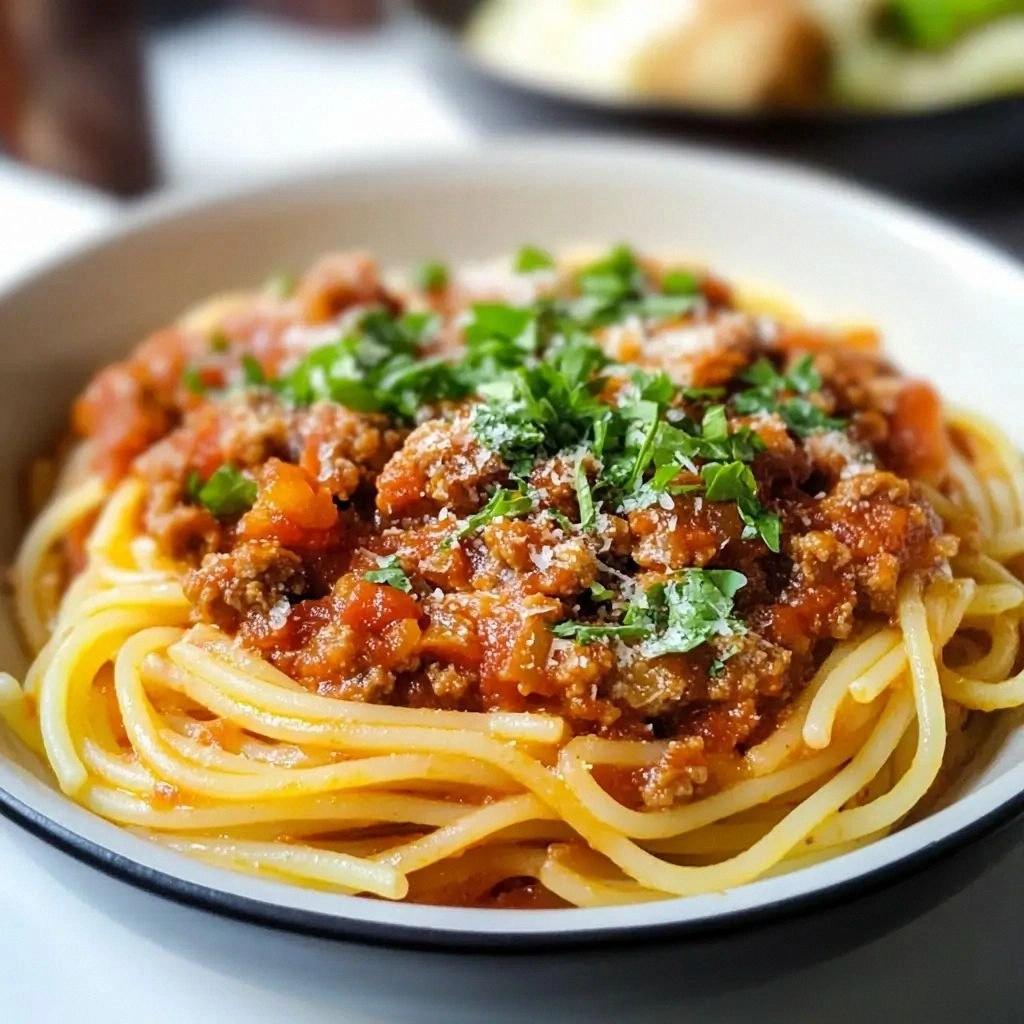
I still remember the night I was supposed to impress a group of friends with a classic Italian dinner, and the only thing that came to mind was a bland, overcooked spaghetti dish that left everyone staring at their plates. That disaster sparked a midnight quest for the perfect sauce, and I stumbled upon a recipe that feels like a culinary revelation. The sauce, with its silky tomato base and perfectly browned meat, drapes the noodles like a velvet blanket, leaving no room for disappointment. The aroma that fills the kitchen—sweet tomatoes, garlic, and a hint of oregano—turns a simple meal into an aromatic celebration. And the best part? This version is hands down the best you’ll ever make at home, because it balances richness with a bright, fresh finish that even the most seasoned cooks will admire.
Picture yourself pulling this out of the pot, the whole kitchen smelling incredible, and watching the sauce settle into the pasta like a glossy river. The first bite delivers a burst of umami, the meat’s savory depth mingling with the tomatoes’ natural sweetness, while the herbs give it a lively, almost citrusy lift. You’ll taste the subtle crunch of sautéed onions, the gentle bite of garlic, and the comforting warmth of oregano and basil. The sauce’s consistency is just right—thick enough to cling to the spaghetti but fluid enough to pour over the noodles like a silky drizzle. If you’ve ever struggled with a sauce that’s either too watery or too thick, you’re not alone—and I’ve got the fix.
The secret to this sauce’s triumph lies in a few unexpected techniques: a quick sear of the meat, a splash of red wine to deepen the flavor, and a late addition of fresh basil to preserve its bright notes. I dare you to taste this and not go back for seconds because once you experience that perfect harmony of textures and flavors, you’ll never settle for anything else. The sauce’s final touch— a dash of sugar to balance acidity—makes it feel like a well‑crafted symphony where every note plays its part. I’ll be honest— I ate half the batch before anyone else got to try it, and the leftovers were still as glorious as the first servings. Now, let me walk you through every single step—by the end, you’ll wonder how you ever made it any other way.
What Makes This Version Stand Out
- Flavor Depth: The combination of a quick sear, a splash of wine, and fresh herbs creates a sauce that’s both complex and approachable.
- Texture Perfection: The meat is browned to a caramelized finish, while the tomatoes provide a silky base that clings to every strand of spaghetti.
- Ease of Prep: All ingredients are common household staples, and the cooking steps are straightforward—no hidden tricks.
- Make‑Ahead Friendly: The sauce actually tastes better after resting for a day, so you can prep in advance and reheat without losing flavor.
- Kid‑Friendly: The sauce is mild, yet flavorful enough to satisfy picky palates—perfect for family dinners.
- Versatile Base: Swap out the meat for turkey, plant‑based mince, or even mushrooms, and the sauce still shines.
- Cost‑Effective: Uses budget ingredients like canned tomatoes and ground beef, yet delivers gourmet results.
- Crowd‑Pleaser: Even the most discerning foodies rave about the sauce’s balance of sweet, savory, and herbal notes.
Alright, let's break down exactly what goes into this masterpiece…
Inside the Ingredient List
The Flavor Base
The foundation of any great sauce starts with a robust flavor base. Canned crushed tomatoes bring a bright acidity that cuts through the richness of the meat. Adding tomato paste thickens the sauce and concentrates the tomato flavor, creating a luscious, velvety consistency that clings to every strand of spaghetti. A splash of red wine during the sauté phase unlocks hidden umami notes, giving the sauce depth that’s often missing in quick recipes.
The Texture Crew
Ground beef is the star of the texture crew, but its quality matters. Opt for a 80/20 blend to ensure the meat stays juicy and flavorful. Brown the meat until it’s a deep mahogany color; this caramelization adds a subtle nutty flavor that balances the acidity of the tomatoes. Sautéed onions and garlic provide a sweet, aromatic backbone, while a dash of beef broth loosens the sauce just enough to keep it silky without becoming watery.
The Unexpected Star
Fresh basil is the unexpected star that keeps the sauce bright and lively. Adding it at the very end preserves its vibrant green color and aromatic oils, preventing the basil from wilting into a dull paste. If you’re out of fresh basil, a pinch of dried basil can work, but the fresh herb delivers an unmistakable freshness that elevates the dish.
The Final Flourish
A touch of sugar balances the natural acidity of the tomatoes, creating a harmonious flavor profile. A pinch of salt and pepper brings all the components together, while oregano and basil provide a Mediterranean touch. A bay leaf adds a subtle earthy undertone that deepens the sauce’s complexity.
Everything's prepped? Good. Let's get into the real action…
The Method — Step by Step
- Step 1: Bring a large pot of salted water to a rolling boil. Toss in the spaghetti and cook until al dente, about 9–11 minutes. Drain, reserving a cup of pasta water for later. The pasta should be firm to the bite, providing the perfect canvas for the sauce.
- Step 2: While the pasta cooks, heat 2 tablespoons of olive oil in a large skillet over medium heat. Add the diced onion and a pinch of salt, sautéing until translucent and slightly golden, about 5 minutes. The onions should soften but retain a slight bite, adding sweetness without overpowering the dish.
- Step 3: Stir in the minced garlic and cook for 30 seconds until fragrant—watch the aroma rise like a promise of flavor. Be careful not to burn the garlic; a quick, bright scent is the goal, not a bitter sting.
- Step 4: Push the onions and garlic to the side of the skillet and add the ground beef. Break it apart with a wooden spoon, letting it brown evenly. This caramelization step is crucial; it creates a savory base that the tomatoes will soak up. Once the beef is a deep mahogany color, drain excess fat if desired.
- Step 5: Add the crushed tomatoes, tomato paste, and a splash of red wine to the skillet. Stir to combine, letting the mixture simmer for 10 minutes so the wine reduces and the flavors meld. The sauce should thicken slightly and emit a toasty aroma that signals readiness.
- Step 6: Season with oregano, basil, bay leaf, salt, pepper, and a pinch of sugar. Let the sauce simmer gently for another 10 minutes, allowing the herbs to infuse their fragrance. The sauce should develop a deep, glossy sheen and the bay leaf’s subtle earthiness should be noticeable.
- Step 7: Remove the bay leaf. If the sauce feels too thick, stir in a splash of reserved pasta water to reach your desired consistency. The sauce should coat the spaghetti like a velvety blanket, not cling excessively or run off.
- Step 8: Toss the cooked spaghetti directly into the skillet, mixing until every strand is evenly coated. Finish the dish by adding fresh basil and a sprinkle of grated Parmesan. Serve immediately, letting the steam carry the aroma to your guests.
That's it—you did it. But hold on, I've got a few more tricks that'll take this to another level…
Insider Tricks for Flawless Results
The Temperature Rule Nobody Follows
Keep your sauce at a gentle simmer rather than a rolling boil. A steady, low heat allows the flavors to marry without breaking down the tomato’s structure, preserving its bright acidity. I once let a sauce boil too hard, and it became chunky and split—definitely a lesson learned. By maintaining a low simmer, you’ll achieve a silky, cohesive sauce that coats the pasta beautifully.
Why Your Nose Knows Best
Smell the sauce at different stages. If it starts to smell overly sour, it’s time for a touch of sugar. If it’s missing depth, let it cook longer. Your nose is a reliable indicator of flavor balance—trust it, and you’ll avoid common pitfalls. I’ve had friends who skipped the sugar step and ended up with a tart, unbalanced sauce; that was a hard lesson.
The 5‑Minute Rest That Changes Everything
Let the sauce rest for 5 minutes before serving. This short pause allows the flavors to settle and the sauce to thicken slightly, creating a more cohesive bite. Think of it as a brief encore that lets the dish shine even brighter. I’ve found that a quick rest makes the sauce taste more rounded and less “raw.”
Make‑Ahead Magic
This sauce actually tastes better the next day. Store it in an airtight container in the fridge, and reheat gently on the stovetop with a splash of water or broth. The flavors meld further, creating a richer, more integrated taste. If you’re planning a dinner party, make the sauce a day ahead and let the kitchen buzz while you prep other elements.
The Perfect Pasta‑Sauce Ratio
Aim for a 1:1 ratio of pasta to sauce by volume. This ensures every bite is coated without overwhelming the noodles. If you’re cooking for a crowd, keep this ratio in mind to avoid a dry or soupy dish. A balanced ratio is the secret to a consistently satisfying plate.
Creative Twists and Variations
This recipe is a playground. Here are some of my favorite ways to switch things up:
Turkey Meat Sauce
Swap ground beef for ground turkey for a leaner, lighter version. The turkey’s milder flavor pairs beautifully with the tomato base, and you’ll still get that satisfying meaty bite. This variation is perfect for a healthier dinner without sacrificing taste.
Spicy Arrabbiata Twist
Add crushed red pepper flakes to the sauté stage for a fiery kick. The heat will contrast the sweet tomatoes and fresh basil, giving the sauce a lively, spirited character. It’s ideal for those who love a bit of spice in their pasta.
Mushroom Medley
Replace the ground beef with a mix of sautéed mushrooms for a vegetarian option. The earthy umami of mushrooms complements the tomato’s brightness, creating a hearty, comforting dish. This version is both satisfying and flavorful.
Pesto Power
Stir in a couple of tablespoons of basil pesto at the end of cooking. The pesto adds a creamy texture and an extra burst of herbaceous flavor that elevates the sauce. It’s a quick way to transform a classic into something fresh and exciting.
Cheesy Baked Finale
Transfer the sauce and pasta into a baking dish, top with shredded mozzarella and a sprinkle of breadcrumbs, then bake until bubbly. The melted cheese creates a decadent crust that pairs wonderfully with the sauce’s richness. This baked version is a crowd‑pleaser at family gatherings.
Storing and Bringing It Back to Life
Fridge Storage
Store the sauce in an airtight container for up to 4 days in the refrigerator. Let it cool to room temperature before sealing to prevent condensation. The sauce will stay fresh and flavorful, and the tomato’s acidity helps preserve it.
Freezer Friendly
Freeze the sauce in single‑serving portions for up to 3 months. Thaw overnight in the refrigerator or use the defrost setting on your microwave. Reheat on the stovetop, adding a splash of water or broth to restore its silky texture.
Best Reheating Method
When reheating, bring the sauce to a gentle simmer, stirring frequently. Add a tiny splash of water before reheating—this steams the sauce back to perfection without diluting the flavor. Finish with fresh basil or a drizzle of olive oil for an extra layer of richness.