I was halfway through a disastrous dinner party when the kitchen lights flickered and the stovetop hissed like a dragon breathing fire. That night, I realized I was chasing a flavor that had slipped through my fingers for years: the ultimate comfort of an egg roll, but in a bowl. I had been searching for the perfect blend of crispy, savory, and slightly sweet, only to settle for bland stir‑fries that left my taste buds begging. It was then that I decided to rewrite the playbook, turning a classic takeout favorite into a wholesome, one‑pot masterpiece.
Picture the aroma of sesame oil sizzling over a hot pan, the sound of shredded cabbage crunching into the heat, and the sight of bright green scallions dancing like confetti. Feel the heat radiating from the skillet, the texture of tender chicken melting into a savory base, and the faint whisper of garlic and ginger infusing every bite. Taste the tang of rice vinegar balanced by the sweet depth of hoisin sauce, while a subtle kick of sriracha whispers beneath the surface. Touch the silky sauce coating the rice, the slight resistance of fresh carrots, and the gentle snap of the final garnish. All of these senses converge into a dish that feels like a warm hug from the inside out.
What makes this version a game‑changer is the meticulous layering of flavor and texture. Instead of piling ingredients haphazardly, I orchestrate each component to complement the next—ground chicken for protein, Napa cabbage for crunch, and a sauce that coats like velvet without weighing you down. I dare you to taste this and not go back for seconds; the harmony of umami, sweetness, and heat will have you questioning why you ever settled for ordinary. The result is a bowl that feels both indulgent and nourishing, a dish that can transition from a quick weeknight dinner to an impressive crowd‑pleaser.
And now, the big reveal: this is hands down the best version you'll ever make at home. The secret lies not just in the ingredients, but in the techniques—how I sear the chicken to lock in juices, how I fold in the sauce at the right moment to avoid a watery mess, and how I finish with a splash of sesame oil that gives the dish a subtle, nutty aroma. Picture yourself pulling this out of the stove, the whole kitchen smelling incredible, and hearing the gentle sizzle as the final layer of vegetables hits the pan. Let me walk you through every single step—by the end, you'll wonder how you ever made it any other way.
What Makes This Version Stand Out
- Flavor Depth: The sauce is a balanced symphony of sweet, salty, and umami, thanks to hoisin, soy, and a touch of rice vinegar that cuts through richness.
- Texture Contrast: Fresh cabbage and carrots add a satisfying crunch that contrasts with the tender chicken and silky rice.
- Time Efficiency: All the components cook together in a single skillet, saving you prep time without sacrificing taste.
- Ingredient Quality: Using high‑quality, minimally processed sauces ensures the dish is both flavorful and healthier.
- Make‑ahead Potential: The dish can be assembled the night before and reheated, making it ideal for busy weekdays.
- Versatility: Swap in tofu, shrimp, or even beef for a different protein, and the core flavor profile remains intact.
- Crowd Appeal: The bright colors and comforting flavors make it a hit with both kids and adults.
- Minimal Cleanup: One pan, one pot—cleaning is a breeze, so you can focus on enjoying the meal.
Alright, let's break down exactly what goes into this masterpiece…
Inside the Ingredient List
The Flavor Base
Ground chicken is the star of this dish, offering lean protein while absorbing every flavor in the pan. I recommend a mixture of 80% lean and 20% fat for maximum juiciness; if you prefer a healthier option, go 90/10. If you skip the chicken, the dish loses its heartiness, turning into a lighter veggie bowl that still works but feels less substantial. A quick tip: pat the meat dry before cooking to prevent steaming.
The Texture Crew
Napa cabbage provides that satisfying crunch that doesn’t overpower the dish. Shredded carrots add natural sweetness and a pop of color. Diced onion offers a subtle bite that mellows as it cooks. Together, these vegetables create layers that keep every bite interesting. If you’re short on time, a frozen mixed vegetable blend works, but fresh is best for texture.
The Unexpected Star
Hoisin sauce might sound like a condiment, but it’s the secret to that glossy, caramelized coating. It balances saltiness with a hint of sweetness that complements the savory chicken. If you’re gluten‑free, look for a certified gluten‑free hoisin or replace it with a blend of tamari, honey, and a dash of rice vinegar. Skipping hoisin makes the sauce flat; you’ll miss that silky, sweet depth.
The Final Flourish
Sesame oil and toasted sesame seeds add a nutty aroma that elevates the dish. Green onions finish with a fresh, bright note, cutting through the richness. A splash of rice vinegar at the end sharpens the flavors, while a pinch of pepper balances the sweetness. These finishing touches transform a simple bowl into a gourmet experience.
Everything's prepped? Good. Let's get into the real action…
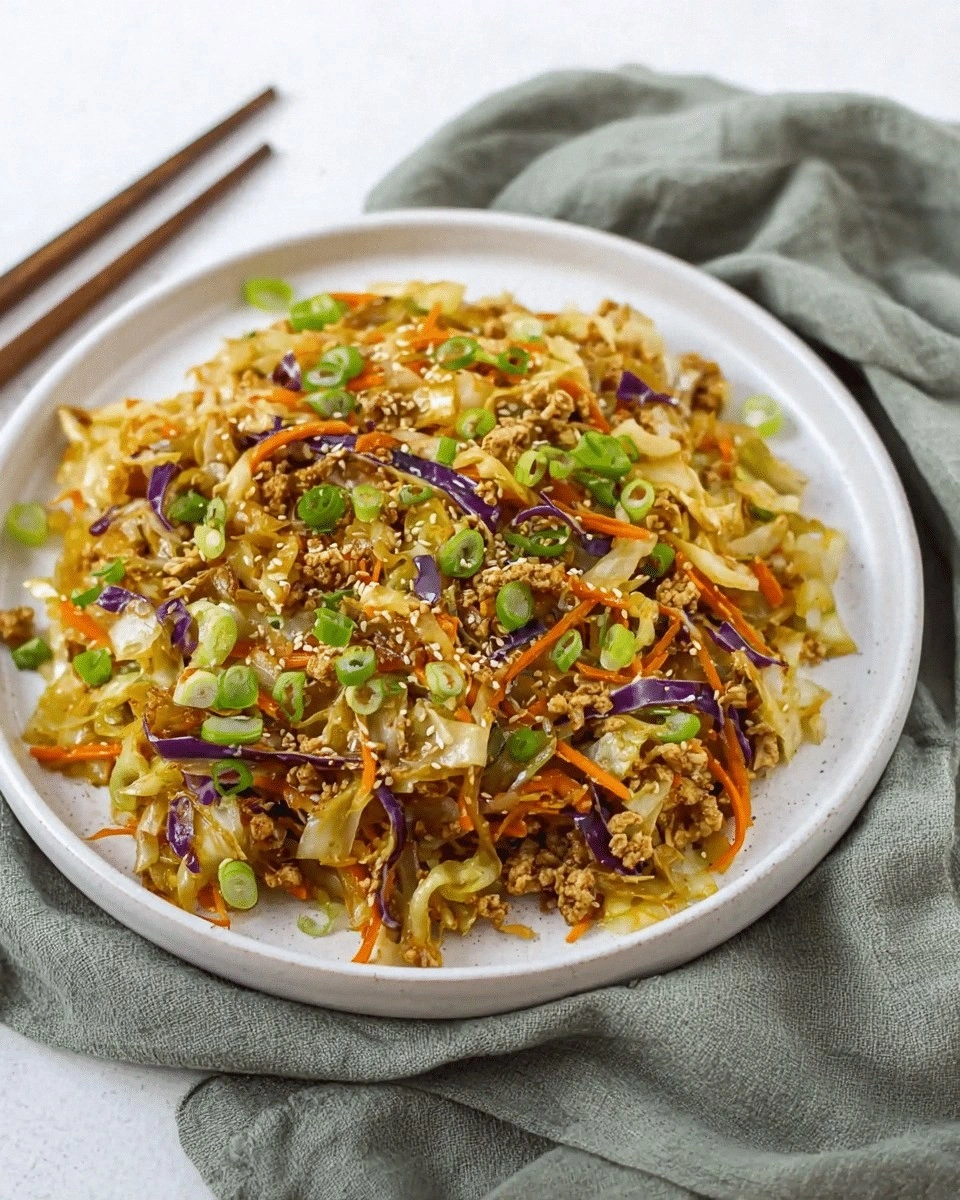
The Method — Step by Step
- Step 1: Prep the Base. Heat a tablespoon of sesame oil in a large skillet over medium heat until shimmering. Add the diced onion and minced garlic, sautéing until the onion turns translucent and the garlic releases its aroma—about 2 minutes. This step builds the aromatic foundation that carries the rest of the dish. Watch the onion soften; if it starts to brown, lower the heat.
- Step 2: Sear the Chicken. Push the aromatics to one side of the skillet and add the ground chicken, breaking it apart with a spatula. Let it sear without stirring for 2–3 minutes, allowing a golden crust to form. This caramelization locks in juices and adds depth. When the underside is browned, flip the chicken and cook until fully cooked, about 4 minutes total. The result should smell like a savory, slightly smoky steak.
- Step 3: Add the Veggies. Stir in the shredded cabbage, carrots, and a splash of water to help steam the vegetables. Cover the skillet for 3 minutes, then uncover and continue cooking until the veggies are tender yet still crisp. The vegetables should still have a slight snap—don't overcook or they’ll become mushy. The water prevents sticking and keeps everything moist.
- Step 4: Build the Sauce. In a small bowl, whisk together soy sauce, hoisin sauce, rice vinegar, sriracha (or chili garlic sauce), and a teaspoon of cornstarch dissolved in a tablespoon of water. Pour this mixture over the chicken and veggies, stirring to coat everything evenly. The cornstarch thickens the sauce into a glossy glaze that clings to each grain of rice. Let it simmer for 2 minutes until the sauce reduces slightly.
- Step 5: Fold in the Rice. Add the pre‑cooked rice to the skillet, gently folding it into the sauce and vegetables. Ensure each grain is coated and heated through. The rice should absorb the sauce without becoming soggy. If the mixture feels too dry, add a tablespoon of water or chicken broth.
- Step 6: Finish with Sesame. Drizzle the remaining teaspoon of sesame oil over the bowl, then sprinkle toasted sesame seeds and chopped green onions. Give everything one final stir to distribute the aromatics evenly. The sesame oil adds a fragrant, nutty finish that rounds out the dish.
- Step 7: Plate and Serve. Ladle the mixture into bowls, ensuring each serving has a balanced mix of protein, veggies, and rice. The dish should look vibrant, with bright green scallions and a golden glaze. Serve immediately while it's steaming hot.
- Step 8: Optional Garnish. If you like a bit more crunch, add a handful of crushed peanuts or crispy fried shallots. This optional step adds texture and a burst of flavor, making the dish feel even more indulgent.
That's it — you did it. But hold on, I've got a few more tricks that'll take this to another level. These insider tips will elevate your bowl from great to unforgettable.
Insider Tricks for Flawless Results
The Temperature Rule Nobody Follows
Many cooks lower the heat too soon, resulting in a soggy bowl. Keep the skillet at medium‑high until the sauce begins to thicken, then reduce to medium. This ensures the chicken stays juicy while the veggies stay crisp. I once accidentally dropped the heat and the rice absorbed too much liquid, turning the dish mushy.
Why Your Nose Knows Best
Trust your nose to gauge doneness. When the garlic and onion release their aroma, the chicken should emit a savory, slightly smoky scent. The sauce should have a glossy sheen and a faint steam rising from the surface. If the aroma is flat, give it another minute; the flavors need time to meld.
The 5‑Minute Rest That Changes Everything
After cooking, let the bowl rest for 5 minutes before serving. This allows the flavors to settle and the rice to absorb any remaining liquid. The rest also gives the sauce a chance to thicken slightly, creating a richer coating. I’ve seen people serve it immediately, and the result is a watery mess.
Avoiding the “Too Spicy” Trap
Sriracha is optional, but if you love heat, start with a quarter teaspoon and taste before adding more. The sauce can become overpowering if you add too much chili early on. I once added a full teaspoon, and the dish turned into a fireball that left my palate numb.
Keeping the Rice Fluffy
Use jasmine or long‑grain rice; it stays fluffy and doesn’t clump. Rinse the rice before cooking to remove excess starch. If you’re using pre‑cooked rice, make sure it’s slightly dry; otherwise, it will become soggy once mixed with the sauce.
Creative Twists and Variations
This recipe is a playground. Here are some of my favorite ways to switch things up:
Teriyaki Twist
Replace the soy sauce with teriyaki sauce and add a splash of mirin. The result is a sweeter, glaze‑like finish that pairs wonderfully with grilled shrimp.
Vegan Version
Swap the ground chicken for crumbled tofu or tempeh, and use tamari instead of soy sauce. The tofu absorbs the sauce beautifully, and the dish remains protein‑rich.
Spicy Kimchi Kick
Stir in a handful of chopped kimchi during step 3 for a fermented, tangy punch. The kimchi adds depth and a subtle heat that complements the sriracha.
Thai Curry Variation
Add a tablespoon of red curry paste to step 4 and replace the rice vinegar with lime juice. The curry paste introduces aromatic herbs and a bright citrus note.
Cheese Lover's Edition
Sprinkle shredded mozzarella or pepper jack over the hot bowl before serving. The cheese melts into a creamy layer that balances the savory sauce.
Storing and Bringing It Back to Life
Fridge Storage
Cool the dish completely before transferring to an airtight container. Store in the refrigerator for up to 3 days. The flavors meld further, making the next day’s meal even more delicious.
Freezer Friendly
Freeze individual portions in freezer bags; they’ll keep for up to 2 weeks. Thaw overnight in the refrigerator before reheating to prevent excess moisture.
Best Reheating Method
Reheat in a skillet over medium heat, adding a splash of water or broth to keep the rice from drying out. Stir frequently until the bowl is steaming hot. A quick microwave step works, but the skillet restores the sauce’s silky texture.