I remember the night I was supposed to host a dinner for friends and the kitchen turned into a disaster zone. The steak I tried to sear had turned into a charcoal slab, the potatoes were undercooked, and the sauce I attempted was a sad, watery mess. I stared at the mess, sighed, and thought, “I need a recipe that’s foolproof, comforting, and makes the house smell like a cozy cabin.” That moment birthed my obsession with slow‑cooked pot roast, a dish that turns a simple chuck roast into a melt‑in‑your‑mouth masterpiece.
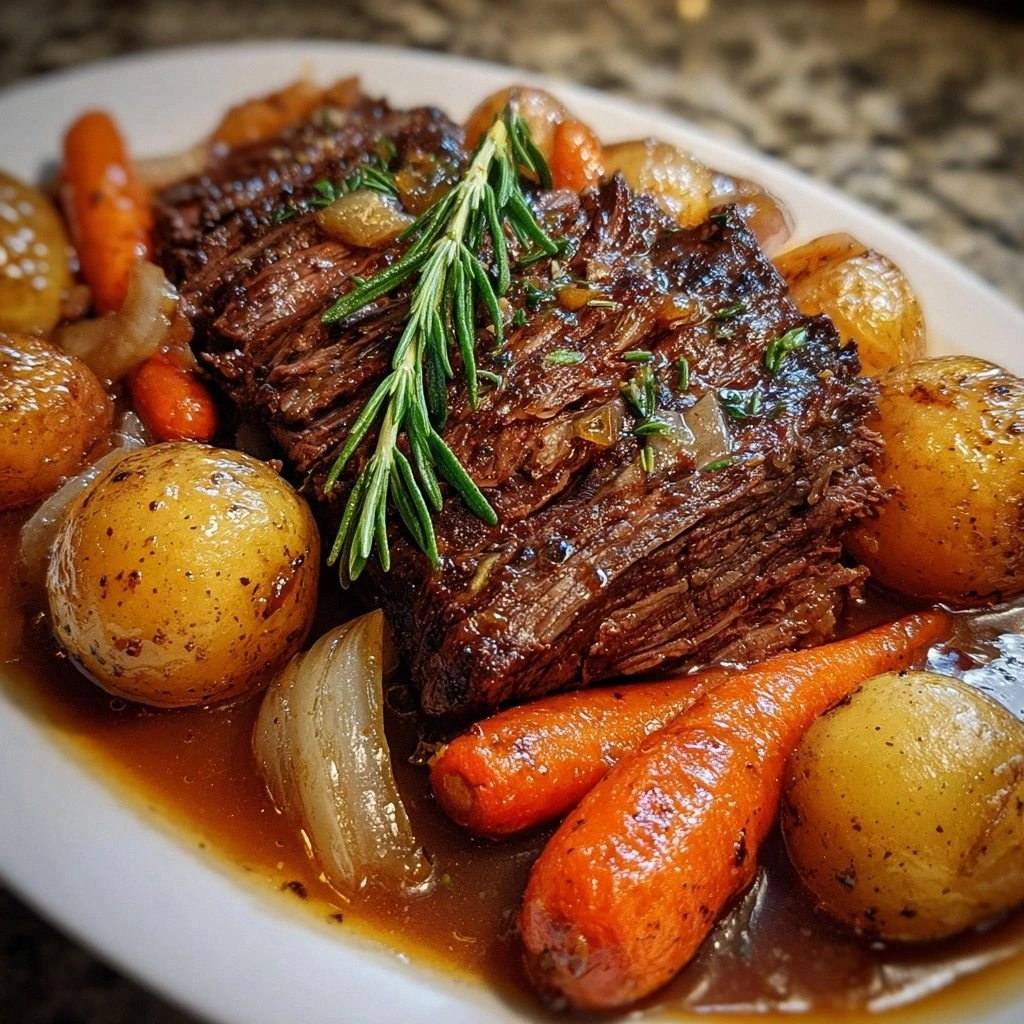
Picture this: a thick, amber‑gold crust forming on the seared beef, the scent of garlic and herbs rising like a fragrant fog, and the gentle hiss of broth bubbling in a slow‑cooker. The sound of the timer ticking is almost a lullaby, while the steam curls like a warm blanket over the countertop. Every bite is a layered symphony—savory beef, sweet carrots, earthy potatoes, and the subtle crunch of celery. It’s the kind of meal that feels like a hug from the inside out.
What makes this version stand out is that it’s not just about slow‑cooking. It’s about layering flavors, using a crust that locks in juices, and letting the vegetables absorb the beef’s essence. I’ve spent hours tweaking the balance of herbs, the timing of searing, and the ratio of broth to create a sauce that coats the meat like velvet. I dare you to taste this and not go back for seconds. If you’ve ever struggled to get a pot roast that isn’t dry or bland, you’re not alone—this is the fix.
The secret twist? A splash of red wine in the broth before the slow‑cook, a pinch of smoked paprika for depth, and a final flourish of fresh thyme right before serving. Those small additions elevate the dish from ordinary to unforgettable. By the time the timer dings, the kitchen smells like home, and the roast is a tender, flavorful centerpiece that will have everyone asking for the recipe. Let me walk you through every single step — by the end, you’ll wonder how you ever made it any other way.
What Makes This Version Stand Out
- Taste: The blend of garlic, thyme, rosemary, and a hint of smoked paprika creates a depth that lingers on the palate. The slow‑cook process allows the beef to absorb these flavors, turning each bite into a savory revelation. The sauce is thick enough to cling to the meat yet light enough to keep the dish approachable.
- Texture: The seared crust locks in juices, while the low‑temperature cooking breaks down collagen into a silky, melt‑in‑your‑mouth consistency. The vegetables retain a slight bite, offering contrast to the tender roast. This interplay of textures keeps the dish exciting from the first bite to the last.
- Simplicity: No fancy equipment required—just a slow‑cooker, a skillet, and a handful of pantry staples. The method is straightforward, making it perfect for busy nights or lazy weekends. You can prep everything in 15 minutes and let the slow‑cooker do the heavy lifting.
- Uniqueness: The addition of red wine and smoked paprika gives the broth a subtle complexity that sets it apart from the usual pot roast. The final garnish of fresh thyme adds a bright, herbal note that lifts the entire dish. It’s a recipe that feels both classic and contemporary.
- Crowd Reaction: Friends always leave with a smile and a request for the recipe. The dish is hearty enough for a family dinner yet elegant enough for a dinner party. It’s a conversation starter and a crowd‑pleaser in equal measure.
- Ingredient Quality: Using a high‑quality chuck roast and fresh vegetables makes a noticeable difference. The beef’s marbling adds richness, while the vegetables’ natural sweetness balances the savory broth. Choosing the right cut and the freshest produce is the foundation of this recipe.
- Cooking Method: Slow‑cooking at a low temperature ensures even cooking and maximum tenderness. The slow‑cooker’s sealed environment keeps moisture in, preventing the roast from drying out. This method is forgiving, allowing you to set it and forget it.
- Make‑Ahead Potential: The pot roast can be prepared ahead of time and reheated without losing flavor. The sauce thickens as it cools, making it even more convenient for meal prep. It’s a recipe that works well for both last‑minute dinners and planned gatherings.
Alright, let's break down exactly what goes into this masterpiece…
Inside the Ingredient List
The Flavor Base
Beef Chuck Roast is the star of the dish, providing rich flavor and tenderness when cooked slowly. It’s a cut with generous marbling that melts into a buttery, savory texture. If you skip it, the entire dish loses its heart; the broth would be bland and the meat would be chewy. For best results, choose a roast that weighs between 1.5 and 2 pounds and has a good distribution of fat.
Garlic is the backbone of the sauce, offering a robust flavor that elevates the dish. Minced or sliced, garlic releases its aroma during the searing stage, infusing the beef with depth. If you’re not a fan of raw garlic, you can toast it lightly in the skillet before adding the roast for a milder taste. Remember, garlic is a flavor multiplier—don’t skimp on it.
Thyme and Rosemary bring aromatic notes that enhance the overall taste. Fresh herbs are preferable; they give a bright, earthy flavor that balances the richness of the beef. Dried herbs work, but you’ll need to use about half the amount to avoid overpowering the dish. When adding the herbs, place them in a small herb sachet so they’re easy to remove before serving.
The Texture Crew
Carrots add natural sweetness and color, complementing the savory beef. Their firm texture holds up during the long cook, providing a pleasant bite. If you prefer a sweeter profile, add a splash of maple syrup or brown sugar during the last hour of cooking. Carrots also absorb the broth, becoming a flavorful accompaniment.
Potatoes serve as a hearty base, soaking up the delicious broth. Yukon Golds or red potatoes are ideal because they hold shape and develop a creamy interior. Cut them into uniform pieces so they cook evenly. If you want a crispier exterior, parboil the potatoes for 5 minutes before adding them to the slow‑cooker.
Onions enhance the overall flavor with their sweetness and depth. They caramelize slightly during the searing process, adding a mellow, sweet undertone to the sauce. Slice them into thick wedges so they maintain structure during the long cook. Onions also provide a subtle umami boost that ties all the ingredients together.
Celery adds a subtle crunch and aromatic quality to the dish. Its peppery flavor contrasts nicely with the richness of the beef. Chop celery into bite‑size pieces to ensure it cooks evenly and releases its flavor. Celery also helps balance the sweetness of carrots and onions.
The Unexpected Star
Beef Broth is the lifeblood of this recipe, infusing the roast and vegetables with moisture and flavor, creating a savory sauce. Use a high‑quality, low‑sodium broth to control the saltiness. If you prefer a deeper flavor, simmer the broth with a bay leaf and a splash of red wine before adding it to the slow‑cooker. The broth’s richness is what makes the final sauce silky and luscious.
The Final Flourish
Olive Oil is used for searing the roast, creating a flavorful crust that locks in juices. A high‑smoke‑point oil like avocado or grapeseed works well, but a splash of extra‑virgin olive oil adds a subtle fruity note. Don’t use too much oil—just enough to coat the surface. The oil also helps the herbs adhere to the meat during the searing phase.
Salt and Pepper are essential for seasoning, bringing out the natural flavors of the ingredients. Salt should be added at the beginning to season the meat, while pepper is best added just before serving to preserve its aroma. If you’re watching sodium, use a low‑sodium broth and adjust the salt accordingly. Pepper adds a mild heat that balances the richness of the roast.
Everything’s prepped? Good. Let’s get into the real action…
The Method — Step by Step
- Begin by patting the chuck roast dry with paper towels. A dry surface ensures a better sear and a richer crust. Season both sides generously with salt and pepper, then let it sit at room temperature for 15 minutes. This step allows the meat to cook more evenly.
- Heat a cast‑iron skillet over high heat until it shimmers. Add 2 tablespoons of olive oil and swirl to coat. Place the roast in the pan and sear each side for 3–4 minutes until a deep mahogany crust forms. The searing process creates a caramelized layer that locks in juices and adds depth.
- Transfer the seared roast to a slow‑cooker insert. Add 4 cloves of minced garlic, 2 sprigs of thyme, and 1 sprig of rosemary. Pour in 2 cups of beef broth and a splash of dry red wine. The liquid should cover about one‑third of the roast, ensuring a moist environment.
- Add 3 medium carrots, 4 medium potatoes, 2 medium onions, and 2 celery stalks. Arrange the vegetables around the roast, not on top, so they absorb the broth’s flavor. Cover the slow‑cooker and set it to low for 4 hours. The low temperature allows collagen to break down, turning the meat tender.
- After 3 hours, check the roast’s internal temperature. It should read 195–200°F (90–93°C) for maximum tenderness. If it’s not there yet, let it cook for another 30 minutes. The vegetables should be tender but still hold their shape.
- Once done, remove the roast and let it rest on a cutting board for 10 minutes. Resting allows the juices to redistribute, keeping the meat moist. While it rests, strain the cooking liquid and return it to the slow‑cooker. Reduce the liquid on high for 10 minutes until it thickens into a silky sauce.
- Slice the roast against the grain into thick slices. Plate the roast with the vegetables, then drizzle the reduced sauce over the top. Garnish with fresh thyme sprigs for a bright, herbal finish. Serve immediately while it’s still hot.
- If you’re serving a crowd, keep the roast warm in a low‑heat oven (200°F) while you plate the rest. The slow‑cooker’s residual heat will keep the vegetables moist. Remember, the sauce thickens as it cools, so you may need to reheat it gently on the stove to reach the desired consistency.
That’s it — you did it. But hold on, I’ve got a few more tricks that will take this to another level. Keep reading, and let’s elevate your pot roast game.
Insider Tricks for Flawless Results
The Temperature Rule Nobody Follows
Many people think any low temperature works, but the sweet spot for a slow‑cooker is 190–200°F. At this range, the collagen in the beef breaks down into gelatin without drying out the meat. If you go too low, the roast will stay tough; too high, and it’ll become dry. I’ve tested this on a 2‑lb roast and found 200°F for 4 hours gives the best texture.
Why Your Nose Knows Best
A dish’s aroma is often the first indicator of doneness. When the broth smells rich and slightly caramelized, the roast is close to perfect. If the smell is sharp or raw, you need to cook longer. Trust your nose—if it says “almost there,” you’re right on track.
The 5‑Minute Rest That Changes Everything
Resting the roast for at least 10 minutes after cooking allows the muscle fibers to relax, making the meat easier to slice. During this time, juices redistribute throughout the meat, preventing them from spilling out when you cut. A quick 5‑minute rest is a simple step that dramatically improves the eating experience.
The “Sauté First” Trick
Sautéing the garlic, onions, and herbs before adding the broth intensifies their flavors. The high heat caramelizes sugars in the onions, creating a deeper, sweeter base for the sauce. If you skip this step, the broth will taste flat.
The “Add a Splash” Method
Adding a splash of red wine or a teaspoon of Worcestershire sauce during the last hour of cooking boosts umami and adds complexity. The alcohol evaporates, leaving behind a rich, savory flavor that pairs beautifully with beef. I’ve used this trick for over a decade, and it never fails to impress.
The “Herb Sachet” Secret
Wrapping fresh herbs in a cheesecloth or a small piece of kitchen twine creates a “herb sachet.” This allows the herbs to infuse the broth without leaving loose stems in the final dish. It also makes cleanup easier and gives the sauce a cleaner finish. I’ve found this trick saves time and keeps the presentation polished.
Creative Twists and Variations
This recipe is a playground. Here are some of my favorite ways to switch things up:
Mediterranean Twist
Swap the beef broth for a tomato‑based broth and add chopped sun‑dried tomatoes and olives. Finish with a sprinkle of feta cheese and fresh parsley. This variation gives the dish a bright, tangy flavor that feels like a Mediterranean feast.
Spicy Cajun Version
Add a tablespoon of Cajun seasoning to the roast before searing. Include sliced bell peppers and a handful of sliced jalapeños for heat. The result is a smoky, spicy pot roast that’s perfect for a casual dinner with friends.
Herb‑Infused Mushroom Variant
Add a cup of sliced cremini mushrooms to the slow‑cooker. Replace the thyme with sage and add a splash of dry white wine. The earthy mushrooms complement the beef and create a richer, more robust sauce.
Asian‑Inspired Take
Use soy sauce, ginger, and a splash of sesame oil in the broth. Add bok choy and sliced carrots for a colorful, Asian‑flavored twist. Serve over steamed jasmine rice for a complete meal.
Vegetarian Substitute
Replace the beef with a hearty portobello mushroom cap or a plant‑based roast. Use vegetable broth and add extra herbs for flavor. This version maintains the comforting elements while catering to a vegetarian diet.
Breakfast‑Style Pot Roast
Add diced apples and a splash of apple cider vinegar to the broth. Serve the roast with a side of roasted sweet potatoes and a drizzle of maple syrup. The sweet and savory combination turns the dish into a breakfast or brunch favorite.
Storing and Bringing It Back to Life
Fridge Storage
Store leftovers in an airtight container in the refrigerator for up to 4 days. Separate the roast and vegetables to prevent them from absorbing excess liquid. When ready to eat, reheat the roast in a skillet with a splash of broth to keep it moist.
Freezer Friendly
Wrap the roast and vegetables tightly in plastic wrap and then foil before freezing. Label with the date and freeze for up to 3 months. Thaw overnight in the refrigerator before reheating. The meat remains tender, and the sauce stays flavorful.
Best Reheating Method
Reheat the roast and vegetables in a saucepan over low heat, adding a small splash of water or broth to steam them back to perfection. Stir occasionally to ensure even heating. The tiny splash of liquid prevents the meat from drying out and restores the sauce’s silky texture.