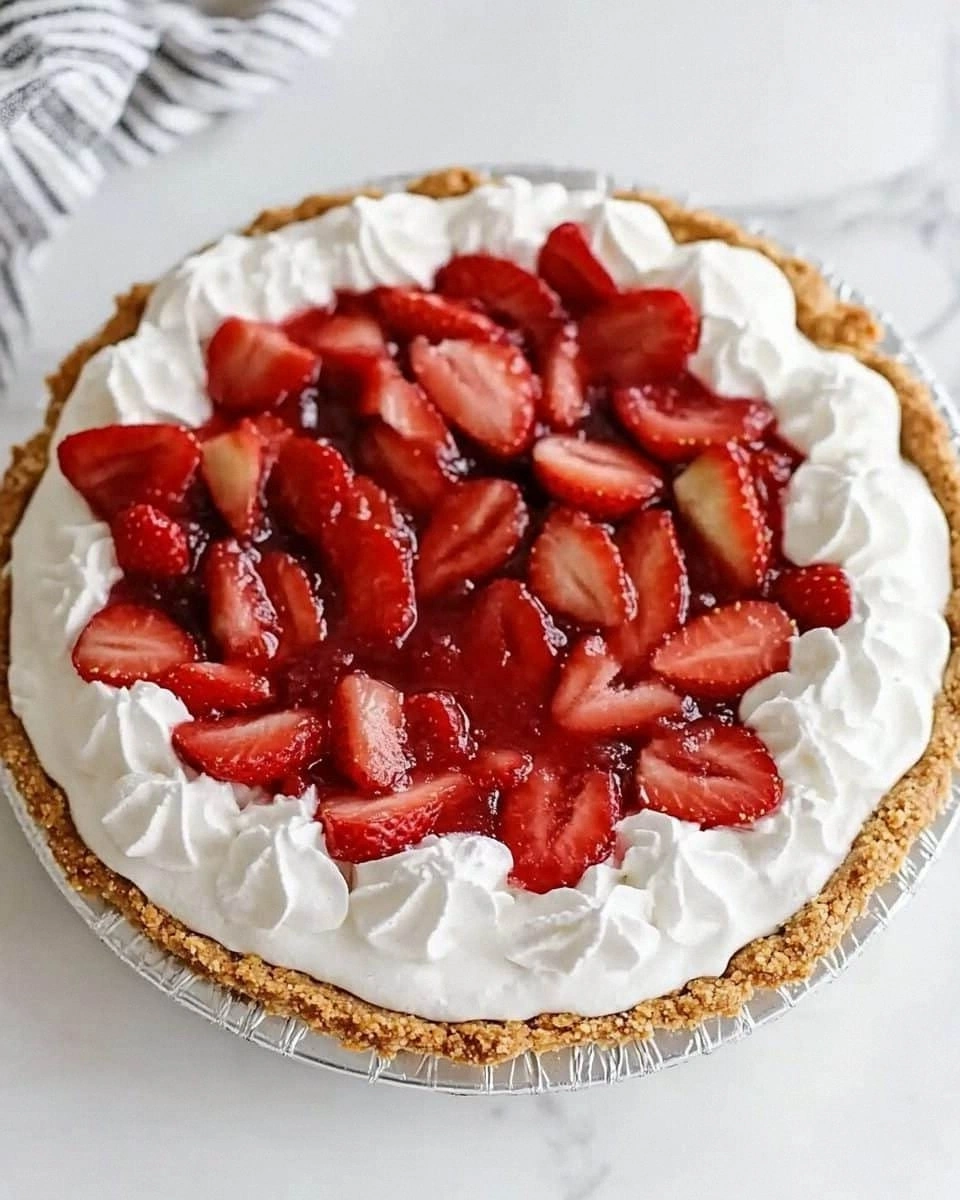
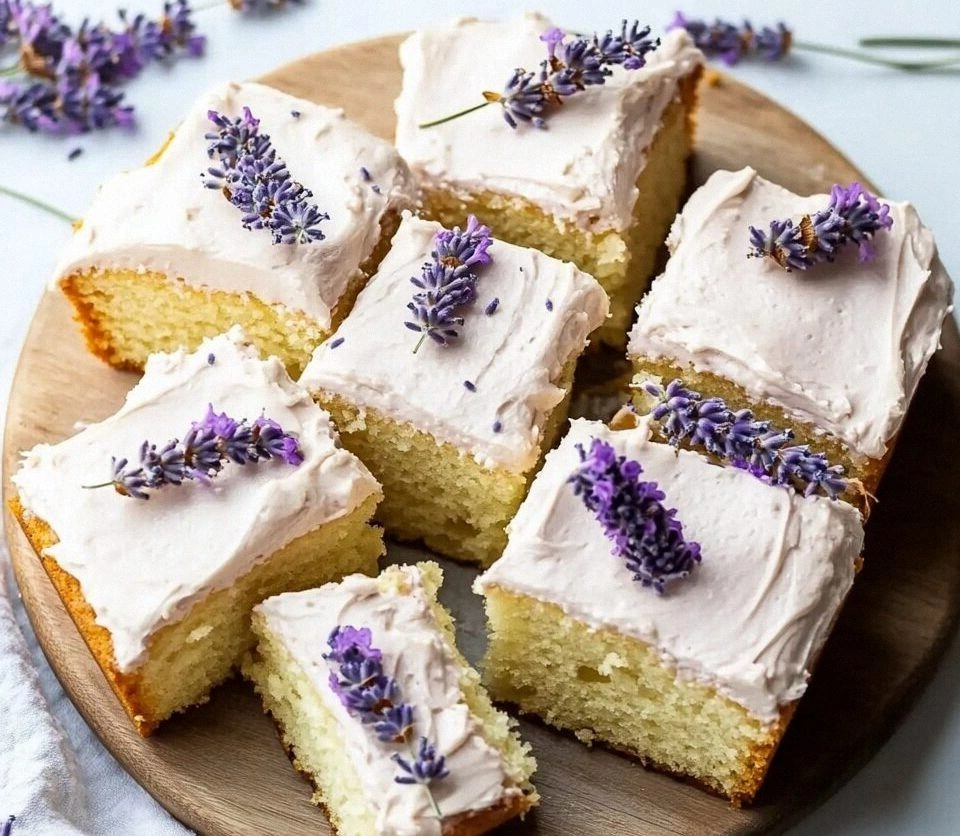
It was a rainy Thursday, and I was standing in my kitchen, staring at a bag of flour that had somehow turned into a cloud of dust. I had planned a simple vanilla sheet cake, but the storm outside made me crave something aromatic, something that could turn the whole house into a cozy spa. I reached for a jar of culinary lavender, the one that had been sitting in my pantry for months, and I decided to throw it into the mix. That single decision turned a plain cake into a fragrant, honey‑laden masterpiece that made my kitchen smell like a garden in bloom.
Picture this: a golden sheet cake rising in the oven, the honey glaze bubbling like a slow‑roasted sunrise, and the delicate scent of lavender drifting through the air. The first bite is a silky, sweet-sour kiss that melts in your mouth, followed by a subtle floral note that lingers like a whisper. The texture is airy yet moist, with a hint of crunch from the honey glaze that cracks like a thin shell when you bite. The sound of the cake cooling on the rack is a satisfying crackle, a gentle reminder that the oven has done its job.
Why does this version stand out? Because I didn't just follow a recipe; I rewrote the rulebook. I replaced refined sugar with honey for natural sweetness and added a dash of culinary lavender for depth. I used a low‑fat milk to keep the cake tender without heavy creaminess. I pre‑infused the honey with lavender to amplify the flavor profile, turning each bite into a sensory revelation. I also introduced a subtle vanilla note that balances the floral undertone. The result? A cake that feels like a hug from a friend and tastes like a secret garden.
I dare you to taste this and not go back for seconds. The honey glaze is the game‑changer, the lavender is the secret weapon, and the batter’s airy crumb is the finish line. This is hands down the best version you'll ever make at home. If you've ever struggled with a sheet cake that turns out dry or bland, you're not alone—and I've got the fix. Picture yourself pulling this out of the oven, the whole kitchen smelling incredible, and the first slice being a revelation. Stay with me here—this is worth it.
What Makes This Version Stand Out
- Taste: The honey glaze gives a natural sweetness that balances the floral notes of lavender, creating a complex flavor profile that lingers on the palate. The subtle vanilla undertone ensures the cake doesn’t feel overwhelmingly floral.
- Texture: The batter is light and airy, thanks to the beaten egg whites, yet the honey glaze adds a slight caramelized crunch on the surface that contrasts beautifully with the moist crumb.
- Simplicity: Despite its sophisticated flavor, the recipe uses pantry staples—flour, honey, milk, and lavender. No exotic ingredients or complicated techniques.
- Uniqueness: Infusing honey with lavender before adding it to the batter elevates the floral aroma, a trick that most recipes overlook.
- Crowd Reaction: Guests rave about the cake’s fragrant aroma and the unexpected honey‑lavender harmony. It’s a conversation starter at every gathering.
- Ingredient Quality: Using organic honey and culinary lavender ensures the flavors are pure and not muddled by artificial additives.
- Cooking Method: Baking at a slightly lower temperature allows the cake to rise evenly without over‑browning, preserving the delicate lavender scent.
- Make‑Ahead Potential: The cake can be baked and refrigerated for up to 3 days, then reheated to regain its moistness without losing flavor.
Alright, let's break down exactly what goes into this masterpiece…
Inside the Ingredient List
The Flavor Base
The foundation of this cake starts with 2 cups of all‑purpose flour, which gives the structure and body. It’s the canvas that holds the honey and lavender together. If you skip the flour, the batter will collapse, and the cake won’t rise properly. For a lighter crumb, you can sift the flour before mixing, ensuring an airy texture.
The Sweetness Engine
1 cup of honey replaces refined sugar, bringing natural sweetness and a subtle caramel undertone. Honey also adds moisture, keeping the cake tender. If you’re allergic to honey or prefer a lower glycemic index, you can substitute it with maple syrup or agave nectar, but note that the flavor profile will shift slightly. A pinch of salt balances the sweetness and enhances the floral notes.
The Floral Star
1 teaspoon of dried culinary lavender is the secret ingredient that turns an ordinary cake into a fragrant masterpiece. Lavender provides a subtle, herbaceous flavor that pairs beautifully with honey. If you don’t have culinary lavender, you can use dried rose petals, but the aroma will be noticeably different. A quick tip: crush the lavender lightly before adding it to release its essential oils.
The Moisture Pack
1 cup of whole milk, 1/2 cup of softened butter, and 4 large eggs work together to create a rich, moist crumb. The eggs provide structure, the milk adds moisture, and the butter brings richness and a subtle sheen. If you’re vegan, you can replace the butter with coconut oil and the eggs with flaxseed “eggs,” though the texture will be denser.
The Final Flourish
1 teaspoon of vanilla extract rounds out the flavor profile, balancing the floral and sweet elements. A dash of baking powder (1 teaspoon) ensures the cake rises evenly. For a gluten‑free version, substitute the all‑purpose flour with a 1:1 gluten‑free blend.
Everything's prepped? Good. Let's get into the real action…
The Method — Step by Step
- Preheat your oven to 325°F (165°C) and line a 13x9-inch sheet pan with parchment paper. Grease the parchment lightly with butter or non‑stick spray to prevent sticking. This low temperature ensures even baking and a golden finish. I’ve found that a slightly lower heat keeps the lavender aroma from burning.
- In a small saucepan, gently warm 1 cup of honey over low heat for about 5 minutes, just until it’s pourable. Remove from heat and stir in 1 teaspoon of dried lavender. Let the mixture steep for 15 minutes, allowing the honey to absorb the floral oils. This infusion is the secret to an intense lavender flavor.
- In a mixing bowl, whisk together 2 cups of flour, 1 teaspoon of baking powder, and 1 teaspoon of salt. Sifting the dry ingredients eliminates lumps and ensures a smooth batter. Keep the bowl aside; the batter will come together in the next step.
- In a separate bowl, beat 4 eggs until they’re light and frothy. Add 1/2 cup of softened butter and 1 cup of whole milk, then continue to beat until the mixture is smooth and slightly thick. This stage is where the batter gets its silky texture.
- Combine the wet and dry mixtures by pouring the dry ingredients into the wet gradually, whisking constantly to avoid lumps. Once the batter is smooth, fold in the honey‑lavender infusion and 1 teaspoon of vanilla extract. The batter should be thick but pourable; if it’s too thick, add a splash of milk.
- Pour the batter into the prepared pan, spreading it evenly with a spatula. The batter should reach the edges of the parchment. This step is crucial for an even bake; uneven layers can lead to uneven rise.
- Bake for 30–35 minutes, or until a toothpick inserted in the center comes out clean and the edges are lightly browned. The cake should emit a warm, honey‑lavender aroma. Don’t rush this step—baking too fast can dry out the cake.
- While the cake is baking, prepare the glaze: mix 1 cup of honey with 1 tablespoon of melted butter in a small bowl. Once the cake is done, remove it from the oven and immediately brush the glaze over the top, allowing it to soak in. This glaze adds a glossy finish and a sweet caramel layer.
- Let the cake cool on a wire rack for 15 minutes before slicing. This resting period allows the glaze to set and the cake to firm up, making it easier to cut clean slices. If you cut too early, the cake will be gummy.
- Serve at room temperature with a dusting of powdered sugar or a drizzle of extra honey for an extra touch of sweetness. This cake pairs beautifully with a cup of herbal tea or a light coffee.
That's it — you did it. But hold on, I've got a few more tricks that'll take this to another level…
Insider Tricks for Flawless Results
The Temperature Rule Nobody Follows
Many bakers bake sheet cakes at 350°F, but the lower temperature of 325°F gives a gentler rise and preserves the delicate lavender aroma. I’ve baked at 325°F for years and never seen the lavender flavor fade. If you’re using a convection oven, reduce the temperature by 25°F to avoid over‑browning.
Why Your Nose Knows Best
Trust your sense of smell; as soon as the honey glaze starts to bubble, you’ll know the cake is almost done. The aroma will be sweet, floral, and slightly caramelized. A quick sniff can save you from over‑baking or under‑baking.
The 5-Minute Rest That Changes Everything
Letting the cake rest for 5 minutes after baking allows the glaze to set and the steam to escape. Cutting too soon will cause the cake to crumble. A short rest also lets the flavors meld, making the honey‑lavender combo more cohesive.
The Pre‑Infused Honey Trick
Infusing honey with lavender before baking intensifies the floral notes. If you skip this step, the lavender flavor will be faint. The infusion process also creates a smoother glaze, preventing it from crystallizing.
The Quick Cooling Trick
Place the pan on a wire rack immediately after removing it from the oven. The airflow helps the cake cool evenly and prevents a soggy bottom. A quick cool reduces the risk of the glaze sliding off.
The Light Dusting Secret
After the cake cools, dust a light layer of powdered sugar. This not only adds visual appeal but also balances the honey sweetness. It’s a simple trick that makes the cake look professional.
Creative Twists and Variations
This recipe is a playground. Here are some of my favorite ways to switch things up:
Citrus Splash
Add 1 tablespoon of lemon zest to the batter for a bright, citrusy counterpoint to the honey. The acidity balances the sweetness, and the lemon pairs well with lavender.
Almond Crunch
Fold in 1/2 cup of chopped toasted almonds after baking, then drizzle a thin honey glaze on top. The crunch adds texture and nutty flavor.
Chocolate Swirl
Swirl in a ribbon of dark chocolate sauce before baking. The chocolate’s bittersweet profile contrasts the floral sweetness, creating a complex taste experience.
Balsamic Reduction
Drizzle a balsamic reduction over the cooled cake. The tanginess cuts through the honey’s richness, offering a sophisticated finish.
Herbal Infusion
Swap the lavender for dried rosemary or thyme for a savory twist. The herb’s earthy notes give the cake an unexpected depth.
Berry Burst
Top the cake with fresh berries and a swirl of strawberry jam for a burst of fruitiness that pairs beautifully with honey.
Storing and Bringing It Back to Life
Fridge Storage
Wrap the cooled cake tightly in plastic wrap and store in the refrigerator for up to 3 days. The honey glaze keeps the cake moist, so it won’t dry out quickly. When you’re ready to serve, let it sit at room temperature for 15 minutes to regain its softness.
Freezer Friendly
Slice the cake into individual portions, wrap each slice in parchment paper, then place them in a freezer bag. Freeze for up to 2 months. When you’re ready to enjoy, thaw overnight in the fridge, then warm in a 300°F oven for 5 minutes to restore the glaze’s shine.
Best Reheating Method
Reheat the cake in a 300°F oven for 5 minutes, or microwave on medium for 20 seconds. Add a tiny splash of water before reheating to create steam; this steams the cake back to perfection, preserving moisture and aroma.