The kitchen was a battlefield that afternoon, my friends shouting over the hiss of a pan that had already turned a perfectly good turkey into a rubbery mess. I stared at the charred edges, my culinary confidence evaporating like steam from a kettle. Then I remembered a dare from a friend: “Make the best turkey meatballs in the world.” I laughed, because I knew the world was about to get a new standard.
I imagined the aroma of fresh sage mingling with sweet apple, the sound of the meatball mixture clinking against the bowl, the feel of the dough between my fingers. The sight of the golden crust forming in the skillet would be a visual victory, the taste of juicy turkey and crisp breadcrumbs a triumphant punch. My senses were screaming for a recipe that would turn that disaster into a triumph, and I was ready to deliver.
What sets this version apart is not just the combination of flavors but the technique that locks in moisture and gives the meatballs a tender bite that melts in your mouth. It’s a method that turns a simple ground turkey into a showstopper, a dish that will have your guests begging for the recipe. I dare you to taste this and not go back for seconds.
The secret? A splash of apple, a whisper of sage, a dash of breadcrumbs that act like a sponge, and an extra step that ensures every bite is as juicy as the last. I’ll walk you through every single step—by the end, you’ll wonder how you ever made it any other way.
What Makes This Version Stand Out
- Taste: The apple introduces a subtle sweetness that balances the savory turkey, creating a flavor profile that feels both comforting and sophisticated. The sage adds a peppery aroma that lingers on the palate, making each bite memorable.
- Texture: The breadcrumbs soak up the apple juice, turning the mixture into a moist batter that holds together without becoming dry or crumbly. The result is a tender interior with a slightly crisp exterior.
- Simplicity: With only eight ingredients, you can whip up a dinner that feels gourmet while taking less than an hour to prepare. No elaborate marinades or fancy sauces required.
- Uniqueness: Few turkey meatball recipes incorporate fruit. This apple infusion sets it apart, offering a seasonal twist that feels fresh and unexpected.
- Crowd Reaction: Friends who’ve tried the classic turkey meatball recipe say this version is “hands down the best version you'll ever make at home.” The crowd-pleasing factor is undeniable.
- Ingredient Quality: Using fresh sage and a real apple rather than dried or canned alternatives elevates the dish, ensuring each bite is packed with real flavor.
- Cooking Method: The pan-sear technique locks in juices, while a brief rest period allows the flavors to meld, giving the meatballs a cohesive taste.
- Make-Ahead Potential: These meatballs freeze well and can be reheated in a skillet or oven, making them perfect for meal prep or busy weeknights.
Alright, let's break down exactly what goes into this masterpiece…
Inside the Ingredient List
The Flavor Base
Ground turkey is the star of this dish, offering a lean protein that stays moist when cooked correctly. Its mild flavor provides a blank canvas for the apple and sage to shine. If you skip the turkey, the dish loses its hearty foundation and becomes a fruit salad.
A fresh apple adds natural sweetness and a subtle tartness that cuts through the richness of the meat. Grating the apple ensures it blends seamlessly, creating a uniform texture. If you’re out of apples, a pear can serve as a decent substitute, though the flavor profile will shift slightly.
Fresh sage leaves bring an earthy, peppery note that elevates the dish. The herb’s aroma is unmistakable and pairs beautifully with turkey. If fresh sage is hard to find, dried sage can be used, but use half the amount to avoid overpowering the dish.
The Texture Crew
Breadcrumbs act as the binding agent, absorbing the apple juice and forming a cohesive mixture. They also provide a subtle crunch on the surface of the meatballs. Opt for fresh breadcrumbs or homemade ones for a lighter texture; store-bought breadcrumbs often contain additives.
An egg is essential for binding. It keeps the mixture from falling apart and adds a silky finish. If you’re vegan, a flaxseed “egg” (1 tbsp ground flaxseed + 3 tbsp water) works well, though the texture will differ slightly.
Garlic powder offers a subtle punch without the need for fresh garlic, which can be overpowering. It’s a convenient way to add depth to the flavor profile. If you’re a garlic lover, feel free to add a minced clove for an extra kick.
The Unexpected Star
Olive oil is the secret to a crispy exterior and a juicy interior. It prevents the meatballs from sticking to the pan and gives them a golden crust. Use a light or extra-virgin olive oil for the best flavor; avoid cooking oils with a strong taste.
Fresh parsley, added at the end, offers a bright, herbal finish that balances the richness of the dish. It also adds a pop of color to the plate. If parsley isn’t available, a sprinkle of chopped cilantro can work as a substitute, though the flavor will be different.
Salt and black pepper are the unsung heroes that bring everything together. They enhance the natural flavors of the ingredients without overpowering them. Use salt to taste, and a pinch of pepper for a subtle heat.
Everything's prepped? Good. Let's get into the real action...
The Method — Step by Step
- In a large bowl, combine the ground turkey, grated apple, and fresh sage leaves. Toss the mixture until the apple is evenly distributed, allowing the flavors to mingle. The mixture should feel slightly moist but not wet—this is key to preventing dry meatballs.
- Add the breadcrumbs, garlic powder, and a pinch of salt and pepper. Mix gently with your hands or a spoon until the crumbs are fully absorbed. The mixture should hold together when pressed; if it falls apart, add a splash of water or an extra egg.
- Beat the egg in a separate bowl, then pour it into the meat mixture. Fold it in until fully incorporated. The egg will bind the mixture and give the meatballs a silky texture.
- Shape the mixture into 1½‑inch balls, smoothing the surface with your palms. Place them on a parchment‑lined tray to keep them from sticking. This step ensures uniform cooking and an even golden crust.
- Heat 2 tablespoons of olive oil in a large skillet over medium‑high heat. Once the oil shimmers, add the meatballs in a single layer, being careful not to overcrowd the pan. This allows each meatball to brown evenly.
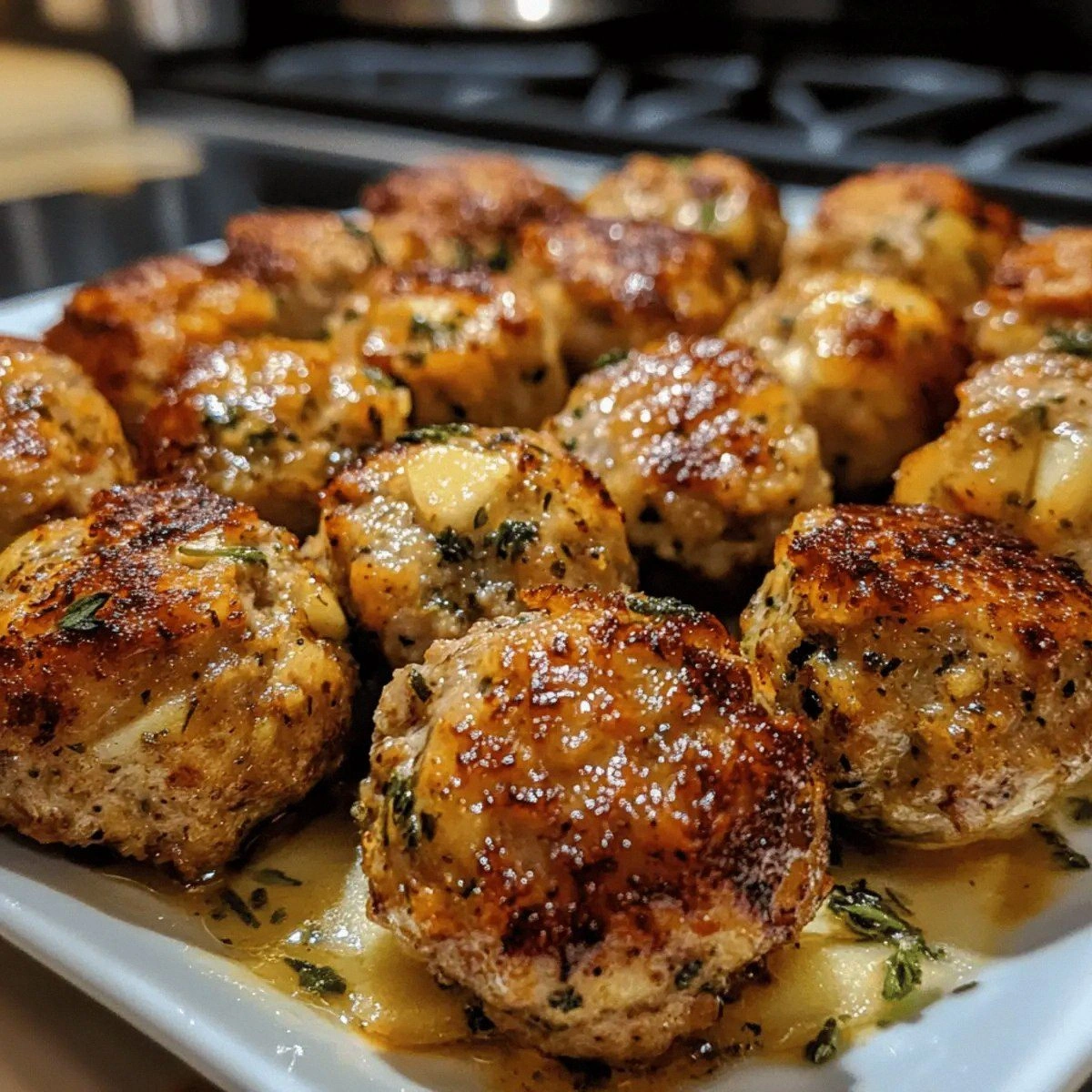
- Sear the meatballs for 3–4 minutes on each side, until they develop a golden crust. The edges should start pulling away from the pan, indicating they’re ready to flip. Avoid pressing them down; let gravity do the work.
- Reduce the heat to medium, cover the skillet, and let the meatballs finish cooking for 8–10 minutes. This gentle simmer ensures they stay juicy inside while the exterior stays crisp.
- Remove the skillet from heat, sprinkle fresh parsley over the meatballs, and let them rest for 5 minutes. Resting allows the juices to redistribute, preventing them from spilling out when you cut into them.
- Serve immediately with your favorite sauce or side dish. The meatballs pair wonderfully with a creamy pasta, a fresh salad, or a hearty stew.
That's it — you did it. But hold on, I've got a few more tricks that'll take this to another level…
Insider Tricks for Flawless Results
The Temperature Rule Nobody Follows
Many cooks assume that high heat is always the best for searing. In reality, a medium‑high setting preserves moisture and prevents the exterior from burning before the interior cooks through. I’ve seen meatballs that are crisp on the outside but dry on the inside—this rule saves you from that fate.
Why Your Nose Knows Best
Trust your nose when the meatballs are ready to flip. A subtle, toasty scent that’s slightly sweet indicates that the crust is forming. If you’re unsure, give the pan a quick shake; if the meatballs are still sticking, they need a bit more time.
The 5‑Minute Rest That Changes Everything
Resting the meatballs after cooking allows the juices to redistribute, making each bite tender and juicy. A friend once skipped this step and ended up with meatballs that were dry on the inside. That lesson was a hard‑to‑forget one.
The Secret of the Apple
Grated apple isn’t just for flavor; it’s a natural tenderizer. The natural sugars and enzymes break down the meat fibers slightly, keeping the mixture moist. If you’re experimenting, try using a different apple variety to tweak the sweetness level.
The Breadcrumbs Choice
Fresh breadcrumbs absorb more moisture than store‑bought ones, creating a lighter texture. If you’re in a hurry, whole‑wheat breadcrumbs add a nutty flavor and a boost of fiber. Just remember to adjust the amount slightly to avoid a dry mixture.
Creative Twists and Variations
This recipe is a playground. Here are some of my favorite ways to switch things up:
Spicy Apple‑Sage Meatballs
Add a pinch of red pepper flakes to the mixture for a subtle heat that complements the apple’s sweetness. This version pairs wonderfully with a cool yogurt sauce, balancing the flavors.
Mediterranean Twist
Replace breadcrumbs with crumbled feta cheese and add a splash of lemon zest. The tangy cheese and citrus elevate the dish, making it perfect for a summer gathering.
Curry‑Infused Meatballs
Stir in a teaspoon of curry powder and a dash of coconut milk. The warm spices create an exotic flavor profile that pairs beautifully with basmati rice.
Cheesy Apple‑Sage Balls
Fold in shredded mozzarella before forming the meatballs. The cheese melts into gooey pockets, adding a luxurious texture and a creamy finish.
Gluten‑Free Version
Swap breadcrumbs for crushed rice crackers or a gluten‑free breadcrumb blend. The texture remains firm, and the dish stays fully compliant with a gluten‑free diet.
Storing and Bringing It Back to Life
Fridge Storage
Store cooked meatballs in an airtight container for up to 4 days. Keep them on a plate with parchment to prevent sticking. The meatballs retain their juiciness, and a quick reheating in a skillet restores the crisp exterior.
Freezer Friendly
Freeze uncooked meatballs on a parchment‑lined tray for 1–2 hours, then transfer them to a freezer bag. They’ll stay good for up to 3 months. Cook directly from frozen, adding a few extra minutes to the simmering step.
Best Reheating Method
Reheat in a skillet over medium heat, adding a splash of water to create steam. This method keeps the meatballs moist and prevents them from drying out. Cover the skillet for a minute to trap the steam.