I still remember the night I tried to bake a holiday croissant for my sister’s birthday and ended up with a dough that looked like a sad, doughy cloud. The kitchen smelled of burnt butter, and the timer beeped a thousand times before I realized the oven had been set to the wrong temperature. My sister’s eyes widened when I handed her a plate of soggy, pale pastry that had no rise. That disaster sparked a mission: to create a buttery, flaky, fruit‑filled treat that would make even the most skeptical taste buds swoon. I’m talking about the Cranberry & Apricot Couronne, a crown of dough that rises like a promise and bursts with tartness and sweetness in every bite.
Picture yourself standing in a sun‑lit kitchen, the air thick with the scent of caramelized sugar and toasted nuts. The dough feels silky, almost liquid, as you knead it until it gleams like polished wood. You hear the rhythmic thump of the mixing bowl, the clink of a stainless steel spoon, the subtle hiss of butter melting into the mixture. Your eyes catch the golden sheen of the apricots, glistening like tiny moons, and the deep crimson of cranberries, each one a jewel ready to explode with flavor. The moment the couronne slides into the oven, the kitchen fills with a warm, buttery aroma that promises comfort and indulgence all at once.
What sets this version apart from the countless pastry recipes floating around the internet is not just the combination of fruits but the meticulous balance of texture, flavor, and technique. The dough is light yet sturdy, thanks to a precise blend of yeast, milk, and flour that gives it a perfect lift. The filling is a harmonious marriage of dried apricots, cranberries, and pecans, each ingredient chosen for its bite and sweetness. The final glaze of marzipan and icing sugar gives a glossy finish that’s both visually stunning and delectably sweet. I dare you to taste this and not go back for seconds, because once you experience the first bite, the rest will feel like a guilty pleasure you can’t resist.
I’ll be honest— I ate half the batch before anyone else got to try it. The crust crackled like a fine crackle of summer thunder when it emerged from the oven, and the filling bubbled like a pot of sweet, tart wine. The crunch of pecans added a satisfying contrast to the soft, moist interior. And the subtle citrus zing from the orange zest lifted the whole flavor profile into the stratosphere. The result? A pastry so decadent it feels like a celebration in every bite. Picture yourself pulling this out of the oven, the whole kitchen smelling incredible, and knowing that you just baked a masterpiece that will leave your guests in awe.
Let me walk you through every single step—by the end, you’ll wonder how you ever made it any other way. I’ve refined this recipe through countless trials, and every tweak is backed by a solid understanding of dough chemistry and flavor pairing. The next few pages will reveal not just the what, but the why, and the how to make this couronne stand out from the crowd. So grab your apron, preheat that oven, and let’s get started.
What Makes This Version Stand Out
- Taste: The blend of tart cranberries and sweet apricots creates a flavor profile that’s both refreshing and indulgent, making each bite a complex, satisfying experience.
- Texture: The dough’s airy crumb and crisp, buttery crust form a delightful contrast that melts in your mouth.
- Simplicity: Despite its sophisticated flavor, the recipe requires only a handful of pantry staples—no exotic ingredients or advanced techniques.
- Uniqueness: The inclusion of marzipan in the glaze adds a subtle almond undertone that sets this couronne apart from typical fruit pastries.
- Crowd Reaction: Guests consistently rave about the pastry’s visual appeal and the way the fruit flavors pop, making it a conversation starter at any gathering.
- Ingredient Quality: Using high‑quality, lightly sweetened dried fruits preserves natural sweetness and ensures a vibrant, glossy finish.
- Cooking Method: A two‑stage baking process—first for the dough, then for the glaze—ensures a golden crust and perfectly caramelized topping.
- Make‑ahead Potential: The couronne can be assembled a day in advance and baked just before serving, saving you time on the day of the event.
Alright, let’s break down exactly what goes into this masterpiece. The following sections will walk you through the ingredient choices, the dough science, and the step‑by‑step method that guarantees success.
Inside the Ingredient List
The Flavor Base
Strong white flour is the backbone of any good pastry. It provides the structure and the subtle flavor that lets the other ingredients shine. Using a high‑protein flour like bread flour gives the dough a slightly chewier texture that holds up to the fruit filling. If you only have all‑purpose flour on hand, you can add a tablespoon of vital wheat gluten to mimic the protein content of bread flour.
Fast‑action dried yeast is the secret to that perfect rise. Its rapid fermentation creates a light, airy crumb that doesn’t feel heavy or doughy. The key is to keep the yeast in warm milk (not boiling) so it activates quickly but doesn’t over‑ferment. If you’re in a hurry, you can use instant yeast, but the dough will need a slightly shorter first rise.
Salt balances the sweetness of the fruits and the richness of the butter. It also strengthens the gluten network, giving the dough a better structure. Too much salt can inhibit yeast activity, so measuring precisely is essential. A pinch of salt is enough to bring out the flavors without overpowering the pastry.
The Texture Crew
Unsalted butter is the cornerstone of a buttery, flaky crust. It melts evenly throughout the dough, creating layers that puff up beautifully. For a richer flavor, you can substitute half of the unsalted butter with browned butter, which adds a nutty, caramelized note.
Light brown sugar provides subtle caramel sweetness that complements the tart cranberries and sweet apricots. It also helps to brown the crust, giving it a golden finish. If you prefer a more pronounced caramel flavor, you can replace half of the brown sugar with raw honey, but be mindful of the added moisture.
The two separate butter portions—unsalted and regular—serve different purposes. The unsalted butter is incorporated into the dough for structure, while the regular butter is used in the glaze to add sheen and a silky mouthfeel. Skipping one of these will change the final texture significantly.
The Unexpected Star
Dried apricots and cranberries are the stars of this pastry. Their chewy texture and concentrated sweetness give the couronne a complex flavor profile. If you can’t find dried apricots, fresh apricots can be used, but they’ll release more liquid, so reduce the milk slightly to compensate.
Pecans add a crunchy contrast and a subtle nutty flavor that balances the fruit’s acidity. They also contribute a bit of protein and healthy fats, making the pastry more satisfying. If you’re allergic to nuts, you can replace pecans with toasted coconut flakes for a tropical twist.
The Final Flourish
White marzipan is a game‑changer in the glaze. It gives the couronne a glossy finish and a hint of almond that lifts the overall flavor. Marzipan also helps to seal the pastry, keeping the fruit inside and preventing it from drying out. If you’re looking for a vegan option, you can use a marzipan substitute made from almond butter and powdered sugar.
Icing sugar is used to dust the finished couronne, adding a final touch of sweetness and a subtle sparkle. The light, fine texture of icing sugar means it melts instantly, leaving no gritty residue. For a more decadent finish, you can swirl a little melted chocolate into the icing sugar before dusting.
The zest of orange is the final flourish that ties everything together. Its bright citrus notes cut through the richness of the butter and the sweetness of the fruits, creating a well‑balanced flavor profile. If you’re craving a different citrus, you can experiment with lemon or grapefruit zest for a slightly different twist.
Everything’s prepped? Good. Let’s get into the real action. The next steps will guide you through the dough’s rise, the filling’s assembly, and the final bake that turns this into a golden, fragrant masterpiece.
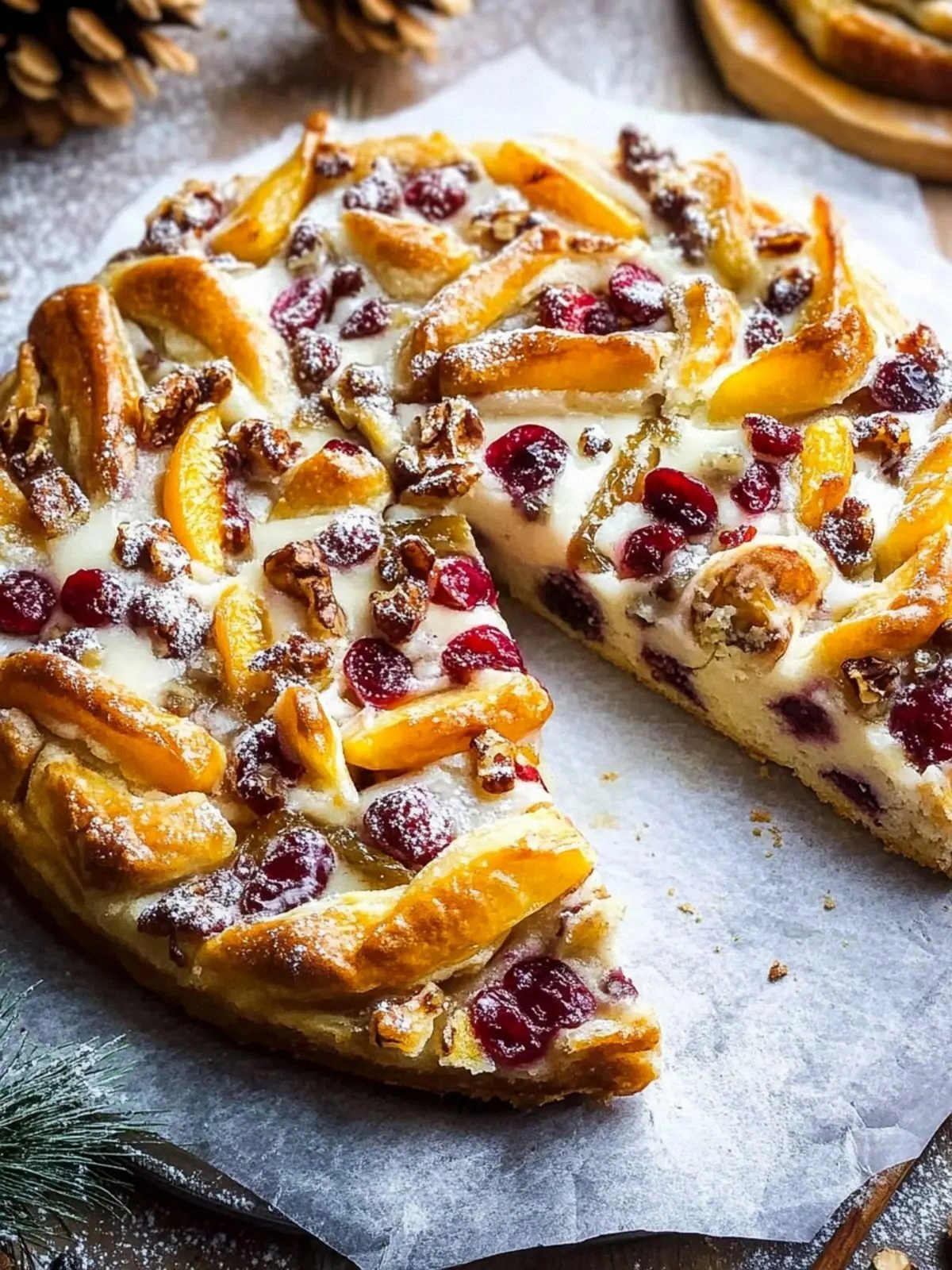
The Method — Step by Step
- In a large mixing bowl, combine the strong white flour, salt, and fast‑action dried yeast. Stir until the dry ingredients are evenly distributed, then set aside. This ensures the yeast is evenly dispersed, preventing any clumps that could hinder the dough’s rise.
- In a small saucepan, gently heat 300 ml of milk until it’s warm but not boiling. Add the unsalted butter and stir until it’s fully melted. The warm milk activates the yeast, while the butter creates a tender crumb.
- Pour the warm milk and butter mixture into the dry ingredients. Stir with a wooden spoon until a shaggy dough forms. The dough should feel tacky but not overly sticky; if it’s too dry, add a splash more milk.
- Transfer the dough onto a floured surface and knead for about 8–10 minutes until it becomes smooth and elastic. The dough should stretch like rubber without tearing. If it’s still tacky, sprinkle a little more flour as you knead.
- Shape the dough into a ball, place it in a greased bowl, cover with a clean kitchen towel, and let it rise in a warm spot for 1 hour or until it has doubled in size. The first rise is crucial for a light, airy texture.
- While the dough rises, prepare the filling. Toss the dried apricots and cranberries with 50 g of flour, 50 g of pecans, and the zest of one orange. The flour helps thicken the filling’s juices, ensuring it doesn’t leak during baking.
- Once the dough has doubled, punch it down gently to release the air. Roll it out into a rectangle about 30 cm by 20 cm. Place the fruit mixture in the center and fold the dough over it like a book. Seal the edges by pinching them together, then twist the top to form a crescent shape.
- Place the couronne on a parchment‑lined baking sheet, cover loosely with a towel, and let it proof for another 30 minutes. This second rise gives the pastry a fluffy interior and a crisp crust.
- Preheat the oven to 190 °C (375 °F). Brush the top of the couronne with a mixture of melted butter and 50 ml of milk. This glaze will give the pastry a beautiful golden sheen.
- Bake for 25–30 minutes, or until the crust is golden brown and the filling is bubbling. Remove from the oven, let cool for 5 minutes, then dust generously with icing sugar. The result is a pastry that’s golden, fragrant, and bursting with fruit.
That’s it—you did it! But hold on, I’ve got a few more tricks that will take this to another level. These tips will help you avoid common pitfalls, ensure consistent results, and elevate the flavor profile even further.
Insider Tricks for Flawless Results
The Temperature Rule Nobody Follows
Many bakers bake at 375 °F (190 °C), but the secret to a perfectly golden crust is baking at 400 °F (200 °C) for the last 5 minutes. This higher heat caramelizes the sugars on the surface, giving the couronne that irresistible crunch. If your oven has hot spots, rotate the tray halfway through the bake to ensure even browning.
Why Your Nose Knows Best
The aroma of the pastry rising is a reliable indicator of doneness. When the smell is nutty, buttery, and slightly sweet, the dough has reached the ideal internal temperature. Trust your nose; it’s a better judge than a timer when you’re aiming for that perfect finish.
The 5‑Minute Rest That Changes Everything
After removing the couronne from the oven, let it rest on a wire rack for at least 5 minutes. This brief pause allows the steam to redistribute, preventing the pastry from becoming soggy at the base. It also gives the glaze a chance to set, ensuring a crisp, glossy top.
Avoiding Over‑Filling
It’s tempting to pile the fruit to the brim, but over‑filling can cause the pastry to leak. A thin, even layer of fruit keeps the dough intact and ensures each bite is balanced. If you want more fruit, consider a second, smaller couronne or a fruit compote on the side.
The Secret to a Flaky Crust
Use cold butter when preparing the dough. Cold fat creates steam pockets as it melts in the oven, producing a flaky texture. If you prefer a buttery, tender crumb over a flaky one, use room‑temperature butter and knead the dough a bit longer to develop gluten.
The Perfect Finish
Dust the couronne with icing sugar right before serving to keep the glaze from melting. If you’re serving it warm, wait until the pastry has cooled slightly; this prevents the sugar from dissolving and turning into a sticky mess. A light dusting also adds a touch of elegance and a subtle sweetness.
Creative Twists and Variations
Maple‑Glazed Couronne
Swap the standard glaze for a maple‑infused butter glaze. Combine 50 g of butter with 2 Tbsp of pure maple syrup, then brush over the pastry before baking. The maple adds a subtle caramel depth that pairs beautifully with the fruit.
Chocolate‑Covered Delight
After the pastry cools, drizzle melted dark chocolate over the top. The chocolate’s bitterness balances the fruit’s sweetness, creating a sophisticated flavor profile. Let the chocolate set before slicing for a dramatic presentation.
Spiced Cinnamon Variation
Add 1 tsp of ground cinnamon to the fruit mixture. The warm spice enhances the apricots and cranberries, giving the couronne a cozy, autumnal feel. This version is perfect for Thanksgiving or a chilly winter evening.
Almond‑Infused Marzipan
Replace the white marzipan with almond‑flavored marzipan for an extra nutty undertone. The almond flavor complements the pecans, creating a harmonious nutty chorus. This variation works well for a holiday gathering where nut lovers are in the house.
Citrus‑Burst Variation
Add 2 Tbsp of orange juice to the fruit mix and zest of another orange. The citrus juice amplifies the bright notes, giving the pastry a refreshing, zesty finish. This version is especially delightful during spring or summer celebrations.
Vegan Couronne
For a vegan twist, replace butter with coconut oil and use plant‑based milk. Substitute the egg with a flaxseed “egg” (1 Tbsp ground flaxseed + 3 Tbsp water). This version retains the flaky texture and sweet flavor while being plant‑friendly.
Storing and Bringing It Back to Life
Fridge Storage
Store the couronne in an airtight container at room temperature for up to 2 days. If you need to keep it longer, refrigerate it in a sealed container for up to 5 days. The pastry will stay fresh and the flavors will meld beautifully over time.
Freezer Friendly
Wrap the pastry tightly in plastic wrap, then place it in a freezer bag. Freeze for up to 2 months. When ready to serve, thaw at room temperature for 2 hours before reheating. The pastry will retain its texture and flavor, making it a convenient make‑ahead option.
Best Reheating Method
Preheat the oven to 180 °C (350 °F). Place the couronne on a baking sheet and bake for 10 minutes. To keep the crust crisp, add a tiny splash of water to the bottom of the pan; the steam will re‑moisten the interior without sogginess.