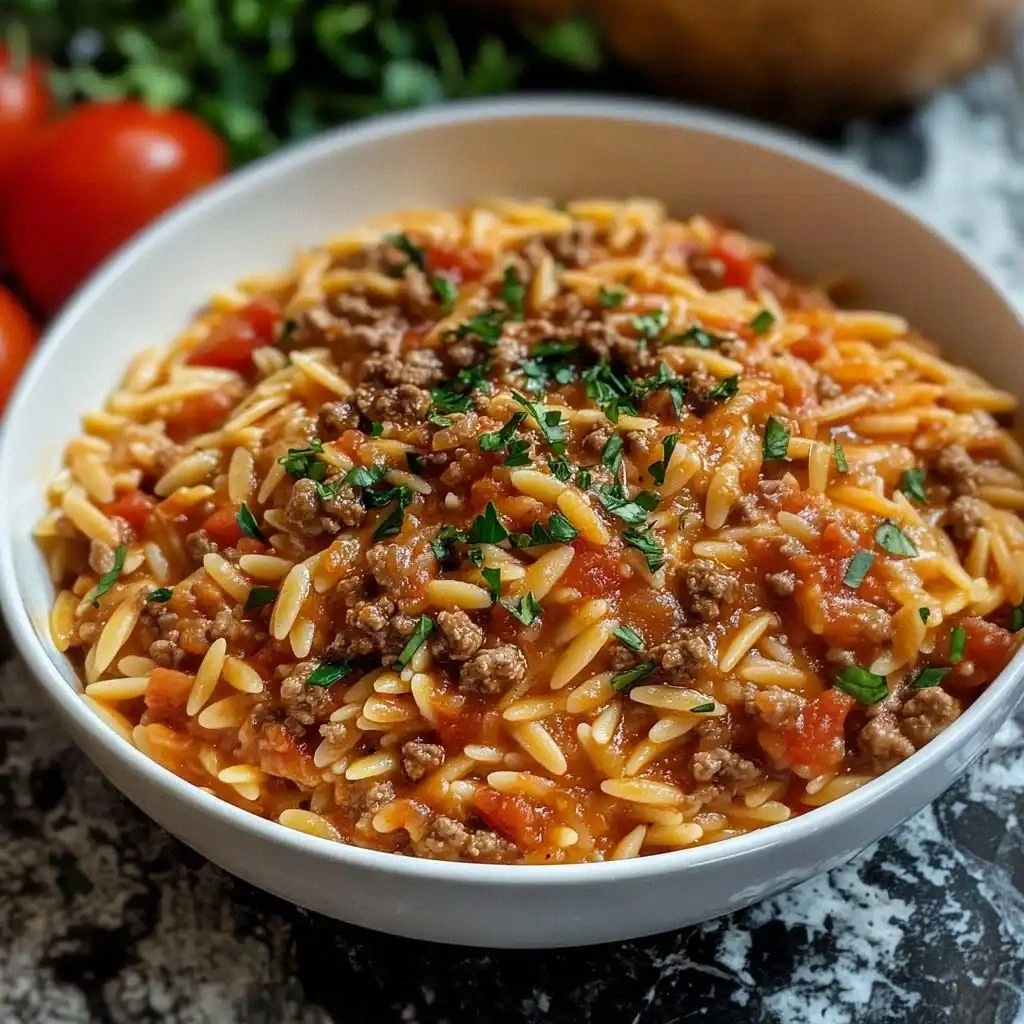
It started with a burnt casserole and a stubborn craving that refused to be ignored. I was standing in my kitchen, staring at a scorched pot, when my friend dared me to make a dish that would make everyone in the house beg for seconds. That dare turned into a mission to create a skillet masterpiece that could turn a kitchen disaster into a culinary triumph. I was determined to find a recipe that would not only taste divine but also feel like a warm hug on a rainy evening. And so, the Cheesy Skillet Garlic Parmesan was born.
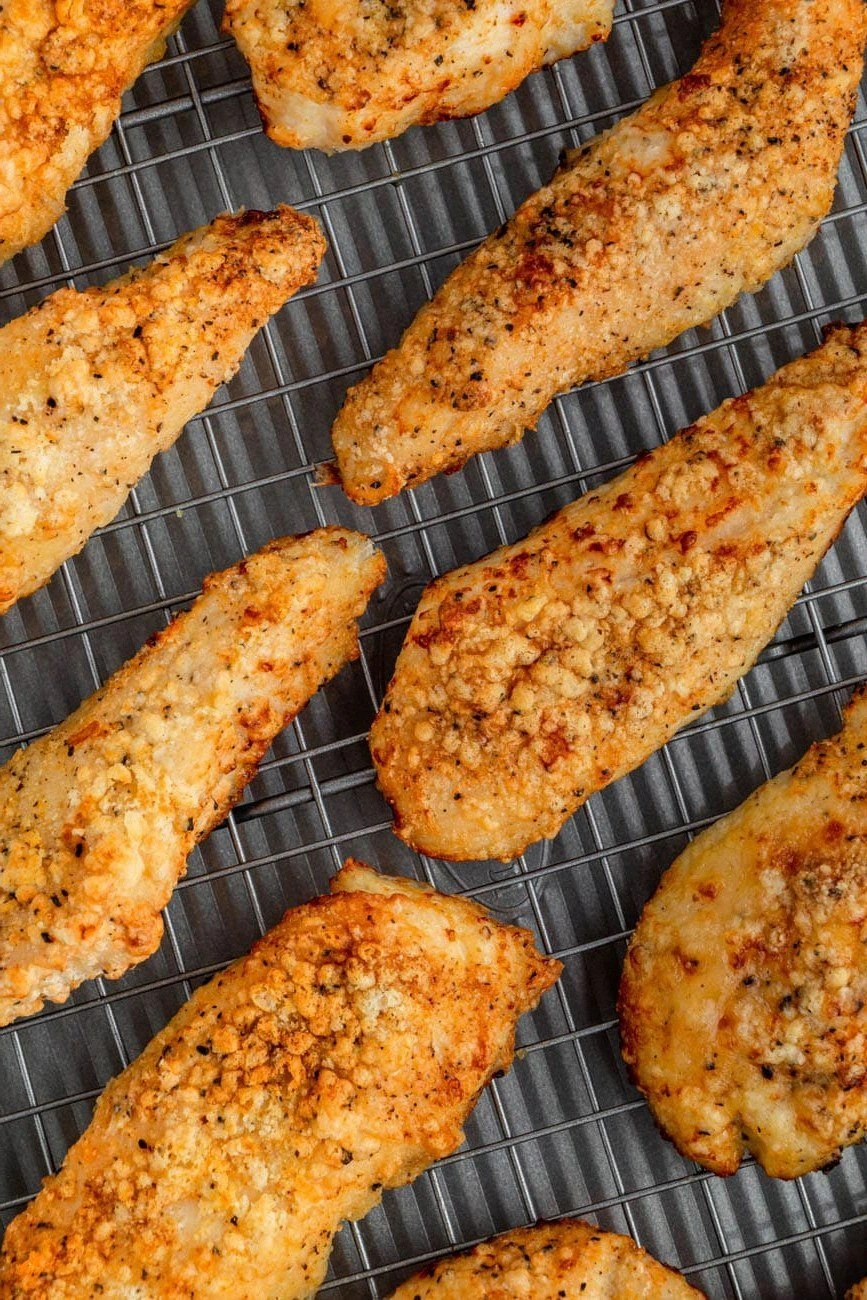
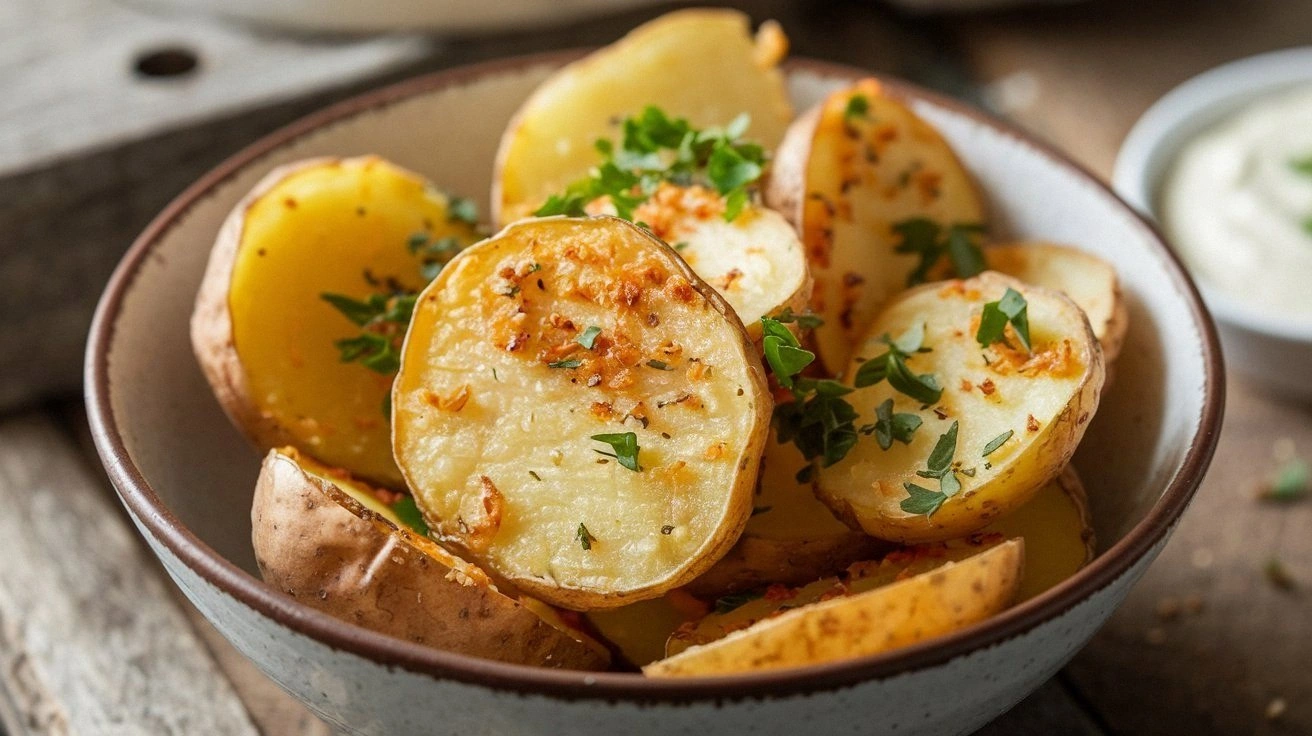
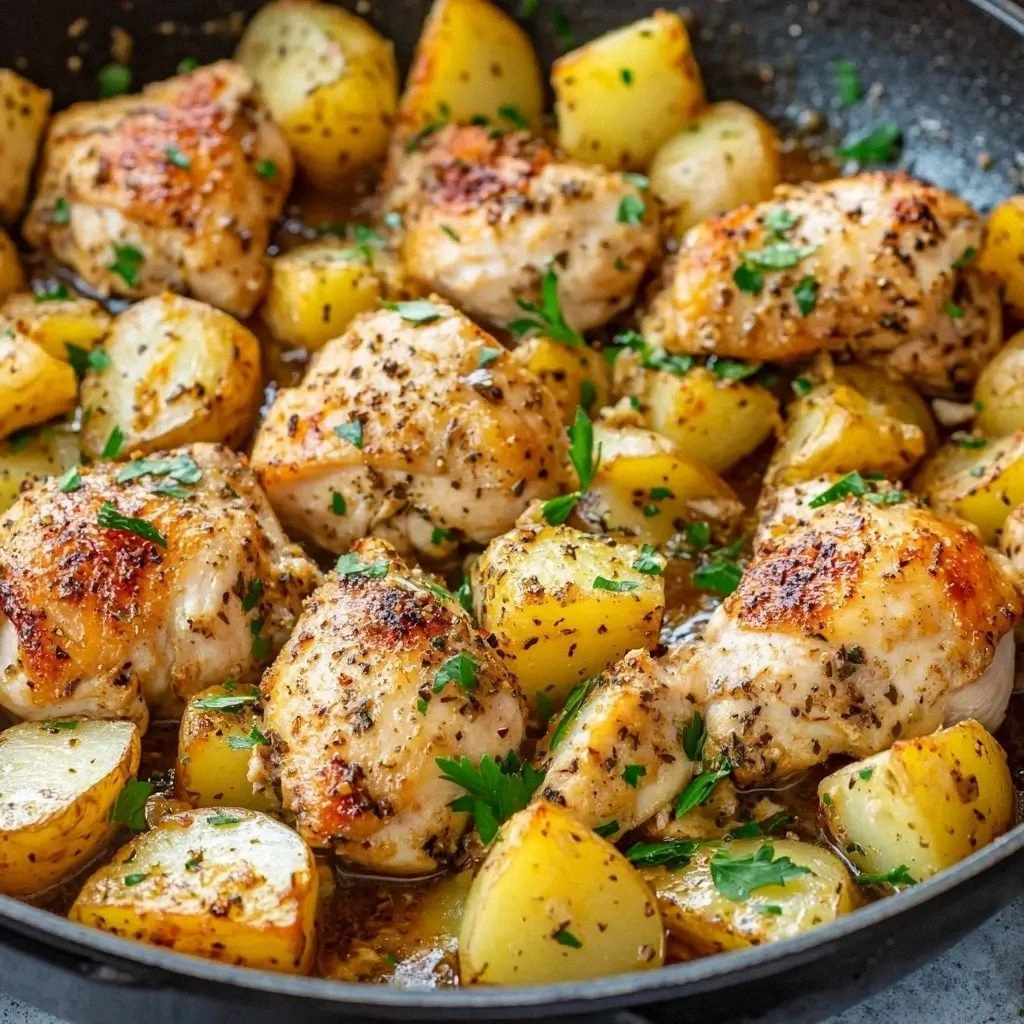
When I first opened the skillet, the aroma of garlic and butter hit me like a wave of comfort. The sizzling sound was a promise that something delicious was about to happen. I could already taste the creamy, cheesy sauce coating the potatoes like a silky blanket. The sight of golden, caramelized edges that were crisp on the outside and tender on the inside made my mouth water. The texture of the chicken, perfectly browned, added a satisfying bite that made the dish feel like a hearty, indulgent dinner.
What sets this version apart from the countless other recipes I’ve tried is its balance of flavors and textures. The creamy sauce is thick enough to cling to each potato cube and chicken bite, yet light enough to keep the dish from feeling greasy. The blend of parmesan and mozzarella creates a melt that’s both sharp and mellow, giving the dish depth without overpowering the other ingredients. The use of fresh herbs and a touch of paprika adds a subtle kick that keeps the palate engaged. It’s a dish that feels both comforting and sophisticated, perfect for a weeknight or a special occasion.
But there’s a twist that most recipes miss: a quick sear of the potatoes before the chicken hits the pan. This technique locks in flavor and gives the potatoes a crispy exterior that stands up to the creamy sauce. I’ll walk you through every single step, from the initial prep to the final flourish, so that by the end you’ll wonder how you ever made it any other way. Let’s get cooking.
What Makes This Version Stand Out
- Flavor: The combination of parmesan and mozzarella creates a layered cheese profile that’s both sharp and smooth.
- Texture: Searing the potatoes first gives them a caramelized crust that contrasts with the tender chicken.
- Convenience: All the ingredients come together in a single skillet, reducing cleanup time.
- Visual Appeal: The golden cheese topping and vibrant herbs make the dish look as good as it tastes.
- Versatility: It can be served over pasta, rice, or even a fresh salad.
- Make‑Ahead: The dish can be assembled and baked later, making it ideal for busy evenings.
- Budget Friendly: The ingredients are inexpensive yet produce a restaurant‑quality result.
- Family Friendly: Kids love the cheesy sauce, while adults appreciate the depth of flavor.
Alright, let's break down exactly what goes into this masterpiece. The key to a winning dish is not just the ingredients but how you use them. Below, you’ll find a detailed ingredient list that explains why each component matters and how it contributes to the final result. Everything’s prepped? Good. Let’s get into the real action.
The Flavor Base
The foundation of this dish is the aromatic garlic and the savory olive oil that forms the first layer of flavor. When garlic is minced finely, it releases essential oils that coat the pan, creating a subtle perfume that lingers throughout cooking. Skipping this step would result in a bland dish that feels like a missed opportunity. If you’re short on time, you can use pre‑minced garlic, but the fresh bite will still be there.
Olive oil does more than just prevent sticking; it carries the flavors of the herbs and the cheese into the sauce. A high‑quality extra virgin olive oil adds a fruity undertone that complements the richness of the cream and cheese. Choosing a neutral oil like canola can work, but it will dilute the overall profile. When you first add the oil to the pan, let it shimmer before adding the potatoes, signaling that the pan is ready.
Herbs are the secret agents that elevate the dish from simple to memorable. Dried oregano and basil provide a warm, earthy base that balances the sharpness of parmesan. The herbs also bring a subtle bitterness that cuts through the cream’s sweetness, creating a more complex taste. If you prefer a different flavor profile, experiment with thyme or rosemary, but keep the quantities modest to avoid overpowering the dish.
The Texture Crew
Potatoes are the unsung heroes that add body and substance to the dish. Choosing russet potatoes ensures a fluffy interior and a crispy exterior when seared properly. If you use waxy potatoes, they’ll become mushy and lose that coveted crunch. Dice the potatoes into uniform cubes so they cook evenly and develop a golden crust.
Chicken is the protein that carries the sauce and brings the dish together. Boneless skinless breasts are lean and cook quickly, but they can dry out if overcooked. To keep the chicken juicy, season it with salt, pepper, oregano, and basil before searing. This seasoning not only flavors the meat but also helps create a beautiful brown crust.
The creamy sauce is the glue that holds everything together. Heavy cream thickens the sauce, giving it a velvety mouthfeel that coats the potatoes and chicken. It also balances the sharpness of the parmesan and the meltiness of the mozzarella. If you prefer a lighter sauce, replace half the cream with milk or a low‑fat alternative, but the texture will be less luxurious.
The Unexpected Star
Butter is the unsung hero that adds depth and a glossy finish to the sauce. When added at the end, it coats the ingredients with a silky sheen that makes the dish feel indulgent. Butter also carries the flavors of the cheese, enhancing their richness. A small pinch of butter is enough; too much can make the sauce greasy.
Fresh parsley is the bright note that cuts through the heaviness of the cream and cheese. It adds a pop of color and a subtle peppery flavor that balances the dish’s richness. If parsley is out of season, a splash of lemon zest can provide a similar brightening effect. Parsley also signals freshness, making the dish feel lighter on the palate.
The Final Flourish
Seasoning to taste is a critical step that allows you to tailor the dish to your preference. Salt is the flavor enhancer that brings out the natural sweetness of the potatoes and the savory depth of the cheese. Pepper adds a subtle heat that complements the garlic. Be generous but mindful; you can always add more later, but you can’t remove excess salt.
Serving the dish with a side of crusty bread or a simple green salad turns it into a complete meal. The bread can soak up the creamy sauce, while the salad provides a crisp, refreshing contrast. If you’re feeling adventurous, serve it over a bed of sautéed spinach or kale for an extra dose of nutrients.
Everything’s prepped? Good. Let’s get into the real action.
The Method — Step by Step
- Preheat the oven to 400°F (200°C). While the oven is heating, dice the potatoes into uniform 1‑inch cubes. Season the chicken pieces with salt, pepper, oregano, and basil. This step ensures the chicken is flavorful from the start and helps it brown beautifully.
- Heat the skillet over medium heat. Add the olive oil and let it shimmer, indicating the pan is ready. Place the potatoes in the pan, spreading them in a single layer. Sauté for about 8 minutes, turning occasionally until they’re golden brown on all sides.
- Push the potatoes to one side of the skillet. Add the seasoned chicken to the empty space. Brown the chicken for 3‑4 minutes on each side, allowing it to develop a savory crust. The aroma at this point should be irresistible, signaling that you’re on the right track.
- Add the minced garlic. Sauté for 30 seconds until the garlic becomes fragrant but not browned. Stir to distribute the garlic evenly, preventing any clumps from forming. This quick burst of flavor is essential for depth.
- Pour in the heavy cream. Reduce the heat to low and let the mixture simmer gently for about 4 minutes. The sauce should thicken slightly and coat the back of a spoon. This is the moment when the dish starts to feel like a comforting hug.
- Sprinkle the parmesan and mozzarella over the mixture. Stir gently until the cheeses melt and create a glossy, creamy coating. The cheese should cling to the potatoes and chicken, forming a luscious blanket that’s both indulgent and comforting.
- Transfer the skillet to the preheated oven. Bake for 12‑15 minutes, or until the cheese is bubbly and the edges are crisp. The final bake transforms the dish, giving it a golden top and a satisfying crunch. Watch the cheese rise—this is pure magic.
- Remove the skillet from the oven. Stir in the butter and chopped parsley, letting the butter melt into the sauce. Let the dish rest for 5 minutes before serving, allowing the flavors to settle and the sauce to thicken just right. This brief rest is crucial for a perfectly balanced bite.
That’s it — you did it. But hold on, I've got a few more tricks that'll take this to another level. These insider tips will help you avoid common pitfalls and elevate the dish to a new dimension of flavor.
Insider Tricks for Flawless Results
The Temperature Rule Nobody Follows
Many cooks overheat their skillet, causing the potatoes to steam instead of sear. Keep the heat on medium and let the oil reach the right temperature before adding ingredients. You’ll notice a gentle hiss and the potatoes will start to brown within minutes. This small adjustment saves the dish from becoming soggy.
Why Your Nose Knows Best
Trust your sense of smell as the ultimate judge of doneness. When the sauce has thickened and the cheese is bubbly, the aroma will shift from raw dairy to a warm, nutty fragrance. If the scent is still raw, let it cook a bit longer. Your nose is a reliable compass for flavor.
The 5‑Minute Rest That Changes Everything
Allowing the skillet to rest after baking lets the sauce set into a silky consistency. This short pause also lets the flavors meld together, creating a more cohesive taste. Skipping this step can result in a sauce that feels thin or uneven.
Use a Cast‑Iron Skillet
A cast‑iron skillet retains heat better than stainless steel or non‑stick pans. This consistent heat ensures even cooking and a crisp crust on the potatoes and chicken. If you don’t have cast iron, a heavy‑bottomed skillet works well, but you’ll need to monitor the heat closely.
Make It Less Cheesy
If you’re watching your calorie intake, simply reduce the amount of parmesan by half and replace the mozzarella with a lower‑fat cheese. The sauce will still be creamy, but with a lighter profile. The key is to keep the ratio of cream to cheese balanced so the sauce doesn’t become too thin.
Creative Twists and Variations
This recipe is a playground. Here are some of my favorite ways to switch things up:
Spinach & Artichoke Edition
Swap the potatoes for a mix of sautéed spinach and marinated artichoke hearts. The green veggies add a pop of color and a subtle earthiness that pairs beautifully with the cheese. This version is lighter yet equally satisfying.
Spicy Cajun Kick
Add a teaspoon of Cajun seasoning and a pinch of crushed red pepper flakes. The heat will contrast the creamy sauce, creating a bold flavor profile that excites the palate. It’s a great option for those who love a little spice.
Herb‑Infused Chicken
Replace the dried oregano and basil with fresh rosemary and thyme. The fresh herbs bring a bright, aromatic note that elevates the dish. This variation is perfect for spring when fresh herbs are abundant.
Vegan Version
Use a plant‑based protein like tofu or tempeh, and replace the dairy with a cashew‑based cream and vegan parmesan. The dish will still be rich and creamy, but with a lighter, plant‑friendly profile.
Breakfast Boost
Serve the skillet over a bed of scrambled eggs and toast for a hearty breakfast. The combination of protein, carbs, and cheese makes for a satisfying start to the day.
Gourmet Mushroom Twist
Add sliced cremini or shiitake mushrooms to the skillet before the potatoes. The earthy flavor of mushrooms complements the cheese and adds an extra layer of texture. This variation works well for a cozy dinner.
Storing and Bringing It Back to Life
Fridge Storage
Cool the dish completely before covering it tightly with plastic wrap. Store it in the refrigerator for up to 3 days. The sauce may thicken slightly, but it will still taste fresh and creamy when reheated.
Freezer Friendly
Divide the dish into individual portions and wrap each tightly in foil. Freeze for up to 2 months. When ready to eat, thaw overnight in the refrigerator and reheat in a skillet over low heat.
Best Reheating Method
Reheat in a skillet over medium heat, adding a splash of water or milk to steam the dish back to its original consistency. This small trick ensures the sauce doesn’t dry out and the cheese remains silky.