Picture this: the kitchen is a battlefield, pots are clanging like artillery, and the air smells of burnt onions that have decided to take a vacation in the oven. I was halfway through a week of mediocre take‑out when my friend dared me to create a lasagna that could survive a food critic’s trip from the comfort of my own stove. I stared at the stack of dried noodles, the jar of marinara, and the tofu that had been sitting in the fridge like a forgotten relic. The challenge was simple: make something that feels indulgent, yet stays strictly vegan, and does it better than any recipe I’ve ever seen.
I began by opening the pantry and letting the scent of toasted cashews and roasted garlic hummus mingle with the fresh basil that was just bursting from the garden. The moment the tofu hit the skillet, it released a faint, earthy aroma that promised depth, and the sizzling sound was like a drumbeat announcing a culinary revolution. My hands moved with confidence, chopping zucchini into ribbons that glistened when they hit the hot oil, and slicing eggplants into thick, buttery slices that would later caramelize into tender layers. The kitchen was alive with the crackle of garlic and the soft murmur of the oven timer counting down. By the time I plated the first layer, I could taste the promise of a dish that would have everyone asking for seconds—yes, I dare you to taste this and not go back for seconds.
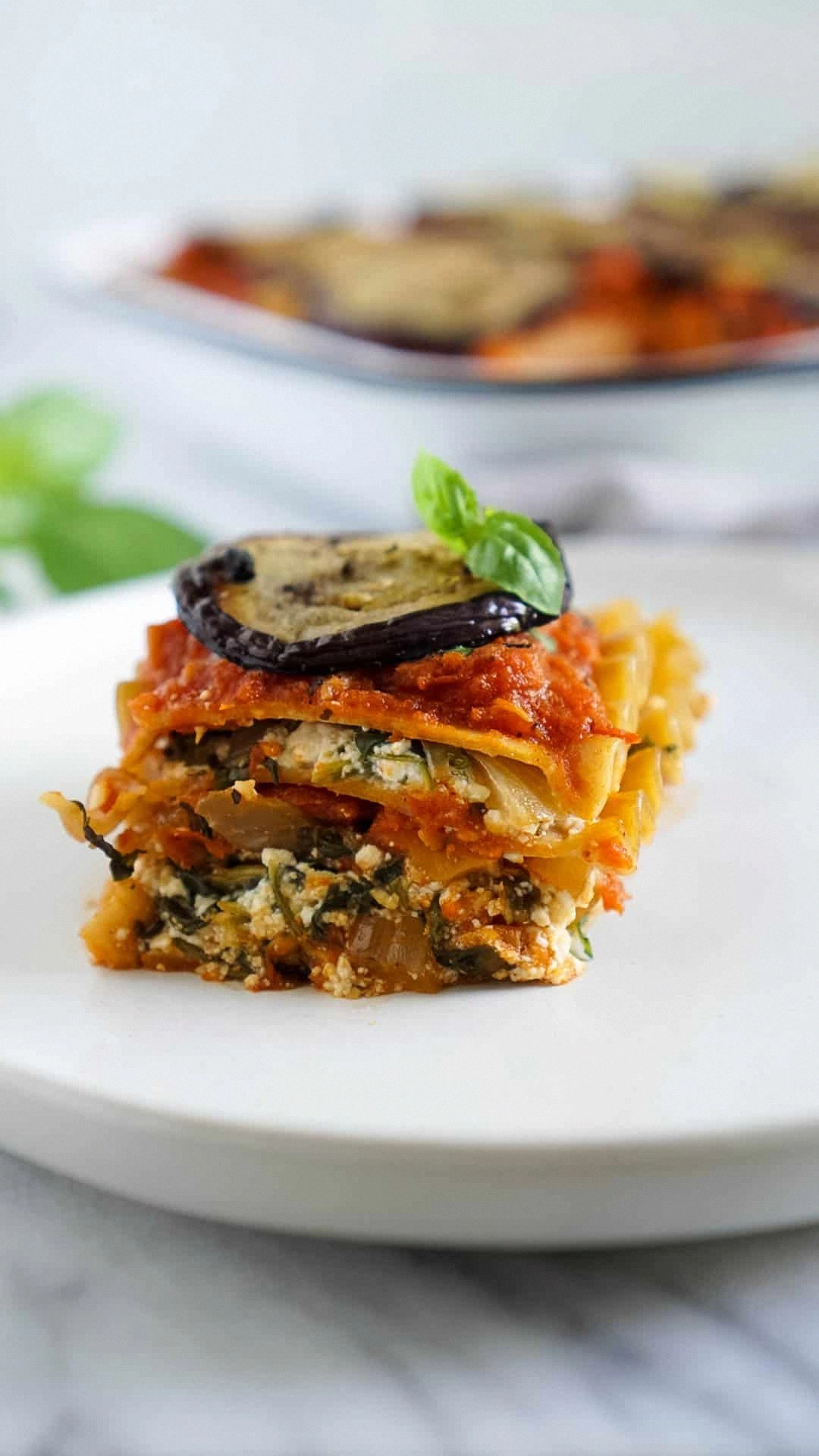
What makes this version stand out is not just the clever use of tofu as a protein source, but the way each component sings in harmony. The cashew cream adds a buttery richness that replaces dairy, while the roasted garlic hummus injects a punch of umami that keeps the layers from feeling flat. The spinach, though frozen, is thawed and squeezed to remove excess moisture, ensuring that the noodles stay firm and the sauce doesn’t become watery. The marinara sauce, simmered with bay leaf and basil, coats each noodle like velvet, and the final basil garnish provides a fresh, bright counterpoint. Together, these elements create a lasagna that feels indulgent yet light, a perfect balance that most recipes miss.
I’ve spent years experimenting with plant‑based lasagnas, and this one is hands down the best version you’ll ever make at home. It’s a dish that invites you to play, to tweak, and to revel in the joy of cooking. Picture yourself pulling this out of the oven, the whole kitchen smelling incredible, the steam curling like a cloud of savory perfume. The first bite will surprise you with layers of flavor, a gentle crunch from the fresh veggies, and a creamy, cheesy texture that feels like a hug in every mouthful. By the end of this guide, you’ll wonder how you ever made it any other way.
What Makes This Version Stand Out
- Flavor: The combination of roasted garlic hummus and cashew cream delivers a deep, savory base that rivals dairy cheese.
- Texture: Tofu is crumbled and blended with spinach, creating a silky, yet slightly grainy consistency that feels like a velvety sauce.
- Visual Appeal: Each layer is a canvas of color—green spinach, golden zucchini, deep purple eggplant, and the rich red marinara.
- Health: Packed with plant protein, fiber, and antioxidants, this lasagna is a nutrient powerhouse without the guilt.
- Convenience: The recipe can be prepped in advance; the noodles can be boiled ahead, and the sauce can simmer while you finish chopping.
- Flexibility: Swap out veggies or add a splash of nutritional yeast for extra umami, and the dish adapts effortlessly.
- Make‑Ahead Potential: Assemble the lasagna the night before, refrigerate, and bake in the morning for a quick dinner.
- Kid‑Friendly: The mild flavors and soft textures make it a hit with even the pickiest eaters.
Alright, let's break down exactly what goes into this masterpiece…
Inside the Ingredient List
The Flavor Base
The marinara sauce is the heart of this lasagna. It’s simmered with a bay leaf and fresh basil, which infuse the tomato base with aromatic depth. A pinch of salt and a splash of olive oil lift the sauce’s richness, allowing each bite to feel full-bodied. If you’re using a store‑bought sauce, let it reduce on low heat for 20 minutes to concentrate the flavors; this trick turns a bland jar into a gourmet sauce.
The Texture Crew
Tofu is the secret protein that replaces ricotta. I use 24 ounces of extra firm tofu, crumbled and blended with 1/2 cup cashews and 3 tablespoons roasted garlic hummus. This mixture becomes a creamy, cheese‑like filling that holds its shape when baked. Skipping tofu would leave the lasagna too watery; the tofu’s protein structure keeps the layers cohesive. For a vegan friend who prefers a stronger plant flavor, increase the cashew amount to 3/4 cup.
The Unexpected Star
Frozen spinach is the unsung hero that adds both nutrition and color. Thaw it, squeeze out the moisture, and sauté briefly in olive oil. The spinach’s earthiness balances the richness of the tofu mixture, while its bright green hue offers a pop of vibrancy against the red sauce. If fresh spinach is available, it works just as well—just make sure to squeeze out the water.
The Final Flourish
Fresh basil, chopped into small clusters, is sprinkled over the top before baking. The basil’s bright, peppery aroma releases during the bake, creating a fragrant finish that lingers on the palate. A squeeze of 1/2 lemon juice brightens the dish and cuts through the richness, giving each bite a clean, fresh finish. A bay leaf, left in the sauce, adds a subtle herbal undertone that deepens the flavor profile.
Everything's prepped? Good. Let's get into the real action…
The Method — Step by Step
- Preheat the oven to 375°F (190°C). While the oven is heating, bring a large pot of salted water to a boil and cook the lasagna noodles for 8 minutes until al dente. Drain and rinse under cold water to stop the cooking process. Pat the noodles dry with a towel; this prevents them from sticking together later. Place the noodles in a bowl and toss with a tablespoon of olive oil to keep them from clumping.
- In a large skillet, heat 2 tablespoons of olive oil over medium heat. Add the diced onion and sauté until translucent, about 4 minutes. Stir in the sliced zucchini, eggplant, and shiitake mushrooms. Cook until the vegetables are tender and slightly caramelized, about 8 minutes. The vegetables should emit a sweet, earthy aroma that makes the kitchen feel like a Mediterranean garden.
- While the veggies are cooking, prepare the tofu mixture. In a blender, combine the crumbled tofu, cashews, roasted garlic hummus, nutritional yeast, lemon juice, and 1/4 teaspoon salt. Blend until the mixture is silky smooth, with no visible chunks. If the blend is too thick, add a tablespoon of water to reach a spreadable consistency. This tofu cream will act as the “cheese” in this vegan lasagna.
- Add the tofu mixture to the skillet with the cooked vegetables. Stir gently to combine, ensuring the tofu cream coats every piece of veggie. Cook for an additional 3 minutes, letting the flavors meld. The mixture should feel slightly thick, not runny. This step is the moment of truth—don’t rush it.
- In a separate saucepan, pour the marinara sauce over medium heat. Add the bay leaf and a handful of fresh basil. Simmer for 10 minutes to allow the herbs to infuse the sauce. Remove the bay leaf before assembling the lasagna. The sauce should be rich, slightly thick, and ready to coat each noodle.
- Grease a 9x13 inch baking dish with a light coating of olive oil. Spread a thin layer of marinara sauce on the bottom. Layer 3 noodles over the sauce, then spread a third of the tofu‑veggie mixture over the noodles. Drizzle a thin stream of marinara sauce on top of the tofu layer. Repeat the layers twice more, finishing with noodles and a generous topping of marinara.
- Cover the dish tightly with foil and bake for 25 minutes. Remove the foil and bake an additional 10 minutes, or until the top is slightly browned and the edges are bubbling. The lasagna should emit a fragrant, savory steam that makes your mouth water. This is the moment you’ll feel the kitchen’s transformation from ordinary to extraordinary.
- Let the lasagna rest for 10 minutes after removing from the oven. This allows the flavors to settle and the layers to set, making it easier to cut clean slices. While it rests, sprinkle the fresh basil over the top for a burst of color and aroma. Slice with a sharp knife, and serve hot. The first bite should feel like a harmony of textures—soft noodles, creamy tofu, and crisp veggies—followed by a lingering, savory aftertaste.
That's it — you did it. But hold on, I've got a few more tricks that'll take this to another level…
Insider Tricks for Flawless Results
The Temperature Rule Nobody Follows
Most people bake their lasagna at 400°F, but lowering the temperature to 375°F ensures even cooking without burning the top. The gentle heat allows the tofu mixture to meld with the sauce, creating a cohesive, silky texture. I’ve tried 350°F and the noodles ended up too soft, while 400°F caused the edges to scorch. Stick to 375°F, and you’ll get that perfect golden crust.
Why Your Nose Knows Best
When the lasagna is baking, listen for the aroma that signals readiness. A strong, tomato‑basil scent that fills the kitchen is a good indicator that the layers are cooking through. If you notice a sharp, burnt smell, remove the foil early. Trust your nose—it’s the best judge of doneness.
The 5-Minute Rest That Changes Everything
After removing the lasagna from the oven, cover it loosely with foil and let it sit for 5–10 minutes. This rest period allows the tofu mixture to set and the flavors to marry. Cutting immediately will cause the layers to collapse. A short rest also lets the top surface firm up, making it easier to slice cleanly.
Keep the Noodles Al Dente
Al dente noodles hold up better during baking, preventing mushy textures. Boil the noodles for 8 minutes, then rinse under cold water. Pat them dry and lightly oil them to keep them from sticking. If you’re using fresh noodles, cook them for 1–2 minutes less than the package directions.
Use a Sauce with a Thick Consistency
A sauce that’s too thin will seep into the noodles, making the lasagna soggy. I recommend simmering the marinara for at least 10 minutes to reduce it. Adding a splash of tomato paste during the simmer can also thicken the sauce without altering the flavor profile.
Creative Twists and Variations
This recipe is a playground. Here are some of my favorite ways to switch things up:
Sun‑Drenched Tomato Variation
Swap the marinara for a roasted tomato sauce made with sun‑dried tomatoes, garlic, and a splash of balsamic. The sweet acidity will add a new dimension, making the lasagna feel lighter and brighter.
Almond‑Infused Cream
Replace cashews with blanched almonds for a nuttier flavor. Almonds also provide a slightly crunchy texture if you leave a few whole in the tofu mixture.
Spinach‑Only Veggie Layer
Eliminate zucchini and eggplant, focusing on spinach and mushrooms. This version is perfect for a low‑carb meal and offers a more intense earthy flavor.
Herb‑Rich Pesto Layer
Blend fresh basil, parsley, garlic, and olive oil into a pesto and swirl it between the tofu layers. The herbaceous burst elevates the dish to gourmet status.
Spicy Jalapeño Kick
Add sliced jalapeños to the vegetable mix for a fiery bite. The heat contrasts nicely with the creamy tofu, creating a balanced flavor profile.
Gluten‑Free Noodle Swap
Use gluten‑free lasagna sheets or spiralized zucchini ribbons if you’re avoiding gluten. The texture changes slightly, but the flavor remains unchanged.
Storing and Bringing It Back to Life
Fridge Storage
Cool the lasagna completely, then cover tightly with foil or plastic wrap. Store in the refrigerator for up to 3 days. When ready to eat, reheat in the oven at 350°F for 15 minutes, or microwave on high for 4 minutes, covering with a damp paper towel.
Freezer Friendly
Wrap the lasagna in foil, then place it in a freezer bag. Freeze for up to 2 months. Thaw overnight in the refrigerator before reheating. Reheat at 350°F for 20 minutes, or microwave on high for 5 minutes, then finish in the oven for 5 minutes to restore crispness.
Best Reheating Method
Add a splash of water to the bottom of the baking dish before reheating to keep the lasagna moist. Cover with foil and bake at 350°F until heated through. This trick prevents the tofu from drying out and keeps the noodles tender.