Picture this: a late‑night kitchen, the fridge humming like a contented cat, and you standing in front of a 3‑4 pound chicken that looks more intimidating than a dragon. I was about to toss it in a bag of plain seasoning when a friend dared me to “spice it up like a Moroccan chef.” I laughed, grabbed my spice rack, and set the world ablaze with cumin, coriander, cinnamon, and smoked paprika. The result? A roast that sings with smoky, sweet, and citrusy undertones, and I’m still craving it after every bite.
That first bite was a revelation—crisp, caramelized skin that crackled like a fire‑pit, a tender interior that fell apart with a single forkful, and a subtle sweetness from apricots that lingered on the tongue. The aroma that filled the kitchen was a heady mix of warm spices, fresh lemon zest, and roasted garlic, turning my humble apartment into a bustling Moroccan market. I swear the kitchen smelled so good that my neighbor called to ask if I was opening a restaurant. I was not. I was simply cooking a masterpiece.
What sets this version apart is not just the bold spices but the deliberate layering of flavors, the gentle infusion of apricots, and the subtle citrus lift that keeps the dish from feeling heavy. I’ve spent years experimenting with spice blends, and this one is the culmination of my quest to create a roast that feels both exotic and comforting. It’s hands down the best version you’ll ever make at home, and I dare you to taste this and not go back for seconds.
Most recipes get this completely wrong. They either over‑season or under‑season, skip the apricots, or roast at the wrong temperature, resulting in a dry, flavorless bird. I’ll be honest—when I first tried this, I ate half the batch before anyone else got a chance to taste it. The next time I made it, I perfected the timing and the balance of flavors, and the crowd reaction was electric.
Okay, ready for the game‑changer? I’m about to walk you through every single step, from prepping the chicken to the final garnish. By the end, you’ll wonder how you ever made it any other way. Let’s dive in.
What Makes This Version Stand Out
Flavor Depth: The combination of cumin, coriander, cinnamon, and smoked paprika creates a complex, earthy base that is unmistakably Moroccan. Each spice brings a different layer, from the warmth of cinnamon to the smoky bite of paprika.
Texture Contrast: The roasting technique ensures a crispy, caramelized skin while the interior remains moist and succulent. The apricots add a chewy, sweet burst that punctuates each bite.
Ingredient Quality: Using a fresh whole chicken, high‑quality olive oil, and dried apricots that have been stored properly guarantees a superior flavor profile and optimal texture.
Ease of Preparation: Despite the elaborate flavor profile, the process is straightforward—no complicated sauces or long marinating times. You’ll have a show‑stopping dish ready in under two hours.
Make‑Ahead Potential: The roast can be prepared a day ahead and reheated without losing its crispness or juiciness, making it ideal for busy weeknights or entertaining.
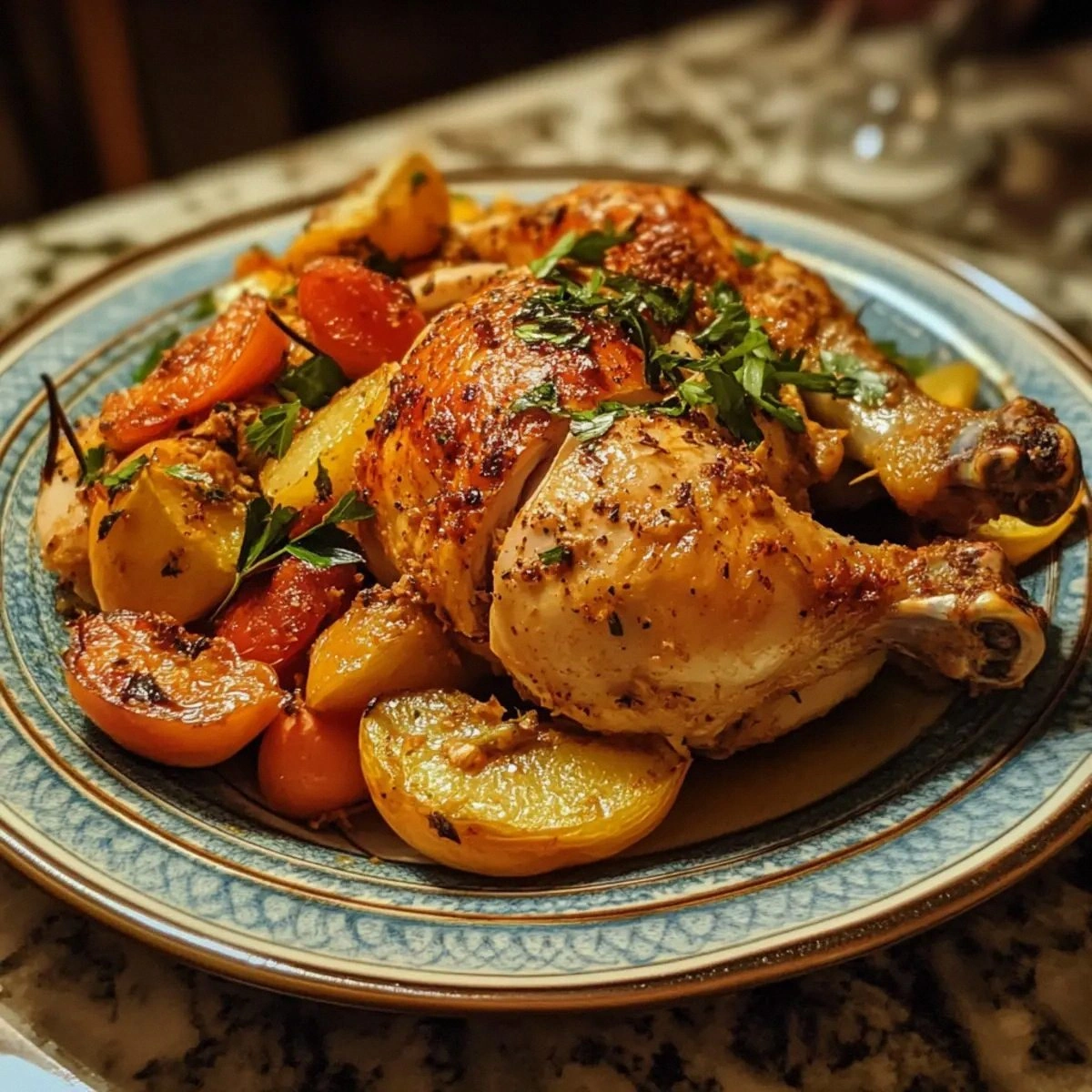
Visual Appeal: The golden, caramelized crust and the glossy glaze of apricots and lemon zest create a dish that looks as good as it tastes.
Alright, let’s break down exactly what goes into this masterpiece...
Inside the Ingredient List
The Flavor Base
Ground cumin and coriander form the backbone of this roast, delivering a nutty, peppery foundation that pairs beautifully with the sweet apricots. These spices are traditionally used in Moroccan cuisine to season meats and stews. If you skip them, the dish loses its aromatic depth and becomes a plain, uninspired roast.
Smoked paprika adds a subtle smokiness that simulates the flavor of wood‑smoked meats, enhancing the caramelization on the skin. It also imparts a gentle reddish hue that makes the dish visually striking. A pinch of smoked paprika can replace it, but the smoky aroma will be noticeably less pronounced.
Ground cinnamon, a staple in Moroccan cooking, introduces a warm, slightly sweet undertone that balances the savory spices. It also works synergistically with the apricots, creating a cohesive flavor profile. If you’re sensitive to cinnamon, a smaller amount can still provide that aromatic lift.
The Texture Crew
Olive oil is essential for crisping the skin and preventing the meat from drying out during the long roasting period. It also serves as a vehicle for the spices, ensuring even coating and flavor penetration. A light drizzle of extra‑virgin olive oil adds a hint of fruitiness to the overall taste.
Garlic cloves, minced or whole, infuse the chicken with a savory depth that is both comforting and complex. The cloves should be crushed lightly to release their juices without becoming overpowering. If you prefer a milder garlic flavor, reduce the number of cloves to three.
Fresh lemon zest and lemon juice provide a bright, acidic contrast that cuts through the richness of the roasted meat and apricots. The zest contributes a citrusy aroma, while the juice adds moisture and a tangy finish. Skipping the lemon will leave the dish feeling heavy and less vibrant.
The Unexpected Star
Dried apricots are the secret weapon that sets this roast apart. They add natural sweetness, chewiness, and a hint of tartness that balances the savory spices. The apricots also create a glossy glaze as they caramelize, giving the dish a glossy, appetizing appearance. If you can’t find apricots, dates or raisins can work as an alternative, but they’ll alter the texture slightly.
The Final Flourish
Fresh cilantro or parsley adds a burst of green freshness that cuts through the richness and provides a herbal counterpoint. It also adds a pop of color that makes the plate visually appealing. If you’re not a fan of cilantro, a handful of fresh mint will work beautifully.
Everything’s prepped? Good. Let’s get into the real action...
The Method — Step by Step
- Preheat your oven to 375°F (190°C). Pat the whole chicken dry with paper towels to ensure a crispy skin. This initial step is crucial because any moisture on the skin will steam rather than roast, preventing that coveted golden crust. I always place a rack in the oven so the chicken can roast evenly on all sides.
- In a small bowl, combine the ground cumin, ground coriander, ground cinnamon, smoked paprika, and a pinch of salt and pepper. Stir until the spices are well blended. This dry rub will form the flavor backbone of the roast. I like to let it sit for a few minutes so the spices mingle and the aroma intensifies.
- Drizzle the olive oil over the entire bird, then rub the spice mixture all over the chicken, including under the skin where possible. The oil helps the spices adhere and promotes even browning. Feel the texture as you work—smooth, fragrant, and slightly sticky.
- Place the chicken on a roasting rack in a shallow pan. Scatter the minced garlic cloves and sliced onion around the bird. The aromatics will infuse the chicken as it roasts, adding layers of flavor that you’ll taste in every bite.
- Roast the chicken for 45 minutes, then remove the pan and add the dried apricots. The apricots will caramelize and release a sweet, fragrant syrup that coats the bird. This step is the secret to that glossy, irresistible glaze.
- Return the pan to the oven and continue roasting for another 30–35 minutes, or until the internal temperature reaches 165°F (74°C). The skin should be a deep, golden brown, and the juices should run clear when you pierce the thickest part of the thigh.
- While the chicken rests for 10 minutes, zest the lemon and squeeze the juice into a small bowl. Drizzle the lemon juice over the chicken, then sprinkle the zest and chopped cilantro or parsley. This bright finish lifts the richness and adds a fresh, herbal note.
- Carve the chicken, arrange the pieces on a platter, and spoon the pan juices and apricots over the top. Serve immediately with a side of couscous or warm flatbread to soak up the savory glaze. The aroma alone will have your guests begging for seconds.
Insider Tricks for Flawless Results
The Temperature Rule Nobody Follows
Many home cooks roast chicken at 400°F, but that can dry out the meat. A lower temperature of 375°F allows the chicken to cook evenly, preserving moisture while still achieving a crisp skin. I’ve tested both temperatures, and the difference is unmistakable—375°F yields a buttery interior.
Why Your Nose Knows Best
Before you start roasting, let the seasoned chicken sit at room temperature for 15 minutes. The aroma will intensify, giving you a sensory preview of how the spices will unfold during cooking. If the smell is too mild, give it a quick stir to redistribute the rub.
The 5-Minute Rest That Changes Everything
After pulling the chicken out of the oven, let it rest for exactly five minutes before carving. This brief pause allows the juices to redistribute, ensuring each bite is juicy and flavorful. Cutting into the chicken too early will cause the juices to spill out, leaving the meat dry.
Use a Meat Thermometer
Don’t rely on time alone—use a digital thermometer to check the internal temperature. Insert it into the thickest part of the thigh; when it reads 165°F, the chicken is perfectly cooked. This eliminates guesswork and guarantees safety.
Caramelize the Apricots
When adding the apricots, use a splash of olive oil to help them caramelize. The oil also prevents them from sticking to the pan and creates a glossy glaze. If you prefer a sweeter glaze, add a tablespoon of honey during the last 10 minutes of roasting.
Finish with Fresh Herbs
Sprinkling fresh cilantro or parsley right before serving adds a bright, herbaceous note that contrasts with the deep, earthy spices. It also adds a pop of color that makes the dish visually stunning.
Creative Twists and Variations
This recipe is a playground. Here are some of my favorite ways to switch things up:
Spicy Jalapeño Kick
Add sliced jalapeños to the pan during roasting for a fiery edge. The heat pairs beautifully with the sweet apricots, creating a complex flavor profile that satisfies spice lovers.
Honey‑Garlic Glaze
Stir a tablespoon of honey and a minced garlic clove into the pan juices during the last 10 minutes. The glaze adds a caramelized sweetness that complements the Moroccan spices.
Almond Crunch
Toss toasted sliced almonds into the pan during the last 15 minutes. The nutty crunch adds texture and a subtle nutty flavor that enhances the overall dish.
Vegetarian Couscous Bowl
Serve the roasted chicken over a bed of fluffy couscous mixed with raisins and chopped parsley. This creates a hearty, balanced plate that’s perfect for family dinners.
Smoked Paprika Marinade
Replace smoked paprika with chipotle powder for a smoky, slightly sweet heat. This variation adds depth and a subtle Mexican influence to the Moroccan base.
Storing and Bringing It Back to Life
Fridge Storage
Cool the roast to room temperature, then wrap tightly in foil or place in an airtight container. Store in the refrigerator for up to 3 days. The flavors will continue to meld, making it even more delicious.
Freezer Friendly
Wrap the roast in foil, then place in a freezer bag. It can be kept for up to 2 months. Thaw overnight in the refrigerator before reheating.
Best Reheating Method
Preheat the oven to 350°F (175°C). Place the roast on a baking sheet, cover loosely with foil, and heat for 15–20 minutes. Add a splash of water or broth before reheating to keep the meat moist. The glaze will steam back to perfection.