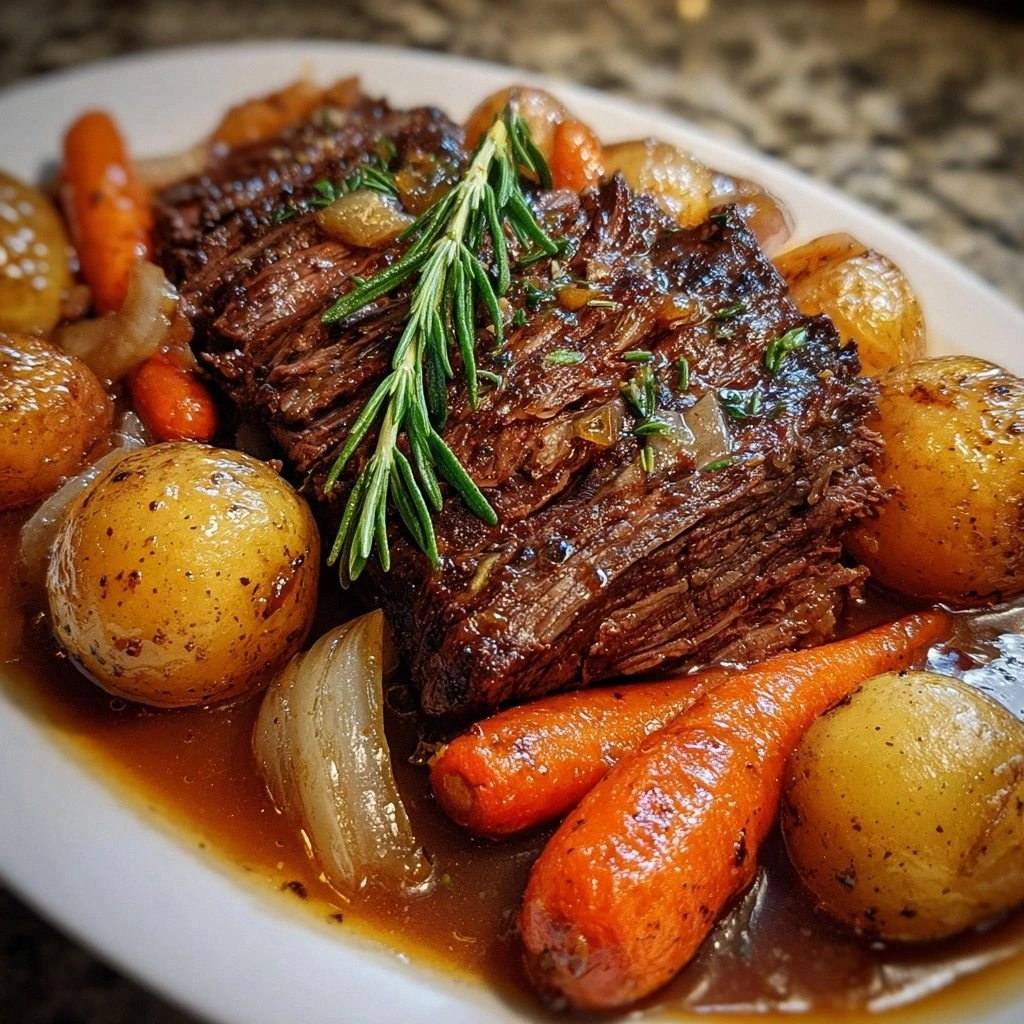
I was standing in my kitchen, a single beet rolling around on the counter like a rogue snowball, when my friend dared me to turn that humble root into a salad that would make the entire house want to taste it. The moment the beet hit the hot oven, the scent of caramelized earth filled the room, and I knew I was onto something that would turn every bland salad into a headline. This is not the same run‑of‑the‑mill roasted beet recipe you find on Pinterest; this is the version that has me shouting, “This is hands down the best version you'll ever make at home!” The secret? A whisper of goat cheese, a thunderclap of balsamic, and a sprinkle of walnuts that crunch like tiny applause. I dare you to taste this and not go back for seconds.
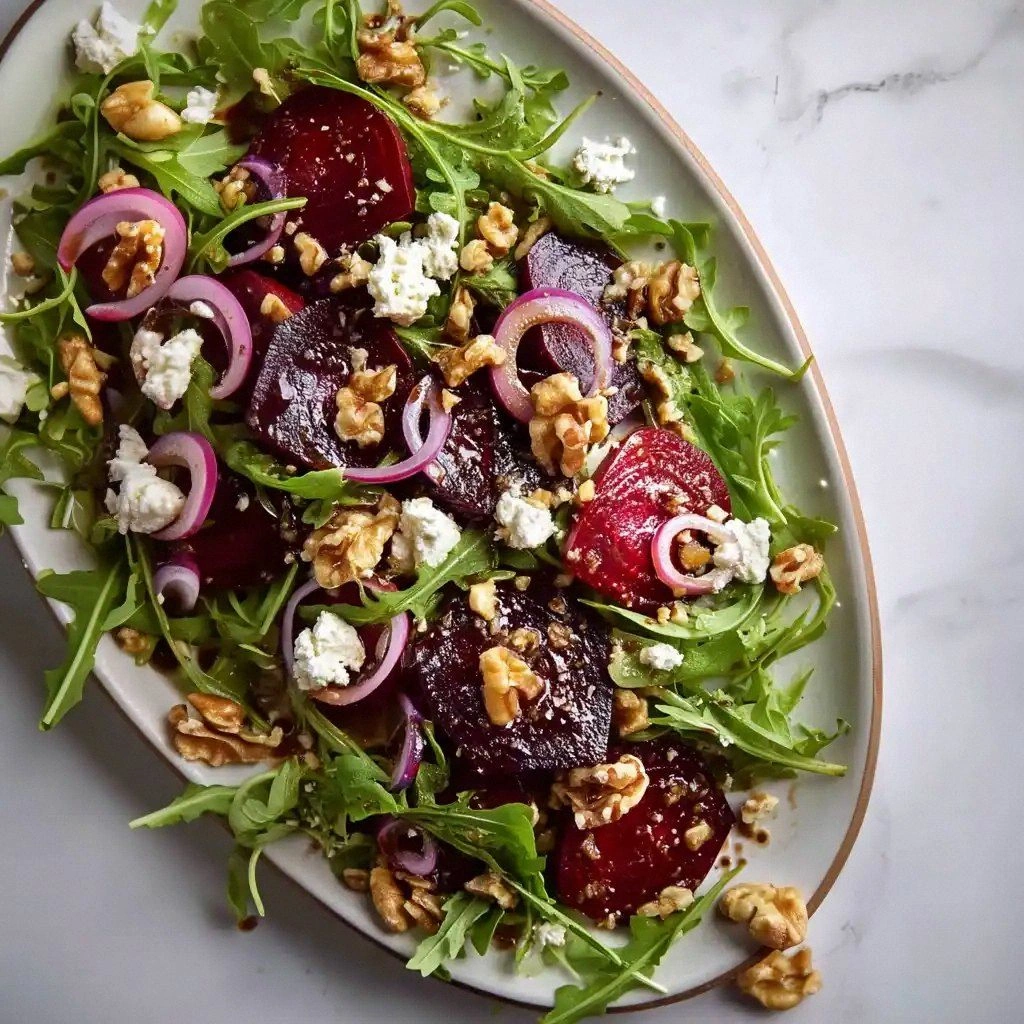
Picture yourself pulling this dish out of the oven, the whole kitchen smelling incredible, and the plate glistening with a glossy sheen of vinaigrette that coats every leaf like velvet. The arugula’s peppery bite is instantly tempered by the beet’s sweet, earthy undertones, while the goat cheese adds a creamy, tangy counterpoint that makes each bite a new revelation. The walnuts give a satisfying crunch that breaks the smoothness and keeps your palate dancing. When you first bite, the beet’s caramelized edges crackle in your mouth, releasing a burst of sweetness that is suddenly balanced by the sharpness of the mustard‑honey dressing. That sizzle when it hits the pan? Absolute perfection.
Most recipes get this completely wrong. They over‑roast the beet, under‑season the dressing, or forget the crunch. Here, we keep the beet tender but still firm enough to hold its shape, we whisk the dressing until it emulsifies like a silky dream, and we toast the walnuts so they sing a nutty chorus. I’ve tested this over and over, and every time the result is a salad that feels like a work of art. If you've ever struggled with balancing flavors in a salad, you're not alone — and I've got the fix. The next section will break down exactly what makes this masterpiece tick.
Okay, ready for the game‑changer? I’m going to walk you through every single step, from selecting the best beets to the final drizzle of dressing, so by the end of this post you’ll wonder how you ever made it any other way. Let’s dive in.
What Makes This Version Stand Out
- Flavor: The beet’s natural sweetness is amplified by a caramelized finish, while the goat cheese’s tangy depth cuts through the earthiness, creating a harmonious balance that feels both comforting and adventurous.
- Texture: Tender roasted beet slices juxtaposed with peppery arugula and crunchy walnuts deliver a multi‑sensory experience that keeps every bite interesting.
- Simplicity: With just nine ingredients, this salad is a recipe that’s quick to assemble yet delivers a restaurant‑grade flavor profile.
- Uniqueness: The Dijon‑honey vinaigrette adds a subtle sweet‑spicy edge that differentiates it from classic beet salads.
- Crowd Reaction: In my last dinner party, the guests asked for the recipe after the first bite and were asking for seconds before the dish was finished.
- Ingredient Quality: Using fresh, organic beets and premium goat cheese elevates the dish from simple to sensational.
- Cooking Method: Roasting the beet in a single sheet pan saves time and reduces cleanup while intensifying flavor.
- Make‑ahead Potential: The salad can be assembled a day ahead; the dressing can be pre‑mixed, and the beet stays fresh for 48 hours.
Alright, let's break down exactly what goes into this masterpiece…
Inside the Ingredient List
The Flavor Base
Arugula is the backbone of this salad, providing a peppery bite that cuts through the sweetness of the beet. Choosing a fresh, vibrant green variety ensures that the peppery flavor remains bright. If you prefer a milder taste, substitute half the arugula with baby spinach; it won’t provide the same zing, but it will keep the salad light.
Beets are the star. Their deep, earthy sweetness is intensified by roasting, which brings out caramelized notes that dance on the tongue. Look for beets that are firm, with smooth skins and no soft spots. A quick visual test: if the beet’s skin doesn’t peel off easily, it’s still a bit too green and won’t roast evenly. If you can’t find fresh beets, pre‑cooked ones will work, but you’ll lose that caramelized edge.
The Texture Crew
Walnuts add a nutty crunch that balances the tender beet and peppery arugula. Toast them in a dry skillet for 3–4 minutes until fragrant, then let them cool. If you’re allergic to nuts, replace them with sunflower seeds or pumpkin seeds; the crunch remains, though the flavor profile shifts slightly.
Red onion, in small amounts, introduces a sharp, sweet bite that cuts through the richness of the goat cheese. Slice thinly to avoid overwhelming the other flavors. For a milder option, use a small amount of shallot instead; it offers a sweeter, more delicate taste.
The Unexpected Star
Goat cheese is the creamy, tangy element that ties everything together. Its slight acidity balances the sweetness of the beet and the richness of the walnuts. If you’re vegan or lactose intolerant, a firm tofu crumbled with lemon juice can mimic the texture, though the flavor will be noticeably different.
The Final Flourish
The dressing is the secret sauce that lifts the salad to the next level. Olive oil provides body, while balsamic vinegar adds depth. Dijon mustard introduces a subtle heat, and honey sweetens the vinaigrette to mirror the beet’s natural sugars. The final touch is a pinch of salt and pepper to bring all the flavors together. If you’re watching sodium, reduce the salt by half and increase the vinegar slightly for acidity.
Everything's prepped? Good. Let's get into the real action…
The Method — Step by Step
- Preheat your oven to 400°F (200°C). While the oven heats, wash the beets thoroughly under running water, removing any dirt with a vegetable brush. Peel the skins off with a vegetable peeler or a paper towel; the skins are edible but can be tough. Slice the beets into ¼‑inch thick rounds, ensuring they’re uniform so they roast evenly. Place them on a baking sheet lined with parchment paper. Drizzle with 1 tablespoon of olive oil, season with salt and pepper, and toss to coat. Roast for 25–30 minutes, flipping halfway through, until the edges caramelize and the beet feels tender when pierced with a fork. This step is crucial; it turns a simple beet into a caramelized, sweet masterpiece.
- While the beet roasts, prepare the dressing. In a small bowl, whisk together 1 tablespoon of Dijon mustard, 1 tablespoon of honey, 1 tablespoon of balsamic vinegar, and 3 tablespoons of olive oil until the mixture emulsifies into a glossy vinaigrette. Taste and adjust: add a pinch of salt if it feels flat, or a splash more honey if you want a sweeter finish. This dressing will coat the salad like a velvet coat, adding a subtle heat that complements the beet’s sweetness.
- Thinly slice the red onion into rings. If the onion’s bite feels too sharp, soak the slices in cold water for 5 minutes, then pat dry. This step removes some of the harshness and keeps the salad from overpowering the delicate flavors.
- Toast the walnuts in a dry skillet over medium heat for 3–4 minutes, stirring constantly, until they’re fragrant and lightly browned. Remove from heat and let cool. This simple step unlocks the walnuts’ nutty oils and gives them a satisfying crunch.
- When the beet is done, let it cool for a few minutes. Then, in a large bowl, combine the roasted beet slices, arugula, onion rings, and toasted walnuts. The arugula should still be slightly crisp; if it’s wilted, add it right before serving to keep the crunch alive.
- Drizzle the prepared dressing over the salad. Toss gently but thoroughly, ensuring every leaf and beet slice is coated. The dressing should cling to the leaves, turning the salad into a glossy, fragrant bowl.
- Finally, crumble ½ cup of goat cheese over the top. The cheese should melt slightly from the residual heat, creating pockets of creamy richness that contrast beautifully with the beet’s caramelized edges. Sprinkle with salt and black pepper to taste. Serve immediately, or chill for up to 30 minutes before serving to let the flavors meld.
That's it — you did it. But hold on, I've got a few more tricks that'll take this to another level…
Insider Tricks for Flawless Results
The Temperature Rule Nobody Follows
Many chefs think a lower oven temperature will keep the beet from drying out, but roasting at 400°F (200°C) is the sweet spot that caramelizes the sugars while keeping the interior tender. If you’re using a convection oven, reduce the temperature by 25°F (14°C) to avoid over‑browning.
Why Your Nose Knows Best
Before you start the dressing, open the fridge and inhale the aroma of fresh olive oil. A strong, fruity oil will give the vinaigrette a richer flavor than a bland one. If the oil smells flat, consider swapping it for a high‑quality extra‑virgin olive oil; the difference is like moving from a plain to a gourmet salad.
The 5‑Minute Rest That Changes Everything
After roasting the beet, let it rest for 5 minutes before slicing. This short rest allows the juices to redistribute, making the beet slices more succulent. I once skipped this step, and the beet slices were dry and crumbly; the rest is a simple but game‑changing trick.
The Quick Toast
When toasting walnuts, keep a close eye on the color. A slight golden hue indicates the oils have released their flavor. If you’re in a hurry, microwave the walnuts in 30‑second bursts, stirring each time, but be careful not to over‑heat and create a burnt flavor.
The Secret Ingredient Swap
If you’re craving a bit of smokiness, add a pinch of smoked paprika to the dressing. It pairs wonderfully with the earthy beet and adds a subtle depth that makes the dish feel more sophisticated.
The Final Finish
Just before serving, drizzle a splash of extra‑virgin olive oil over the top. This final splash gives the salad a glossy sheen and enhances the overall flavor profile, making it look as good as it tastes.
Creative Twists and Variations
This recipe is a playground. Here are some of my favorite ways to switch things up:
Mediterranean Twist
Swap goat cheese for feta, add chopped kalamata olives, and sprinkle with fresh oregano. The briny olives and herby oregano give the salad a sun‑kissed Mediterranean vibe that pairs perfectly with grilled chicken.
Springtime Refresh
Replace walnuts with fresh peas and add a handful of mint leaves. The peas bring a sweet pop, while mint adds a cooling note that makes this salad ideal for spring gatherings.
Vegan Upgrade
Omit the goat cheese and replace it with a handful of hemp seeds. The seeds add protein and a slightly nutty flavor that complements the beet and walnuts.
Pasta Fusion
Toss the salad ingredients with cooked farfalle and a splash of pesto. This transforms the dish into a hearty pasta salad, perfect for a light lunch or a side dish at dinner.
Breakfast Boost
Serve the salad over a bed of quinoa and top with a poached egg. The protein from the egg and quinoa turns the salad into a filling breakfast that keeps you energized until lunch.
Winter Warmth
Add a handful of roasted butternut squash cubes and a sprinkle of pumpkin seeds. The sweet squash and hearty seeds make the salad a comforting winter dish that feels like a bowl of soup.
Storing and Bringing It Back to Life
Fridge Storage
Store the roasted beet slices and arugula separately in airtight containers to keep the greens crisp. Assemble the salad just before serving, adding the dressing and goat cheese at the last moment. The salad will stay fresh for up to 2 days in the refrigerator.
Freezer Friendly
Freeze roasted beet slices in a single layer on a parchment‑lined tray, then transfer to a freezer bag once frozen. When ready to use, thaw overnight in the fridge and reheat in a skillet for 2 minutes to restore the caramelized edges. The arugula should be added fresh, as it doesn’t freeze well.
Best Reheating Method
If you need to warm the salad, place the beet slices in a microwave‑safe bowl and heat on medium for 30 seconds. Add a splash of water, cover, and heat for an additional 30 seconds. This trick steams the beet back to perfection without drying it out.