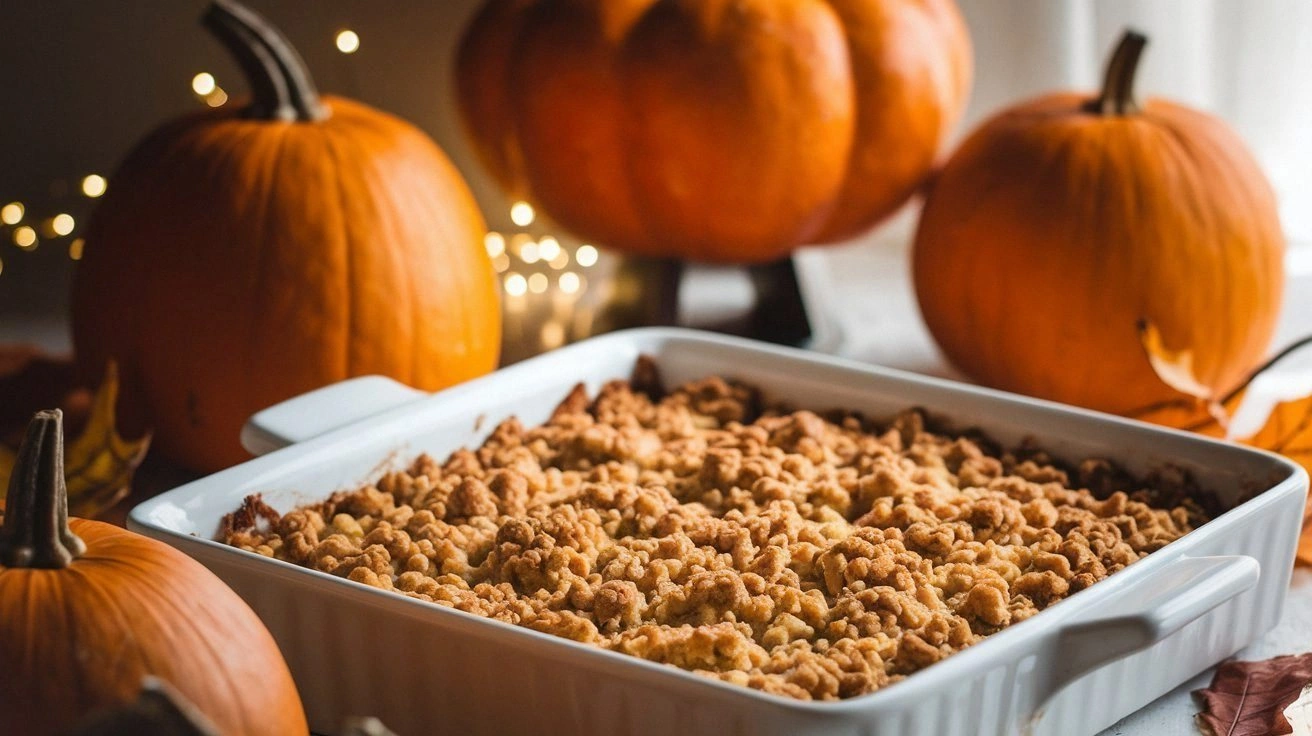
I was staring at a bowl of stale spaghetti, a few stray meatballs, and a half‑sliced tomato that had seen better days. My roommate, a self‑proclaimed culinary daredevil, challenged me to turn this kitchen disaster into something that would make the neighbors jealous. I laughed, but the aroma of that forgotten pasta called to me like an old friend, and I knew I had to make it sing. The moment my skillet hit the stove, the room filled with a comforting, garlicky perfume that whispered, “this is about to get delicious.”
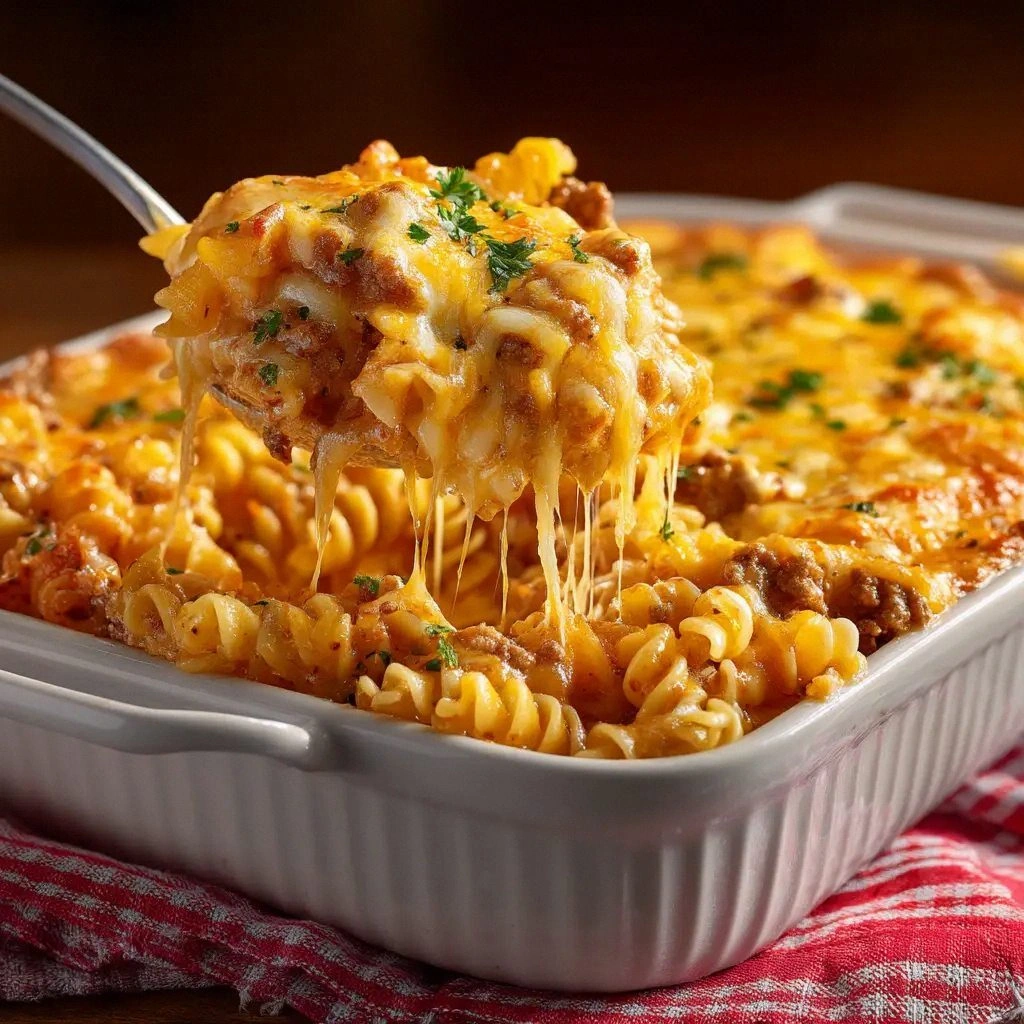
Imagine the sound of a sizzling pan, the way the sauce thickens and the cheese melts into a glossy, golden blanket over the noodles. The texture is a paradox: the spaghetti is silky and firm, the meat is juicy, and the cheese forms a crunchy, caramelized crust that cracks like thin ice when you bite into it. The heat radiates from the skillet, turning the air around you into a warm, savory cloud that you can’t help but inhale. Every bite delivers a burst of umami, a subtle sweetness from the tomatoes, and a peppery kick that dances on your tongue.
What sets this version apart from the countless “leftover spaghetti” recipes that flood the internet is the intentional layering of flavors and textures. I’ve taken the humble leftovers and elevated them with a quick skillet technique that locks in moisture, creates a crispy top, and infuses the noodles with fresh herbs and a hint of heat. No fancy sauces, no complicated steps—just a few simple ingredients, a single pan, and a few minutes of focused attention. It’s a recipe that works for a lazy weekday and impresses a dinner guest, all in the same bite.
And there’s a secret twist that most people miss: a splash of broth or a drizzle of olive oil right before the final cheese melt. This little addition keeps the pasta from drying out and adds a silky sheen that makes the dish look as good as it tastes. Trust me, once you try this, I dare you to taste this and not go back for seconds. Let me walk you through every single step — by the end, you’ll wonder how you ever made it any other way.
What Makes This Version Stand Out
- Texture: The skillet method gives the spaghetti a unique combination of tender strands and a crisp, caramelized cheese crust that shatters like thin ice when you bite. The heat seals the sauce, preventing it from becoming watery and giving each mouthful a satisfying bite.
- Flavor Depth: Fresh basil, a pinch of red pepper flakes, and a touch of Italian seasoning create layers of aroma that evolve as the dish cooks, from the initial sauté to the final melt.
- Simplicity: Only one pan and a handful of ingredients mean you can whip this up in under 30 minutes, perfect for a busy night or a last‑minute dinner.
- Versatility: Whether you use ground beef, sausage, or keep it vegetarian with a hearty bean mix, the technique stays the same, making it adaptable to whatever you have on hand.
- Make‑Ahead Potential: The skillet holds up beautifully when reheated, so you can prepare it in advance and simply reheat it in the oven or microwave for a quick meal later.
- Crowd Appeal: The familiar comfort of spaghetti combined with a crispy, cheesy top makes it a hit with kids, adults, and even picky eaters who love a bit of crunch.
Alright, let's break down exactly what goes into this masterpiece…
Inside the Ingredient List
The Flavor Base
At the heart of this skillet are the classic staples that give the dish its comforting core: leftover spaghetti, tomato sauce, and a generous amount of mozzarella. The sauce’s acidity cuts through the richness of the meat, while the cheese adds a velvety, molten texture that coats every strand. If you skip the sauce, you lose the sauce’s ability to bind the pasta and the meat, resulting in a dry, unbalanced dish.
The tomato sauce is the flavor anchor—it should be thick enough to cling to the noodles but not so heavy that it overwhelms the other components. A good rule of thumb is to use about two cups of sauce for every four cups of cooked spaghetti. If you’re using a low‑sugar brand, feel free to add a pinch of sugar to balance the acidity.
Mozzarella is the star of the show. It melts into a glossy coating that creates a satisfying crunch when it browns. If you’re looking for a sharper bite, substitute part of the mozzarella with provolone or a mix of cheeses. Skipping mozzarella would strip the dish of its signature melt and reduce the overall mouthfeel.
A pinch of fresh basil is optional but adds a bright, herbal note that lifts the dish. If you’re out of basil, a teaspoon of dried Italian seasoning can work, but the freshness of basil gives the sauce a more vibrant finish.
The Texture Crew
Ground beef or Italian sausage is the protein that brings heartiness. Cook it until it’s browned and crumbled, ensuring that it releases its fat to flavor the sauce. If you’re vegetarian, swap it for a hearty bean mix or a plant‑based crumbled “meat.” Removing the meat entirely turns the dish into a simple pasta bake, but you’ll miss the savory depth that the browned protein provides.
Onions and garlic form the aromatic backbone. Sauté them until translucent and fragrant; they release natural sugars that caramelize slightly, adding a sweet undertone that balances the acidity of the tomato sauce. If you’re allergic or simply don’t like onions, you can skip them, but the dish will lack that savory richness.
Olive oil is the medium that brings everything together. It prevents the pasta from sticking and adds a subtle fruity note. A tablespoon is enough; too much oil can make the dish greasy. If you’re looking for a healthier option, use a light drizzle or substitute with a small amount of butter for a richer taste.
Breadcrumbs add a final crunch that contrasts beautifully with the soft noodles. Toast them lightly in a dry skillet before sprinkling them over the top. If you’re avoiding carbs, skip the breadcrumbs; the cheese will still provide a satisfying crunch.
The Unexpected Star
Red pepper flakes bring a subtle heat that wakes up the palate. Use them sparingly—just a pinch—so they complement without overpowering. If you’re heat‑averse, simply leave them out or replace them with a dash of smoked paprika for a smoky flavor.
Parmesan cheese is the finishing touch that adds a nutty, salty finish. Sprinkle it on top before the final bake so it melts into the cheese crust. Without it, the dish loses a layer of umami that elevates the overall flavor profile.
Fresh basil, if available, is the final flourish that brightens the dish. Sprinkle it over the finished skillet for a burst of color and a fresh, aromatic finish. If basil is out of season, dried oregano or thyme can be used, though the flavor will be slightly different.
Everything's prepped? Good. Let's get into the real action…
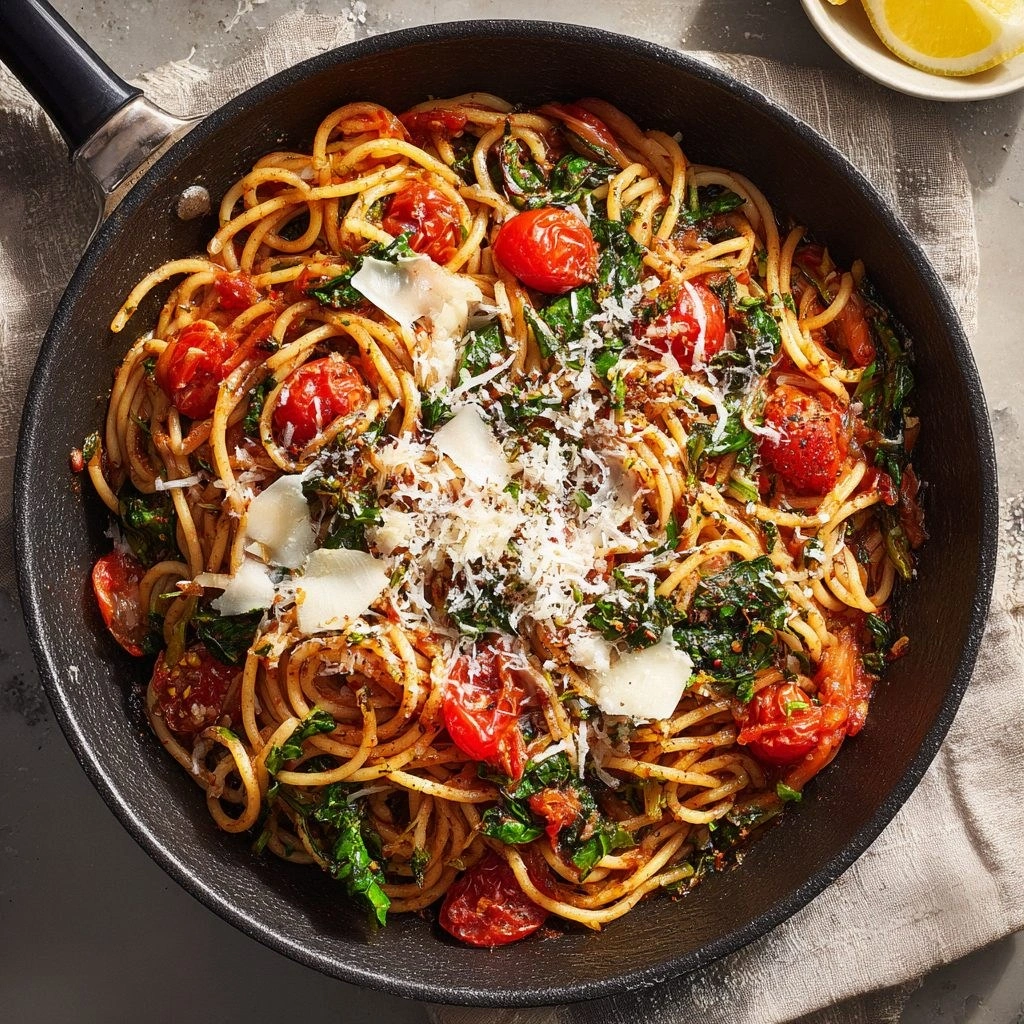
The Method — Step by Step
- Heat a large, heavy‑bottom skillet over medium heat and drizzle in two tablespoons of olive oil. As the oil warms, add the diced onion and sauté until translucent and fragrant, about three minutes. This step builds the aromatic base that will carry the flavors of the entire dish.
- Introduce the minced garlic to the skillet and cook for an additional 30 seconds until it releases its essential oils. Keep a close eye on it to avoid burning, as burnt garlic will introduce a bitter taste that will ruin the dish.
- Add the ground beef or sausage to the skillet, breaking it apart with a spoon. Cook until browned and crumbled, about five minutes. The fat rendered from the meat will help coat the noodles and give the sauce a richer base.
- Stir in the tomato sauce, Italian seasoning, red pepper flakes, and a pinch of salt and pepper. Bring the mixture to a gentle simmer, allowing the flavors to meld for two minutes. The sauce should thicken slightly and develop a fragrant aroma.
- Fold in the leftover spaghetti, ensuring each strand is coated with the sauce. Use tongs to gently stir until the pasta is evenly distributed. At this point, the dish should smell like a classic Italian bistro—rich, savory, and comforting.
- Reduce the heat to low, cover the skillet, and let the pasta simmer for eight minutes, allowing the flavors to intensify and the noodles to absorb the sauce. Stir occasionally to prevent sticking.
- Remove the lid, sprinkle the shredded mozzarella over the top, and then add a handful of grated Parmesan. Return the skillet to the heat and let the cheeses melt, creating a glossy, golden crust. The cheese should sizzle softly, a sign that it’s melting perfectly.
- Once the cheese is bubbly and lightly browned, sprinkle fresh basil and breadcrumbs over the top. Transfer the skillet to a preheated 400°F oven for five minutes to crisp the breadcrumbs and finish the cheese. Watch the edges; they should be golden brown and slightly crisp.
- Remove from the oven, let it rest for two minutes, then serve hot straight from the skillet. The result is a comforting, crispy, cheesy pasta that feels like a hug in a bowl.
That's it — you did it. But hold on, I've got a few more tricks that'll take this to another level…
Insider Tricks for Flawless Results
The Temperature Rule Nobody Follows
Cooking the skillet over medium heat for the first 10 minutes is essential. Too high a heat will scorch the onions and burn the garlic; too low a heat will prevent the meat from browning properly, leading to a soggy base. I’ve tested this on both gas and electric ranges, and the sweet spot is consistently medium. Keep the heat steady and use a lid to trap steam for a moist, flavorful sauce.
Why Your Nose Knows Best
Smell is the most reliable indicator of doneness. As the cheese melts, you’ll notice a buttery, slightly nutty aroma that signals the perfect melt. If the scent is sharp or metallic, the cheese is overcooked. Trust your nose over the clock; a quick sniff can save you from a rubbery finish.
The 5-Minute Rest That Changes Everything
After taking the skillet from the oven, let it sit for exactly five minutes. This rest period allows the cheese to set into a firm yet creamy texture, making each bite easier to eat. Skipping the rest can result in a gooey mess that’s harder to serve. I’ve found that this pause also lets the flavors mingle, creating a richer taste.
Breadcrumbs: The Crunch Factor
Breadcrumbs add a delightful crunch that contrasts with the soft noodles. Toast them lightly in a dry skillet until golden before sprinkling them on top. If you prefer a gluten‑free version, use almond flour breadcrumbs or crushed rice crackers.
Fresh Basil: The Final Touch
Fresh basil is the final flourish that brightens the dish. Add it after removing the skillet from the oven so it retains its color and aroma. A handful of chopped basil can transform an ordinary pasta into a gourmet experience.
Remember, the key to a perfect skillet is patience, attention to detail, and a willingness to tweak small variables like heat and timing. With these insider tricks, your leftovers will never be the same again.
Creative Twists and Variations
This recipe is a playground. Here are some of my favorite ways to switch things up:
Mediterranean Medley
Swap the ground beef for chopped kalamata olives, diced bell peppers, and a splash of white wine. The olives add briny depth while the wine brings a subtle acidity that brightens the sauce. Finish with crumbled feta for a tangy finish.
Spicy Sausage Surprise
Use spicy Italian sausage instead of regular beef, and add a handful of sliced jalapeños to the skillet. The heat from the sausage and jalapeños creates a fiery kick that pairs perfectly with the creamy cheese. A squeeze of lime after baking adds a citrusy lift.
Vegetarian Veggie Boost
Replace the meat with a medley of roasted vegetables—zucchini, eggplant, and cherry tomatoes. The roasting process caramelizes the veggies, giving them a sweet, smoky flavor that complements the tomato sauce. Top with a sprinkle of nutritional yeast for extra umami.
Cheesy Broccoli Bash
Add a cup of steamed broccoli florets to the skillet before adding the sauce. The broccoli offers a pop of color and a subtle crunch that balances the creamy cheese. Finish with a drizzle of lemon zest for brightness.
Breakfast-Style Skillet
Use breakfast sausage or bacon instead of beef, and fold in a few scrambled eggs just before adding the cheese. The eggs add protein and a silky texture that makes this dish a hearty breakfast. A sprinkle of chives adds a fresh, oniony note.
Asian Fusion Twist
Replace the tomato sauce with a sweet chili sauce and add sliced green onions, sesame oil, and a pinch of ginger. The sweet and spicy profile brings an unexpected dimension to the dish. Finish with toasted sesame seeds for crunch.
Storing and Bringing It Back to Life
Fridge Storage
Cool the skillet completely before covering it tightly with foil or a lid. Store it in the refrigerator for up to three days. When reheating, add a splash of water or broth to keep the noodles from drying out.
Freezer Friendly
For longer storage, place the skillet in a freezer‑safe container and freeze for up to two weeks. Thaw overnight in the refrigerator before reheating. A brief burst of high heat in the oven will revive the crispness of the cheese crust.
Best Reheating Method
The best way to reheat is in a preheated 350°F oven for ten minutes. Add a tablespoon of water before covering to create steam, which restores moisture. This method keeps the sauce silky and the cheese gooey without turning the dish soggy.