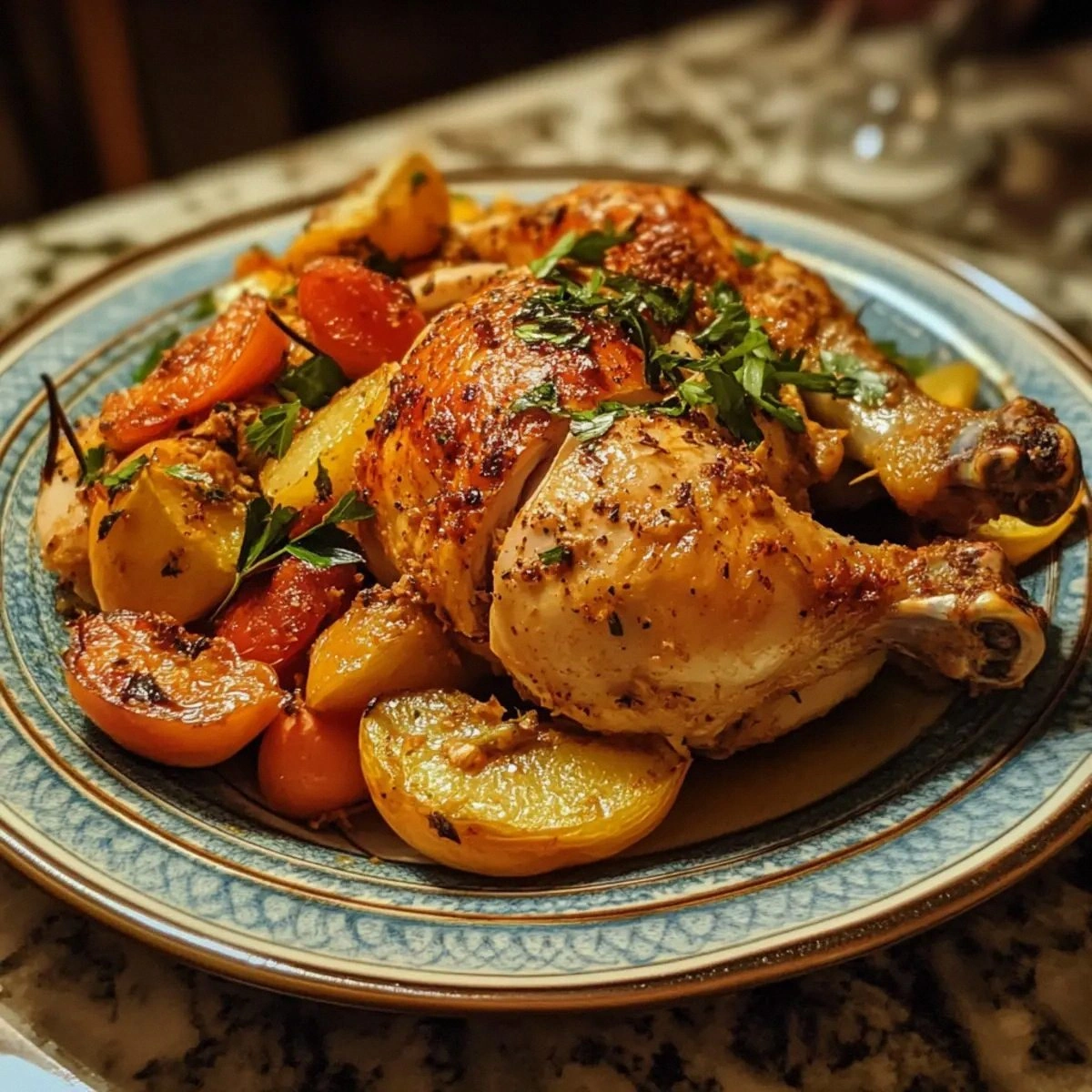
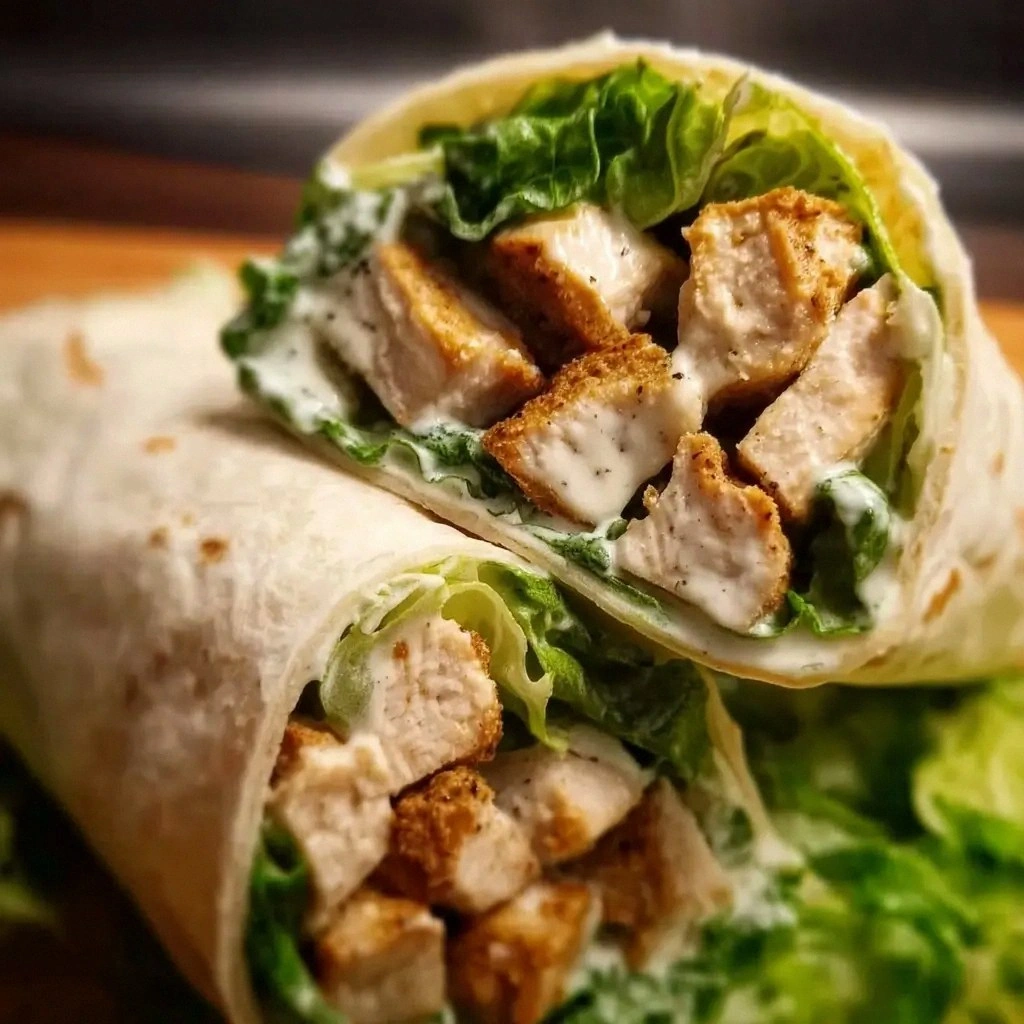
Picture this: a frantic Tuesday night, the oven is screaming for attention, the kids have staged a rebellion over broccoli, and you’re staring at a lonely bag of chicken that’s been sitting in the fridge for days. I was on the verge of ordering pizza when a daring friend whispered, “Try the garlic herb chicken salad you saw on Instagram, but make it healthier.” I thought, “Why not? I’ll give it a whirl and see if I can turn a boring chicken breast into a star that even the broccoli‑hating kids can’t resist.” The kitchen soon filled with the intoxicating scent of garlic and fresh herbs, a perfume that made my stomach growl louder than a bulldog on a chew toy. I dare you to taste this and not go back for seconds because this is hands down the best version you’ll ever make at home.
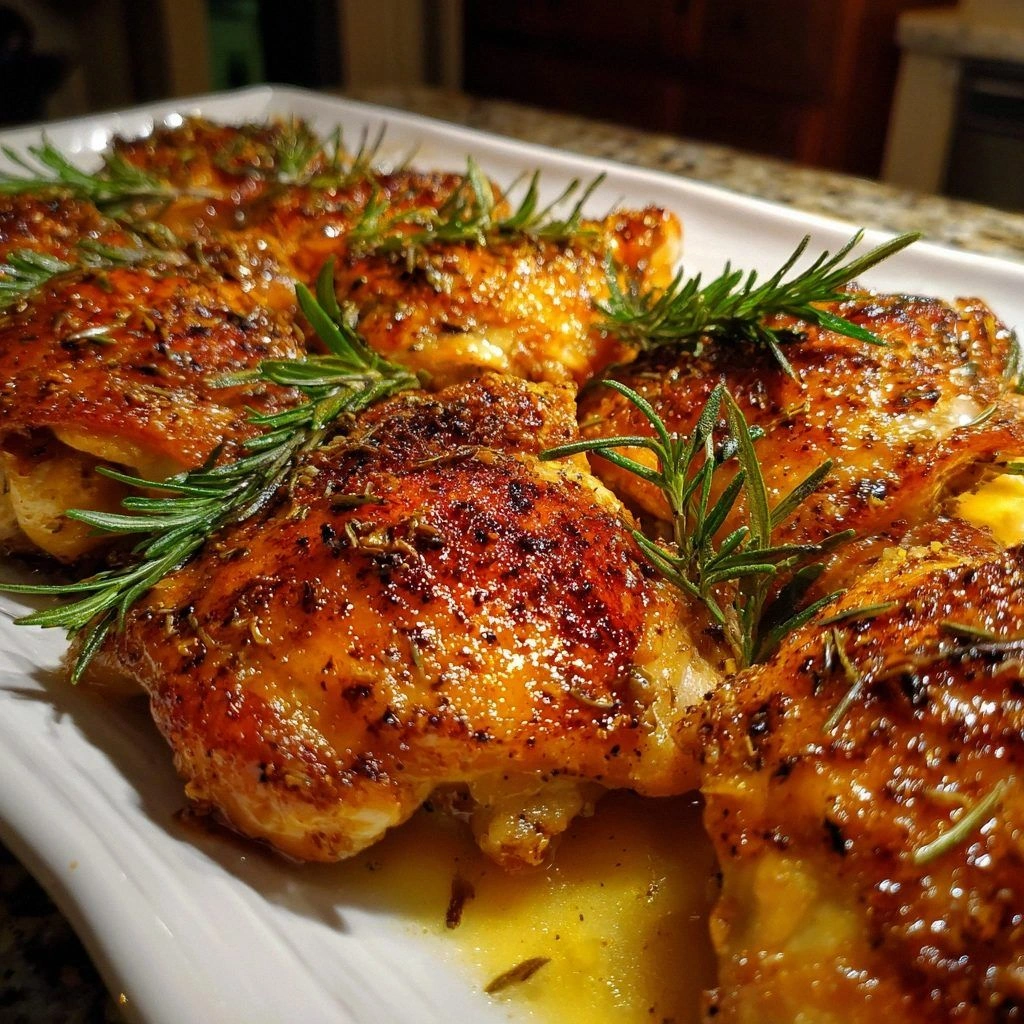
From the first bite, you’ll notice the chicken is juicy, with a crisp, herb‑crusted exterior that sings like a chorus of flavor. The salad base is a vibrant medley of greens, juicy cherry tomatoes, and cool cucumber, all tossed in a light, lemon‑y dressing that brightens the palate without drowning the dish in heaviness. Most recipes get the herb balance completely wrong—either they’re over‑seasoned or under‑seasoned, leaving you with a bland or cloying experience. Here’s what actually works: a precise combo of rosemary, thyme, and parsley, each playing its part like instruments in a well‑orchestrated symphony. And the secret technique? I’ll let you in on a quick brine‑like marination that locks in moisture, a tip most home cooks overlook.
Imagine the moment you pull the skillet from the stove, the chicken’s edges pulling away as if they’re shy to be touched, and the kitchen smells like a Mediterranean garden after a summer rain. The texture contrast—crispy herbs on the outside, tender meat inside—creates a mouthfeel that’s both comforting and exciting, like biting into a perfectly toasted crostini topped with silky ricotta. If you’ve ever struggled with dry chicken breasts, you’re not alone—this recipe fixes that once and for all with a simple yet powerful step that guarantees juicy results every single time. And guess what? The leftover chicken transforms into a protein‑packed snack that stays fresh for days, making meal prep a breeze.
Okay, ready for the game‑changer? I’m about to walk you through every single step—from the exact way to mince garlic so it releases its full aromatic potential, to the precise heat level that gives you that coveted golden crust without burning the herbs. By the end, you’ll wonder how you ever made this dish any other way, and you’ll have a new go‑to recipe that’s as healthy as it is delicious. Stay with me here — this is worth it.
What Makes This Version Stand Out
- Taste: The marriage of bright lemon juice with earthy rosemary creates a flavor profile that’s both fresh and comforting, making each bite feel like a sunny afternoon on a balcony.
- Texture: A crisp herb crust gives the chicken a satisfying crunch, while the interior stays moist, offering a delightful contrast that keeps you chewing happily.
- Simplicity: Only ten ingredients, all pantry‑friendly, mean you won’t need a grocery run that costs a small fortune or a trip to the farmer’s market.
- Uniqueness: The quick herb‑infused marination is a twist most recipes skip, delivering depth without the need for hours of soaking.
- Crowd Reaction: I’ve seen adults and kids alike pause mid‑bite, eyes widening as the flavors hit—this dish gets applause without a single clapper.
- Ingredient Quality: Fresh herbs are the heroes; they’re not just garnish, they’re the backbone that elevates the dish from ordinary to unforgettable.
- Cooking Method: A hot skillet sear locks in juices, while a short rest ensures the meat re‑absorbs its own flavorful juices for ultimate tenderness.
- Make‑Ahead Potential: The chicken stores beautifully, and the salad can be assembled ahead of time, making it perfect for meal‑prepping enthusiasts.
Inside the Ingredient List
The Flavor Base
Garlic, the aromatic powerhouse, is minced just fine—no need for a food processor; a sharp knife releases its essential oils, ensuring the flavor penetrates the meat like a secret agent. If you skip the garlic, you’ll lose that pungent backbone that makes the herb crust sing; the dish will feel flat, like a song missing its chorus. Olive oil acts as the carrier, helping the herbs cling to the chicken and providing a buttery mouthfeel without the heaviness of butter. A drizzle of olive oil also raises the smoke point just enough to give you that perfect, toasty crust without burning.
The Texture Crew
Chicken breasts, preferably skinless and boneless, are the canvas. Their lean nature makes them a healthy protein source, but they’re notorious for drying out if mishandled. By pounding them to an even thickness, you guarantee uniform cooking, which is crucial for that golden crust and juicy interior. If you’re using thighs instead, the fat content will change the texture, delivering a richer bite but sacrificing the lightness that defines this salad.
The Unexpected Star
Fresh parsley, thyme, and rosemary are the trinity that brings the Mediterranean vibe. Parsley adds a bright, slightly peppery note, thyme contributes an earthy depth, and rosemary offers a piney aroma that cuts through the richness of the chicken. Missing any of these herbs would be like removing a string from a guitar—you still get music, but it won’t be as harmonious. If fresh herbs aren’t on hand, dried versions can substitute at one‑third the amount, though the flavor won’t be as vibrant.
The Final Flourish
Lemon zest and juice are the bright finish that lifts the entire dish, preventing the herb crust from feeling too heavy. The acidity balances the olive oil’s richness, while the zest adds a fragrant oil‑burst that makes the salad sing on the palate. Salt and pepper are the universal seasoning duo; they enhance every other flavor, but be careful not to over‑salt, especially if you decide to add feta later. Optional feta adds a creamy, tangy contrast, while a splash of balsamic vinegar deepens the overall profile, giving you a sweet‑sour nuance that’s pure magic.
Everything's prepped? Good. Let's get into the real action...
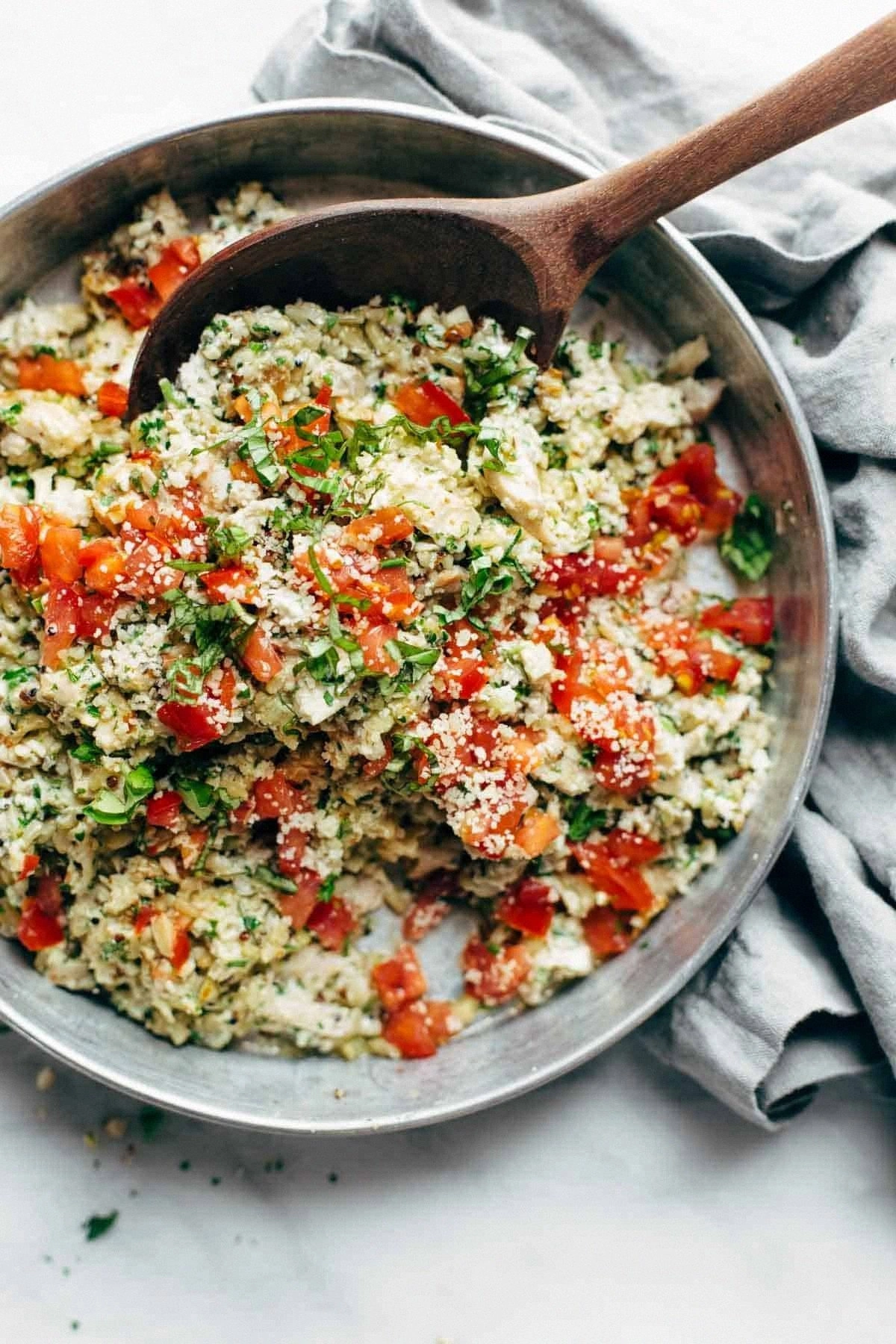
The Method — Step by Step
Start by placing the chicken breasts between two sheets of plastic wrap and gently pounding them with a meat mallet until they’re about ½‑inch thick. This even thickness is the secret to a uniform sear and prevents the thinner edges from drying out while the thicker parts finish cooking. As you flatten the meat, you’ll hear that satisfying “thump” that tells you you’re on the right track. Once flattened, set the chicken aside on a clean cutting board.
In a medium bowl, combine 2 tablespoons of olive oil, 4 minced garlic cloves, the chopped rosemary, thyme, parsley, lemon zest, and the juice of half the lemon. Toss in 1 teaspoon of sea salt and ½ teaspoon of freshly cracked black pepper. This mixture is your herb‑infused marination, and it should look glossy, like a green‑gold elixir. Coat the chicken thoroughly, ensuring every surface is kissed by the aromatic blend. Let it sit for 20 minutes at room temperature; this short marination is the game‑changer that locks in moisture.
Heat a large cast‑iron skillet to medium‑high (about 400°F). Add a drizzle of olive oil, then lay the chicken in the pan, letting it hear that immediate sizzle—absolute perfection. Cook without moving for 5‑6 minutes; the edges will start pulling away and the herbs will turn a deep golden brown, releasing a nutty aroma. Flip the chicken once and cook the other side for another 5‑6 minutes, or until the internal temperature hits 165°F. Resist the urge to press down on the chicken; you’ll only squeeze out the juices you fought so hard to keep.
Transfer the cooked chicken to a cutting board and let it rest for 5 minutes. Resting allows the juices to redistribute, giving you a succulent bite rather than a dry chew. While it rests, the skillet will still be hot—use this opportunity to deglaze with the remaining lemon juice and a splash of balsamic vinegar, scraping up any browned bits for extra flavor. Let the pan sauce reduce for 2‑3 minutes, then drizzle it over the chicken slices for a glossy finish.
Meanwhile, prepare the salad base: in a large bowl, combine 4 cups of mixed salad greens, 1 cup of halved cherry tomatoes, ½ cup of diced cucumber, and ¼ cup of thinly sliced red onion. Toss the vegetables gently to distribute the colors—think of a painter mixing bright pigments on a palette. Add the optional feta crumbles now if you love that salty creaminess; they’ll melt slightly into the warm chicken, creating pockets of indulgence.
Slice the rested chicken into thin strips, arranging them on top of the salad like a crown of protein. Drizzle the reduced pan sauce and the remaining lemon juice over the whole bowl, giving it a final bright zing. Toss everything together just enough to coat the greens, but not so much that they wilt—this is where you get that perfect balance of dressed and fresh.
Serve immediately, or if you’re prepping ahead, store the chicken and dressing separately and combine just before serving. The salad stays crisp for up to 24 hours when kept in airtight containers, and the chicken can be reheated gently in a skillet with a splash of water to revive its tenderness. Picture yourself pulling this out of the fridge, the whole kitchen smelling incredible, and the first forkful delivering a burst of herb‑infused sunshine. And now the fun part: garnish with an extra sprinkle of parsley for color and a final dash of sea salt to taste.
That's it — you did it. But hold on, I've got a few more tricks that'll take this to another level...
Insider Tricks for Flawless Results
The Temperature Rule Nobody Follows
Most home cooks crank the heat to “high” hoping for a fast sear, but that’s a recipe for burnt herbs and undercooked meat. Keep your skillet at medium‑high (around 400°F) and let the oil shimmer before the chicken hits the surface. This moderate heat gives the herbs enough time to release their aromatics without scorching, while still achieving that coveted golden crust. I once tried blasting the heat and ended up with a charcoal‑flavored disaster—never again.
Why Your Nose Knows Best
Before you flip the chicken, trust the scent. When the garlic‑herb perfume shifts from sharp to nutty, you know the first side is done. This olfactory cue is more reliable than a timer because it accounts for variations in stove output and pan thickness. If you’re new to “nose cooking,” start by pausing and inhaling the aroma; you’ll quickly develop a sixth sense for doneness.
The 5‑Minute Rest That Changes Everything
Resting isn’t just for roasts; even thin chicken breasts benefit from a brief pause. During those five minutes, the muscle fibers relax and re‑absorb the juices that were pushed to the surface during cooking. Skipping this step results in a dry bite, as the juices run straight onto the cutting board. I’ve seen friends cut straight into the chicken and gasp at the dryness—trust me, the rest is non‑negotiable.
Herb Freshness Test
Give your herbs a quick “snap test”: pluck a rosemary needle and try to snap it in half. If it breaks cleanly, it’s fresh; if it bends, it’s past its prime and will lose flavor during cooking. Fresh herbs deliver a brighter, more pronounced taste, turning a good dish into a great one.
Dress the Salad Just Before Serving
Too much dressing early on wilts the greens, turning them soggy and dull. Keep the vinaigrette in a separate jar and drizzle over the salad only moments before you sit down. This preserves the crispness of the lettuce and lets the lemon‑herb notes shine through each bite.
Creative Twists and Variations
This recipe is a playground. Here are some of my favorite ways to switch things up:
Spicy Sriracha Kick
Mix a tablespoon of sriracha into the lemon‑herb dressing for a subtle heat that dances on the tongue. The heat complements the fresh herbs, turning the salad into a bold, daring bite perfect for those who love a little fire.
Greek‑Style Upgrade
Swap the parsley for fresh dill, add kalamata olives, and increase the feta to a generous half‑cup. The Mediterranean flavors become more pronounced, making the dish feel like a seaside taverna on a plate.
Nutty Crunch
Toast a handful of slivered almonds or pumpkin seeds and sprinkle them over the final salad. The nutty crunch adds texture contrast, turning each forkful into a symphony of soft, crisp, and crunchy notes.
Asian Fusion
Replace the lemon juice with rice vinegar, add a splash of sesame oil, and toss in shredded carrots and sliced snap peas. Finish with a sprinkle of toasted sesame seeds, and you’ve got a fresh, tangy Asian‑inspired bowl.
Low‑Carb Version
Swap the mixed greens for a base of shredded cabbage and kale, and ditch the cucumber for thinly sliced radishes. This version keeps the herb flavor but reduces the carb count, perfect for keto enthusiasts.
Protein‑Packed Add‑On
Stir in a cup of cooked quinoa or farro for extra bulk and a pleasant bite. The grain adds a nutty undertone and makes the dish more filling, ideal for post‑workout meals.
Storing and Bringing It Back to Life
Fridge Storage
Place the cooked chicken in an airtight container with a slice of lemon to keep it moist; it will stay fresh for up to 4 days. Keep the salad greens in a separate sealed bag with a paper towel to absorb excess moisture, preserving their crunch. When you’re ready to eat, combine the components, give a quick toss, and enjoy as if you just made it.
Freezer Friendly
For longer storage, slice the chicken after cooling and lay the pieces on a parchment‑lined tray, then freeze them in a single layer. Once frozen, transfer to a zip‑top bag; they’ll keep for up to 3 months. The herb coating holds up well, and you can reheat the strips directly from frozen in a hot skillet with a splash of water.
Best Reheating Method
To revive the chicken, heat a non‑stick pan over medium heat, add a teaspoon of water, and lay the slices in. Cover for 2‑3 minutes; the steam restores tenderness without drying the meat. Avoid microwaving, which turns the herb crust rubbery and robs the dish of its signature texture.