
Sheet Pan Salmon with Asparagus
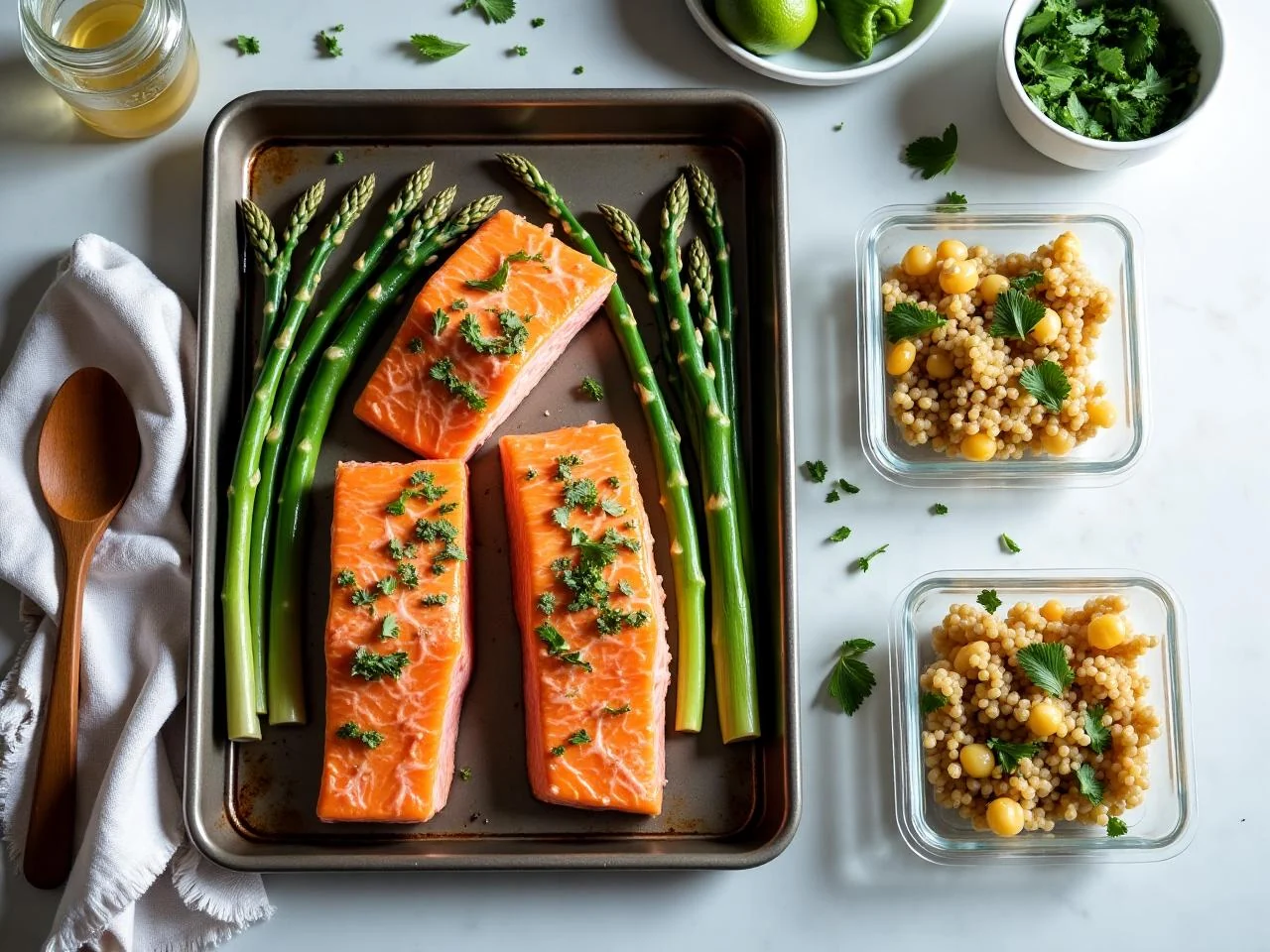
I still remember the first time I made sheet pan salmon with asparagus for my family. It was a weeknight, and I was looking for a quick and easy recipe that would please everyone. I had all the ingredients on hand, and it took me just a few minutes to prep the dish. The result was a flavorful and healthy meal that we all loved.
As a home cook, I'm always on the lookout for recipes that are not only delicious but also easy to make and versatile. Sheet pan salmon with asparagus is one of those recipes that checks all the boxes. It's perfect for a busy weeknight, and it's also a great option for meal prep. You can make it ahead of time and store it in the fridge for up to three days or freeze it for up to two months.
One of the things I love about this recipe is that it's so easy to customize. You can use different seasonings or add other vegetables to the sheet pan. I've made it with Brussels sprouts, carrots, and even sweet potatoes, and it's always a hit. The key is to find a combination that you like and stick with it.
In this recipe, I'll show you how to make sheet pan salmon with asparagus that's not only delicious but also healthy and easy to make. I'll share my tips and tricks for preparing the dish, and I'll also provide you with some variations and substitutions that you can try.
So, if you're looking for a quick and easy recipe that's perfect for a weeknight dinner or meal prep, you're in the right place. Let's get started and make some delicious sheet pan salmon with asparagus!
Why You’ll Love This Recipe
- This recipe is easy to make and requires minimal prep time.
- It's a healthy and balanced meal that's perfect for a weeknight dinner.
- The salmon and asparagus are cooked to perfection, with a nice balance of flavors and textures.
- It's a great option for meal prep, as it can be made ahead of time and stored in the fridge or freezer.
- The recipe is versatile and can be customized with different seasonings and vegetables.
- It's a crowd-pleaser, and everyone will love the combination of salmon and asparagus.
Why This Recipe Works
The reason this recipe works so well is that it's all about balance and harmony. The salmon and asparagus are cooked to perfection, and the seasonings add just the right amount of flavor. The key is to not overcook the salmon, so it stays moist and tender.
Another important factor is the temperature and cooking time. The oven temperature is set to 400°F, which is hot enough to cook the salmon and asparagus quickly, but not so hot that it burns them. The cooking time is also just right, so the salmon is cooked through and the asparagus is tender but still crisp.
The sheet pan is also a crucial part of this recipe. It allows the salmon and asparagus to cook evenly and prevents them from steaming instead of roasting. This is especially important for the asparagus, which can quickly become soggy and unappetizing if it's not cooked correctly.
Finally, the seasonings and herbs add a bright and refreshing flavor to the dish. The lemon juice and zest add a nice acidity, while the garlic and parsley add a pungency and freshness. The salt and pepper, of course, enhance the flavors of the salmon and asparagus.
Ingredients You’ll Need
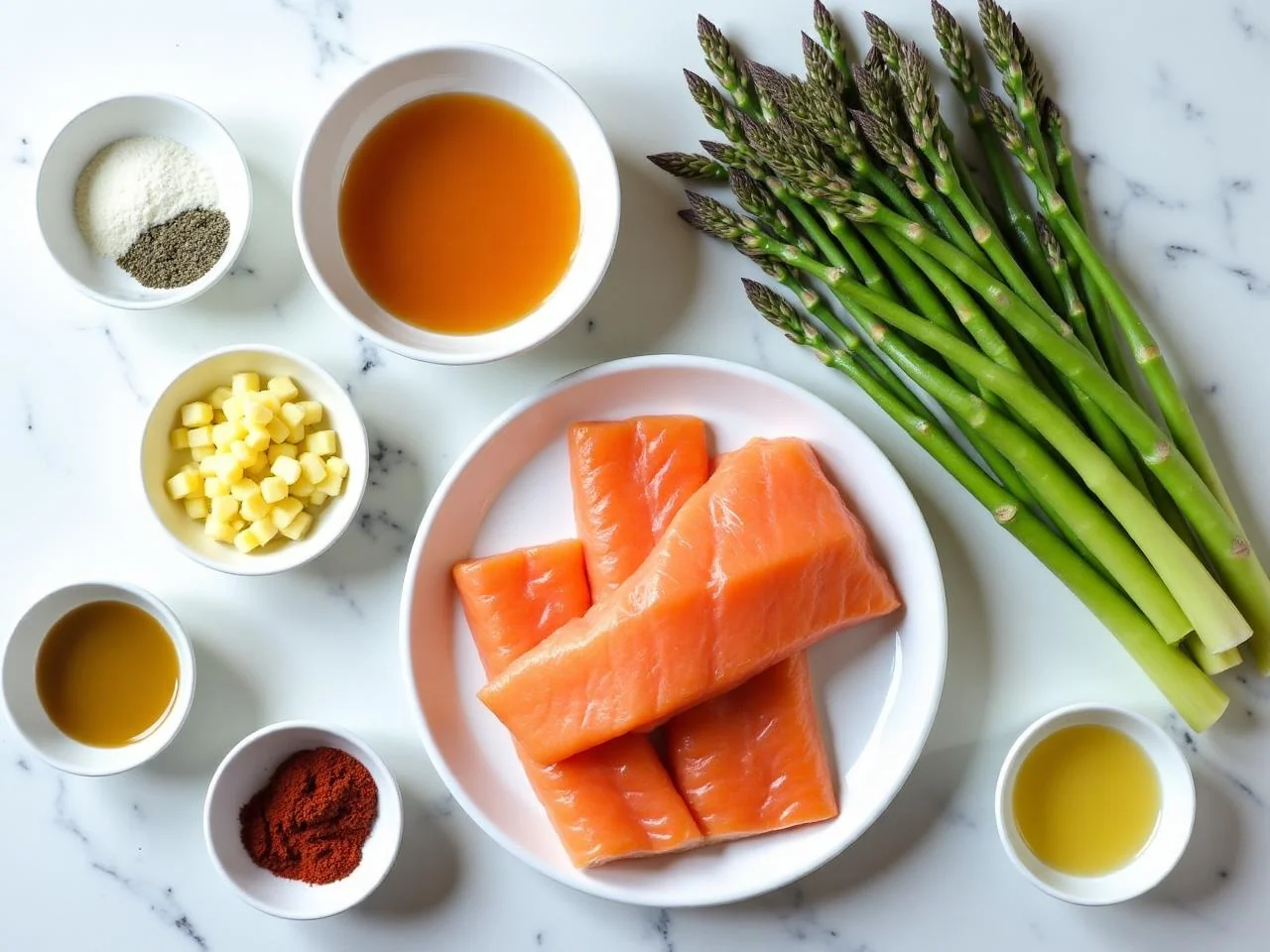
To make this recipe, you'll need a few simple ingredients, including salmon fillets, asparagus, olive oil, salt, and pepper. You'll also need some lemon juice, garlic, and parsley for added flavor.
When shopping for the ingredients, look for fresh and high-quality produce. The asparagus should be tender and crisp, and the salmon should be fresh and have a nice pink color. You can also use frozen salmon or asparagus if you can't find fresh ones.
- 4 salmon fillets (6 oz each)Look for fresh and high-quality salmon fillets with a nice pink color. You can also use frozen salmon, but make sure to thaw it first.
- 1 lb fresh asparagusChoose tender and crisp asparagus with a nice green color. Avoid woody or wilted asparagus.
- 2 tbsp olive oilUse a high-quality olive oil with a nice flavor and aroma. You can also use other oils like avocado or grapeseed oil.
- 2 cloves garlic, mincedMince the garlic finely to release its flavor and aroma. You can also use garlic powder or garlic salt as a substitute.
- 1 tsp dried parsleyUse fresh or dried parsley, depending on your preference. Fresh parsley has a brighter flavor, while dried parsley is more convenient to store.
- 1 tsp lemon zestUse a microplane or fine grater to zest the lemon. This will release the lemon's flavor and aroma.
- 2 tbsp freshly squeezed lemon juiceUse a manual or electric juicer to extract the lemon juice. You can also use bottled lemon juice as a substitute.
- Salt and pepper, to tasteUse kosher salt and freshly ground black pepper to season the salmon and asparagus. You can also use other seasonings like paprika or dill.
- 1 tsp chopped fresh dillUse fresh or dried dill, depending on your preference. Fresh dill has a brighter flavor, while dried dill is more convenient to store.
- 1/4 cup chopped fresh chivesUse fresh or dried chives, depending on your preference. Fresh chives have a brighter flavor, while dried chives are more convenient to store.
Equipment You’ll Need
How to Make Sheet Pan Salmon with Asparagus
- 1Preheat the oven to 400°F (200°C).
- 2Line the sheet pan with parchment paper or aluminum foil, leaving some overhang on the sides for easy removal.
- 3Rinse the asparagus and pat it dry with paper towels. Remove the tough ends and cut the asparagus into 1-inch pieces.
- 4Place the asparagus on the sheet pan in a single layer, leaving some space between each piece. Drizzle with 1 tablespoon of olive oil and sprinkle with salt and pepper.
- 5Place the salmon fillets on the sheet pan, leaving some space between each fillet. Drizzle with the remaining 1 tablespoon of olive oil and sprinkle with salt, pepper, and parsley.
- 6Zest the lemon over the salmon and asparagus, then squeeze the lemon juice over the top.
- 7Mince the garlic and sprinkle it over the salmon and asparagus.
- 8Place the sheet pan in the oven and roast for 12-15 minutes, or until the salmon is cooked through and the asparagus is tender.
- 9Remove the sheet pan from the oven and let it cool for a few minutes.
- 10Use tongs or a slotted spoon to remove the salmon and asparagus from the sheet pan and place them on a serving platter or individual plates.
- 11Garnish with chopped fresh chives and dill, if desired.
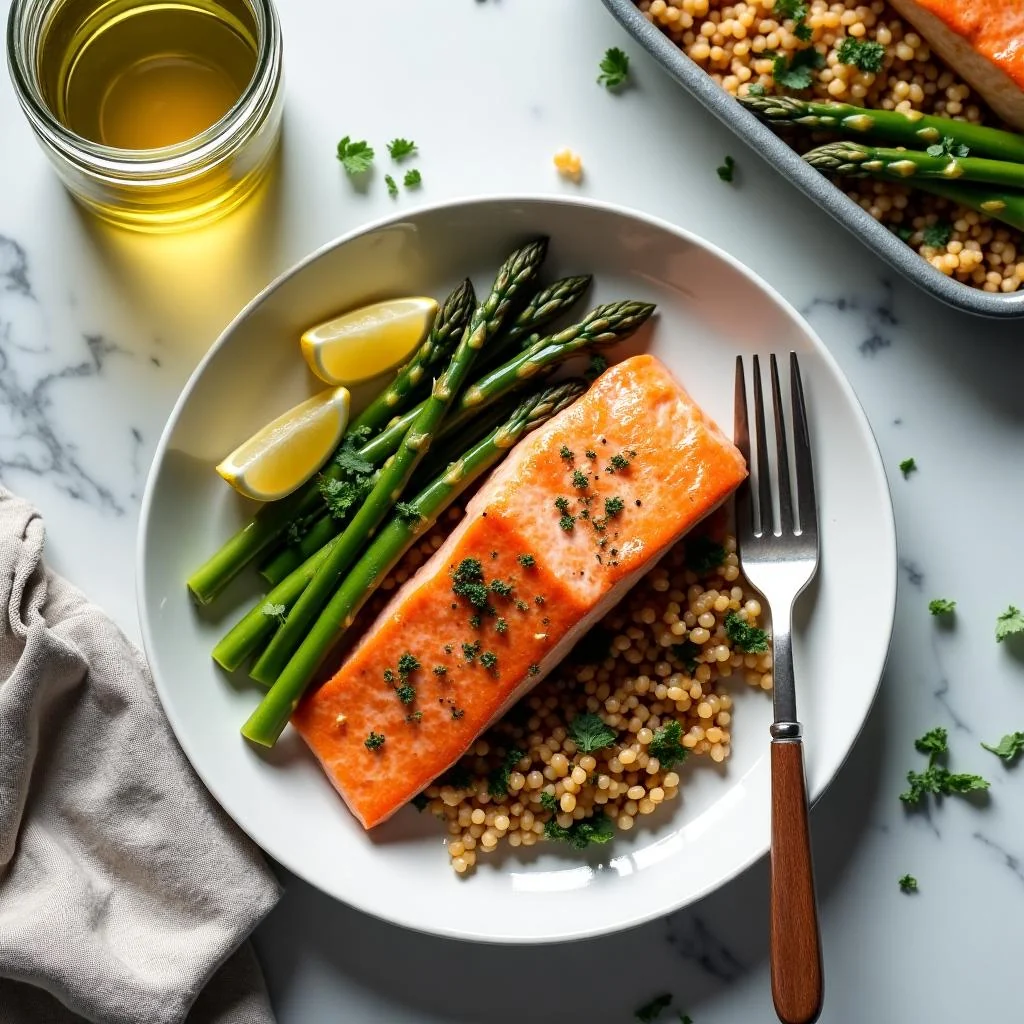
- 12Serve immediately and enjoy!
Expert Tips
- Make sure to not overcrowd the sheet pan, as this can cause the salmon and asparagus to steam instead of roast.
- Use a meat thermometer to check the internal temperature of the salmon, which should be at least 145°F (63°C) for medium-rare.
- Don't overcook the asparagus, as it can become mushy and unappetizing.
- Let the salmon rest for a few minutes before serving, as this allows the juices to redistribute and the fish to stay moist.
- Use a variety of seasonings and herbs to add flavor to the dish, such as paprika, dill, or lemon zest.
- Consider adding other vegetables to the sheet pan, such as Brussels sprouts or carrots, for added flavor and nutrition.
- Make sure to store any leftovers in an airtight container in the fridge or freezer, and reheat them safely to an internal temperature of at least 165°F (74°C).
Common Mistakes to Avoid
- Overcrowding the sheet pan, which can cause the salmon and asparagus to steam instead of roast.
- Not using a meat thermometer to check the internal temperature of the salmon, which can result in undercooked or overcooked fish.
- Overcooking the asparagus, which can make it mushy and unappetizing.
- Not letting the salmon rest before serving, which can cause it to dry out and lose its flavor.
- Not using fresh and high-quality ingredients, which can affect the flavor and texture of the dish.
- Not storing leftovers safely, which can cause foodborne illness.
Variations and Substitutions
- Add other vegetables to the sheet pan, such as Brussels sprouts or carrots, for added flavor and nutrition.
- Use different seasonings and herbs, such as paprika or dill, to add flavor to the dish.
- Add a squeeze of fresh lemon juice or a sprinkle of chopped fresh herbs, such as parsley or chives, for added brightness and flavor.
- Use a variety of fish, such as tilapia or cod, instead of salmon.
- Add some heat to the dish by sprinkling some red pepper flakes or sliced jalapenos over the top.
- Make it a one-pot meal by adding some quinoa or brown rice to the sheet pan with the salmon and asparagus.
- Use a different type of oil, such as avocado or grapeseed oil, instead of olive oil.
What to Serve With Sheet Pan Salmon with Asparagus
This dish is perfect for a weeknight dinner or a special occasion. You can serve it with a variety of sides, such as quinoa, brown rice, or roasted vegetables. You can also add some crusty bread or a green salad for a more filling meal.
Consider pairing the dish with a dry white wine, such as Sauvignon Blanc or Pinot Grigio, for a refreshing and crisp flavor. You can also add some fresh fruit or a dessert, such as cheesecake or chocolate cake, for a sweet treat.
Make-Ahead, Storage, Freezing and Reheating
To store the dish, let it cool completely on the sheet pan, then transfer it to an airtight container and refrigerate for up to 3 days. You can also freeze it for up to 2 months, then thaw it overnight in the fridge and reheat it in the oven or microwave until hot and steaming.
When reheating, make sure to heat it to an internal temperature of at least 165°F (74°C) to ensure food safety. You can also add some fresh herbs or lemon juice to the dish to brighten up the flavors.
To freeze the dish, place the cooled salmon and asparagus in a single layer on a baking sheet or tray, then transfer it to a freezer-safe bag or container and store it in the freezer. When you're ready to reheat, simply thaw it overnight in the fridge, then reheat it in the oven or microwave until hot and steaming.
Remember to always label and date the container or bag, and to store it in the coldest part of the freezer to maintain its quality and safety.
Frequently Asked Questions
Can I use frozen salmon instead of fresh?
Yes, you can use frozen salmon, but make sure to thaw it first and pat it dry with paper towels before using it in the recipe.
How do I know if the salmon is cooked through?
You can check the internal temperature of the salmon with a meat thermometer, which should be at least 145°F (63°C) for medium-rare. You can also check for doneness by cutting into the thickest part of the fillet and looking for a opaque and flaky texture.
Can I add other vegetables to the sheet pan?
Yes, you can add other vegetables to the sheet pan, such as Brussels sprouts or carrots, for added flavor and nutrition. Just make sure to adjust the cooking time and temperature accordingly.
How do I store leftovers safely?
To store leftovers safely, let the dish cool completely, then transfer it to an airtight container and refrigerate for up to 3 days. You can also freeze it for up to 2 months, then thaw it overnight in the fridge and reheat it in the oven or microwave until hot and steaming.
Can I make this recipe ahead of time?
Yes, you can make this recipe ahead of time and store it in the fridge or freezer. Just make sure to reheat it safely to an internal temperature of at least 165°F (74°C) before serving.
What is the best way to reheat the dish?
The best way to reheat the dish is in the oven or microwave. You can also add some fresh herbs or lemon juice to the dish to brighten up the flavors.
Can I use a different type of fish instead of salmon?
Yes, you can use a different type of fish, such as tilapia or cod, instead of salmon. Just make sure to adjust the cooking time and temperature accordingly.
How do I prevent the asparagus from becoming mushy?
To prevent the asparagus from becoming mushy, make sure to not overcook it and to cook it at a high temperature. You can also add some acidity, such as lemon juice, to the dish to help preserve the texture of the asparagus.
Ingredients
- 4 salmon fillets (6 oz each)
- 1 lb fresh asparagus
- 2 tbsp olive oil
- 2 cloves garlic, minced
- 1 tsp dried parsley
- 1 tsp lemon zest
- 2 tbsp freshly squeezed lemon juice
- Salt and pepper, to taste
- 1 tsp chopped fresh dill
- 1/4 cup chopped fresh chives
Instructions
- Preheat the oven to 400°F (200°C).
- Line the sheet pan with parchment paper or aluminum foil, leaving some overhang on the sides for easy removal.
- Rinse the asparagus and pat it dry with paper towels. Remove the tough ends and cut the asparagus into 1-inch pieces.
- Place the asparagus on the sheet pan in a single layer, leaving some space between each piece. Drizzle with 1 tablespoon of olive oil and sprinkle with salt and pepper.
- Place the salmon fillets on the sheet pan, leaving some space between each fillet. Drizzle with the remaining 1 tablespoon of olive oil and sprinkle with salt, pepper, and parsley.
- Zest the lemon over the salmon and asparagus, then squeeze the lemon juice over the top.
- Mince the garlic and sprinkle it over the salmon and asparagus.
- Place the sheet pan in the oven and roast for 12-15 minutes, or until the salmon is cooked through and the asparagus is tender.
- Remove the sheet pan from the oven and let it cool for a few minutes.
- Use tongs or a slotted spoon to remove the salmon and asparagus from the sheet pan and place them on a serving platter or individual plates.
- Garnish with chopped fresh chives and dill, if desired.
- Serve immediately and enjoy!