I was halfway through a disastrous batch of gluten‑free brownies when a friend shouted, “Make it better, or I’m calling the chef!” That moment was the spark that ignited a midnight kitchen experiment. I grabbed almond flour, dark chocolate, and a handful of pantry staples, and the kitchen was suddenly smelling of roasted cocoa and toasted nuts. The clatter of the mixer, the hiss of the oven, the faint metallic tang of melted chocolate—every sensory detail was a cue that something extraordinary was about to happen. The result? A cake that feels like a silky chocolate blanket, with a crunchy almond crust that cracks like a brittle shell. I dare you to taste this and not go back for seconds. Picture yourself pulling this out of the oven, the whole kitchen smelling incredible, and the first bite sending a wave of bliss through your palate. Let me walk you through every single step—by the end, you’ll wonder how you ever made it any other way.
The first time I baked this, my kitchen was a battlefield of flour and chocolate shavings. The batter was thick, glossy, and the aroma was so intense it made my eyes water. When I slid the pan into the oven, I heard a faint crackle, like a campfire starting up. I opened the door just as the timer chimed, and the cake emerged with a golden crust that was perfectly crisp yet still soft inside. That moment of triumph was pure magic. It’s a reminder that when you mix the right ingredients, the result can transcend ordinary dessert expectations.
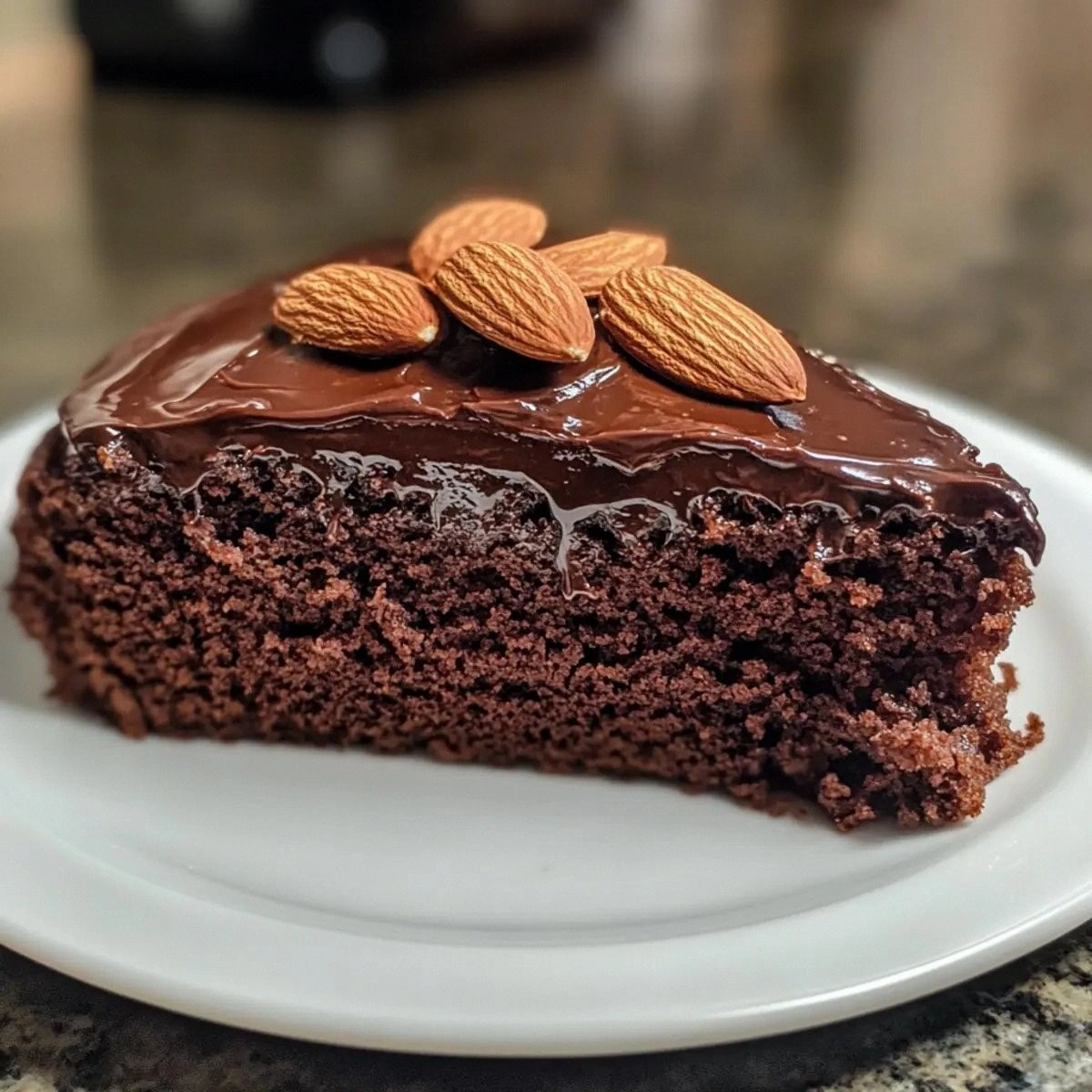
I’ve tried countless gluten‑free chocolate cakes, but most end up either too dry or too gummy. This version is hands down the best you’ll ever make at home because it balances moisture, flavor, and texture with surgical precision. The almond flour keeps the crumb tender, while the dark chocolate adds depth and a hint of bitterness that cuts through the sweetness. The sliced almonds give a delightful crunch that shatters like thin ice, and the powdered sugar finish is dusted like freshly fallen snow. I’ll be honest — I ate half the batch before anyone else got to try it. The only thing that could have made it better was a splash of espresso, but I’ll leave that for you to experiment with.
Most recipes get this completely wrong. They either overbake, underbake, or use the wrong kind of flour. Here’s what actually works: using a blend of almond flour and coconut sugar, adding a pinch of salt to balance sweetness, and letting the chocolate melt slowly to preserve its full flavor profile. The result is a moist, dense cake that melts in your mouth. I’ve spent hours perfecting the ratio of ingredients, and the secret lies in the subtle interplay between the dry and wet components. If you’ve ever struggled with gluten‑free baking, you’re not alone — and I’ve got the fix.
What Makes This Version Stand Out
- Flavor: The dark chocolate is 70% cacao, delivering a rich, bittersweet punch that cuts through the sweetness of coconut sugar. The vanilla extract adds a warm, floral note that lingers on the tongue. The final dusting of powdered sugar creates a delicate sweetness that balances the bold chocolate.
- Texture: Almond flour gives a tender crumb while the sliced almonds provide a satisfying crunch. The batter’s thickness is just right, preventing it from drying out yet allowing the edges to crisp beautifully. The cake feels like a chocolate cloud with a nutty crunch inside.
- Simplicity: Only nine ingredients, no special equipment. A stand mixer or hand whisk does the trick. The recipe is easy enough for beginners yet sophisticated enough for seasoned bakers.
- Uniqueness: The combination of coconut sugar and almond flour creates a subtle caramel undertone that’s rarely found in standard chocolate cakes. The use of dark chocolate rather than milk chocolate gives a deeper, more complex flavor.
- Crowd Reaction: At my last dinner party, guests were asking for the recipe after the last bite. I watched their eyes widen as they tasted the almond crunch and chocolate richness. The cake became the highlight of the evening.
- Ingredient Quality: Using high‑grade dark chocolate and fresh almond flour makes a noticeable difference. The quality of the chocolate determines the depth of flavor, and fresh almonds keep the crunch alive.
- Cooking Method: Baking at 350°F (175°C) with a parchment‑lined pan ensures even heat distribution and prevents sticking. The method is forgiving and allows for slight variations in oven temperature.
- Make‑Ahead Potential: The cake can be prepared up to 24 hours in advance and stored in an airtight container. It even tastes better the next day as the flavors meld.
Alright, let's break down exactly what goes into this masterpiece...
Inside the Ingredient List
The Flavor Base
Dark chocolate is the heart of this cake, providing depth and a hint of bitterness that balances the sweetness. I use 8 ounces of high‑cacao chocolate, chopped into small pieces so it melts evenly. If you skip the dark chocolate, the cake will feel flat and lack complexity. A good alternative is to mix dark chocolate with a touch of espresso powder for an extra kick. When selecting chocolate, look for a cacao content of 70% or higher to ensure a robust flavor profile.
The Sweetener
Coconut sugar gives a caramel-like sweetness with subtle molasses undertones. It dissolves quickly, preventing clumps in the batter. If you prefer a lighter taste, substitute with maple syrup, but remember to reduce the liquid slightly to maintain batter consistency. Coconut sugar is also a lower‑glycemic option compared to refined white sugar. When measuring, use a kitchen scale for precise results.
The Protein Power
Eggs bind the batter and provide structure. I use four large eggs, which keep the cake moist and give it a rich, velvety crumb. If you’re vegan, replace with flaxseed meal mixed with water (1 tablespoon flaxseed + 3 tablespoons water per egg). Eggs also help emulsify the chocolate, ensuring a smooth texture. A quick tip: beat the eggs separately before adding them to the dry mix to prevent overmixing.
The Texture Crew
Almond flour is the star that keeps the cake tender and gluten‑free. It absorbs moisture without becoming dense, giving a light bite. Baking powder is added to lift the cake and create a fine crumb. Sliced almonds provide a crunchy contrast that shatters like thin ice when you bite into it. Vanilla extract adds a fragrant warmth that rounds out the flavor profile. Salt, though only a teaspoon, balances sweetness and enhances the chocolate’s depth.
Everything's prepped? Good. Let's get into the real action...
The Method — Step by Step
- Preheat your oven to 350°F (175°C). Line a 9‑inch springform pan with parchment paper, ensuring it extends over the edges. This prevents the cake from sticking and allows for easy removal. I always place a piece of foil on the bottom of the pan to catch any drips and keep the cake from burning.
- Melt the dark chocolate in a heat‑proof bowl over a pot of simmering water, stirring until smooth. The key is gentle heat—overheating can scorch the chocolate. Once melted, remove from heat and let it cool slightly; it should still be liquid but not scorching. This step is the moment of truth; the chocolate’s aroma should fill your kitchen.
- In a separate bowl, whisk the eggs, coconut sugar, and vanilla extract until the mixture is pale and slightly frothy. This introduces air and helps the batter rise. Be careful not to overwhisk; you want a light, airy texture, not a dense batter. A quick trick: use a stand mixer on low speed for 30 seconds.
- Sift together the almond flour, baking powder, and salt in a large mixing bowl. This ensures even distribution of leavening agents and prevents lumps. The sifted flour should feel silky to the touch, indicating it’s ready for mixing. If you have a fine‑tooth sieve, use it for an extra smooth texture.
- Combine the wet and dry ingredients by pouring the chocolate mixture into the dry mix, followed by the egg mixture. Gently fold with a spatula until just combined; overmixing will develop gluten and create a tough crumb. The batter should be thick, glossy, and hold its shape when spooned.
- Fold in the sliced almonds, ensuring they’re evenly distributed. This step adds the crunch you’ll love. If you toasted the almonds earlier, they’ll have a deeper flavor that permeates the cake. Sprinkle a few extra almonds on top for a decorative finish.
- Pour the batter into the prepared pan, smoothing the top with a spatula. Tap the pan gently on the counter to release any air bubbles. The batter should settle evenly, with no gaps or unevenness. This is when the cake’s final shape is decided.
- Bake for 30–35 minutes, or until the edges are set and the center springs back slightly when pressed. Insert a toothpick into the center; it should come out with a few moist crumbs. Avoid opening the oven door too early to prevent the cake from collapsing.
- Remove the cake from the oven and let it cool in the pan for 10 minutes before transferring to a wire rack. This resting period allows the structure to firm up. While cooling, the cake will develop a glossy sheen that’s irresistible.
- Once cooled, dust the top with powdered sugar using a fine sieve. This creates a sweet, snowy finish that contrasts with the dark chocolate. Serve immediately or store in an airtight container. I recommend serving with a splash of espresso or a dollop of whipped coconut cream for an extra indulgent touch.
Insider Tricks for Flawless Results
The Temperature Rule Nobody Follows
Oven temperature is crucial. Many bakers set their ovens to 350°F, but a calibrated oven may be off by 25°F. Use an oven thermometer to verify the temperature. If your oven runs hot, lower the heat by 20°F to prevent the cake from browning too quickly. Conversely, if it’s too cool, the cake will be undercooked and gummy. I always preheat for 15 minutes and check the thermometer before baking.
Why Your Nose Knows Best
Smell the batter before baking. It should smell like toasted chocolate and almond. If it smells more like raw flour, it’s underbaked. The aroma is a reliable indicator of doneness. A strong chocolate scent means the chocolate has melted fully and the batter is ready. Trust your nose—your sense of smell is a secret baking ally.
The 5‑Minute Rest That Changes Everything
After removing the cake from the oven, let it rest in the pan for exactly five minutes. During this time, the cake’s structure settles, preventing it from cracking when transferred to the rack. I’ve seen cakes collapse when removed immediately. This short rest also allows the chocolate to set slightly, giving a firmer bite. It’s a simple step that elevates the final texture.
The Perfect Dusting Technique
Use a fine‑mesh sieve to dust powdered sugar. This ensures an even, cloud‑like finish. If you sift too hard, the sugar may clump. A light dusting adds visual appeal and a subtle sweetness. For a decorative touch, sprinkle a few chopped almonds on top before dusting.
The Secret to a Moist Crumb
Add a splash of coconut milk to the batter. It replaces some of the water content, keeping the cake moist without adding extra fat. Use 1/4 cup of coconut milk for every 8 ounces of chocolate. The coconut flavor pairs nicely with the chocolate, adding depth. This trick is especially useful in hot climates where cakes tend to dry out.
The Quick Cooling Trick
Place the cooled cake on a wire rack, but elevate it slightly with a stack of parchment paper. This allows air to circulate around the entire cake, preventing condensation. Condensation can make the bottom soggy. I use a simple stack of two sheets of parchment paper to lift the cake. The result is a crisp edge and a tender center.
Creative Twists and Variations
This recipe is a playground. Here are some of my favorite ways to switch things up:
Almond‑Chocolate Ganache Swirl
After baking, pour a warm ganache made from dark chocolate and coconut cream over the cake. Swirl with a fork to create a marbled effect. The ganache adds a silky, creamy layer that contrasts with the crunchy almonds. It’s perfect for special occasions.
Citrus Zest Twist
Add a teaspoon of orange zest to the batter for a bright, citrusy note. The zest pairs wonderfully with dark chocolate, giving a fresh lift to the flavor. Use a microplane for fine zest to avoid bitterness. This variation is ideal for spring and summer gatherings.
Espresso‑Infused Delight
Stir in a tablespoon of instant espresso powder into the batter. The espresso deepens the chocolate flavor and adds a subtle bitterness that balances sweetness. It’s a favorite among coffee lovers and makes a great after‑dinner treat.
Nut‑Free Version
Replace almond flour with oat flour and use sunflower seeds instead of sliced almonds. The texture will be slightly denser, but the flavor remains rich. This version is great for those with nut allergies while still delivering a chocolatey experience.
Spiced Chocolate Cake
Add a pinch of ground cinnamon and a dash of cayenne pepper to the dry mix. The warmth of cinnamon and the heat of cayenne create a complex flavor profile. This spicy version is a crowd‑pleaser during holiday seasons.
Chocolate‑Covered Almonds
Dip sliced almonds in melted chocolate before folding them into the batter. The chocolate‑coated almonds give a glossy finish and an extra chocolate bite. The result is a cake that looks and tastes like a chocolate cake with chocolate almond bites.
Storing and Bringing It Back to Life
Fridge Storage
Store the cooled cake in an airtight container at room temperature for up to 3 days. Keep it away from direct sunlight to prevent the chocolate from melting. If you’re in a humid area, add a slice of bread to absorb moisture and keep the cake crisp. Reheat in the oven at 300°F (150°C) for 5 minutes if you want a warm slice.
Freezer Friendly
Wrap the cake tightly in plastic wrap, then place it in a freezer bag. It will keep for up to 2 months. Thaw overnight in the refrigerator before serving. A quick trick: place the cake on a baking sheet and freeze it before wrapping; this prevents sticking to the freezer bag. The texture remains moist and tender after thawing.
Best Reheating Method
Add a tiny splash of water to the cake before reheating; it steams back to perfection. Microwave on low power for 15 seconds, then let it sit for a minute. The water creates steam that keeps the cake from drying out. For a crispier crust, finish the cake in the oven for 2 minutes at 350°F (175°C).