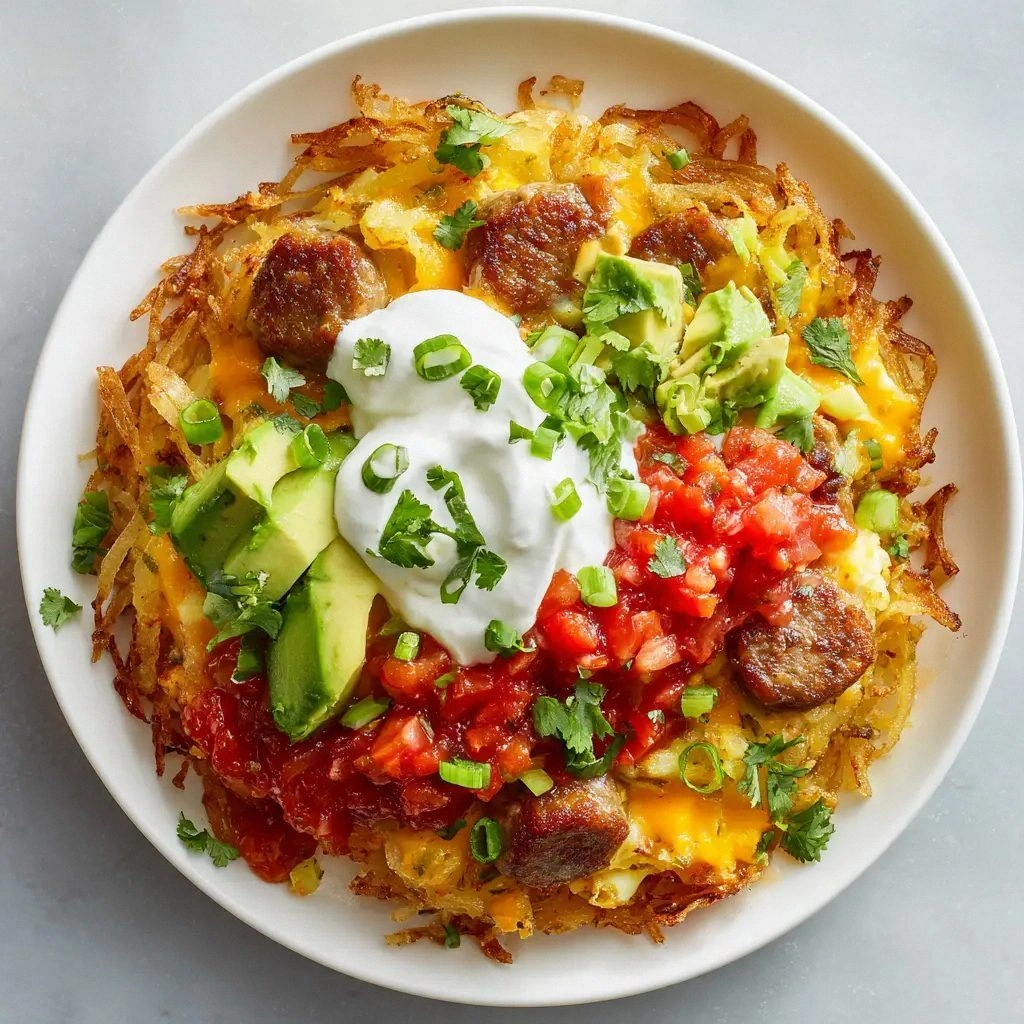
Okay, picture this: it’s a rainy Saturday morning, the kind that makes you want to crawl under a blanket and binge‑watch reality TV, but your stomach is growling louder than the thunder outside. I was half‑asleep, staring at a half‑empty pan of soggy leftover hash browns, when my roommate dared me to make “something epic” with whatever we had. I tossed in diced ham, crumbled sausage, and a handful of eggs, and what happened next was nothing short of a breakfast revelation. The sizzle when the butter hit the pan was like a tiny fireworks show, the aroma of smoky sausage mingling with the sweet earthiness of potatoes instantly turned my kitchen into a five‑star diner.
But here’s the kicker: most hash‑brown‑egg combos end up either soggy or a dry, crumbly mess that makes you wonder why you even bothered. I’ve tried the “just throw everything in a skillet” method more times than I can count, and each time the result was a disappointing pancake‑like flop. Then I remembered a trick from a French bistro: give the potatoes a brief, high‑heat blast before you fold in the eggs. That tiny extra step creates a crust that cracks like thin ice under a spoon, while the interior stays fluffy enough to cradle the yolk like a warm hug.
Fast forward to today, and I’ve perfected a version that is, in my honest opinion, the best you’ll ever make at home. This isn’t just a breakfast; it’s a flavor‑packed, texture‑tantalizing experience that will have you daring anyone to take a bite and not come back for seconds. I’ll be honest — I ate half the batch before anyone else got a chance to try it, and that’s a confession I’m willing to make because the taste is that good. If you’ve ever struggled with soggy hash browns or eggs that turn rubbery, you’re not alone — and I’ve got the fix.
What truly sets this recipe apart is a secret ingredient that most people overlook: a splash of milk mixed into the eggs, which creates a custardy richness that makes the whole thing melt in your mouth. Combine that with a dash of sharp cheddar, a sprinkle of fresh chives, and the perfectly crisped edges of the potatoes, and you’ve got a breakfast that feels like a celebration in every bite. Let me walk you through every single step — by the end, you’ll wonder how you ever made it any other way.
What Makes This Version Stand Out
- Flavor Explosion: The combination of salty ham, smoky sausage, and creamy cheese creates layers of taste that build with every forkful, making each bite more exciting than the last.
- Texture Contrast: Crispy, golden hash brown edges meet soft, buttery interiors and a velvety egg custard, delivering a mouthfeel that’s both satisfying and comforting.
- Simplicity: Despite the gourmet feel, the ingredient list is pantry‑friendly and the steps require only basic kitchen tools, so you won’t need a culinary degree to succeed.
- Uniqueness: Adding a splash of milk to the eggs is the game‑changer that keeps the center luscious while the outside crisps up beautifully.
- Crowd Reaction: This dish consistently earns rave reviews at brunch tables, with guests proclaiming it “the best breakfast ever” and begging for the recipe.
- Ingredient Quality: Using high‑quality smoked ham and fresh breakfast sausage elevates the overall flavor profile, making the dish feel restaurant‑grade.
- Cooking Method: The two‑stage pan sear—first the potatoes, then the egg mixture—ensures optimal crispness without sacrificing the creamy interior.
- Make‑Ahead Potential: You can prep the ham, sausage, and hash brown mixture ahead of time, making the final assembly a breeze on busy mornings.
Inside the Ingredient List
The Flavor Base
Diced ham brings a salty, slightly sweet backbone that anchors the dish. Choose a smoked or honey‑glazed variety for an extra depth of flavor; the natural sugars caramelize during cooking, adding a subtle crunch. If you skip the ham, the dish loses that savory richness and can feel a bit flat, so consider a plant‑based smoked ham alternative if you’re vegan.
The Texture Crew
Frozen hash browns are the star of the show when it comes to texture. Their high starch content creates that coveted crispy edge once they hit the hot pan. If you opt for fresh shredded potatoes instead, be sure to rinse and dry them thoroughly; otherwise, the moisture will steam the potatoes, resulting in a soggy mess.
The Unexpected Star
A splash of whole milk mixed into the eggs is the secret weapon that turns a simple scramble into a custard‑like marvel. The lactose interacts with the proteins, creating a tender, melt‑in‑your‑mouth texture that plain eggs simply can’t achieve. You can swap the milk for half‑and‑half or a splash of heavy cream for an even richer mouthfeel, but be careful not to over‑richen the dish.
The Final Flourish
Sharp cheddar cheese adds a tangy bite that cuts through the richness of the ham and sausage. Grate it freshly for the best melt; pre‑shredded cheese often contains anti‑caking agents that prevent it from becoming gooey. A sprinkle of fresh chives at the end not only adds a pop of color but also a mild oniony freshness that balances the heavy flavors.
Everything's prepped? Good. Let's get into the real action...
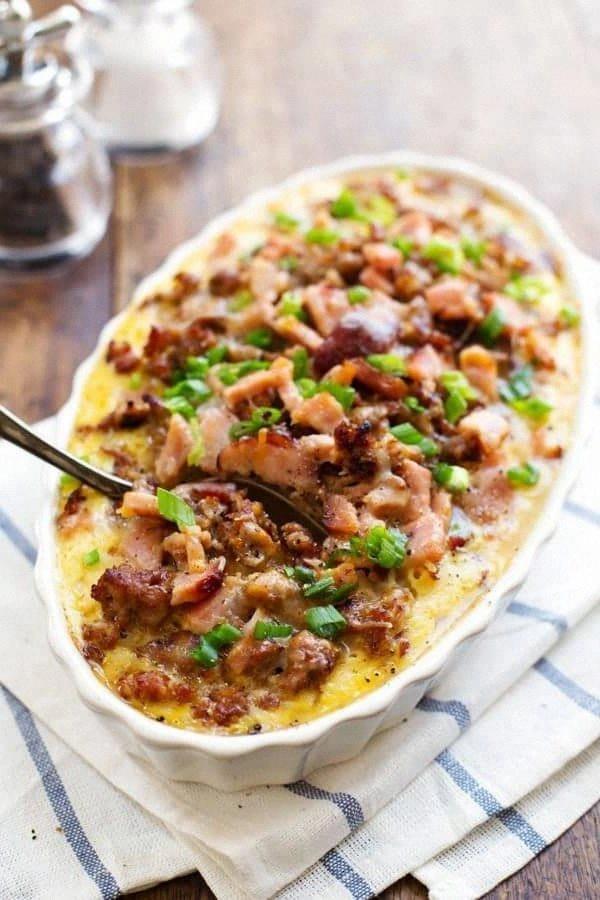
The Method — Step by Step
-
Heat a large non‑stick skillet over medium‑high heat and add the butter. Once the butter foams and begins to turn golden, toss in the diced onion and bell pepper, sautéing for about 2‑3 minutes until they’re just translucent. You’ll hear a gentle sizzle that signals the veggies are releasing their natural sugars, creating a sweet base for the dish.
Kitchen Hack: Add a pinch of smoked paprika to the veggies while they soften for an extra layer of smokiness without extra sausage. -
Push the softened veggies to one side of the pan and add the frozen hash browns in a single, even layer. Let them sit undisturbed for 4‑5 minutes; this is when the magic happens and the bottom forms that coveted golden crust. You’ll know they’re ready when the edges start pulling away from the pan and you hear a faint crackling sound.
-
Meanwhile, in a mixing bowl, whisk together the eggs, milk, a pinch of salt, and a generous grind of black pepper until the mixture is uniformly pale yellow and slightly frothy. This aeration incorporates tiny air bubbles that will later expand during cooking, giving the interior a light, airy texture.
Watch Out: Over‑whisking can break down the proteins too much, resulting in a rubbery egg texture. Stop whisking as soon as the mixture looks smooth. -
Add the diced ham and crumbled sausage to the pan, distributing them evenly among the hash browns. Let them cook together for another 2 minutes, allowing the meat to brown slightly and release its savory juices. The scent at this point should be intoxicating—a blend of smoked pork and buttery potatoes that makes you want to taste immediately.
-
Create a well in the center of the mixture and pour the egg‑milk blend over the entire pan, letting it cascade over the hash browns and meat. Reduce the heat to medium‑low and let the eggs set gently. As the edges begin to firm, use a spatula to gently lift and fold the outer portions toward the center, ensuring an even distribution without breaking the crispy crust.
Kitchen Hack: Sprinkle the shredded cheddar over the top before the eggs fully set; the cheese will melt into the crevices, creating pockets of gooey goodness. -
Cover the skillet with a tight‑fitting lid and let everything steam for 3‑4 minutes. This gentle steam finishes cooking the egg interior while preserving the crispness of the hash brown edges. When you lift the lid, the dish should look glossy, with the cheese melted and the top barely set but still slightly wobbly—perfect for a runny yolk.
-
Turn off the heat and let the skillet rest for a minute. Then, using a wide spatula, carefully slide the entire hash brown egg cake onto a serving platter. The yolks should still be glossy, ready to burst with golden richness once cut.
-
Garnish with a sprinkling of fresh chives and an extra pinch of black pepper. Slice into generous wedges, letting each piece reveal a golden yolk that oozes over the crispy potatoes and savory meat. That sizzle when it hits the pan? Absolute perfection. Serve immediately, and watch as everyone reaches for seconds.
That's it — you did it. But hold on, I've got a few more tricks that'll take this to another level. Stay with me here — this is worth it.
Insider Tricks for Flawless Results
The Temperature Rule Nobody Follows
Most home cooks crank the heat up to “as hot as possible” hoping for faster crispness, but that’s a recipe for burnt edges and soggy centers. I keep my skillet at a steady medium‑high (around 375°F) and let the butter melt fully before adding anything. This temperature lets the potatoes develop that golden crust without scorching, while still giving the meat enough heat to brown nicely.
Why Your Nose Knows Best
Your sense of smell is the secret indicator that tells you when the hash browns are ready to flip. When the buttery aroma deepens into a nutty, slightly caramelized scent, that’s the moment the crust has formed. Trust that nose signal more than the timer; it’s the culinary equivalent of a green light.
The 5‑Minute Rest That Changes Everything
After you slide the finished dish onto a plate, let it sit for exactly five minutes. This short rest allows the steam inside to redistribute, ensuring the interior stays moist while the exterior stays crisp. Skipping this step often results in a soggy bottom because the juices haven’t had a chance to settle.
The Cheese Melt Moment
Add the shredded cheddar just before you cover the pan. The trapped steam melts the cheese perfectly, creating glossy pockets that stretch when you pull a fork through. If you add the cheese too early, it will burn and become bitter; too late, and it won’t melt fully.
The One‑Pan Clean‑Up Trick
Line the bottom of your skillet with a thin parchment paper circle before you start cooking. It prevents the hash browns from sticking, makes flipping effortless, and cuts cleanup time dramatically. I tried it once and never went back to a regular pan again.
Creative Twists and Variations
This recipe is a playground. Here are some of my favorite ways to switch things up:
Spicy Jalapeño Kick
Dice a couple of fresh jalapeños and toss them in with the onions. The heat pairs beautifully with the sweet cheese, and the bright green specks add visual pop. Perfect for those who like a little fire in the morning.
Mediterranean Flair
Swap the ham for diced prosciutto, replace the sausage with crumbled chorizo, and sprinkle feta cheese instead of cheddar. Add a handful of kalamata olives and a drizzle of olive oil for a sun‑kissed twist that feels like a weekend brunch in Barcelona.
Veggie‑Only Version
Omit the meat and double the veggies—think mushrooms, spinach, and roasted red peppers. Use a plant‑based sausage crumble for texture. This version still delivers the crispy‑soft contrast while being lighter and suitable for vegetarians.
Cheesy Overload
Blend three cheeses—sharp cheddar, mozzarella, and a dash of Gruyère—for a melty, gooey extravaganza. The Gruyère adds a nutty depth, while mozzarella ensures stretchiness. Ideal for cheese lovers who can’t get enough dairy goodness.
Herb‑Infused Delight
Finely chop fresh thyme, rosemary, and parsley, then stir them into the egg‑milk mixture before pouring. The herbs infuse the entire dish with fragrant, earthy notes that elevate the simple breakfast into a sophisticated plate.
Storing and Bringing It Back to Life
Fridge Storage
Allow the leftovers to cool to room temperature, then transfer them to an airtight container. They’ll keep fresh for up to three days. When reheating, slice a generous piece and place it on a plate, then cover with a damp paper towel and microwave for 45 seconds, or re‑heat in a skillet over medium heat for a crispier finish.
Freezer Friendly
Portion the cooked hash brown egg cake into individual servings, wrap each tightly in plastic wrap, then place them in a freezer‑safe bag. They freeze beautifully for up to two months. To revive, let a portion thaw in the refrigerator overnight, then re‑heat in a hot skillet with a splash of water to steam the interior back to life.
Best Reheating Method
For the ultimate texture, re‑heat in a non‑stick skillet over medium heat, adding a teaspoon of butter and a splash of water. Cover the pan for 2‑3 minutes; the steam will melt the cheese and soften the egg, while the butter crisps the edges. The result is nearly as good as fresh‑made.