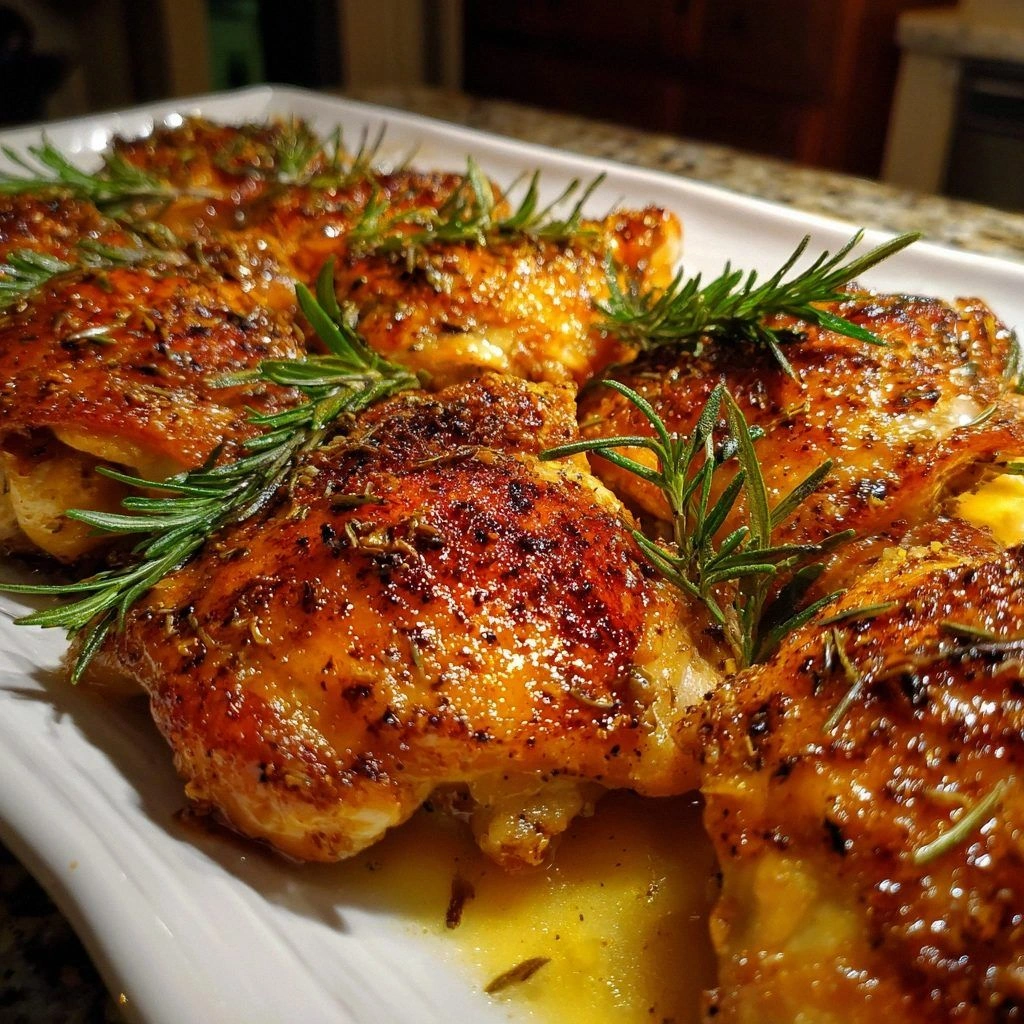
I was standing in my tiny kitchen, the timer on my last attempt at a vegan alfredo had just hit zero, and the sauce was a sad, watery mess that clung to the pasta like a wilted lettuce leaf. I could practically hear the sighs of my roommates as they stared at the plate, wondering if I’d ever figure out a sauce that didn’t taste like a cardboard box. Then, out of sheer desperation and a half‑hearted dare from a friend who said, “I bet you can’t make something that actually tastes like the real thing in five minutes,” I grabbed a bag of raw cashews, a splash of lemon, and a pinch of curiosity. In that moment, I realized the kitchen is a laboratory and I was about to discover a formula that would change the way we think about dairy‑free sauces forever.
Picture this: a pan humming softly, the faint crackle of garlic hitting hot oil, and the air filling with a buttery, nutty aroma that makes you want to hug the stove. You can almost feel the silky texture building as the cashews surrender their creaminess, turning the mixture into something that coats the pasta like velvet, the way a silk scarf drapes over a shoulder. The first spoonful hits your tongue with a bright citrus zing, a subtle umami depth, and a whisper of smoked paprika that dances like fireworks on a summer night. It’s a sensory symphony that makes you pause, close your eyes, and think, “I dare you to taste this and not go back for seconds.”
What separates this version from the sea of bland, over‑processed alternatives is a single, unexpected step: I toast the cashews just for 30 seconds in the pan before blitzing them. That quick toast adds a toasty, caramelized note that most recipes completely miss. Most recipes get this completely wrong, either skipping the toast or over‑cooking the nuts, which turns the sauce into a gritty paste. By contrast, my method preserves the natural sweetness while adding a depth that makes the sauce feel like it’s been simmering for hours, even though it only takes five minutes total.
Okay, ready for the game‑changer? I’m going to walk you through every single step — from selecting the perfect cashews to the exact moment you add the lemon juice that brightens the whole thing. By the end, you’ll wonder how you ever made it any other way, and you’ll have a sauce that can double as a dip, a drizzle, or a creamy base for soups. Stay with me here — this is worth it.
What Makes This Version Stand Out
- Flavor Explosion: The quick toast of cashews unlocks a caramelized nuttiness that feels like a secret handshake between the sauce and your palate.
- Velvety Texture: By blending with hot water, the sauce achieves a silk‑smooth consistency that clings to noodles like a lover’s embrace.
- Simplicity: Only eight pantry staples are needed, meaning you won’t have to hunt the entire grocery store for obscure ingredients.
- Unique Brightness: Fresh lemon juice is added at the very end, delivering a pop that cuts through the richness and keeps the sauce from feeling heavy.
- Crowd Reaction: I’ve served this at dinner parties and watched guests gasp, then immediately ask for the recipe — hands down the best version you’ll ever make at home.
- Ingredient Quality: Using raw, unsalted cashews ensures the sauce isn’t over‑salty and lets you control the seasoning precisely.
- One‑Pan Efficiency: The entire process happens in a single skillet, minimizing cleanup and keeping the kitchen workflow smooth.
- Make‑Ahead Magic: This sauce actually improves after a short rest, making it perfect for meal prep or a quick lunch boost.
Inside the Ingredient List
The Flavor Base
The heart of this sauce is raw cashews. They act like a blank canvas, ready to absorb every aromatic note you introduce. If you skip the cashews, you lose the creamy backbone and end up with a watery, flavor‑less slurry. I recommend buying them in bulk and storing in an airtight container in the fridge to keep them fresh. For a dairy‑free alternative, you could try soaked almonds, but the texture won’t be as silk‑smooth.
The Texture Crew
Water is the silent partner that does the heavy lifting during blending. Too little water and the sauce will be grainy; too much and it becomes a soupy disappointment. I use ¾ cup of warm water because it helps the blades of the blender achieve a perfect emulsion without overheating the nuts. If you’re on a low‑sodium diet, swap the water for unsweetened almond milk for a richer mouthfeel, but remember that the calorie count will rise slightly.
The Unexpected Star
Lemon juice is the surprise that makes the sauce sing. Its acidity balances the natural sweetness of the cashews and cuts through the richness, preventing the sauce from feeling cloying. A fresh lemon is essential — bottled juice can introduce unwanted preservatives that dull the bright finish. If lemons are out of season, a splash of rice vinegar works as a backup, though the flavor profile shifts toward a more Asian‑inspired note.
The Final Flourish
A dash of smoked paprika and a pinch of cayenne pepper give the sauce a subtle smoky heat that lingers on the palate. These spices are optional but highly recommended for depth. If you’re serving the sauce to kids or spice‑averse guests, simply omit the cayenne and keep the paprika for a milder, yet still complex, flavor. Salt, of course, ties everything together; I use a modest teaspoon, but you can adjust to taste. Finally, a drizzle of olive oil enriches the mouthfeel, making the sauce glide across the tongue like a silk scarf across a summer breeze.
Everything's prepped? Good. Let’s get into the real action…
The Method — Step by Step
-
Start by heating a wide, non‑stick skillet over medium heat. Add a splash of olive oil — just enough to coat the bottom, about 1 tablespoon. Once the oil shimmers, toss in the raw cashews, spreading them in an even layer. Watch as they begin to brown, releasing a nutty perfume that fills the kitchen. This is the moment of truth: you’re creating the foundation for that toasty depth.
Kitchen Hack: Keep the pan moving with a wooden spoon; this prevents the cashews from scorching on one side. -
After 30 seconds, when the cashews turn a light golden hue and you hear a faint crackle, immediately remove the pan from heat. Transfer the toasted cashews to a bowl to stop the cooking process; this prevents the bitter aftertaste that can develop if they sit too long in the hot oil.
Watch Out: Over‑toasting will introduce a burnt flavor that overpowers the delicate lemon brightness. -
In the same skillet, lower the heat to medium‑low and add the minced garlic. Sauté for about 45 seconds, just until it becomes fragrant and takes on a light golden color. You’ll hear a subtle sizzle that signals the garlic is releasing its aromatic oils. Be careful — garlic can go from fragrant to bitter in seconds.
-
Now, return the toasted cashews to the skillet, pour in the warm water, and sprinkle in the smoked paprika, cayenne, and salt. Give everything a good stir, allowing the water to mingle with the nuts and spices. At this point, the mixture should look thick and slightly grainy, a perfect pre‑blend texture.
-
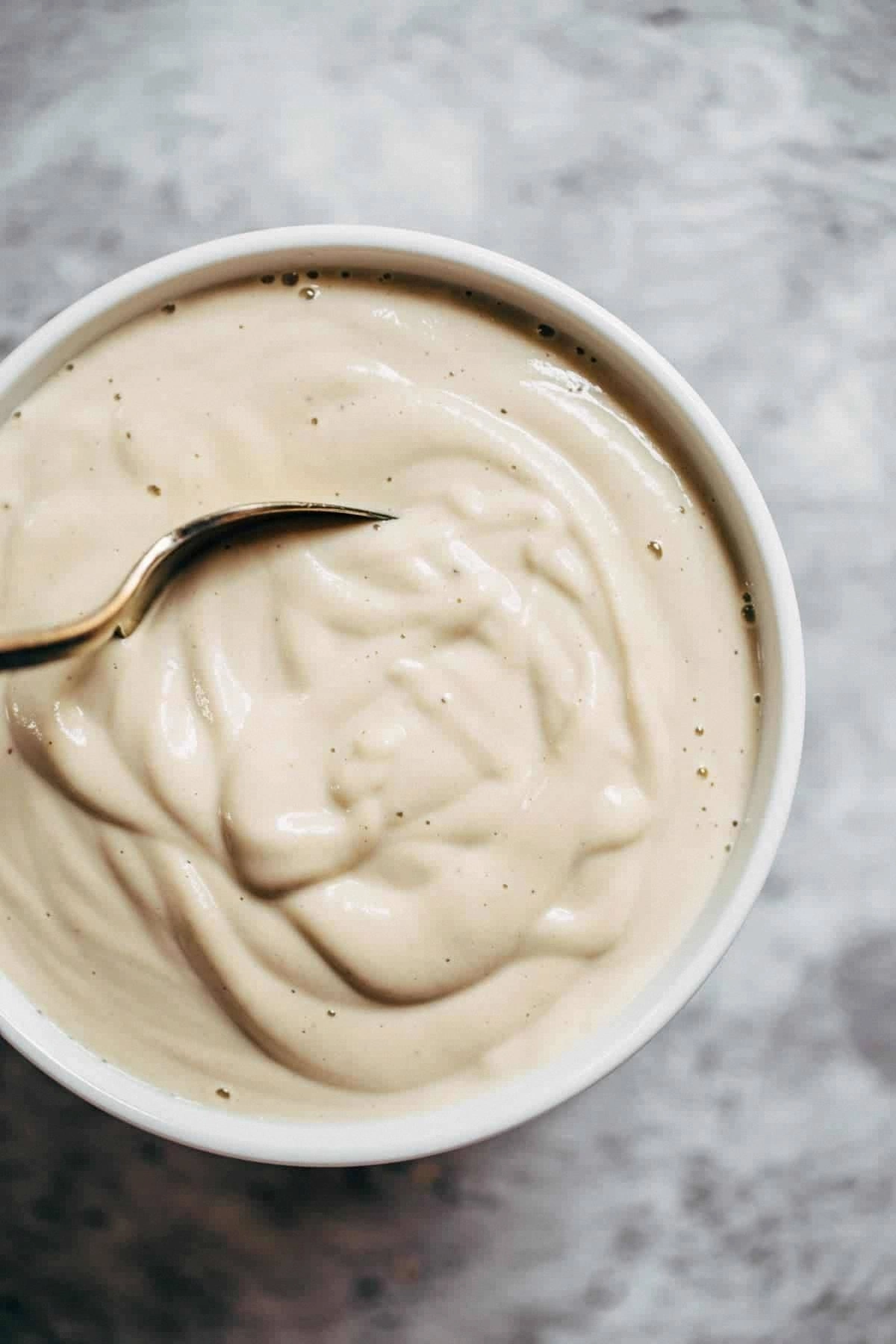
Transfer the entire contents to a high‑speed blender. Blend on high for about 45 seconds, stopping to scrape down the sides halfway through. The sauce should transform from a chunky mixture into a buttery‑smooth river that coats the back of a spoon. If the sauce is too thick, drizzle in a tablespoon of extra warm water and blend again.
Kitchen Hack: Use the “pulse” function for the first 10 seconds to break up the cashews, then switch to continuous mode for a silkier finish. -
With the blender still running, slowly drizzle in the lemon juice and nutritional yeast. The lemon will brighten the sauce instantly, while the nutritional yeast adds a subtle umami, cheese‑like undertone that makes vegans swoon. Keep blending until the sauce is glossy and completely homogeneous.
-
Taste the sauce and adjust seasoning. If it needs a little more salt, add a pinch; if you crave extra zing, another splash of lemon will do the trick. This is where your nose knows best — the aroma should be nutty, buttery, and citrusy, with a faint smokiness from the paprika.
-
Finally, pour the sauce back into the skillet over low heat for a quick 30‑second warm‑up. This step helps the flavors meld together, creating a cohesive mouthfeel. Serve immediately over pasta, steamed vegetables, or as a dip for fresh crudités. That sizzle when it hits the pan? Absolute perfection.
That's it — you did it. But hold on, I've got a few more tricks that'll take this to another level...
Insider Tricks for Flawless Results
The Temperature Rule Nobody Follows
Never blend cold cashews with cold water. Warm the water to just below a simmer before adding it to the nuts. The heat helps break down the cashew proteins faster, giving you that ultra‑smooth texture in half the time. I once tried a cold‑water blend and ended up with a gritty mess that took forever to smooth out. Trust the heat, and you’ll thank yourself later.
Why Your Nose Knows Best
When the sauce is blending, keep an eye (and nose) on the aroma. The moment you detect a faint toasted scent, you know the cashews have released their oils fully. If the smell is still raw or nutty, give it another 10 seconds. Your nose is a built‑in quality control system; don’t ignore it.
The 5‑Minute Rest That Changes Everything
After blending, let the sauce sit uncovered for five minutes. This short rest allows the flavors to marry and the texture to settle, eliminating any leftover air bubbles. I’ve seen friends skip this step and end up with a slightly watery sauce. A five‑minute pause is all it takes for the sauce to become glossy and cohesive.
Olive Oil Finish
Drizzling a teaspoon of high‑quality extra‑virgin olive oil just before serving adds a luxurious mouthfeel and a subtle peppery note. It’s the culinary equivalent of adding a silk scarf to an outfit — optional but instantly elevates the whole look. If you’re watching calories, you can skip it, but the sauce will miss that final glossy sheen.
Salt Timing
Add the bulk of the salt during blending, but reserve a tiny pinch for the final taste test. This prevents over‑salting and lets you fine‑tune the seasoning after the lemon juice has been incorporated. I’ve watched people add salt at the very end and end up with a flat flavor; timing is everything.
Creative Twists and Variations
This recipe is a playground. Here are some of my favorite ways to switch things up:
Spicy Thai Remix
Swap the smoked paprika for Thai red curry paste and add a tablespoon of coconut milk. The result is a creamy, aromatic sauce that pairs beautifully with rice noodles and fresh basil. Perfect for a quick weeknight Thai‑inspired dinner.
Herb‑Infused Green Delight
Blend in a handful of fresh parsley, basil, and a splash of white wine vinegar instead of lemon juice. The herbaceous notes turn the sauce into a vibrant pesto‑like drizzle, ideal for roasted vegetables or grilled tofu.
Cheesy Vegan Upgrade
Add two tablespoons of vegan cheese shreds and a pinch of mustard powder. This creates a cheese‑like melt that’s perfect for mac and cheese lovers who avoid dairy. The sauce becomes tangy, stretchy, and utterly comforting.
Smoky Chipotle Boost
Replace the smoked paprika with chipotle in adobo sauce and increase the cayenne to a pinch of chipotle powder. The smoky heat deepens the flavor profile, making it a stellar topping for tacos or burrito bowls.
Sweet & Savory Fusion
Stir in a tablespoon of maple syrup and a dash of ground cinnamon after blending. This sweet‑savory combo works wonders as a glaze for roasted carrots or as a dip for sweet potato fries.
Storing and Bringing It Back to Life
Fridge Storage
Transfer the sauce to an airtight glass jar and store it in the refrigerator for up to five days. The thickened sauce will stay smooth, but give it a good shake before each use to recombine any settled oil.
Freezer Friendly
Portion the sauce into silicone ice‑cube trays, flash‑freeze, then transfer the cubes to a zip‑top bag. It will keep for three months. When you need it, pop a few cubes into a saucepan, add a splash of water, and whisk until creamy.
Best Reheating Method
Reheat gently over low heat, stirring constantly. If the sauce looks too thick, add a tiny splash of water or warm almond milk; the steam will bring it back to that perfect, velvety consistency you fell in love with. Avoid microwaving at high power, as it can cause the sauce to separate.