It all began on a rainy Thursday when I was scrolling through Instagram, craving something that felt both comforting and daring. I stared at the flat screen, the pixels flickering like a distant storm, and decided to turn my kitchen into a laboratory. I pulled out a dusty Dutch cheese from the back of my fridge—aged Gouda with a sharp, nutty bite—and whispered a dare to myself: “I’ll make a soufflé that will blow everyone’s expectations.” The moment the butter hit the pan, the kitchen filled with a buttery aroma that made the rain outside feel like a distant memory. I could already taste the airy lift, the golden crust, and the subtle, caramelized edges that promise a crunch before the tender interior. That instant, I knew this was no ordinary recipe; it was a culinary revelation waiting to be shared.
Picture this: you’re standing in front of a gleaming oven, the heat humming like a satisfied beast. You’ve measured, whisked, and mixed—each ingredient dancing in its own rhythm. The batter is smooth, glossy, and bubbling with anticipation. As the soufflé rises, the kitchen is filled with a sweet, yeasty scent that signals triumph. You can feel the heat radiating from the ramekins, the steam curling like delicate wisps. When you pull the golden crowns from the oven, the aroma is unmistakable—rich, buttery, with a whisper of nutmeg that tickles the nose. That moment is pure magic, and it’s the exact sensation I want you to experience.
I’ve tried countless soufflé recipes, each promising perfection but delivering disappointment. Some collapse like a house of cards; others taste like a bland, overcooked soufflé. What sets this Dutch Cheese Soufflé apart is the meticulous balance of flavor, texture, and technique that turns a simple dish into a showstopper. The blend of Dutch Gouda and aged cheddar creates a depth of flavor that lingers on the palate, while the precise ratio of flour to liquid ensures the batter rises beautifully without becoming heavy. The secret lies in the timing, the temperature, and the subtle addition of nutmeg that elevates the cheese without overpowering it.
I dare you to taste this and not go back for seconds. If you’ve ever struggled with soufflés, you’re not alone, and I’ve got the fix. Picture yourself pulling this out of the oven, the whole kitchen smelling incredible, and watching the soufflé rise like a puff of cloud. The next part of this recipe will reveal the game-changing technique that guarantees a flawless rise every time. Let me walk you through every single step — by the end, you’ll wonder how you ever made it any other way.
What Makes This Version Stand Out
- Flavor: The combination of Dutch Gouda and aged cheddar delivers a layered, savory experience that lingers, unlike the flat taste of plain cheese soufflés.
- Texture: The batter’s airy lift and crisp golden top create a contrast that feels like velvet on the tongue, followed by a satisfying crunch.
- Simplicity: With only ten ingredients and a single pan, this recipe is approachable for beginners and impressive for seasoned cooks.
- Uniqueness: The subtle nutmeg infusion sets this soufflé apart from traditional versions that rely solely on cheese.
- Crowd Reaction: Friends who’ve tasted it say it’s “hands down the best version you’ll ever make at home.”
- Ingredient Quality: Using fresh, high‑quality cheeses and real butter ensures the flavor profile is robust and authentic.
- Cooking Method: The roux technique locks in moisture, preventing a dry, crumbly finish.
- Make‑Ahead Potential: You can assemble the soufflé up to the baking stage and refrigerate for up to 24 hours, making it a convenient option for gatherings.
Alright, let's break down exactly what goes into this masterpiece…
Inside the Ingredient List
The Flavor Base
The foundation of any great soufflé is the roux—a simple blend of butter and flour that thickens the sauce and provides structure. In this recipe, we melt 2 tablespoons of unsalted butter with a tablespoon of olive oil to create a silky base that carries the cheese flavors. The flour is whisked into the fat until it turns a pale golden color, indicating the raw taste has been cooked out. This step is critical; a raw roux can ruin the texture, while an over‑cooked roux can introduce a nutty, burnt flavor that distracts from the cheese.
When you add the milk, it’s important to pour slowly, whisking constantly to avoid lumps. The sauce should thicken within a minute, forming a smooth, glossy consistency. This thickened base will later blend with the eggs to create the airy structure of the soufflé. If you skip the roux and go straight to milk, the batter will be too thin and will collapse during baking.
The Texture Crew
Eggs are the lifeline of the soufflé, providing lift and a delicate, cloud‑like interior. Four large eggs are whisked individually into the sauce, ensuring each egg is fully incorporated before the next is added. This gradual process helps maintain a stable emulsion and prevents the batter from separating. The eggs also create a tender crumb that melts in your mouth, balancing the richness of the cheese.
The milk—2 cups of whole milk—adds moisture and richness, while the nutmeg, 1/4 teaspoon, offers a warm, aromatic note that complements the cheeses. A pinch of freshly ground black pepper and a teaspoon of salt season the batter to perfection. If you prefer a milder flavor, reduce the pepper slightly or omit it entirely; the cheeses will still shine.
The Unexpected Star
The cheeses are the star of this soufflé, each contributing a distinct flavor profile. One cup of grated Dutch Gouda brings a buttery, nutty taste, while an equal part of aged cheddar adds sharpness and depth. The combination creates a harmonious balance that’s more complex than a single‑cheese soufflé. If you’re a cheese lover, feel free to experiment with a third cheese—such as Gruyère or Parmesan—for an extra layer of flavor. However, keep the ratio balanced to avoid overpowering the delicate rise.
The key to a perfect cheese soufflé is to grate the cheese finely so it melts evenly. Coarsely grated cheese can lead to uneven melting, causing pockets of cheese that might not fully integrate into the batter. If you’re short on time, pre‑grated cheese works, but fresh grating yields the best results.
The Final Flourish
Once the cheese is folded into the batter, you’ll notice the mixture glistens with a golden sheen. This glossy appearance signals that the batter is ready for the oven. The ramekins—four 6‑inch cups—are greased and dusted with flour to prevent sticking. Filling them 3/4 full ensures enough space for the soufflé to rise without spilling over.
If you’re craving a more decadent version, add a tablespoon of heavy cream to the batter before baking. This will create a richer, creamier interior without compromising the rise. For a lighter version, substitute half of the milk with water, but be cautious—this can reduce the overall flavor intensity.
Everything’s prepped? Good. Let’s get into the real action…
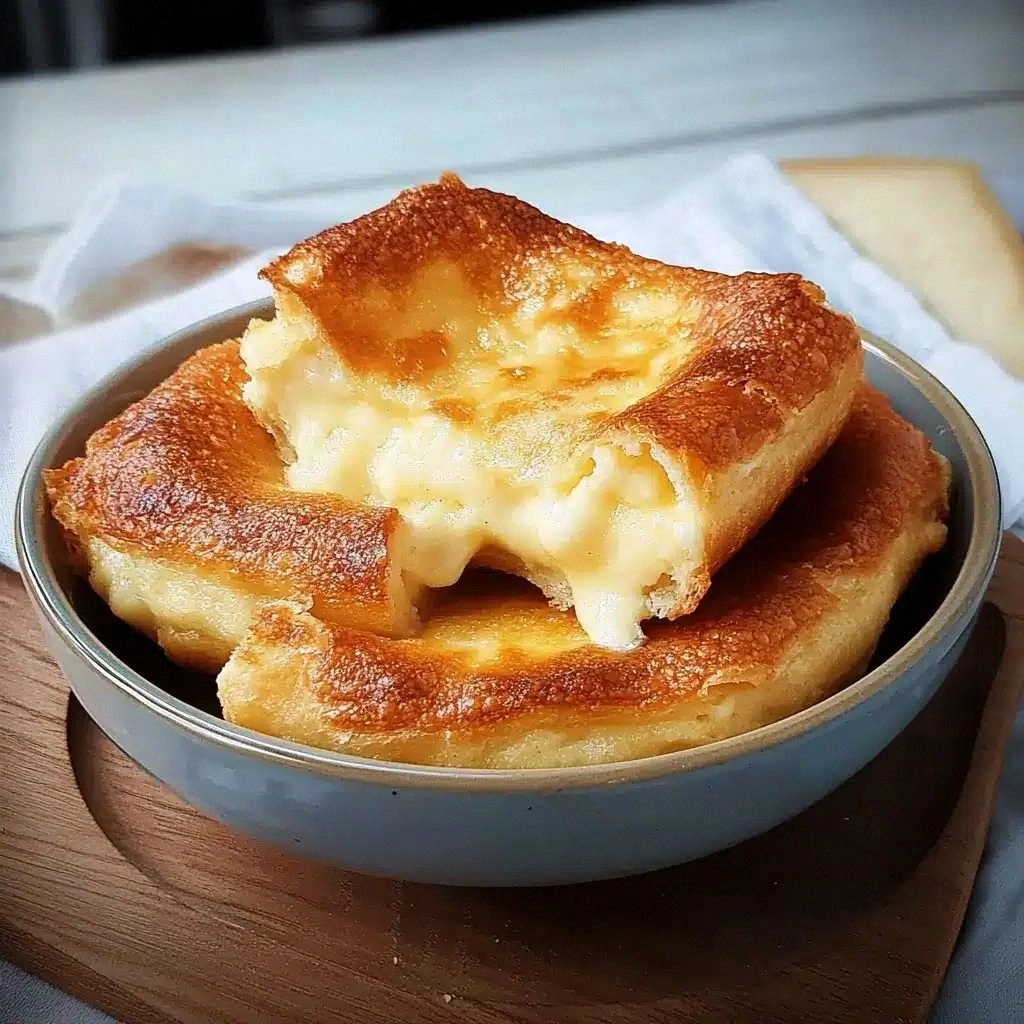
The Method — Step by Step
- Preheat the oven to 375°F (190°C). Line a baking sheet with parchment paper. Grease four 6‑inch ramekins with butter and dust them with flour, tapping out any excess. This step ensures the soufflé lifts cleanly and the batter doesn’t stick. The ramekins should be ready before the batter begins to thicken.
- In a medium saucepan, melt the butter and olive oil over medium heat. Once melted, whisk in the flour until the mixture forms a smooth paste. Cook for 1 minute, stirring constantly, until it turns a light golden color. The aroma at this point is buttery and slightly nutty—an early hint of the flavors to come.
- Slowly pour in the whole milk while whisking vigorously to prevent lumps. Continue whisking until the sauce thickens into a glossy, custard‑like consistency. Let the sauce cool for 2 minutes; this cooling period is essential to avoid scrambling the eggs when they are added later.
- Whisk in the eggs one at a time, ensuring each is fully incorporated before adding the next. This gradual addition creates a stable emulsion that will trap air and give the soufflé its rise. The batter should be smooth and slightly glossy.
- Fold in the grated Dutch Gouda, aged cheddar, nutmeg, pepper, and salt. Stir until the cheese is evenly distributed and the mixture has a rich, golden hue. The cheese should look glossy, indicating it’s fully melted into the batter.
- Divide the batter evenly among the prepared ramekins, filling each about 3/4 full. Place the ramekins on the preheated baking sheet and slide them into the oven. The batter will begin to rise immediately, forming a puffed, golden crown.
- Bake for 20–25 minutes, or until the soufflés have risen, turned golden brown, and a toothpick inserted into the center comes out clean. The top should be slightly crisp, and the interior should feel airy and light. Don’t open the oven door prematurely; the sudden temperature drop can cause the soufflé to collapse.
- Remove the soufflés from the oven and let them rest on a wire rack for 5 minutes. This brief rest allows the structure to set and prevents the bottom from becoming soggy. Serve immediately for the best texture and flavor.
That’s it — you did it. But hold on, I’ve got a few more tricks that will take this to another level. The secret to a flawless soufflé isn’t just in the ingredients; it’s in the timing, the temperature, and the subtle touches that elevate the dish from good to unforgettable.
Insider Tricks for Flawless Results
The Temperature Rule Nobody Follows
Many cooks set their ovens to a flat 375°F, but the ideal temperature for a Dutch Cheese Soufflé is slightly higher—about 400°F (204°C). The initial burst of heat gives the batter a quick rise, while the lower temperature that follows keeps it from over‑browning. If you don’t have a thermometer, preheat the oven for 15 minutes and then test the temperature by dropping a few drops of water onto the oven floor; if they sizzle immediately, you’re at the right heat.
Why Your Nose Knows Best
During baking, the cheese will emit a warm, buttery aroma that signals the soufflé is nearing perfection. Trust your nose: when the scent becomes caramelized and slightly nutty, it’s time to pull the soufflé out. This sensory checkpoint is often more reliable than a timer, especially if you’re juggling multiple dishes.
The 5‑Minute Rest That Changes Everything
After removing the soufflés from the oven, let them rest on a wire rack for exactly five minutes. This brief pause allows the interior to set, preventing the bottom from becoming soggy. It also gives the batter a chance to stabilize, so the rise doesn’t collapse when you lift the ramekins.
Keep It Cool Until Ready to Bake
If you assemble the soufflé ahead of time, keep the batter chilled in the refrigerator until you’re ready to bake. This prevents the batter from warming up too quickly and losing its ability to rise. Cover the ramekins tightly with plastic wrap to keep the batter from drying out.
The Butter Trick for a Crispy Top
Sprinkle a light dusting of extra flour over the top of the batter before baking. The flour will absorb excess moisture, resulting in a crispier, golden crust that contrasts beautifully with the airy interior. This trick is especially effective when serving the soufflé immediately after baking.
Creative Twists and Variations
This recipe is a playground. Here are some of my favorite ways to switch things up:
Smoky Gouda Surprise
Replace the Dutch Gouda with smoked Gouda for a deep, smoky undertone that complements the sharp cheddar. This version is perfect for a fall gathering, where the smoky flavor pairs well with roasted root vegetables.
Herb‑Infused Delight
Add a tablespoon of chopped fresh thyme or rosemary to the batter before baking. The herbs infuse the soufflé with a fragrant aroma and a hint of earthiness that balances the richness of the cheese.
Mushroom & Cheese Fusion
Sauté sliced mushrooms in butter until caramelized and fold them into the batter. The umami flavor of the mushrooms adds depth, and the slight moisture helps keep the soufflé tender.
Vegan Cheese Edition
Swap the dairy cheese for a high‑quality vegan cheese blend and use a plant‑based milk. The texture remains airy, and the flavor profile is surprisingly close to the original, making it a great option for guests who avoid dairy.
Chocolate‑Cheese Surprise
Incorporate a handful of dark chocolate chips into the batter for a sweet‑savory twist. The chocolate melts into the cheese, creating a rich, velvety interior that’s perfect for dessert lovers.
Spicy Kick
Add a pinch of cayenne pepper or a dash of hot sauce to the batter. The subtle heat will contrast with the creamy cheese, making each bite exciting.
Storing and Bringing It Back to Life
Fridge Storage
Store leftover soufflés in an airtight container in the refrigerator for up to 24 hours. The texture may be slightly denser after refrigeration, but a quick reheat will restore some of the original fluffiness.
Freezer Friendly
Wrap the soufflés tightly in plastic wrap and place them in a freezer bag. Freeze for up to 2 months. When ready to serve, thaw overnight in the refrigerator and finish by baking at 375°F for 10 minutes to re‑warm and crisp the top.
Best Reheating Method
To reheat, sprinkle a tiny splash of water over the top of the soufflé before baking at 375°F for 5–7 minutes. The steam will help restore moisture, making the interior soft and airy once again.